
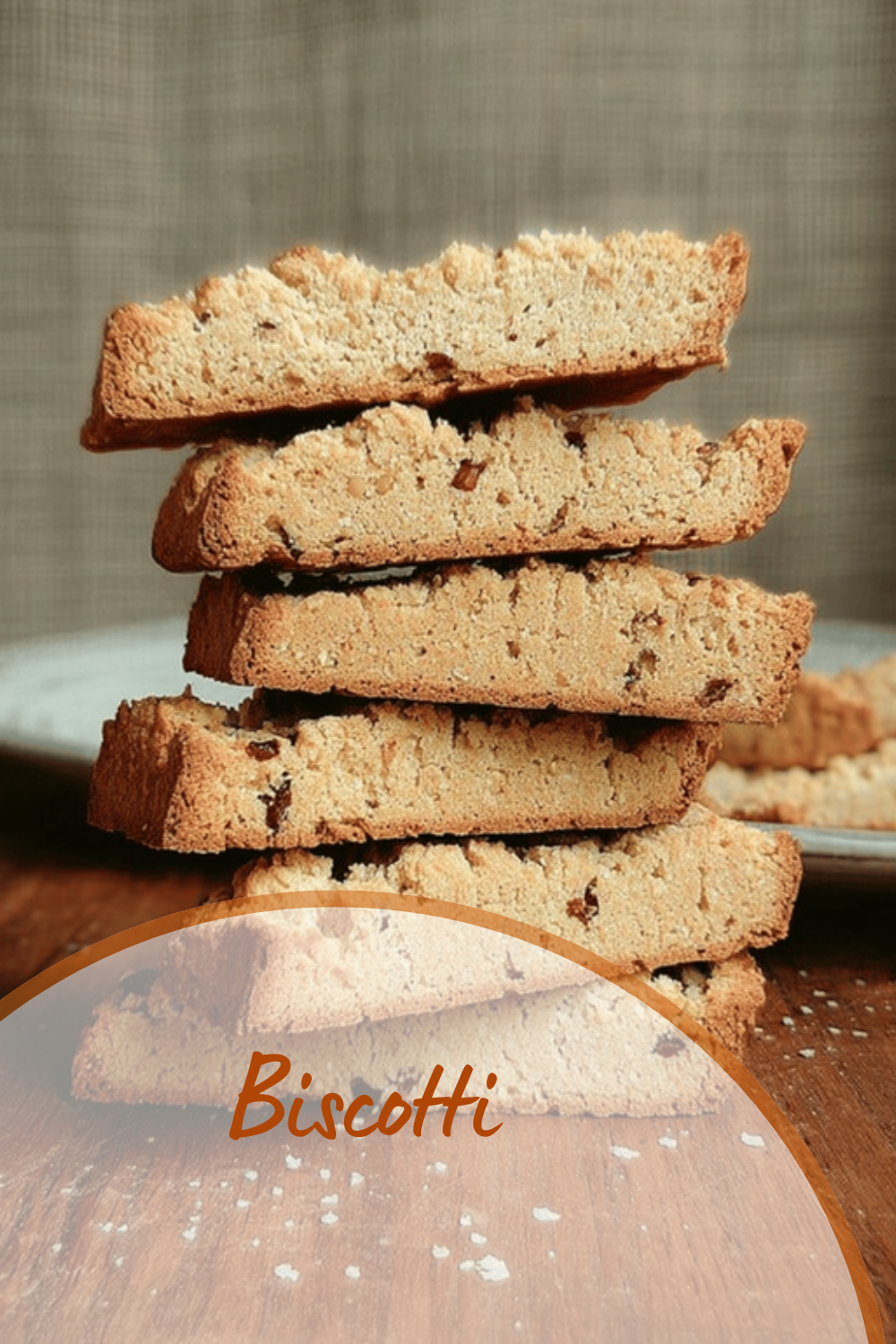
Why You’ll Love This Biscotti
Biscotti, the iconic twice-baked Italian treats, offer a delightful crunch that pairs perfectly with your favorite beverages, making them a staple for home bakers. This recipe highlights their oblong shape and dry texture, which stem from their roots in Tuscany, Italy, especially the city of Prato. In Italy, these are often called cantucci or biscotti di Prato, and they hold cultural significance in traditions across regions like Catalonia and France, where they appear during special occasions and festivities. Explore similar baked goods like cinnamon bread for more ideas on easy home baking.
The preparation process, derived from the Latin word “biscoctus” meaning twice-cooked, involves baking the dough loaf first, then slicing and baking again for that signature crunch. This method not only extends shelf life but also makes biscotti ideal for dipping in drinks like the Tuscan wine Vin Santo. With minimal ingredients such as flour, sugar, eggs, and almonds no butter, oil, or milk needed you get a versatile treat that’s simple yet satisfying. The classic recipe from a renowned pastry chef keeps things straightforward, allowing for quick bakes under an hour that fit into busy routines.
Additionally, biscotti provide health benefits through wholesome components like nuts and fiber, supporting a balanced diet without excess guilt. Their adaptability means you can tweak them for dietary preferences, turning them into vegan or gluten-free options. Whether you’re a student grabbing a quick snack or a party host impressing guests, these crunchy delights enhance everyday moments with their nutty flavor and enduring appeal.
Benefits for Different Lifestyles
For busy parents and working professionals, the ease of this recipe shines through its short preparation time. Diet-conscious individuals appreciate the wholesome ingredients that deliver healthy fats and fiber. Baking enthusiasts can experiment with variations, while travelers might enjoy packing these long-lasting treats for on-the-go snacking.
- Ease of preparation: This biscotti recipe is delightfully simple, needing just a few ingredients and steps for fresh results in under an hour, ideal for hectic days.
- Health benefits: Made with nutritious elements, it packs fiber and healthy fats for a guilt-free indulgence that supports overall wellness.
- Versatility: Easily adapt it for vegan, gluten-free, or low-calorie needs by swapping ingredients, all while keeping the taste and texture intact.
- Distinctive flavor: The blend of spices and nuts creates a unique profile that pairs well with coffee, tea, or as a standalone treat.
Jump to:
- Why You’ll Love This Biscotti
- Benefits for Different Lifestyles
- Essential Ingredients for Biscotti
- Special Dietary Options
- How to Prepare the Perfect Biscotti: Step-by-Step Guide
- Dietary Substitutions to Customize Your Biscotti
- Mastering Biscotti: Advanced Tips and Variations
- Pro Techniques and Ideas
- How to Store Biscotti: Best Practices
- FAQs: Frequently Asked Questions About Biscotti
- What is biscotti and how is it different from regular cookies?
- How do you store biscotti to keep them fresh?
- Can biscotti be made gluten-free, and what substitutions are best?
- What are some popular flavor variations of biscotti?
- How long does it take to bake biscotti properly?
- Biscotti
- Ingredients
- Instructions
- Last Step:
- Notes
- Nutrition
- Did you make this recipe?
Essential Ingredients for Biscotti
Biscotti rely on a simple set of ingredients that emphasize tradition, drawing from the classic formula of flour, sugar, eggs, and almonds as noted in historical recipes. This traditional approach avoids butter, oil, or milk, focusing on natural elements for that authentic crunch. Below is a comprehensive list of the ingredients for this recipe, extracted directly from the provided details. Each item includes its precise measurement to ensure accuracy in your baking.
- 2 cups all-purpose flour – provides structure and texture
- 1 cup granulated sugar – adds sweetness and helps with browning
- 2 large eggs – bind ingredients together and add moisture
- 1 teaspoon baking powder – helps the biscotti rise
- 1 teaspoon vanilla extract – enhances flavor
- 1 cup almonds, chopped – adds crunch and nutty taste
Special Dietary Options
For those with specific needs, consider these substitutions to customize your biscotti while maintaining its essence.
| Dietary Need | Substitution |
|---|---|
| Vegan | Use flax eggs (1 tablespoon ground flaxseed + 3 tablespoons water) instead of eggs |
| Gluten-free | Substitute all-purpose flour with a gluten-free baking mix |
| Low-calorie | Replace sugar with a natural sweetener like stevia or erythritol |
How to Prepare the Perfect Biscotti: Step-by-Step Guide
Creating biscotti at home follows the twice-baked method that gives them their renowned dryness and crunch, a technique rooted in Italian traditions. Begin by understanding the process: form the dough into a loaf, bake it once, slice it, and bake again, just as described in the origins from Prato. This approach ensures the biscuits remain long-lasting and perfect for dipping. Check out almond croissant bites for more almond-based treats to complement your biscotti baking adventure.
- First Step: Preheat your oven to 350°F (175°C). Line a baking sheet with parchment paper to prevent sticking.
- Second Step: In a large bowl, combine flour, sugar, and baking powder. Mix dry ingredients evenly to prepare the base.
- Third Step: In a separate bowl, whisk eggs and vanilla extract. For the vegan option, prepare flax eggs in advance as a substitute.
- Fourth Step: Gradually add wet ingredients to dry, mixing until a dough forms. Fold in chopped almonds for that essential crunch.
- Fifth Step: Shape the dough into a log about 12 inches long and 3 inches wide. Place on the baking sheet for the initial bake.
- Sixth Step: Bake for 25-30 minutes until golden and firm to the touch, mirroring the traditional method for a dry texture.
- Seventh Step: Remove from oven and allow to cool slightly. Then slice diagonally into 1/2-inch thick pieces for even crisping.
- Eighth Step: Arrange slices cut side down on the baking sheet. Bake for an additional 10-15 minutes to achieve the perfect crunch.
- Ninth Step: Allow biscotti to cool completely on a wire rack before serving, ensuring they reach their full crunchy potential.
- Final Step: Store in an airtight container and adapt for dietary needs using the substitutions mentioned earlier.

Dietary Substitutions to Customize Your Biscotti
Biscotti’s flexibility lets you tailor them to various preferences, building on the minimal ingredients like flour, sugar, eggs, and almonds from the classic recipe. This adaptability reflects their cultural role in Italy and beyond, where people modify recipes for different occasions. For instance, swapping nuts or using alternative flours keeps the oblong shape and crunch intact while accommodating allergies or dietary restrictions.
- Protein and Main Component Alternatives: Use flax or chia seeds as egg replacers for vegan biscotti. Substitute almonds with walnuts, pistachios, or pecans for different flavors or to avoid allergies.
- Vegetable, Sauce, and Seasoning Modifications: Add orange zest or cinnamon for a fresh twist. For lower sugar, replace granulated sugar with natural sweeteners like monk fruit. Incorporate dried fruits such as cranberries or cherries instead of nuts for texture variety. Use gluten-free flour blends to suit those with gluten intolerance.
Mastering Biscotti: Advanced Tips and Variations
To elevate your biscotti skills, focus on techniques that enhance their traditional twice-baked texture, a hallmark of their Tuscan origins. Proper slicing with a serrated knife prevents crumbling, ensuring each piece retains that dry, oblong form. Drawing from the recipe’s minimal ingredients, you can experiment with flavors while keeping the core process intact.
Pro Techniques and Ideas
Toast nuts before adding them for a richer aroma, a simple step that boosts the overall experience. Flavor variations include mixing in espresso powder, lemon zest, or anise seeds to create unique profiles. For presentation, dust with powdered sugar or dip in dark chocolate to make them more appealing for gatherings.
- Pro cooking techniques: Slice with a serrated knife to avoid crumbling and toast nuts for better aroma.
- Flavor variations: Add espresso powder, lemon zest, or anise seeds to personalize your batch.
- Presentation tips: Dust with powdered sugar or dip in chocolate for an elegant finish.
- Make-ahead options: Refrigerate dough for up to 24 hours or freeze baked biscotti for up to three months.
How to Store Biscotti: Best Practices
Storing biscotti properly maintains their crunchy texture, which is key to their appeal as a long-lasting treat from Italian traditions. Thanks to the twice-baked method, these biscuits resist staleness, making them ideal for meal prep or sharing during festivities. Avoid refrigeration to preserve their signature dryness, and opt for room temperature storage instead.
- Refrigeration: Store in an airtight container at room temperature for up to two weeks, as cooling makes them softer.
- Freezing: Use a sealed bag or container for up to three months, then thaw at room temperature.
- Reheating: Warm in a low oven at 300°F (150°C) for 5-7 minutes to refresh crispiness.
- Meal prep considerations: Bake in batches and store portions for easy access throughout the week.
FAQs: Frequently Asked Questions About Biscotti
What is biscotti and how is it different from regular cookies?
Biscotti are Italian almond biscuits that are baked twice, which gives them a hard and crunchy texture. Unlike regular cookies, biscotti are dry and firm, making them perfect for dipping into coffee or tea. Their twice-baked method also makes them last longer without losing flavor or texture.
How do you store biscotti to keep them fresh?
Store biscotti in an airtight container at room temperature to maintain their crispness. They can stay fresh for up to two weeks this way. For longer storage, place them in a sealed freezer bag and freeze for up to three months. Before serving, let frozen biscotti come to room temperature to restore their crunch.
Can biscotti be made gluten-free, and what substitutions are best?
Yes, biscotti can be made gluten-free by substituting regular flour with gluten-free all-purpose flour blends that contain xanthan gum or guar gum for structure. Almond flour can also be added for texture and flavor. It’s important to balance dry and wet ingredients to maintain the classic crunchy texture.
What are some popular flavor variations of biscotti?
Common biscotti flavors include almond, anise, chocolate chip, pistachio, and cranberry. Some recipes add cinnamon, orange zest, or espresso powder for extra aroma. These variations still maintain the traditional twice-baked process while offering diverse taste options that pair well with beverages.
How long does it take to bake biscotti properly?
Baking biscotti involves two baking steps: the first bake typically lasts 25-30 minutes until the dough is set, then the dough is sliced and baked again for 10-15 minutes per side to achieve crispness. Ensuring you allow the slices to cool between bakes helps maintain their signature crunch.
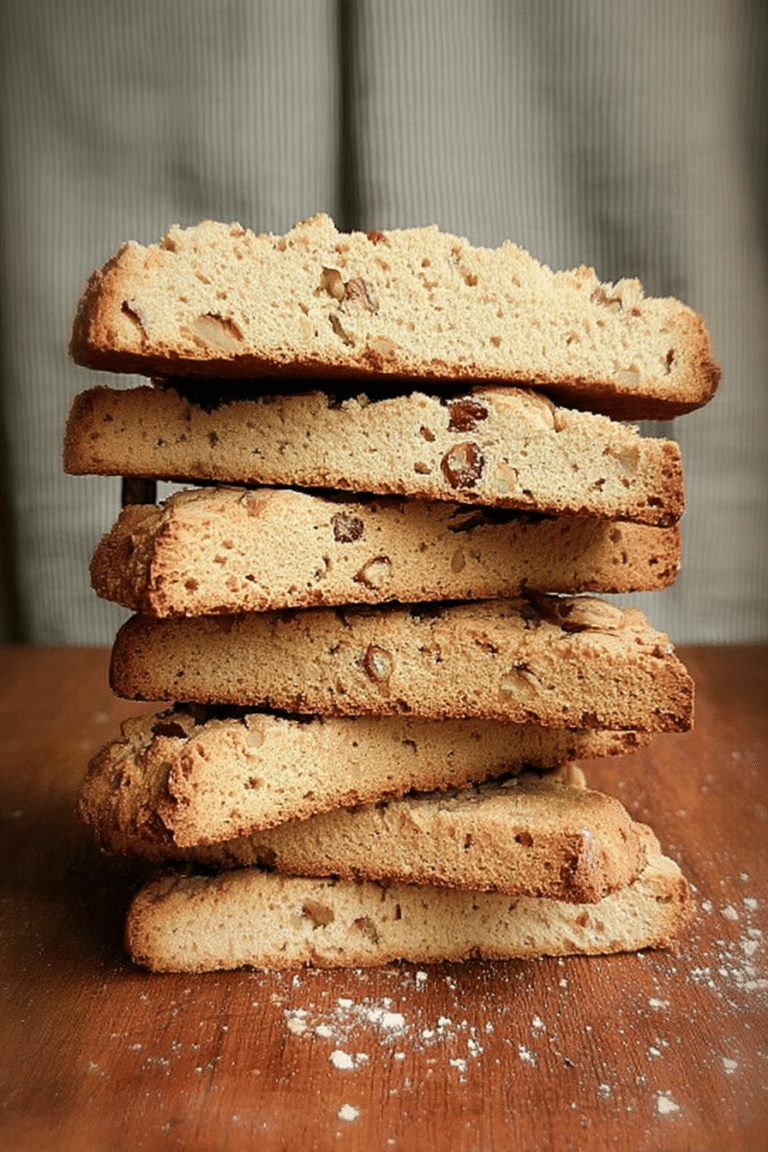
Biscotti
🍪 Enjoy the authentic crunch of traditional Italian biscotti made easily at home.
🇮🇹 This recipe captures the cultural heritage of Tuscany, offering a delightful twice-baked treat perfect for dipping and snacking.
- Total Time: 1 hour
- Yield: Approx. 24 biscotti
Ingredients
– 2 cups all-purpose flour provides structure and texture
– 1 cup granulated sugar adds sweetness and helps with browning
– 2 large eggs bind ingredients together and add moisture
– 1 teaspoon baking powder helps the biscotti rise
– 1 teaspoon vanilla extract enhances flavor
– 1 cup almonds, chopped adds crunch and nutty taste
Instructions
1-First Step: Preheat your oven to 350°F (175°C). Line a baking sheet with parchment paper to prevent sticking.
2-Second Step: In a large bowl, combine flour, sugar, and baking powder. Mix dry ingredients evenly to prepare the base.
3-Third Step: In a separate bowl, whisk eggs and vanilla extract. For the vegan option, prepare flax eggs in advance as a substitute.
4-Fourth Step: Gradually add wet ingredients to dry, mixing until a dough forms. Fold in chopped almonds for that essential crunch.
5-Fifth Step: Shape the dough into a log about 12 inches long and 3 inches wide. Place on the baking sheet for the initial bake.
6-Sixth Step: Bake for 25-30 minutes until golden and firm to the touch, mirroring the traditional method for a dry texture.
7-Seventh Step: Remove from oven and allow to cool slightly. Then slice diagonally into 1/2-inch thick pieces for even crisping.
8-Eighth Step: Arrange slices cut side down on the baking sheet. Bake for an additional 10-15 minutes to achieve the perfect crunch.
9-Ninth Step: Allow biscotti to cool completely on a wire rack before serving, ensuring they reach their full crunchy potential.
10-Final Step: Store in an airtight container and adapt for dietary needs using the substitutions mentioned earlier.
Last Step:
Please leave a rating and comment letting us know how you liked this recipe! This helps our business to thrive and continue providing free, high-quality recipes for you.Notes
🔪 Slice the biscotti at an angle for a traditional oblong shape and even baking.
🌰 Toast the almonds beforehand to enhance their flavor.
☕ Serve biscotti with a hot beverage or dessert wine like Vin Santo for an authentic experience.
- Prep Time: 15 minutes
- Second Bake: 15 minutes
- Cook Time: 30 minutes
- Category: Dessert
- Method: Baking, Twice-Baking
- Cuisine: Italian
- Diet: Vegetarian
Nutrition
- Serving Size: 2 biscotti
- Calories: 120 kcal per serving
- Sugar: 8 g
- Sodium: 30 mg
- Fat: 5 g
- Saturated Fat: 0.3 g
- Unsaturated Fat: 4.7 g
- Trans Fat: 0 g
- Carbohydrates: 18 g
- Fiber: 1 g
- Protein: 3 g
- Cholesterol: 35 mg