
Why You’ll Love This Sushi Salad
This sushi salad brings together the fresh, vibrant flavors of Japanese-inspired dishes in a simple, approachable way that’s perfect for any home cook. It’s incredibly easy to put together, making it a go-to option when you’re short on time but want something delicious. Plus, with its mix of healthy veggies, protein-rich salmon, and tangy rice, it’s a meal that keeps you satisfied without feeling heavy.
One of the best parts is how this recipe highlights health benefits like essential omega-3s from the fish, which support heart health and energy levels. It’s also versatile, so you can tweak it for different diets, keeping everyone happy at the table. Whether you’re a busy parent grabbing a quick dinner or a food enthusiast experimenting in the kitchen, this sushi salad feels personal and fun, like a fresh twist on your favorite takeaway.
The combination of flavors creates a delightful balance that’s both tangy and savory, drawing you in for another bite. You’ll appreciate how it turns everyday ingredients into something exciting, perfect for family meals or casual gatherings. In just a short time, you can have a dish that makes mealtime feel special and effortless.
Key Benefits at a Glance
- Simple prep that fits into busy schedules, taking about 40 minutes total.
- Nutrient-packed with fresh vegetables and baked salmon for a boost in vitamins and proteins.
- Easy to adapt for various tastes, including vegan options by swapping proteins.
- A unique taste that blends rice vinegar’s zing with fresh veggies and savory toppings.
This recipe serves 6 to 8 people, making it ideal for sharing. As someone who loves creating meals that bring people together, I find it heartwarming how this sushi salad encourages trying new flavors at home.
Jump to:
- Why You’ll Love This Sushi Salad
- Key Benefits at a Glance
- Essential Ingredients for Sushi Salad
- Main Ingredients List
- How to Prepare the Perfect Sushi Salad: Step-by-Step Guide
- Step-by-Step Breakdown
- Dietary Substitutions to Customize Your Sushi Salad
- Mastering Sushi Salad: Advanced Tips and Variations
- Ideas for Customization
- How to Store Sushi Salad: Best Practices
- FAQs: Frequently Asked Questions About Sushi Salad
- What ingredients do I need to make a sushi salad at home?
- How do I make a sushi salad vegan-friendly?
- Can sushi salad be prepared ahead of time and stored?
- What are the health benefits of eating sushi salad?
- How can I add more flavor to my sushi salad without extra calories?
- Sushi Salad
- Ingredients
- Instructions
- Last Step:
- Notes
- Nutrition
- Did you make this recipe?
Essential Ingredients for Sushi Salad
Gathering the right ingredients is the first step to making a tasty sushi salad that everyone will enjoy. This recipe focuses on a layered sushi rice bowl with baked salmon and fresh vegetables, ensuring a balance of flavors and textures. Below is a complete list of everything you need, pulled straight from the recipe for clear and precise measurements.
Main Ingredients List
- 2 cups sushi rice
- 3 cups water
- 3 to 4 tablespoons rice vinegar
- 1 tablespoon sugar
- half to 1 teaspoon salt
- 1 to 1.5 pounds salmon
- a quarter cup coconut aminos
- 1 tablespoon honey
- a pinch of salt
- 2 sliced avocados
- 2 large diced carrots or 1 cup shredded carrots
- 3 thinly sliced or cubed Persian cucumbers
- 1 sheet nori cut into pieces or 1 pack crumbled seaweed snacks
- a quarter cup crispy fried onions or toasted panko crumbs
- sesame seeds
- eel sauce or teriyaki sauce
- furikake seasoning
- a quarter cup mayonnaise
- 3 tablespoons sriracha
- 1 teaspoon sesame oil
These ingredients create a fresh, layered dish that’s simple yet full of character. For instance, the sushi rice forms the base, while the baked salmon adds a protein punch. I always recommend having these on hand to whip up something healthy and delicious anytime. Check out our easy cocktail recipes for pairing suggestions that complement this salad’s flavors.
How to Prepare the Perfect Sushi Salad: Step-by-Step Guide
Creating this sushi salad is straightforward and fun, starting with preheating your oven to 400°F (204°C). Begin by marinating the salmon in coconut aminos, honey, and a pinch of salt for a burst of flavor. Once marinated, bake it for 15 to 18 minutes until it’s flaky and ready to go that’s the protein base sorted.
Next, rinse the 2 cups of sushi rice under cold water until it runs clear, soaking it for 30 minutes if you have time for better texture. Cook the rice with 3 cups of water by bringing it to a boil, then simmer for 20 minutes. Let it sit for 10 minutes before seasoning with 3 to 4 tablespoons rice vinegar, 1 tablespoon sugar, and half to 1 teaspoon salt this step makes the rice tangy and sticky, just like in traditional sushi.
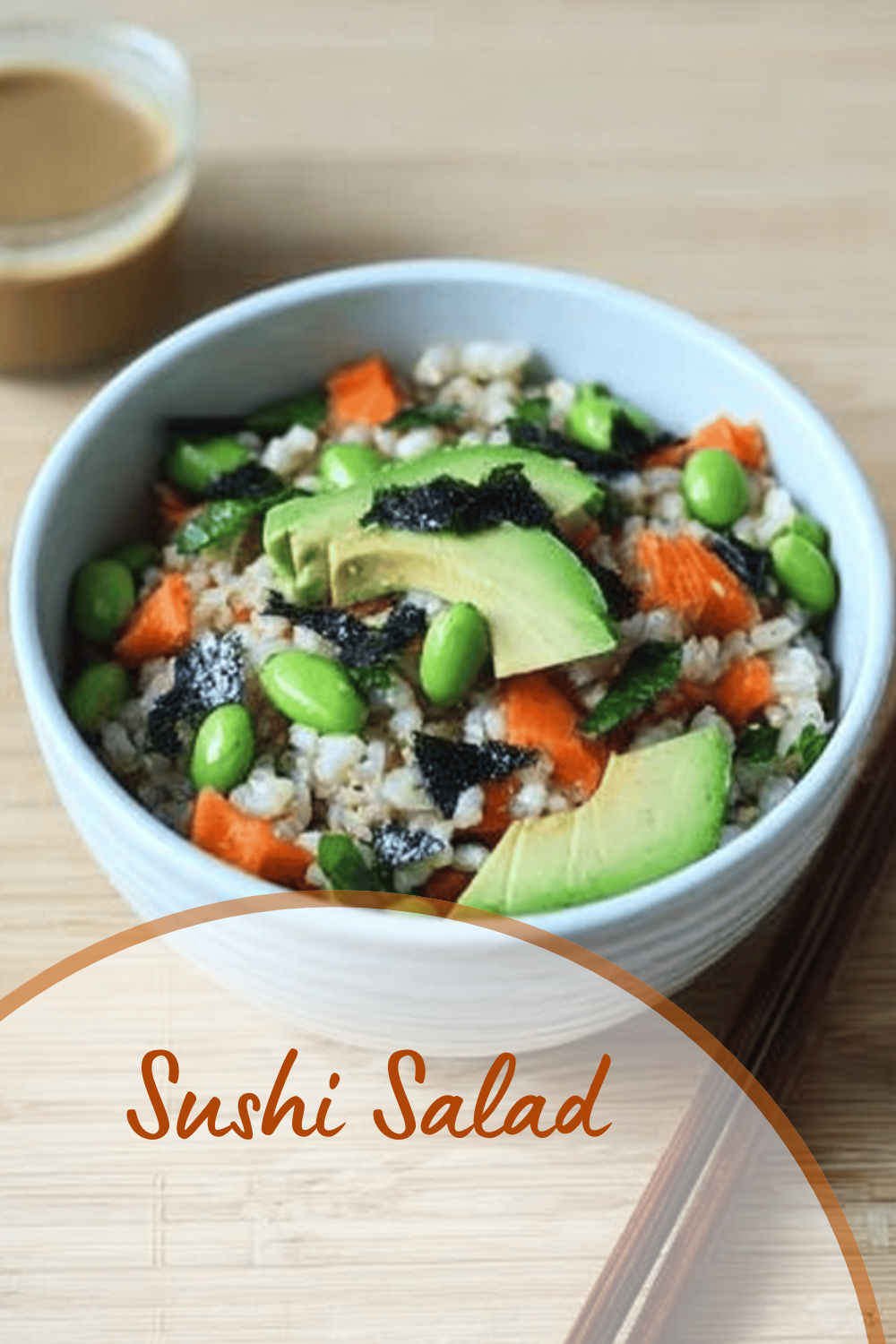
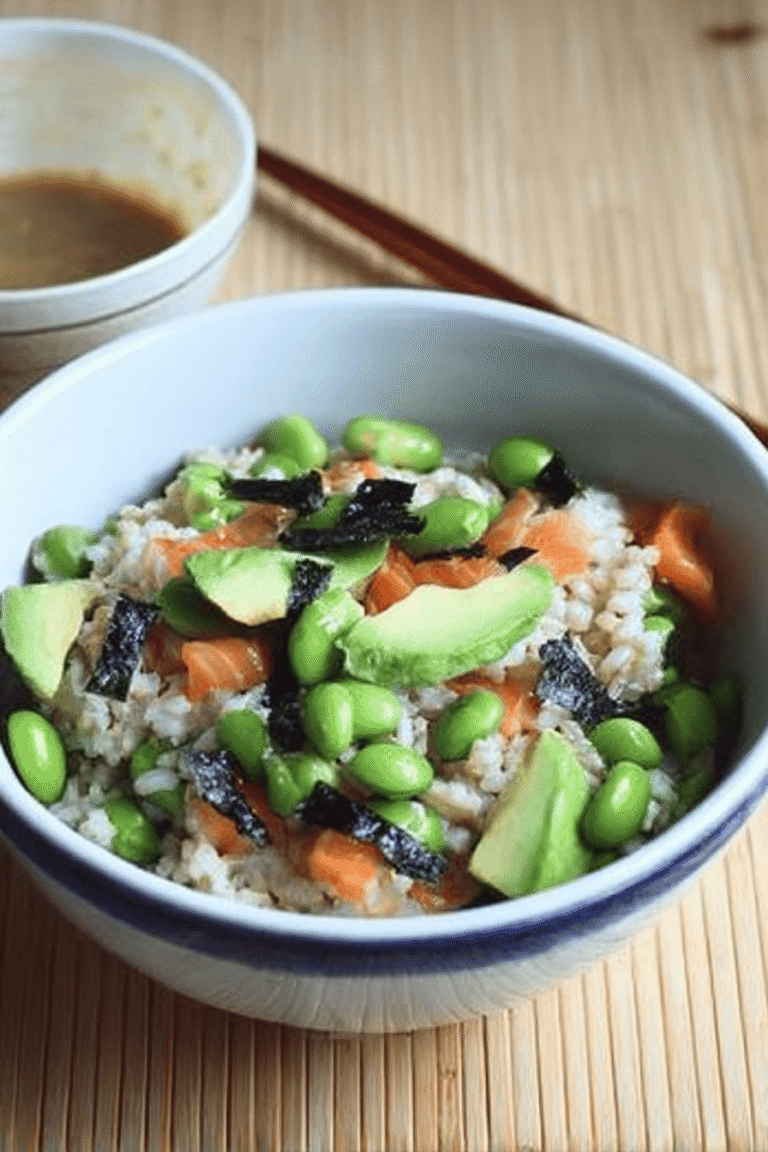
While the like is cooking, prepare your veggies: dice the 2 large carrots or shred them into 1 cup, and thinly slice or cube the 3 Persian cucumbers. Slice the 2 avocados for that creamy touch. Now, layer everything on a large platter starting with the seasoned sushi rice, followed by crumbled seaweed, flaked salmon, cucumbers, carrots, avocado slices, and a quarter cup of crispy fried onions.
Drizzle on the spicy mayo made from a quarter cup mayonnaise, 3 tablespoons sriracha, and 1 teaspoon sesame oil for a kick. Finish with eel sauce or teriyaki sauce, sesame seeds, and furikake seasoning. Serve at room temperature and add toppings just before eating for the best results The whole process takes about 40 minutes, with 15 minutes prep and 25 minutes cooking. It’s a recipe that even beginners can master with ease.
Step-by-Step Breakdown
- Rinse and cook the sushi rice as described.
- Marinate and bake the salmon.
- Prep and layer the vegetables and other ingredients.
- Add dressings and seasonings before serving.
This method keeps things organized and helps avoid any kitchen chaos. I love how it turns basic steps into a meal that feels like a pro creation. For more tips on fresh ingredients, explore our healthy smoothie ideas, which pair well with this salad.

Dietary Substitutions to Customize Your Sushi Salad
Making tweaks to this sushi salad is simple and lets you tailor it to your needs. For example, if you’re looking for a vegan option, swap the salmon for tofu or tempeh to keep that protein element without losing flavor. The base of sushi rice and veggies works with all kinds of changes, making it a flexible favorite.
You can also switch out soy sauce for coconut aminos, which is already in this recipe, to keep things gluten-free. If you want to cut carbs, try using cauliflower rice instead of the 2 cups of sushi rice. These adjustments ensure everyone at the table can enjoy a version that’s just right for them.
| Original Ingredient | Substitution Option | Reason |
|---|---|---|
| 1 to 1.5 pounds salmon | Baked tofu or tempeh | For vegan or plant-based diets |
| Sushi rice | Quinoa or cauliflower rice | For low-carb or gluten-free needs |
| Cucumber | Zucchini or bell peppers | For added variety in texture |
As a home cook myself, I find these swaps make mealtime exciting and inclusive. Remember, the key jakim is balancing flavors so your salad still shines.
Mastering Sushi Salad: Advanced Tips and Variations
Once you’re comfortable with the basics, you can elevate your sushi salad with a few pro techniques. For instance, adding a piece of kombu seaweed to the rice while it cooks brings an extra layer of umami that makes the dish pop. Use a fan to cool the rice quickly after seasoning it helps it shine and absorb flavors better.
Experiment with variations like incorporating pickled ginger for a zesty kick or roasted nori strips for more seafood-like taste. You could also drizzle on spicy mayo for added heat, using the recipe’s mix of mayonnaise, sriracha, and sesame oil. Presentation matters too, so serve in individual bowls with garnishes like sesame seeds and fresh herbs to make it visually appealing.
Ideas for Customization
- Add pickled ginger or wasabi for extra spice.
- Use different proteins like smoked salmon for variety.
- Prepare components ahead and store separately for easy assembly.
If you’re planning ahead, chop veggies like the carrots and cucumbers a day in advance, but keep them fresh in the fridge. This way, you spend less time cooking and more time enjoying the meal with loved ones.
How to Store Sushi Salad: Best Practices
Keeping your sushi salad fresh is key to enjoying its flavors later. Store it in an airtight container in the fridge and aim to eat it within 24 hours for the best taste and texture. Avoid freezing, as it can make the rice and avocado mushy, ruining that perfect crunch.
If you need to reheat any part, like the rice, do it gently without overcooking to preserve the dish’s appeal. For meal prep, keep the protein and dressings separate until you’re ready to serve, preventing sogginess and maintaining that fresh-from-the-kitchen feel. It’s all about simple steps that keep your salad as good as new.
This approach not only saves time but also ensures every bite is as delicious as the first.
From my own experiences, a little planning goes a long way in making weeknight dinners stress-free. Learn about salmon benefits to understand why it’s worth including in your storage plans.
FAQs: Frequently Asked Questions About Sushi Salad
What ingredients do I need to make a sushi salad at home?
To make a sushi salad, you will need cooked sushi rice, fresh vegetables like cucumber, avocado, and carrots, and proteins such as sushi-grade fish (salmon or tuna), cooked shrimp, or tofu. Include nori strips or seaweed salad for authentic flavor. For the dressing, mix soy sauce, rice vinegar, sesame oil, and a small amount of honey or sugar. Garnish with sesame seeds and green onions. These ingredients are easy to find at most grocery stores and allow you to prepare a fresh, healthy sushi-inspired dish in minutes.
How do I make a sushi salad vegan-friendly?
To make a vegan sushi salad, replace fish or seafood with plant-based proteins like marinated tofu, edamame, or avocado slices for creaminess. Use vegan-friendly sushi rice seasoned with rice vinegar and a pinch of sugar. Include plenty of fresh vegetables such as cucumber, carrots, radishes, and seaweed salad. For the dressing, combine soy sauce, sesame oil, and a touch of maple syrup or agave nectar. This version is nutritious and satisfying while capturing the flavors of traditional sushi without any animal products.
Can sushi salad be prepared ahead of time and stored?
Yes, you can prepare sushi salad ahead of time, but it’s best to store the components separately to maintain freshness. Keep the rice, vegetables, and dressing in separate airtight containers in the refrigerator for up to 24 hours. Combine everything just before serving to avoid sogginess. If pre-mixing, be sure to consume the salad within a few hours. Sushi rice tends to harden when chilled, so letting it come to room temperature before eating improves texture.
What are the health benefits of eating sushi salad?
Sushi salad is rich in nutrients, combining lean protein from fish or tofu, fiber from vegetables, and healthy fats like omega-3 fatty acids, especially if you include salmon or avocado. The fresh vegetables provide vitamins, antioxidants, and minerals that support immune health. Using rice vinegar and sesame oil in the dressing can aid digestion and offer anti-inflammatory benefits. Overall, sushi salad is a balanced meal that supports heart health and helps maintain energy levels without being heavy.
How can I add more flavor to my sushi salad without extra calories?
To add flavor without many calories, incorporate fresh herbs like cilantro or mint and a squeeze of lime juice for brightness. Use low-sodium soy sauce or tamari for a savory punch. Adding pickled ginger or a sprinkle of toasted sesame seeds also boosts taste with minimal calories. A little grated ginger or a dash of chili flakes can provide subtle heat. These simple additions increase flavor complexity while keeping the salad light and healthy.
Sushi Salad
🍣 Enjoy a nutritious and vibrant sushi salad that’s packed with fresh vegetables and flavorful baked salmon.
🥗 Perfect for a healthy meal idea, this recipe combines traditional sushi elements with a convenient layered bowl format.
- Total Time: 40 minutes
- Yield: 6 to 8 servings
Ingredients
– 2 cups sushi rice
– 3 cups water
– 3 to 4 tablespoons rice vinegar
– 1 tablespoon sugar
– half to 1 teaspoon salt
– 1 to 1.5 pounds salmon
– a quarter cup coconut aminos
– 1 tablespoon honey
– a pinch of salt
– 2 sliced avocados
– 2 large diced carrots or 1 cup shredded carrots
– 3 thinly sliced or cubed Persian cucumbers
– 1 sheet nori cut into pieces or 1 pack crumbled seaweed snacks
– a quarter cup crispy fried onions or toasted panko crumbs
– sesame seeds
– eel sauce or teriyaki sauce
– furikake seasoning
– a quarter cup mayonnaise
– 3 tablespoons sriracha
– 1 teaspoon sesame oil
Instructions
1- Creating this sushi salad is straightforward and fun, starting with preheating your oven to 400°F (204°C). Begin by marinating the salmon in coconut aminos, honey, and a pinch of salt for a burst of flavor. Once marinated, bake it for 15 to 18 minutes until it’s flaky and ready to go that’s the protein base sorted.
2- Next, rinse the 2 cups of sushi rice under cold water until it runs clear, soaking it for 30 minutes if you have time for better texture. Cook the rice with 3 cups of water by bringing it to a boil, then simmer for 20 minutes. Let it sit for 10 minutes before seasoning with 3 to 4 tablespoons rice vinegar, 1 tablespoon sugar, and half to 1 teaspoon salt this step makes the rice tangy and sticky, just like in traditional sushi.
3- While the like is cooking, prepare your veggies: dice the 2 large carrots or shred them into 1 cup, and thinly slice or cube the 3 Persian cucumbers. Slice the 2 avocados for that creamy touch. Now, layer everything on a large platter starting with the seasoned sushi rice, followed by crumbled seaweed, flaked salmon, cucumbers, carrots, avocado slices, and a quarter cup of crispy fried onions.
4- Drizzle on the spicy mayo made from a quarter cup mayonnaise, 3 tablespoons sriracha, and 1 teaspoon sesame oil for a kick. Finish with eel sauce or teriyaki sauce, sesame seeds, and furikake seasoning. Serve at room temperature and add toppings just before eating for the best results The whole process takes about 40 minutes, with 15 minutes prep and 25 minutes cooking. It’s a recipe that even beginners can master with ease.
5- Rinse and cook the sushi rice as described.
6- Marinate and bake the salmon.
7- Prep and layer the vegetables and other ingredients.
8- Add dressings and seasonings before serving.
Last Step:
Please leave a rating and comment letting us know how you liked this recipe! This helps our business to thrive and continue providing free, high-quality recipes for you.Notes
🌿 Use fresh, high-quality salmon for the best flavor and texture.
🥑 To prevent avocado browning, toss slices in a little lemon juice before adding them.
🍚 Letting the rice rest after cooking greatly improves its texture and stickiness for sushi bowls.
- Prep Time: 15 minutes
- Soaking Time: 30 minutes
- Cook Time: 25 minutes
- Category: Salad
- Method: Baking, Cooking, Assembling
- Cuisine: Japanese-inspired
- Diet: Pescatarian, Gluten-Free option (use gluten-free toppings)
Nutrition
- Serving Size: 1 bowl
- Calories: 400 kcal
- Sugar: 6 g
- Sodium: 450 mg
- Fat: 15 g
- Saturated Fat: 2 g
- Unsaturated Fat: 10 g
- Trans Fat: 0 g
- Carbohydrates: 45 g
- Fiber: 5 g
- Protein: 25 g
- Cholesterol: 40 mg