
Why You’ll Love This Mediterranean Salad
This fresh and vibrant Mediterranean salad is perfect for anyone seeking a quick, healthy meal that captures the essence of sunny coastal flavors. It’s inspired by Mediterranean cuisine, featuring crisp vegetables, olives, and feta cheese tossed in a light vinaigrette that makes each bite a delight. Whether you’re a busy parent looking for a speedy lunch or a food enthusiast exploring new tastes, this recipe aligns with healthy eating principles like the Mediterranean diet, offering a blend of nutrients that support overall wellness.
One reason you’ll enjoy this salad is how simple it is to put together. It requires just basic chopping and no cooking, fitting seamlessly into your daily routine without taking much time. The combination of fresh ingredients brings a burst of flavors that feel light and satisfying, while supporting heart health through healthy fats and fresh veggies.
Beyond ease, the health benefits make it a standout choice for diet-conscious individuals. This salad is packed with vegetables that provide essential vitamins, along with protein from feta and healthy fats from olive oil. Its versatility allows for easy tweaks, making it suitable for various dietary needs, so everyone from vegans to low-carb followers can enjoy it. With earthy herbs and tangy notes, your taste buds will thank you for this refreshing option that promotes a balanced lifestyle.
As you dive into this recipe, you’ll appreciate how it encourages adding more greens to your plate. It’s not just food; it’s a step toward feeling great every day. For more ideas on incorporating fresh produce, check out our guide to fresh vegetable recipes on the blog.
Jump to:
- Why You’ll Love This Mediterranean Salad
- Essential Ingredients for Mediterranean Salad
- Main Ingredients
- Special Dietary Options
- How to Prepare the Perfect Mediterranean Salad: Step-by-Step Guide
- First Step: Prepping the Vegetables
- Second Step: Combining the Ingredients
- Third Step: Adding the Dressing
- Final Steps: Tossing and Serving
- Dietary Substitutions to Customize Your Mediterranean Salad
- Mastering Mediterranean Salad: Advanced Tips and Variations
- How to Store Mediterranean Salad: Best Practices
- FAQs: Frequently Asked Questions About Mediterranean Salad
- What ingredients are typically in a Mediterranean salad?
- Is Mediterranean salad good for weight loss?
- Can I eat Mediterranean salad on a keto diet?
- How should I store leftover Mediterranean salad?
- What are the health benefits of eating Mediterranean salad regularly?
- Mediterranean Salad
- Ingredients
- Instructions
- Last Step:
- Notes
- Nutrition
- Did you make this recipe?
Essential Ingredients for Mediterranean Salad
Gathering the right ingredients is key to making a delicious Mediterranean salad. This recipe draws from traditional elements for a fresh, flavorful dish that’s quick to prepare. Below, you’ll find a complete list based on the core recipe, ensuring you have everything needed for the perfect mix of textures and tastes.
Main Ingredients
- 1 English cucumber, cut into 1/2 inch half moons
- 4 Roma tomatoes, cut in half and then cut into 1/2 inch pieces
- 1/2 red onion, cut into thin slices
- 1 cup kalamata olives, pitted and cut in half
- 4 ounces feta cheese, cut into 1/2 inch cubes
- 2 tablespoons olive oil
- 2 tablespoons red wine vinegar
- 1 teaspoon Greek oregano
- 1/2 teaspoon kosher salt
- A dash of freshly ground black pepper
Special Dietary Options
If you’re adapting this for specific diets, consider these swaps. For a vegan version, replace feta cheese with a plant-based alternative to keep the creamy texture. Everything in this list is naturally gluten-free, but always check for cross-contamination with other items. To make it low-calorie, simply cut back on olive oil or skip the cheese for a lighter twist.
How to Prepare the Perfect Mediterranean Salad: Step-by-Step Guide
Creating a Mediterranean salad is straightforward and fun, taking just about 10 minutes from start to finish. Begin by washing and prepping your fresh vegetables to ensure they are clean and ready for mixing. This step helps bring out the natural crunch and flavors that make the salad so appealing.
First Step: Prepping the Vegetables
Start with the vegetables as they form the base of your salad. Wash and dice the fresh items like the English cucumber into 1/2 inch half moons and the Roma tomatoes into 1/2 inch pieces. This quick prep ensures everything is fresh and adds to the salad’s vibrant appeal, making it easier to combine later.
Once diced, slice the red onion thinly for that sharp, colorful touch. Don’t forget to pit and halve the kalamata olives, as this step enhances their briny flavor without overwhelming the dish. These actions set the stage for a balanced mix that highlights the best of Mediterranean ingredients.
Second Step: Combining the Ingredients
Now, add the prepped vegetables to a large bowl for even distribution. Toss in the cucumber, tomatoes, red onion, kalamata olives, and feta cheese cubes to create a colorful base. This combination brings together crispness, juiciness, and creaminess in every bite, forming the heart of the salad.
Gently mix these elements to ensure balanced flavors throughout. The feta adds a tangy contrast that pairs well with the veggies, while the olives provide a salty note that ties everything together nicely.
Third Step: Adding the Dressing
Drizzle in 2 tablespoons of olive oil and 2 tablespoons of red wine vinegar over the mixture. Sprinkle on 1 teaspoon of Greek oregano, 1/2 teaspoon of kosher salt, and a dash of freshly ground black pepper to enhance the taste. These simple additions create a light vinaigrette that coats the ingredients perfectly.
Adjust the amounts based on your preferences, especially if you’re aiming for a lighter or customized version. The olive oil brings healthy fats, while the vinegar adds the acidity needed for that classic Mediterranean zing.
Final Steps: Tossing and Serving
Gently toss the salad to coat all components evenly, taking care not to break apart the feta cubes. Serve it right away for the freshest texture and flavor, as waiting can soften the veggies. If you’re planning ahead, refrigerate for up to 2 hours to let the tastes meld, but this salad shines when eaten fresh.
For dietary adaptations, such as vegan options, simply omit the cheese and adjust the dressing accordingly. This method keeps the preparation quick and adaptable, aligning with the salad’s overall health benefits from its nutrient-packed ingredients.
Remember, variations like adding cooked bow tie pasta can turn this into a heartier pasta salad, while garbanzo beans make it more filling. As you prepare, think about how this simple dish promotes overall health, making it a staple for busy lifestyles. For more on healthy meal ideas, explore our classic dressings guide for tips on perfecting your vinaigrettes.

Dietary Substitutions to Customize Your Mediterranean Salad
Making this Mediterranean salad your own is easy with a few smart swaps. Whether you’re boosting protein or adjusting for taste, these changes keep the dish fresh and flexible. Start by considering alternatives for the main components to fit your dietary goals.
- Replace feta cheese with tofu or chickpeas for a plant-based protein boost that maintains creaminess.
- Use grilled chicken or shrimp if you want to add animal-based protein for a more substantial meal.
For vegetables and seasonings, mix things up based on what’s in season. Swap cucumbers with zucchini or bell peppers to add variety and color. You can also replace olives with capers or roasted artichokes for a different briny element, or experiment with herbs like oregano and mint in the dressing.
| Original Ingredient | Substitution Option | Reason for Change |
|---|---|---|
| Feta cheese | Tofu | For vegan diets, to keep it creamy |
| Cucumbers | Zucchini | For seasonal variety or preference |
Mastering Mediterranean Salad: Advanced Tips and Variations
Taking your Mediterranean salad to the next level involves some pro techniques and creative twists. Finely dice the vegetables for a refined texture that makes every bite more enjoyable. Marinating the olives and onions ahead of time can deepen their flavors, adding an extra layer of taste.
When preparing, remember that small details like using fresh herbs can transform a simple salad into something special.
For flavor variations, try adding roasted red peppers for a smoky note or swapping lemon juice with red wine vinegar for more tang. Presentation matters too, so serve it in layered bowls to show off the colors and textures, making it ideal for gatherings.
How to Store Mediterranean Salad: Best Practices
Proper storage keeps your Mediterranean salad tasting great for longer. Keep it in an airtight container in the fridge for up to 2 days to maintain its crunch. Avoid adding dressing until you’re ready to eat to prevent sogginess and keep the veggies fresh.
- Store ingredients separately if prepping ahead for meals.
- Never freeze the salad, as it affects the texture of fresh items.
- Serve it cold or at room temperature for the best experience.
FAQs: Frequently Asked Questions About Mediterranean Salad
What ingredients are typically in a Mediterranean salad?
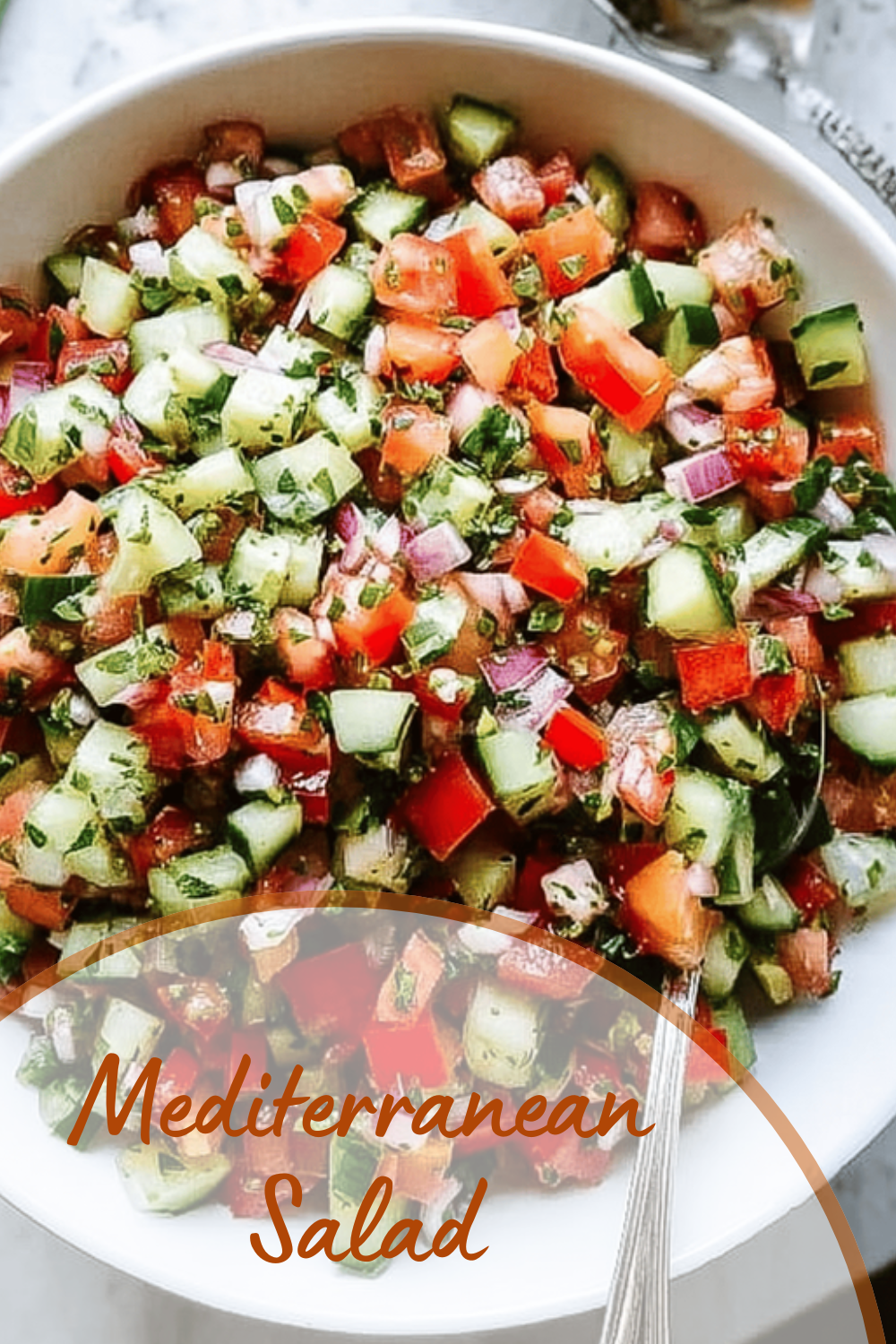
A traditional Mediterranean salad usually includes fresh vegetables like cucumbers, tomatoes, red onions, and bell peppers. It also often contains kalamata olives, feta cheese, and fresh herbs such as parsley or oregano. The salad is dressed with simple ingredients like extra virgin olive oil, red wine vinegar, salt, and pepper. Some variations include chickpeas or capers for added texture and protein.
Is Mediterranean salad good for weight loss?
Yes, Mediterranean salad can support weight loss as part of a balanced diet. It’s rich in vegetables and healthy fats from olive oil and olives, which promote satiety and nutrient density without excess calories. Since it emphasizes whole foods and avoids processed ingredients, it helps maintain steady energy levels and reduces unhealthy snacking.
Can I eat Mediterranean salad on a keto diet?
Mediterranean salad can fit into a keto diet if you avoid high-carb ingredients like chickpeas or certain dressings with added sugars. Focus on leafy greens, low-carb veggies like cucumbers, olives, and feta cheese. Use extra virgin olive oil and vinegar for dressing. This keeps the salad low in carbohydrates while providing healthy fats and fiber.
How should I store leftover Mediterranean salad?
To keep leftover Mediterranean salad fresh, store it in an airtight container in the refrigerator. If the salad contains dressing, it’s best to keep the dressing separate and toss it just before serving to prevent sogginess. Consume within 1–2 days for the best texture and taste.
What are the health benefits of eating Mediterranean salad regularly?
Eating Mediterranean salad regularly can provide various health benefits including improved heart health from olive oil’s healthy fats, better digestion thanks to its high fiber content, and reduced inflammation due to antioxidants found in fresh vegetables and herbs. Incorporating Mediterranean salad into your meals encourages a nutrient-rich, balanced diet.
Mediterranean Salad
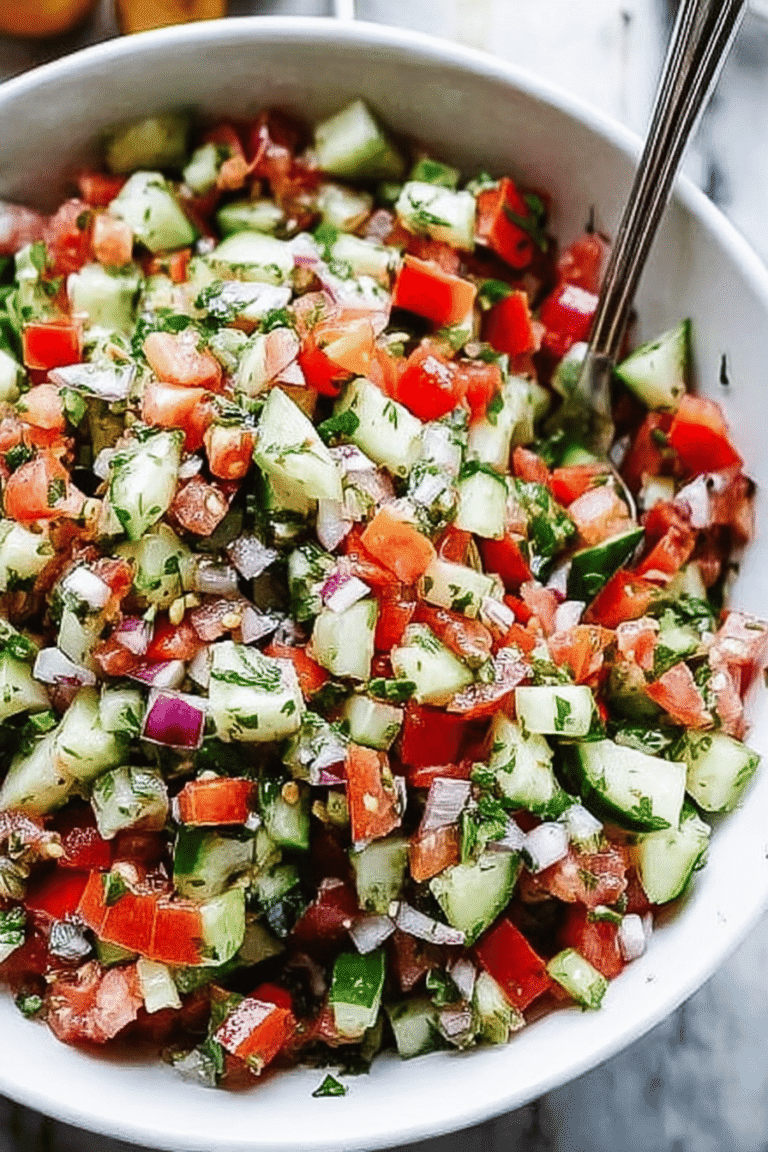
🥗 This Mediterranean Salad features fresh vegetables and classic dressings, delivering a refreshing, nutrient-rich meal option.
🍅 Perfect for quick preparation and healthy eating, it fits well within the Mediterranean diet principles for balanced nutrition.
- Total Time: 10 minutes
- Yield: 4 servings
Ingredients
– 1 English cucumber, cut into 1/2 inch half moons
– 4 Roma tomatoes, cut in half and then cut into 1/2 inch pieces
– 1/2 red onion, cut into thin slices
– 1 cup kalamata olives, pitted and cut in half
– 4 ounces feta cheese, cut into 1/2 inch cubes
– 2 tablespoons olive oil
– 2 tablespoons red wine vinegar
– 1 teaspoon Greek oregano
– 1/2 teaspoon kosher salt
– A dash of freshly ground black pepper
Instructions
1-First Step: Prepping the Vegetables Start with the vegetables as they form the base of your salad. Wash and dice the fresh items like the English cucumber into 1/2 inch half moons and the Roma tomatoes into 1/2 inch pieces. This quick prep ensures everything is fresh and adds to the salad’s vibrant appeal, making it easier to combine later. Once diced, slice the red onion thinly for that sharp, colorful touch. Don’t forget to pit and halve the kalamata olives, as this step enhances their briny flavor without overwhelming the dish. These actions set the stage for a balanced mix that highlights the best of Mediterranean ingredients.
2-Second Step: Combining the Ingredients Now, add the prepped vegetables to a large bowl for even distribution. Toss in the cucumber, tomatoes, red onion, kalamata olives, and feta cheese cubes to create a colorful base. This combination brings together crispness, juiciness, and creaminess in every bite, forming the heart of the salad. Gently mix these elements to ensure balanced flavors throughout. The feta adds a tangy contrast that pairs well with the veggies, while the olives provide a salty note that ties everything together nicely.
3-Third Step: Adding the Dressing Drizzle in 2 tablespoons of olive oil and 2 tablespoons of red wine vinegar over the mixture. Sprinkle on 1 teaspoon of Greek oregano, 1/2 teaspoon of kosher salt, and a dash of freshly ground black pepper to enhance the taste. These simple additions create a light vinaigrette that coats the ingredients perfectly. Adjust the amounts based on your preferences, especially if you’re aiming for a lighter or customized version. The olive oil brings healthy fats, while the vinegar adds the acidity needed for that classic Mediterranean zing.
4-Final Steps: Tossing and Serving Gently toss the salad to coat all components evenly, taking care not to break apart the feta cubes. Serve it right away for the freshest texture and flavor, as waiting can soften the veggies. If you’re planning ahead, refrigerate for up to 2 hours to let the tastes meld, but this salad shines when eaten fresh. For dietary adaptations, such as vegan options, simply omit the cheese and adjust the dressing accordingly. This method keeps the preparation quick and adaptable, aligning with the salad’s overall health benefits from its nutrient-packed ingredients. Remember, variations like adding cooked bow tie pasta can turn this into a heartier pasta salad, while garbanzo beans make it more filling. As you prepare, think about how this simple dish promotes overall health, making it a staple for busy lifestyles. For more on healthy meal ideas, explore our classic dressings guide for tips on perfecting your vinaigrettes.
Last Step:
Please leave a rating and comment letting us know how you liked this recipe! This helps our business to thrive and continue providing free, high-quality recipes for you.Notes
🥒 Use unpeeled cucumbers and slice red onions thinly for ideal texture and appearance.
🧀 Cube or crumble feta cheese according to your preference for a uniform look or rustic feel.
🍋 Red wine vinegar balances the olive oil and herbs, creating a simple but flavorful dressing.
- Prep Time: 10 minutes
- Category: Salad
- Method: Tossing
- Cuisine: Mediterranean
- Diet: Keto-Friendly, Vegetarian
Nutrition
- Serving Size: 0.85 cup
- Calories: 125 kcal
- Sugar: 2 grams
- Sodium: 246 mg
- Fat: 10 grams
- Saturated Fat: 2 grams
- Unsaturated Fat: 2 grams
- Trans Fat: 0 grams
- Carbohydrates: 6 grams
- Fiber: 1 gram
- Protein: 4 grams
- Cholesterol: 8 mg