
Why You’ll Love This Lemon Curd
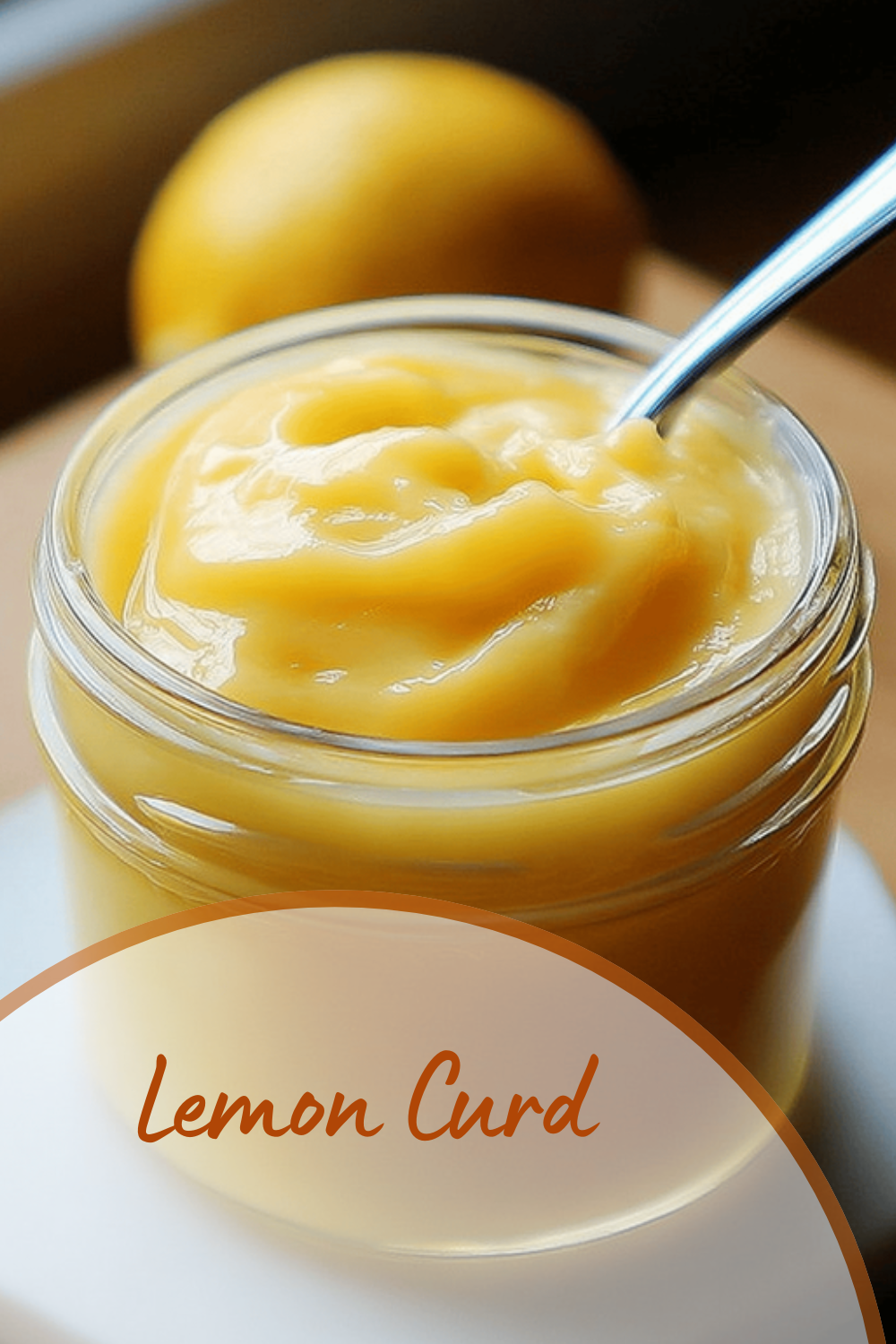
If you’re looking for a simple treat that packs a punch of flavor, this lemon curd recipe is sure to become a favorite in your kitchen. It’s quick to make and brings a bright, tangy twist to your meals, perfect for those who enjoy easy lemon desserts. Made with fresh ingredients, it offers a smooth texture that’s hard to resist, whether you’re a beginner or someone who loves experimenting with recipes.
One of the best parts about this lemon curd is how easy it is to prepare. You can whip it up in under 30 minutes, which makes it ideal for busy parents or students needing a fast snack. Not only does it taste amazing, but it’s also packed with fresh lemon juice that provides vitamin C and antioxidants for a healthy boost.
The versatility of lemon curd is another reason it’ll quickly become a go-to. You can adapt it for different diets, like using plant-based swaps for a vegan version, and pair it with everything from yogurt to baked goods. Its sweet and tart balance creates a refreshing flavor that elevates everyday dishes without much fuss.
Key Benefits and Uses
This recipe uses natural elements like fresh lemons and eggs to deliver a wholesome option compared to store-bought spreads. For health-conscious folks, it’s a great source of nutrients while still satisfying cravings. Food enthusiasts will appreciate how it adapts to seasonal ingredients, making it a fun project for home cooks of all levels.
As a topping or filling, lemon curd works wonders on items like cakes or toast, adding that extra zing. Baking enthusiasts might even use it in recipes such as those found on our site, like delicious blueberry-banana muffins to create a tangy surprise inside. Overall, this lemon curd is all about bringing joy to your table with minimal effort.
Jump to:
- Why You’ll Love This Lemon Curd
- Key Benefits and Uses
- Essential Ingredients for Lemon Curd
- Special Dietary Options
- How to Prepare the Perfect Lemon Curd: Step-by-Step Guide
- Tips for Success
- Dietary Substitutions to Customize Your Lemon Curd
- More Ideas for Customization
- Mastering Lemon Curd: Advanced Tips and Variations
- Pro Techniques and Storage
- How to Store Lemon Curd: Best Practices
- Practical Tips for Everyday Use
- FAQs: Frequently Asked Questions About Lemon Curd
- Can I use bottled lemon juice instead of fresh lemons for lemon curd?
- How long does homemade lemon curd last in the fridge and can I freeze it?
- Is it necessary to cook lemon curd in a double boiler?
- What can cause lemon curd to taste metallic and how can I avoid it?
- Can I make lemon curd using other citrus fruits besides lemons?
- Lemon Curd
- Ingredients
- Instructions
- Last Step:
- Notes
- Nutrition
- Did you make this recipe?
Essential Ingredients for Lemon Curd
Gathering the right ingredients is the first step to making perfect lemon curd. This section lists everything you need, based on a classic recipe that focuses on fresh, high-quality items. By using precise measurements, you’ll get consistent results every time, making it simple for beginners and pros alike.
- 4 large egg yolks (for a thicker curd, replace 2 yolks with 1 whole egg)
- 2/3 cup granulated sugar (134g)
- 1 tablespoon lemon zest (from about 1 lemon)
- 1/3 cup fresh lemon juice (80ml, from about 2-3 lemons)
- 1/8 teaspoon salt
- 6 tablespoons unsalted butter (85g), cut into 6 pieces
These ingredients create a creamy, tangy spread that’s full of flavor. Fresh lemons are key for that vibrant taste, so always opt for the real deal. This setup is naturally gluten-free and can be tweaked for other diets, like vegan options with plant-based butter.
Special Dietary Options
For those watching their intake, you can swap sugar for low-calorie alternatives to keep things light. If you’re making it vegan, try cornstarch as a thickener instead of eggs. This flexibility makes lemon curd a hit for diet-conscious individuals and busy families.
| Ingredient | Role in Recipe | Dietary Alternative |
|---|---|---|
| Egg yolks | Thickens and adds richness | Aquafaba for vegan versions |
| Granulated sugar | Balances tartness | Erythritol for low-calorie |
| Unsalted butter | Provides creaminess | Coconut oil for dairy-free |
This table helps visualize substitutions, making it easier to customize. Remember, fresh lemon juice and zest are essential for the best results, as they bring out that smooth lemon curd quality.
How to Prepare the Perfect Lemon Curd: Step-by-Step Guide
Creating smooth and tasty lemon curd doesn’t have to be complicated. Start by gathering your tools and ingredients to keep things organized. This guide walks you through each part, based on a straightforward method that takes just a few minutes of prep.
First, fill the bottom pot of a double boiler with 1-2 inches of water and bring it to a boil, then reduce to a simmer. In the top pot, combine the egg yolks, granulated sugar, lemon zest, lemon juice, and salt. Whisk everything together until it’s well mixed, setting the stage for a creamy texture.
Next, place the top pot over the simmering water and whisk constantly for about 10 minutes until the mixture thickens to a hollandaise-like consistency. This step is crucial to avoid any lumps and ensure your lemon curd turns out just right. Once thickened, remove from heat and add the butter pieces, whisking until they’re fully melted and blended in.
After that, transfer the curd to a container and cover it with plastic wrap to stop a skin from forming as it cools. Let it sit at room temperature before refrigerating; it will thicken more as it chills. The whole process, including prep and cook time, takes about 1 hour and 15 minutes, making it perfect for a quick dessert project.
Tips for Success
Always use fresh lemons for the zest and juice to get that bright flavor mentioned in our recipe summary. If you don’t have a double boiler, a heatproof glass bowl over a pot works fine. For extra smoothness, strain the curd if you like, though the zest adds a nice touch. This method prevents burning and keeps things simple for home cooks.
Once ready, you can use this lemon curd in various ways, such as filling for apple-oat muffins or as a spread. It’s a versatile addition that’s great for party hosts looking to impress.
Nutritional notes: Lemon curd tends to be high in calories from butter and eggs, offering a sweet-tart mix that’s enjoyable in moderation. For more ideas, check out this Perfect Lemon Curd Recipe for similar techniques.

Dietary Substitutions to Customize Your Lemon Curd
Making lemon curd fit your needs is easy with a few swaps. Whether you’re vegan or cutting calories, these changes keep the tangy spread delicious. Start by considering the main components and how to adjust them without losing that smooth lemon curd essence.
For the eggs, which provide structure, you can use cornstarch or arrowroot powder for a plant-based version. This keeps the curd thick and creamy while meeting dairy-free requirements. Butter can be replaced with coconut oil or vegan margarine to make it suitable for more diets.
When it comes to flavors, add herbs like mint for a fresh twist or try different citrus for variety. Sweeteners like stevia help balance things for those watching sugar intake. These adaptations ensure everyone from working professionals to seniors can enjoy a personalized treat.
More Ideas for Customization
Experimenting with ingredients makes lemon curd fun and adaptable. For instance, incorporating orange zest can create a new flavor, as suggested in our tips. This flexibility is ideal for food enthusiasts and travelers seeking familiar tastes with a twist.
This recipe’s beauty lies in its simplicity you can tweak it to fit your lifestyle while keeping that tangy lemon dessert vibe intact.
Overall, these substitutions maintain the core of the recipe, making it accessible for all skill levels.
Mastering Lemon Curd: Advanced Tips and Variations
Once you’re comfortable with the basics, dive into advanced techniques to elevate your lemon curd. Using a double boiler ensures even cooking and a silky texture, so always stir constantly to avoid issues. For a thicker result, let it cool fully before using, or add more juice for a lighter version.
Flavor variations are where things get exciting try adding vanilla or ginger for depth. You can also swap lemons for limes or oranges, as mentioned in our recipe summary, to create unique twists. This opens up possibilities for pairing with other recipes, like smoothies or baked goods.
Presentation is key for party hosts; serve in jars with fruit on top for a nice look. Make-ahead options let you prepare batches in advance, storing them for up to a week in the fridge or months in the freezer. These tips help baking enthusiasts perfect their craft with ease.
Pro Techniques and Storage
Be patient during cooking, as it might take a bit longer for some batches to thicken. For non-dairy versions, plant-based butter works well, though you may need to test for the best results. Lemon curd’s versatility means it can star in desserts or snacks, enhancing everyday moments.
Learning from resources like How to Use Lemon Zest can add even more value to your creations.
How to Store Lemon Curd: Best Practices
Proper storage keeps your lemon curd fresh and tasty for longer. After cooling, place it in an airtight container in the fridge, where it lasts up to 10 days as per our recipe details. This simple step helps maintain its smooth texture and prevents any spoilage.
For longer-term needs, freeze it in freezer-safe jars, leaving room for expansion, and thaw overnight in the fridge. Reheating should be done gently in a double boiler to keep the consistency intact. These practices make meal prep straightforward for busy families and professionals.
Practical Tips for Everyday Use
Divide into smaller portions for easy access, which is great for quick snacks or additions to breakfast. Storing in the right way ensures you can enjoy that tangy spread anytime, whether on toast or in recipes.
FAQs: Frequently Asked Questions About Lemon Curd
Can I use bottled lemon juice instead of fresh lemons for lemon curd?
For the best flavor and texture, it’s recommended to use fresh-squeezed lemon juice when making lemon curd. Bottled lemon juice often contains preservatives and may have a less vibrant taste, which can affect the overall quality of the curd. Fresh juice provides the bright, tangy flavor that defines a good lemon curd.
How long does homemade lemon curd last in the fridge and can I freeze it?
Homemade lemon curd can be stored in an airtight container in the refrigerator for up to 10 days. For longer storage, lemon curd freezes well for 3 to 6 months. When ready to use, thaw it overnight in the fridge and stir well before serving to restore its creamy consistency.
Is it necessary to cook lemon curd in a double boiler?
Yes, cooking lemon curd in a double boiler or using a heatproof bowl over simmering water helps prevent the curd from burning or curdling. Direct heat can cause the eggs to overcook quickly, resulting in a grainy texture. This gentle cooking method ensures a smooth and creamy lemon curd.
What can cause lemon curd to taste metallic and how can I avoid it?
A metallic taste in lemon curd often comes from cooking it in reactive metal pans or double boilers. Acidic lemon juice and eggs can react with metals like aluminum or unlined copper, causing this off-flavor. To prevent this, use non-reactive cookware such as stainless steel, glass, or enameled pots.
Can I make lemon curd using other citrus fruits besides lemons?
Yes, you can substitute other citrus fruits like limes, oranges, or grapefruits to make different flavored curds using the same method. Keep in mind that the tartness and sweetness vary by fruit, so you may need to adjust the sugar quantity to balance the flavor effectively.
Lemon Curd
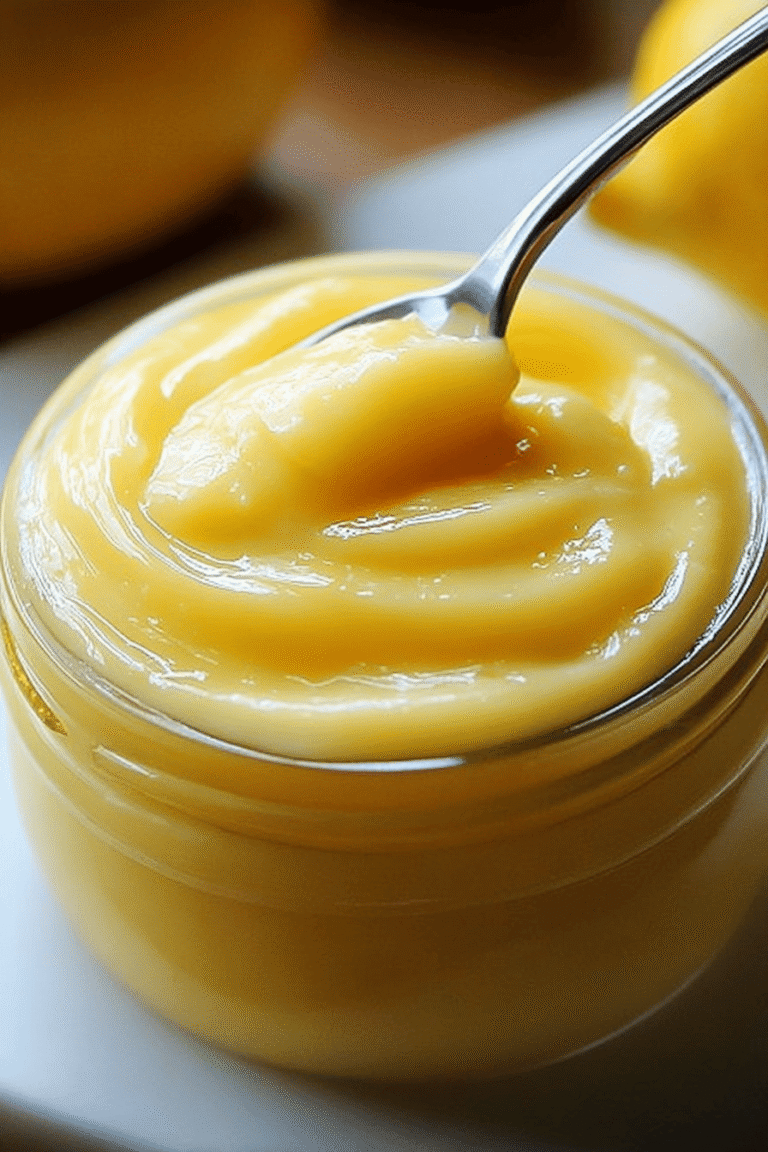
🍋 This Lemon Curd Recipe offers a smooth and tangy dessert spread that’s easy to make with simple ingredients.
🥄 Perfect for adding bright citrus flavor to cakes, tarts, or toast, it provides a creamy, versatile topping or filling.
- Total Time: 1 hour 15 minutes
- Yield: About 1 cup 1x
Ingredients
4 large egg yolks for a thicker curd, replace 2 yolks with 1 whole egg
2/3 cup granulated sugar balances tartness
1 tablespoon lemon zest
1/3 cup fresh lemon juice
1/8 teaspoon salt
6 tablespoons unsalted butter provides creaminess
Instructions
1-First, fill the bottom pot of a double boiler with 1-2 inches of water and bring it to a boil, then reduce to a simmer. In the top pot, combine the egg yolks, granulated sugar, lemon zest, lemon juice, and salt. Whisk everything together until it’s well mixed, setting the stage for a creamy texture.
2-Next, place the top pot over the simmering water and whisk constantly for about 10 minutes until the mixture thickens to a hollandaise-like consistency. This step is crucial to avoid any lumps and ensure your lemon curd turns out just right. Once thickened, remove from heat and add the butter pieces, whisking until they’re fully melted and blended in.
3-After that, transfer the curd to a container and cover it with plastic wrap to stop a skin from forming as it cools. Let it sit at room temperature before refrigerating; it will thicken more as it chills. The whole process, including prep and cook time, takes about 1 hour and 15 minutes, making it perfect for a quick dessert project.
Last Step:
Please leave a rating and comment letting us know how you liked this recipe! This helps our business to thrive and continue providing free, high-quality recipes for you.Notes
🍋 Use fresh lemons for zest and juice to ensure vibrant flavor; avoid bottled juice.
🍲 Always cook the curd in a double boiler or heatproof bowl over simmering water to prevent burning.
🥄 Whisk continuously to avoid curdling and achieve a smooth, thick texture.
- Prep Time: 5 minutes
- Cooling Time: 1 hour
- Cook Time: 10 minutes
- Category: Dessert, Spread
- Method: Double Boiler, Whisking
- Cuisine: American
Nutrition
- Serving Size: 2 tablespoons