
Why You’ll Love This Chicken Curry
Chicken curry is one of those dishes that brings warmth and excitement to any meal, making it a go-to favorite for busy families and food lovers alike. Imagine the rich, aromatic spices mingling with tender chicken pieces, creating a meal that’s both satisfying and easy to whip up on a weekday evening. This recipe stands out because it delivers bold flavors without overwhelming your kitchen time, perfect for home cooks who want something special without the fuss.
- Ease of preparation: This chicken curry comes together in just about 30 minutes of active cooking, using straightforward steps that even beginners can master. You’ll appreciate how simple ingredients blend into a delicious dish, saving you time for other activities like family game night or relaxing after a long day. With minimal prep and common pantry staples, it’s an ideal choice for busy parents and working professionals looking for a quick yet flavorful meal.
- Health benefits: Packed with spices and lean protein, this chicken curry supports a balanced diet by offering nutrients that boost immunity and aid digestion. The turmeric and ginger in the mix provide anti-inflammatory properties that can help with everyday wellness, as noted in discussions about healthy eating on sites like health benefits of chicken. It’s a great option for diet-conscious individuals seeking meals that taste amazing while promoting better health through natural ingredients.
- Versatility: Whether you’re adapting for dietary needs or changing up the spices, this recipe flexes to fit various preferences, from mild family dinners to spicier versions for adventurous eaters. It’s easy to tweak for vegans or those watching calories, making it suitable for students, seniors, or anyone exploring new flavors. This adaptability means you can enjoy chicken curry as a comforting staple no matter your lifestyle.
- Distinctive flavor: What sets this chicken curry apart is the harmonious blend of spices that create a depth of taste that’s both comforting and exciting. Each bite offers a perfect balance of heat and creaminess, with fresh herbs adding a bright finish that elevates the whole experience. It’s that unique combination that keeps food enthusiasts coming back for more, turning a simple dinner into a memorable event.
This recipe not only simplifies your cooking routine but also adds a touch of global flair to your table, making it a hit for gatherings or quiet nights in. By focusing on fresh, accessible ingredients, you’ll find that chicken curry becomes a reliable favorite that supports healthy habits and creative cooking.
Jump to:
- Why You’ll Love This Chicken Curry
- Essential Ingredients for Chicken Curry
- How to Prepare the Perfect Chicken Curry: Step-by-Step Guide
- First Step: Prepare Your Ingredients
- Second Step: Heat the Oil and Sauté the Base
- Third Step: Add Spices and Create the Sauce
- Fourth Step: Cook the Chicken
- Fifth Step: Finish and Serve
- Dietary Substitutions to Customize Your Chicken Curry
- Protein and Main Component Alternatives
- Vegetable, Sauce, and Seasoning Modifications
- Mastering Chicken Curry: Advanced Tips and Variations
- Pro Cooking Techniques
- How to Store Chicken Curry: Best Practices
- FAQs: Frequently Asked Questions About Chicken Curry
- What cut of chicken is best for making chicken curry?
- How long should I simmer chicken curry for the best flavor?
- Can I make chicken curry ahead and store it safely?
- What are common spices used in a traditional chicken curry?
- How can I make chicken curry thicker without changing the flavor?
- Chicken Curry
- Ingredients
- Instructions
- Last Step:
- Notes
- Nutrition
- Did you make this recipe?
Essential Ingredients for Chicken Curry
Getting the right ingredients is key to making a delicious chicken curry that’s full of flavor and easy to customize. Below, you’ll find a detailed list of everything needed, complete with precise measurements and a quick explanation of each one’s role. This setup ensures your dish turns out perfectly every time, whether you’re cooking for one or a crowd.
- 1 1/2 pounds chicken breasts, diced into 1 1/4-inch cubes – Provides the main protein, offering tender bites that absorb the spices for a juicy, flavorful result.
- 1 small onion, chopped (about 1 cup) – Adds a sweet, aromatic base that builds the sauce’s foundation and enhances overall depth.
- 4 garlic cloves, minced (about 1 1/2 tablespoons) – Brings a pungent, savory note that boosts the dish’s warmth and complexity.
- 1 tablespoon peeled and minced fresh ginger – Offers a zesty kick that adds freshness and helps with digestion, balancing the spices.
- Olive oil – Used for sautéing, it helps evenly cook the onions and garlic while preventing sticking for a smooth start.
- 3/4 cup canned diced tomatoes, drained or peeled, seeded, diced fresh tomatoes – Creates a tangy base for the sauce, adding moisture and a slight acidity that brightens the flavors.
- 1 cup low-sodium chicken broth – Provides liquid to simmer the curry, keeping it moist and allowing flavors to meld without excess salt.
- 1/3 cup heavy cream (or substitute coconut milk) – Adds creaminess to the sauce, making it rich and silky while offering a dairy-free option for versatility.
- 2 tablespoons chopped fresh cilantro for garnish – Finishes the dish with a fresh, herbaceous touch that enhances presentation and taste.
- 1 teaspoon cornstarch mixed with 2 teaspoons water (optional, for thickening) – Helps adjust the sauce’s consistency if needed, ensuring a perfect texture without altering flavors.
- Salt and cayenne pepper to taste – Seasons the dish and adds adjustable heat, letting you control the spice level based on preference.
- For the spice blend:
- Coriander – Infuses earthy notes that form the curry’s core flavor profile.
- Cumin – Contributes a warm, nutty essence that deepens the overall taste.
- Turmeric – Brings a bright color and anti-inflammatory benefits, adding subtle bitterness.
- Crushed fennel seeds – Offers a sweet, licorice-like hint that balances the heat.
- Cinnamon – Provides a sweet warmth that complements the spices for a layered effect.
- Black pepper – Adds a mild kick and enhances the other flavors’ intensity.
- Ground mustard – Introduces a sharp tang that brightens the blend.
- Ground cloves – Delivers a sweet, aromatic depth that ties everything together.
- Cayenne pepper – Brings adjustable heat for those who enjoy a spicy twist.
- Salt – Balances the spices and enhances the natural tastes of the ingredients.
Special Dietary Options:
- Vegan: Swap chicken breasts with 1 1/2 pounds of chickpeas or tofu for a plant-based protein that holds up well in the sauce.
- Gluten-free: This recipe is naturally gluten-free, but double-check broth and other additions for hidden sources.
- Low-calorie: Use coconut milk instead of heavy cream and reduce oil to keep the meal lighter while maintaining flavor.
How to Prepare the Perfect Chicken Curry: Step-by-Step Guide
Creating a tasty chicken curry at home is simpler than you might think, and this guide walks you through each step to ensure success. Start by gathering all your ingredients for an organized setup, which makes the process enjoyable and stress-free. We’ll cover everything from prepping the spices to simmering the sauce, with tips for adapting along the way.
First Step: Prepare Your Ingredients
Begin by chopping your onion to about 1 cup and mincing the garlic and ginger as specified. This mise en place helps everything move smoothly and prevents rushing later. Dice the chicken breasts into 1 1/4-inch cubes and measure out your spice blend to have it ready, allowing flavors to shine in the final dish.
Second Step: Heat the Oil and Sauté the Base
Heat a splash of olive oil in a large pan over medium heat for about 1-2 minutes until it shimmers. Add the chopped onion, minced garlic, and ginger, stirring for 3-4 minutes until they soften and release their aroma. This step builds a flavorful foundation, and you can adjust the heat to low if you’re making it milder for kids or sensitive palates.
Third Step: Add Spices and Create the Sauce
Sprinkle in your spice blend, including coriander, cumin, turmeric, and the rest, stirring for 1 minute to toast them lightly. Pour in 1 cup of low-sodium chicken broth and 3/4 cup of diced tomatoes, then bring to a simmer. Season with salt and cayenne to taste, letting the mixture cook for 5 minutes to thicken naturally, which works great for low-calorie adaptations.
Fourth Step: Cook the Chicken
Add the 1 1/2 pounds of diced chicken breasts to the pan, stirring to coat them evenly with the sauce. Cover and simmer on low heat for 15-20 minutes, or until the chicken reaches an internal temperature of 165°F. For dietary tweaks, like using tofu, reduce the cooking time by 5 minutes to keep textures just right.
Fifth Step: Finish and Serve
If the sauce needs thickening, stir in the cornstarch mixture and cook for another 2 minutes. Turn off the heat and mix in 1/3 cup of heavy cream or coconut milk for creaminess, then garnish with 2 tablespoons of chopped cilantro. Serve hot with rice or bread; this step takes about 5 minutes and lets you add your own flair for entertaining guests.
Throughout this process, chicken curry comes alive with each simmer, making it a fun recipe for home cooks to experiment with. Remember to taste as you go, adjusting spices for the best results whether you’re feeding a family or prepping for meal prep.

Dietary Substitutions to Customize Your Chicken Curry
One of the best parts of chicken curry is how easy it is to adapt for different needs, ensuring everyone at the table can enjoy it. Here is a look at smart swaps to make the recipe work for you, covering protein options and other tweaks.
Protein and Main Component Alternatives
Swapping the main protein can transform your chicken curry while keeping it delicious and accessible. For instance, try 1 1/2 pounds of tofu for a vegan twist; it absorbs flavors well but may need only 10-15 minutes of cooking to avoid becoming too soft. Paneer works for a cheesy option, requiring similar cooking time as chicken but adding a firmer texture that holds up in the sauce.
Vegetable, Sauce, and Seasoning Modifications
Veggies like carrots or bell peppers can replace onions for a sweeter profile, especially in seasons with fresh produce. For the sauce, swap heavy cream with coconut milk to cut calories, or add more broth for a thinner version that suits low-sodium diets. Adjust seasonings by reducing cayenne for milder tastes and using fresh herbs to enhance flavor without extra salt.
Mastering Chicken Curry: Advanced Tips and Variations
Taking your chicken curry to the next level involves a few expert tricks that make it even more impressive. Here are some ideas to refine your skills and add creativity to this classic dish. With practice, you’ll turn simple ingredients into something extraordinary.
Pro Cooking Techniques
One key technique is toasting spices before adding liquids, which intensifies their flavor and prevents bitterness. For better results, use a heavy-bottomed pan to distribute heat evenly, ensuring the chicken stays tender. If you’re short on time, try batch prepping the spice blend ahead to streamline your routine.
- Flavor variations: Mix in coconut for a Thai-inspired twist or add yogurt for extra creaminess, experimenting with new combinations.
- Presentation tips: Serve in colorful bowls with a sprinkle of cilantro for visual appeal, making it perfect for parties.
- Make-ahead options: Cook in advance and reheat gently to save time on busy days, preserving that fresh taste.
How to Store Chicken Curry: Best Practices
Proper storage keeps your chicken curry tasting great and safe to eat later, which is ideal for meal prep. Follow these guidelines to maintain quality without much effort. It’s a simple way to enjoy homemade meals throughout the week.
| Storage Method | Details |
|---|---|
| Refrigeration | Store in an airtight container for up to 3 days; cool it first to keep flavors intact. |
| Freezing | Freeze in portions for up to 2 months; use freezer-safe bags to avoid freezer burn. |
| Reheating | Reheat on the stove over low heat with a splash of broth to retain moisture and taste. |
| Meal Prep | Divide into single servings for easy lunches, ensuring you add extras like rice separately. |

FAQs: Frequently Asked Questions About Chicken Curry
What cut of chicken is best for making chicken curry?
Boneless, skinless chicken breasts or thighs are commonly used for chicken curry. Breasts cook faster and stay lean, while thighs offer more flavor and remain tender due to their higher fat content. If using thighs, trim excess fat and allow extra cooking time for the meat to become tender without drying out.
How long should I simmer chicken curry for the best flavor?
Simmer chicken curry for at least 20 to 30 minutes on low heat. This allows the spices to meld with the chicken and the sauce to thicken. Simmering longer, up to 45 minutes, can deepen the flavors, especially when using chicken thighs. Avoid cooking too long to prevent the chicken from becoming tough.
Can I make chicken curry ahead and store it safely?
Yes, chicken curry can be made ahead and stored in an airtight container in the refrigerator for up to 3 days. Reheat it thoroughly before serving. For longer storage, freeze the curry in portions for up to 2 months. Thaw overnight in the refrigerator before reheating to maintain its texture and flavor.
What are common spices used in a traditional chicken curry?
Traditional chicken curry often includes spices such as turmeric, cumin, coriander, garam masala, chili powder, and fresh ginger or garlic. These spices create a balanced flavor profile that is aromatic and mildly spicy. Adjust quantities based on your preferred heat level and flavor intensity.
How can I make chicken curry thicker without changing the flavor?
To thicken chicken curry without altering its flavor, simmer uncovered to reduce excess liquid. Adding ground nuts like cashews or almond paste can also thicken the sauce naturally. Another option is to blend part of the cooked onions or tomatoes used in the recipe to create a richer texture without changing the taste.
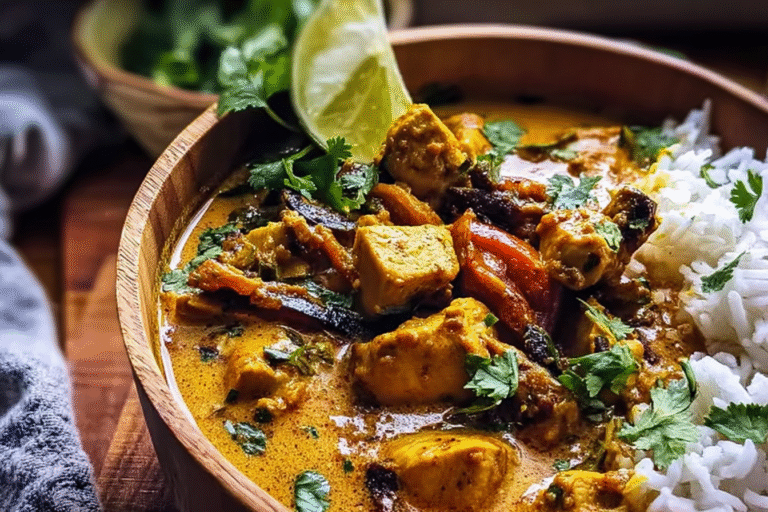
Chicken Curry
🍛 Chicken Curry Recipes Made Simple and Full of Flavor bring the richness of traditional spices with an easy preparation method for a comforting meal.
🌿 With fresh herbs and a balanced blend of warm spices, this chicken curry delivers a hearty, satisfying dish that’s perfect for any weeknight.
- Total Time: 40 minutes
- Yield: 4 servings 1x
Ingredients
1 1/2 pounds chicken breasts diced into 1 1/4-inch cubes Provides the main protein, offering tender bites that absorb the spices for a juicy, flavorful result
1 small onion chopped (about 1 cup) Adds a sweet, aromatic base that builds the sauce’s foundation and enhances overall depth
4 garlic cloves minced (about 1 1/2 tablespoons) Brings a pungent, savory note that boosts the dish’s warmth and complexity
1 tablespoon peeled and minced fresh ginger Offers a zesty kick that adds freshness and helps with digestion, balancing the spices
Olive oil Used for sautéing, it helps evenly cook the onions and garlic while preventing sticking for a smooth start
3/4 cup canned diced tomatoes drained or peeled, seeded, diced fresh tomatoes Creates a tangy base for the sauce, adding moisture and a slight acidity that brightens the flavors
1 cup low-sodium chicken broth Provides liquid to simmer the curry, keeping it moist and allowing flavors to meld without excess salt
1/3 cup heavy cream (or substitute coconut milk) Adds creaminess to the sauce, making it rich and silky while offering a dairy-free option for versatility
2 tablespoons chopped fresh cilantro for garnish Finishes the dish with a fresh, herbaceous touch that enhances presentation and taste
1 teaspoon cornstarch mixed with 2 teaspoons water (optional, for thickening) Helps adjust the sauce’s consistency if needed, ensuring a perfect texture without altering flavors
Salt and cayenne pepper to taste Seasons the dish and adds adjustable heat, letting you control the spice level based on preference
Coriander Infuses earthy notes that form the curry’s core flavor profile
Cumin Contributes a warm, nutty essence that deepens the overall taste
Turmeric Brings a bright color and anti-inflammatory benefits, adding subtle bitterness
Crushed fennel seeds Offers a sweet, licorice-like hint that balances the heat
Cinnamon Provides a sweet warmth that complements the spices for a layered effect
Black pepper Adds a mild kick and enhances the other flavors’ intensity
Ground mustard Introduces a sharp tang that brightens the blend
Ground cloves Delivers a sweet, aromatic depth that ties everything together
Cayenne pepper Brings adjustable heat for those who enjoy a spicy twist
Salt Balances the spices and enhances the natural tastes of the ingredients
Instructions
1-First Step: Prepare Your Ingredients Begin by chopping your onion to about 1 cup and mincing the garlic and ginger as specified. This mise en place helps everything move smoothly and prevents rushing later. Dice the chicken breasts into 1 1/4-inch cubes and measure out your spice blend to have it ready, allowing flavors to shine in the final dish.
2-Second Step: Heat the Oil and Sauté the Base Heat a splash of olive oil in a large pan over medium heat for about 1-2 minutes until it shimmers. Add the chopped onion, minced garlic, and ginger, stirring for 3-4 minutes until they soften and release their aroma. This step builds a flavorful foundation, and you can adjust the heat to low if you’re making it milder for kids or sensitive palates.
3-Third Step: Add Spices and Create the Sauce Sprinkle in your spice blend, including coriander, cumin, turmeric, and the rest, stirring for 1 minute to toast them lightly. Pour in 1 cup of low-sodium chicken broth and 3/4 cup of diced tomatoes, then bring to a simmer. Season with salt and cayenne to taste, letting the mixture cook for 5 minutes to thicken naturally, which works great for low-calorie adaptations.
4-Fourth Step: Cook the Chicken Add the 1 1/2 pounds of diced chicken breasts to the pan, stirring to coat them evenly with the sauce. Cover and simmer on low heat for 15-20 minutes, or until the chicken reaches an internal temperature of 165°F. For dietary tweaks, like using tofu, reduce the cooking time by 5 minutes to keep textures just right.
5-Fifth Step: Finish and Serve If the sauce needs thickening, stir in the cornstarch mixture and cook for another 2 minutes. Turn off the heat and mix in 1/3 cup of heavy cream or coconut milk for creaminess, then garnish with 2 tablespoons of chopped cilantro. Serve hot with rice or bread; this step takes about 5 minutes and lets you add your own flair for entertaining guests.
Last Step:
Please leave a rating and comment letting us know how you liked this recipe! This helps our business to thrive and continue providing free, high-quality recipes for you.Notes
🌶️ Adjust cayenne pepper to control the heat level of the curry.
🥄 Use cornstarch slurry to nicely thicken the sauce without altering flavors.
🌿 Fresh cilantro adds a bright, fresh finish to balance the rich spices.
- Prep Time: 10 minutes
- Cook Time: 30 minutes
- Cook Time: 30 minutes
- Category: Main Course
- Method: Sautéing, Simmering
- Cuisine: Indian-inspired
Nutrition
- Serving Size: 1 serving