
Why You’ll Love This Red Pepper Pasta
Imagine coming home after a long day and whipping up a delicious red pepper pasta dish in just about 30 minutes. This recipe combines the smoky sweetness of roasted red peppers with a creamy sauce that’s both comforting and full of flavor, making it a go-to meal for busy families. Let’s dive into what makes this red pepper pasta such a winner for home cooks and food lovers alike.
- Ease of preparation: One of the best things about this red pepper pasta recipe is how simple it is to put together, especially with ingredients you might already have on hand. With only about 10 minutes of prep and 20 minutes of cooking, it’s perfect for busy parents or students who need a quick dinner without sacrificing taste. This approach keeps things straightforward, allowing you to enjoy a homemade meal even on your busiest nights.
- Health benefits: Roasted red pepper pasta brings in the goodness of red peppers, packed with vitamins C and A, which support your immune system and eye health. Using fresh herbs like basil adds a burst of antioxidants, making this dish a smart choice for diet-conscious individuals looking for a balanced meal. Plus, you can easily tweak it with veggies to boost nutrition, keeping it light yet satisfying for everyday eating.
- Versatility: This red pepper pasta adapts to all kinds of dietary needs, from adding proteins like chicken for a heartier option to making it dairy-free with plant-based swaps. Whether you’re a student experimenting in the kitchen or a working professional prepping meals ahead, it’s easy to customize for different tastes and occasions. That flexibility makes it a favorite among food enthusiasts who love mixing things up.
- Distinctive flavor: The creamy sauce in this roasted red pepper pasta recipe really stands out, thanks to caramelized shallots that add a sweet, deep note mixed with the bright pop of fresh herbs. It’s that perfect blend of rich and zesty that elevates a simple pasta into something special, delighting everyone from newlyweds to seniors. Once you try this, it’ll become your go-to red pepper pasta for family gatherings or a quiet night in.
This roasted red pepper pasta not only satisfies your cravings but also fits into various lifestyles, making it a reliable recipe you’ll return to time and again. By incorporating elements like fresh basil, you enhance the overall experience while keeping it approachable for all skill levels.
Jump to:
- Why You’ll Love This Red Pepper Pasta
- Essential Ingredients for Red Pepper Pasta
- How to Prepare the Perfect Red Pepper Pasta: Step-by-Step Guide
- First Step: Prepare the Red Pepper Puree
- Second Step: Caramelize the Shallots
- Third Step: Cook the Pasta
- Fourth Step: Combine and Warm the Sauce
- Fifth Step: Add Cream and Simmer
- Sixth Step: Mix in the Pasta
- Final Step: Serve and Enjoy
- Dietary Substitutions to Customize Your Red Pepper Pasta
- Protein and Main Component Alternatives
- Vegetable, Sauce, and Seasoning Modifications
- Mastering Red Pepper Pasta: Advanced Tips and Variations
- Pro Cooking Techniques
- Flavor Variations
- How to Store Red Pepper Pasta: Best Practices
- FAQs: Frequently Asked Questions About Red Pepper Pasta
- How can I make red pepper pasta without dairy?
- What proteins pair well with red pepper pasta?
- What vegetables can I add to red pepper pasta for more nutrition?
- Can I use chicken broth instead of water in the red pepper pasta sauce?
- How do I store and reheat leftover red pepper pasta safely?
- Red Pepper Pasta
- Ingredients
- Instructions
- Last Step:
- Notes
- Nutrition
- Did you make this recipe?
Essential Ingredients for Red Pepper Pasta
Creating the perfect red pepper pasta starts with gathering the right ingredients, each playing a key role in building that creamy, flavorful sauce. Below is a detailed list of everything you’ll need, complete with precise measurements and a quick explanation of why each one matters. This setup ensures your red pepper pasta turns out just right every time.
- 1/2 cup roasted red peppers (jarred, drained; approximately 3-5 pieces) – These form the base of the sauce, providing a smoky and sweet flavor that’s essential for that authentic roasted red pepper taste.
- 3/4 cup water – Used to blend the peppers into a smooth puree, helping to achieve the right consistency without diluting the flavors.
- 1/2 teaspoon broth base (concentrated paste or powder) – Adds a savory depth to the sauce; if you don’t have it, you can swap in broth for a similar effect.
- 2 tablespoons butter – Helps sauté the shallots and enriches the sauce, giving it a luxurious creaminess that ties everything together.
- 1 large shallot, thinly sliced – Brings a mild onion flavor with a touch of sweetness when caramelized, enhancing the overall profile of your red pepper pasta.
- 3/4 cup heavy cream – Creates the creamy texture that makes this dish so indulgent; it’s key for that rich, coating sauce on your pasta.
- 8 ounces pasta (pennoni, rigatoni, or penne recommended) – Choose a sturdy shape to hold the sauce well, making each bite of this red pepper pasta more enjoyable.
- 1/2 cup reserved pasta water (optional, as needed for consistency) – Helps adjust the sauce’s thickness, ensuring it coats the pasta perfectly without becoming too heavy.
- 1/4 cup grated Parmesan cheese (for toppings) – Adds a salty, nutty finish that boosts the richness; it’s a simple way to elevate your red pepper pasta.
- Fresh basil leaves (for toppings) – Provides a fresh, herbal note that brightens the dish and complements the roasted red peppers beautifully.
- Red pepper flakes (for toppings, amount as desired) – Offers a hint of heat for those who like a spicy kick in their red pepper pasta.
For special dietary options, consider these adjustments to make your red pepper pasta more inclusive:
- Vegan: Swap butter for a plant-based alternative and use coconut cream instead of heavy cream; skip the Parmesan or opt for a vegan cheese.
- Gluten-free: Select gluten-free pasta varieties to keep the structure of your red pepper pasta intact while accommodating gluten sensitivities.
- Low-calorie: Reduce the amount of heavy cream and butter, or use low-fat versions to lighten up this red pepper pasta without losing flavor.
How to Prepare the Perfect Red Pepper Pasta: Step-by-Step Guide
Getting ready to make this roasted red pepper pasta is like setting the stage for a flavorful adventure in your kitchen. Start by pulling together all your ingredients, known as mise en place, to make the process smooth and enjoyable. This red pepper pasta recipe takes about 30 minutes total, so let’s break it down step by step for the best results. Remember to adapt these steps based on dietary preferences, like using plant-based cream for a dairy-free version.
First Step: Prepare the Red Pepper Puree
Begin by blending the roasted red peppers, water, and broth base until you have a completely smooth puree. This step, which takes just a couple of minutes, forms the heart of your red pepper pasta sauce and infuses it with that signature smoky flavor. If you’re aiming for a vegetarian twist, ensure your broth base aligns with your needs to keep things versatile.
Second Step: Caramelize the Shallots
Next, melt the butter in a skillet over medium heat and add the thinly sliced shallot. Sauté them for 10-15 minutes until they turn lightly golden and caramelized, building a sweet base that enhances the overall taste of your red pepper pasta. This process adds depth, so keep an eye on the heat to avoid burning, and consider adding a protein like shrimp here for extra nutrition.
Third Step: Cook the Pasta
While the shallots cook, bring a pot of salted water to a boil and add the pasta, following the package directions until it’s al dente. This usually takes around 8-10 minutes, depending on the type you choose, like pennoni for a hearty bite. Before draining, reserve 1/2 cup of the pasta water to help adjust the sauce’s consistency later, making your red pepper pasta just right.
Fourth Step: Combine and Warm the Sauce
Once the shallots are ready, reduce the skillet heat to low and stir in the red pepper puree. Warm it briefly for about 1-2 minutes to blend the flavors, creating a base that’s ready for the cream. If you want to add vegetables like spinach, this is a great moment to wilt them in, boosting the health benefits of your red pepper pasta.
Fifth Step: Add Cream and Simmer
Now, pour in the heavy cream and gently simmer the mixture until the sauce thickens slightly, which should take 2-3 minutes. Stir occasionally to prevent sticking, and taste as you go to ensure it’s perfectly seasoned for your red pepper pasta. For lactose-free options, swap in lactose-free cream to maintain that creamy texture without issues.
Sixth Step: Mix in the Pasta
Add the drained pasta to the skillet and stir everything together to coat the noodles evenly with the sauce. If the mixture seems too thick, gradually add some of the reserved pasta water until you reach your desired consistency, which might take just a minute or two. This step is where you can get creative, like mixing in grilled chicken for added protein in your red pepper pasta.
Final Step: Serve and Enjoy
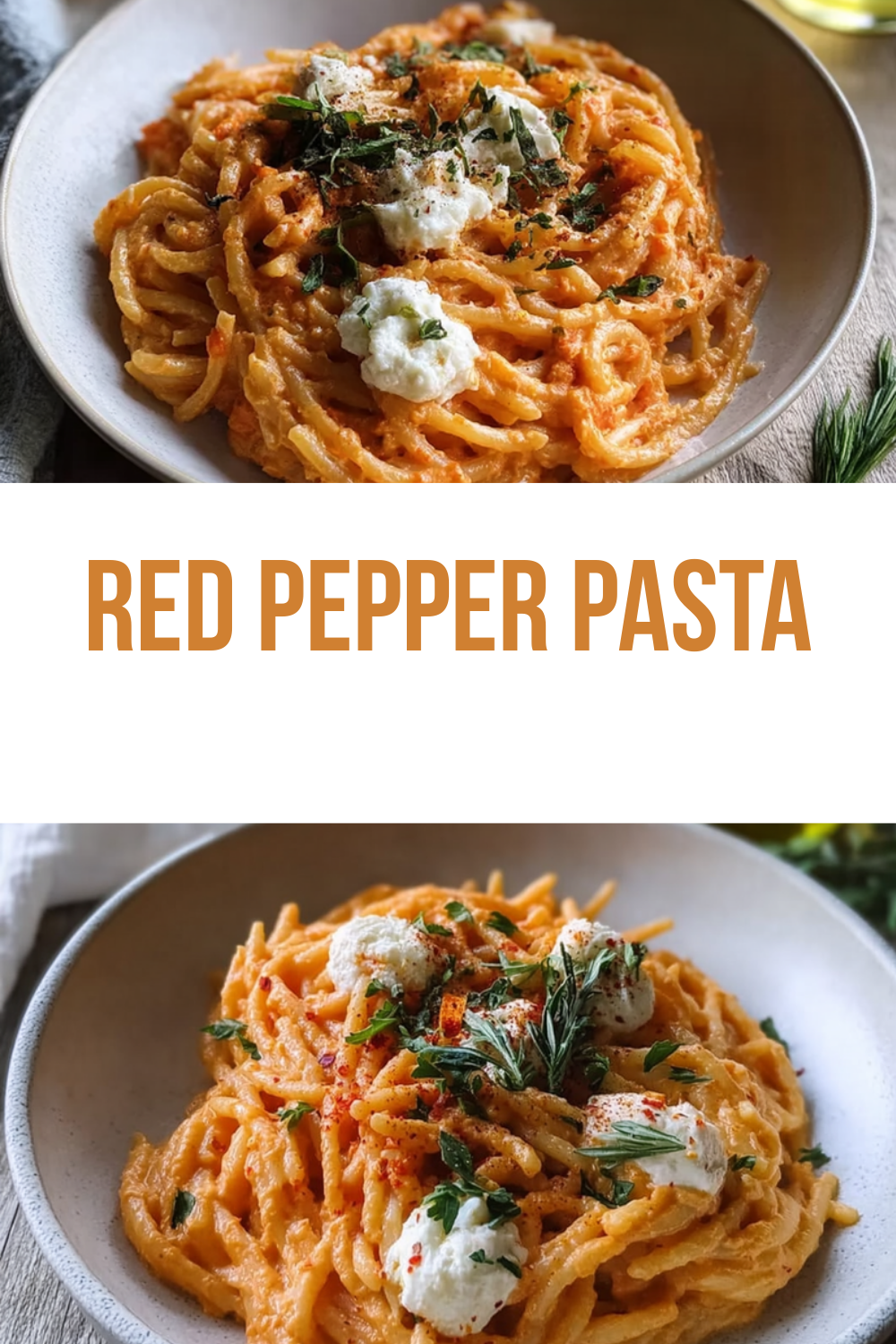
Plate your red pepper pasta right away and top it with grated Parmesan cheese, fresh basil leaves, and red pepper flakes for a burst of flavor. This final touch not only makes it visually appealing but also enhances the taste, turning a simple meal into something special. For best results, serve immediately to keep that creamy sauce at its prime, and consider pairing it with a light side like a fresh salad.
This roasted red pepper pasta recipe, with its easy steps and adaptable nature, is sure to become a staple in your kitchen. By following these instructions, you’re not just making a meal you’re crafting a moment of joy around the table.

Dietary Substitutions to Customize Your Red Pepper Pasta
Protein and Main Component Alternatives
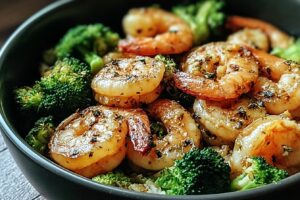
When customizing your red pepper pasta, swapping proteins can make it fit various needs. For instance, instead of relying on the sauce alone, add shrimp or Italian sausage for a protein boost that pairs well with the creamy texture. If you’re out of shallots, try onions as a simple substitute to maintain that caramelized sweetness without changing the essence of the dish.
Seared chicken works great too, offering a lean option that keeps your red pepper pasta hearty and satisfying. These changes ensure your meal remains versatile for busy parents or travelers looking for quick adaptations, all while preserving the roasted red pepper flavor.
Vegetable, Sauce, and Seasoning Modifications
To vary the vegetables in your red pepper pasta, incorporate spinach or broccoli for added nutrition and color. You could also tweak the sauce by using different herbs, like swapping basil for parsley, to suit seasonal availability or personal taste. For seasonings, adjust the red pepper flakes to control the heat, making it milder for seniors or spicier for food enthusiasts.
If you want a lighter sauce, reduce the cream and use broth instead, which helps for diet-conscious individuals. These modifications keep your red pepper pasta adaptable, ensuring it’s enjoyable no matter the occasion or restrictions.
Mastering Red Pepper Pasta: Advanced Tips and Variations
Pro Cooking Techniques
To take your red pepper pasta to the next level, focus on even blending for a silky sauce and precise heat control when caramelizing shallots. Using thick pasta like pennoni not only holds the sauce better but also improves the texture, making each bite more delightful. For make-ahead options, prepare the puree in advance and store it in the fridge for up to a day, saving time for working professionals.
Flavor Variations
Experiment with seasoning combinations, such as adding garlic for an extra layer, to create unique twists on your red pepper pasta. For a sweeter note, mix in sun-dried tomatoes alongside the roasted ones, or try protein additions like sausage to change things up. Presentation tips include garnishing with extra basil for a pop of color, turning your dish into a feast for the eyes as well as the taste buds. Check out our banana bread recipe for ideas on complementary desserts that pair well with savory meals like this red pepper pasta.
How to Store Red Pepper Pasta: Best Practices
Proper storage keeps your red pepper pasta fresh and tasty for later enjoyment. For short-term needs, follow these guidelines to maintain quality. Let’s look at the key methods in a simple table for easy reference.
| Storage Method | Details |
|---|---|
| Refrigeration | Store in an airtight container for up to 3 days; this keeps the sauce creamy and prevents it from drying out. |
| Freezing | Not ideal due to texture changes in the cream; if you must, freeze without the pasta and reheat carefully. |
| Reheating | Warm on the stovetop over low heat, adding a bit of water to restore creaminess, or use the microwave in short bursts. |
| Meal Prep | Batch cook and portion for easy grab-and-go meals, ensuring you stir well before storing for busy schedules. |
These practices help your red pepper pasta stay delicious, making meal prep a breeze for baking enthusiasts and party hosts.
FAQs: Frequently Asked Questions About Red Pepper Pasta
How can I make red pepper pasta without dairy?
To make red pepper pasta dairy-free, substitute the heavy cream with a plant-based alternative like coconut cream, oat cream, or cashew cream. You can soak and blend cashews with water to create a smooth, creamy base that mimics dairy texture. Skip adding cheese or use a dairy-free cheese alternative. This method keeps the sauce rich and velvety while accommodating lactose intolerance or vegan diets.
What proteins pair well with red pepper pasta?
Red pepper pasta pairs wonderfully with proteins like shrimp, Italian sausage, or grilled chicken. Shrimp adds a light, fresh flavor that complements the creamy sauce. Italian sausage can be cooked and mixed into the sauce for a hearty option, while grilled or seared chicken makes a satisfying side. For a vegetarian choice, consider adding sautéed mushrooms or roasted chickpeas for extra texture and protein.
What vegetables can I add to red pepper pasta for more nutrition?
Adding vegetables such as spinach, broccoli, or bell peppers enhances both nutrition and flavor in red pepper pasta. Spinach can be stirred into the pasta at the end, allowing it to wilt gently in the sauce. Steamed or roasted broccoli makes a great side or can be mixed into the dish for crunch. Roasted red or yellow bell peppers boost the sweetness and deepen the color profile of the sauce.
Can I use chicken broth instead of water in the red pepper pasta sauce?
Yes, you can replace water with chicken broth to add more depth and flavor to your red pepper pasta sauce. Use the same amount of broth as you would water, typically about ¾ cup. If you prefer a vegetarian option, vegetable broth works just as well. This simple swap intensifies the sauce without adding extra effort.
How do I store and reheat leftover red pepper pasta safely?
Store leftover red pepper pasta in an airtight container in the refrigerator for up to 3 days. To reheat, warm it gently on the stovetop over low heat, stirring occasionally and adding a splash of water or broth to restore creaminess if needed. Alternatively, microwave in short bursts, stirring between intervals to heat evenly and prevent the sauce from separating.
Red Pepper Pasta
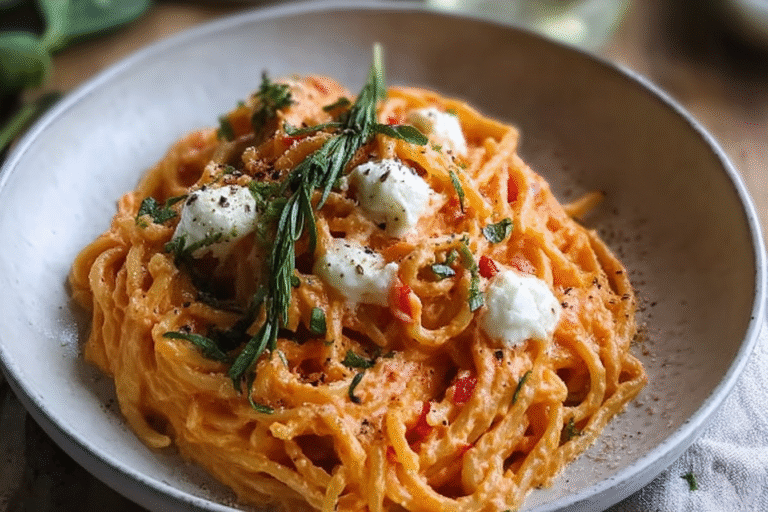
🔥 This Roasted Red Pepper Pasta Recipe features a creamy, flavorful sauce made with caramelized shallots and fresh herbs for a satisfying meal.
🌿 It’s quick to prepare and perfect for anyone wanting a rich, comforting pasta dish with vibrant colors and taste.
- Total Time: 30 minutes
- Yield: 4 to 6 servings
Ingredients
– 1/2 cup roasted red peppers (jarred, drained; approximately 3-5 pieces) for base of the sauce
– 3/4 cup water to blend the peppers into a smooth puree
– 1/2 teaspoon broth base (concentrated paste or powder) for savory depth
– 2 tablespoons butter to sauté the shallots and enrich the sauce
– 1 large shallot, thinly sliced for mild onion flavor and sweetness
– 3/4 cup heavy cream for creamy texture and rich sauce
– 8 ounces pasta (pennoni, rigatoni, or penne recommended) to hold the sauce well
– 1/2 cup reserved pasta water (optional, as needed for consistency) to adjust sauce thickness
– 1/4 cup grated Parmesan cheese (for toppings) for salty, nutty finish
– Fresh basil leaves (for toppings) for fresh, herbal note
– Red pepper flakes (for toppings, amount as desired) for hint of heat
Instructions
1-First Step: Prepare the Red Pepper Puree Begin by blending the roasted red peppers, water, and broth base until you have a completely smooth puree. This step, which takes just a couple of minutes, forms the heart of your red pepper pasta sauce and infuses it with that signature smoky flavor. If you’re aiming for a vegetarian twist, ensure your broth base aligns with your needs to keep things versatile.
2-Second Step: Caramelize the Shallots Next, melt the butter in a skillet over medium heat and add the thinly sliced shallot. Sauté them for 10-15 minutes until they turn lightly golden and caramelized, building a sweet base that enhances the overall taste of your red pepper pasta. This process adds depth, so keep an eye on the heat to avoid burning, and consider adding a protein like shrimp here for extra nutrition.
3-Third Step: Cook the Pasta While the shallots cook, bring a pot of salted water to a boil and add the pasta, following the package directions until it’s al dente. This usually takes around 8-10 minutes, depending on the type you choose, like pennoni for a hearty bite. Before draining, reserve 1/2 cup of the pasta water to help adjust the sauce’s consistency later, making your red pepper pasta just right.
4-Fourth Step: Combine and Warm the Sauce Once the shallots are ready, reduce the skillet heat to low and stir in the red pepper puree. Warm it briefly for about 1-2 minutes to blend the flavors, creating a base that’s ready for the cream. If you want to add vegetables like spinach, this is a great moment to wilt them in, boosting the health benefits of your red pepper pasta.
5-Fifth Step: Add Cream and Simmer Now, pour in the heavy cream and gently simmer the mixture until the sauce thickens slightly, which should take 2-3 minutes. Stir occasionally to prevent sticking, and taste as you go to ensure it’s perfectly seasoned for your red pepper pasta. For lactose-free options, swap in lactose-free cream to maintain that creamy texture without issues.
6-Sixth Step: Mix in the Pasta Add the drained pasta to the skillet and stir everything together to coat the noodles evenly with the sauce. If the mixture seems too thick, gradually add some of the reserved pasta water until you reach your desired consistency, which might take just a minute or two. This step is where you can get creative, like mixing in grilled chicken for added protein in your red pepper pasta.
7-Final Step: Serve and Enjoy Plate your red pepper pasta right away and top it with grated Parmesan cheese, fresh basil leaves, and red pepper flakes for a burst of flavor. This final touch not only makes it visually appealing but also enhances the taste, turning a simple meal into something special. For best results, serve immediately to keep that creamy sauce at its prime, and consider pairing it with a light side like a fresh salad.
Last Step:
Please leave a rating and comment letting us know how you liked this recipe! This helps our business to thrive and continue providing free, high-quality recipes for you.Notes
🍲 If broth base is unavailable, substitute with chicken or vegetable broth or season the puree with salt.
🥥 For a dairy-free version, use plant-based heavy cream alternatives and omit the cheese, or try cashew-based cream.
🍤 Consider adding protein like shrimp, Italian sausage, or seared chicken to boost the dish.
- Prep Time: 10 minutes
- Cooking time: 20 minutes
- Cook Time: 20 minutes
- Category: Main Dish
- Method: Sautéing and boiling
- Cuisine: Italian-inspired
- Diet: Vegetarian (with dairy)
Nutrition
- Serving Size: 1 serving (approximate)
- Calories: Not specified
- Sugar: Not specified
- Sodium: Not specified
- Fat: Not specified
- Saturated Fat: Not specified
- Unsaturated Fat: Not specified
- Trans Fat: Not specified
- Carbohydrates: Not specified
- Fiber: Not specified
- Protein: Not specified
- Cholesterol: Not specified