
Why You’ll Love This Muffaletta
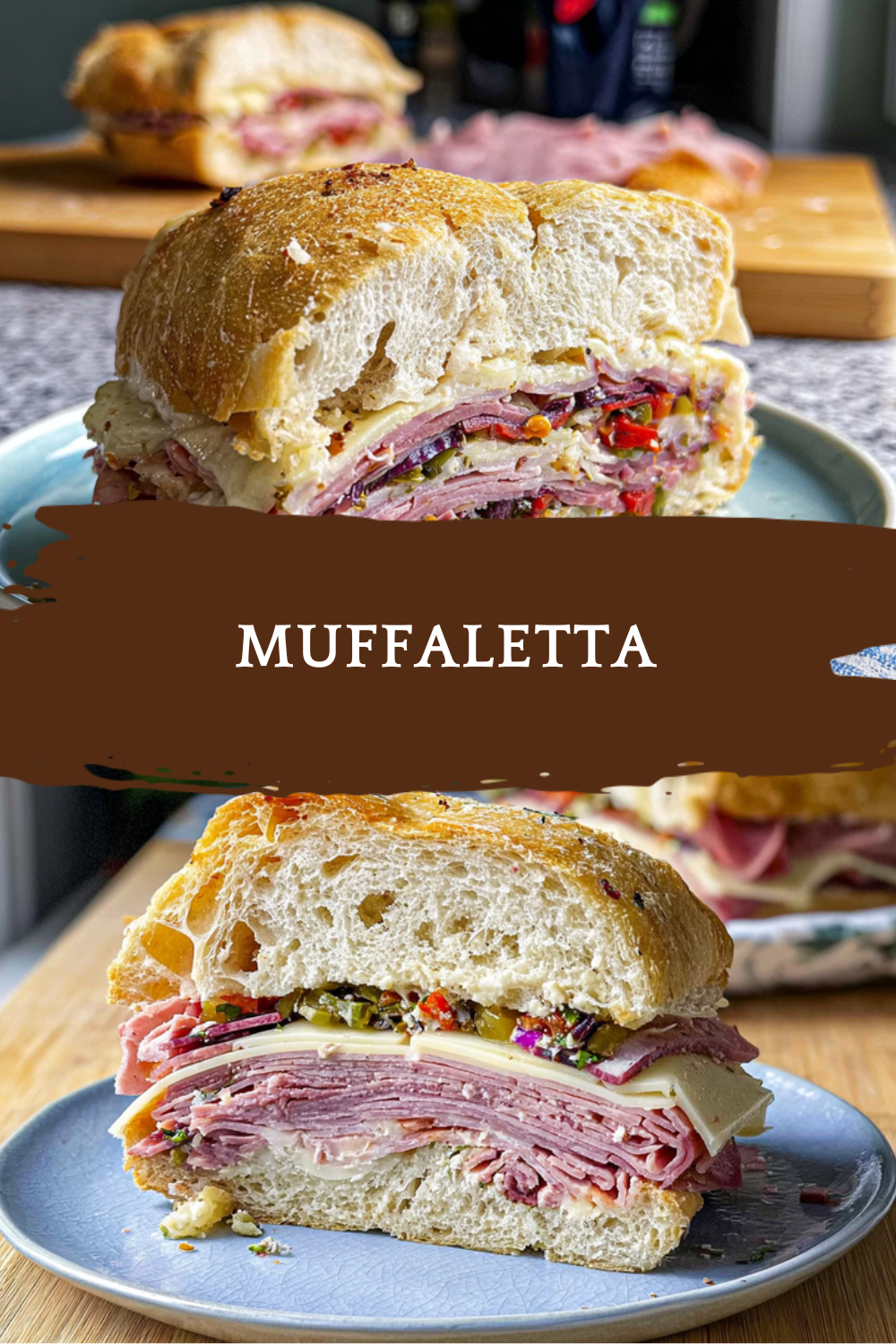
The muffuletta sandwich, originating from Sicilian immigrants in New Orleans, offers a rich blend of textures and flavors that make it a standout choice for meals. This recipe emphasizes ease of preparation, requiring only quick assembly and minimal cooking time, which suits busy parents and working professionals seeking tasty options without much fuss. Additionally, its nutritious ingredients like olives and fresh vegetables contribute to heart health by providing essential vitamins and minerals, while the balance of proteins from lean meats supports a diet-conscious lifestyle.
Furthermore, the muffuletta’s versatility allows for adaptations to meet various dietary needs, such as vegan or gluten-free versions, without losing its distinctive taste. The olive salad, featuring a mix of green and black olives, celery, cauliflower, carrots, and other pickled vegetables, adds a tangy contrast that delights food enthusiasts and travelers exploring regional cuisines. Preparation involves sourcing or making the round sesame bread from simple ingredients like wheat flour, water, eggs, olive oil, yeast, salt, and sugar, making it accessible for home cooks of all skill levels.
Nutritional aspects vary based on portion sizes, with common options like quarter, half, or full loaves offering different calorie, fat, protein, and carbohydrate profiles from the bread, meats, cheese, and olive salad. For those hosting gatherings, this sandwich provides a customizable base that transforms ordinary moments into memorable experiences, much like the drink recipes featured on this blog. Overall, its historical roots and flavorful profile make the muffuletta a beloved classic that connects with sandwich enthusiasts, similar to how we explore beverage creations here at Flavors by Design.
Jump to:
- Why You’ll Love This Muffaletta
- Essential Ingredients for Muffaletta
- How to Prepare the Perfect Muffaletta: Step-by-Step Guide
- Dietary Substitutions to Customize Your Muffaletta
- Mastering Muffaletta: Advanced Tips and Variations
- How to Store Muffaletta: Best Practices
- FAQs: Frequently Asked Questions About Muffaletta
- What is a muffuletta sandwich and where does it come from?
- What ingredients are included in a traditional muffuletta sandwich?
- How is muffuletta olive salad made and why is it important?
- Should muffuletta sandwiches be served hot or cold?
- Can I make a muffuletta sandwich at home and what tips help recreate the authentic taste?
- Muffaletta
- Ingredients
- Instructions
- Last Step:
- Notes
- Nutrition
- Did you make this recipe?
Essential Ingredients for Muffaletta
To create an authentic muffuletta, start with high-quality ingredients that capture the essence of this New Orleans favorite. The bread is made from wheat flour, water, eggs, olive oil, yeast, salt, and sugar, though exact quantities can vary. Below is a structured list of all ingredients needed for the recipe, extracted from the provided details and formatted for clarity. Each item includes precise measurements where specified to ensure you can recreate the sandwich accurately.
- 1 Muffaletta Bread (10-inch) – This round sesame loaf serves as the base, made from wheat flour, water, eggs, olive oil, yeast, salt, and sugar.
- 4 oz Sliced Genoa Salami – Adds rich, savory flavor and protein to the layers.
- 4 oz Sliced Ham – Provides a mild sweetness and additional protein.
- 4 oz Sliced Mortadella – Contributes a smooth texture and distinct taste.
- 8 oz Provolone Cheese – Creates a creamy, melty layer for the sandwich.
- 1 cup Olive Salad – Made with chopped green and black olives, celery, cauliflower, carrots, sweet peppers, onions, parsley, garlic, vinegar, and herbs and spices, often including pickled vegetables like giardiniera and sometimes capers; this mixture brings the tangy, briny flavors essential to the muffuletta.
For special dietary options, consider these adjustments to customize the recipe:
- Vegan: Substitute deli meats with seasoned smoked tofu or marinated tempeh; use vegan cheese alternatives to maintain creaminess.
- Gluten-free: Replace the muffuletta bread with gluten-free sandwich bread or rolls to accommodate this need.
- Low-calorie: Opt for lean turkey deli slices and reduce the cheese quantity; increase portions of vegetables in the olive salad for added nutrition.
- Total Time: 4 hours 30 minutes
- Yield: 6–8 servings 1x
- Prep Time: 20 minutes
- Marinating time: 4 hours to overnight
- Cook Time: 0 minutes
- Category: Sandwich
- Method: No-cook
- Cuisine: New Orleans
- Serving Size: 1 wedge
- Calories: 650
- Sugar: 6g
- Sodium: 1850mg
- Fat: 45g
- Saturated Fat: 18g
- Unsaturated Fat: 24g
- Trans Fat: 0g
- Carbohydrates: 35g
- Fiber: 4g
- Protein: 28g
- Cholesterol: 85mg
| Ingredient Category | Standard Option | Dietary Alternative |
|---|---|---|
| Bread | 1 Muffaletta Bread (10-inch) | Gluten-free bread |
| Meats | 4 oz Genoa Salami, 4 oz Ham, 4 oz Mortadella | Smoked tofu or tempeh for vegan |
| Cheese | 8 oz Provolone | Vegan cheese alternative |
| Topping | 1 cup Olive Salad | Low-calorie versions with more veggies |
This table highlights key substitutions, ensuring the recipe remains flexible for baking enthusiasts and seniors looking for lighter options.
How to Prepare the Perfect Muffaletta: Step-by-Step Guide
Creating a muffuletta at home begins with understanding its origins from Sicilian immigrants in New Orleans, where the round sesame bread forms the foundation. First, slice the muffuletta bread horizontally through the middle to create two even halves, ensuring the bread’s soft, chewy texture from ingredients like wheat flour, water, eggs, olive oil, yeast, salt, and sugar shines through. This step sets the stage for layering flavors that define this sandwich.
Second, prepare the olive salad by finely chopping a mix of green and black olives, celery, cauliflower, carrots, sweet peppers, onions, parsley, garlic, vinegar, and herbs, often adding pickled vegetables like giardiniera and capers for extra tang. Allow it to marinate well to enhance its role in the sandwich’s nutritional profile, contributing healthy fats and vitamins. Third, layer the sliced deli meats evenly on the bottom half, using 4 oz each of Genoa salami, ham, and mortadella for balanced proteins and flavors.
Fourth, add a generous layer of 8 oz provolone cheese slices over the meats to boost creaminess and essential nutrients. Fifth, spread the olive salad evenly over the cheese to impart the signature briny taste, which varies the sandwich’s carbohydrates and fats based on portion size. Sixth, place the top half of the bread over the filling and press down gently. Seventh, wrap the assembled muffuletta tightly and refrigerate for at least one hour to meld flavors, a key step for authenticity.
Final step: Remove from the refrigerator, slice into servings like quarter, half, or full loaves, and enjoy. For dietary adaptations, replace meats or cheese as needed and select appropriate bread alternatives, making it ideal for busy parents or students. Muffulettas are typically served cold to preserve texture, though toasting is an option for a warmer variation.

Dietary Substitutions to Customize Your Muffaletta
Adapting the muffuletta for different diets maintains its New Orleans heritage while accommodating modern needs. For protein and main components, replace traditional Italian meats like salami and ham with smoked tofu, tempeh, or seitan to offer a plant-based boost, ensuring the sandwich remains nutritious with varying calories and fats. This approach suits vegan preferences and provides options for diet-conscious individuals seeking lower fats.
Additionally, swap mortadella with low-fat turkey or chicken slices to reduce overall intake, or incorporate grilled vegetables such as eggplant or zucchini for a hearty, vegetable-forward alternative. For vegetable, sauce, and seasoning modifications, substitute the olive salad with a mix of roasted red peppers and artichoke hearts for a milder flavor, while using gluten-free olives or homemade tapenade to control ingredients. Fresh herbs like basil or oregano can add aromatic depth, enhancing the sandwich’s proteins and carbohydrates without overpowering the original taste.
These changes allow for low-calorie versions by increasing vegetable portions and reducing cheese, making the recipe versatile for newlyweds or party hosts. By focusing on the olive salad’s marinated elements green and black olives, celery, and more you can customize without losing the muffuletta’s essence, originally crafted from simple ingredients like wheat flour and olive oil.
Mastering Muffaletta: Advanced Tips and Variations
To elevate your muffuletta skills, consider pro cooking techniques such as lightly toasting the bread before assembly, which adds a crispy texture and enhances the mouthfeel of this New Orleans classic. Experiment with flavor variations by trying different cheeses like mozzarella or blends with provolone, and incorporate spicy giardiniera to introduce heat, drawing from the olive salad’s traditional mix of green and black olives, celery, and herbs. Nutritional content can be adjusted by selecting leaner meats or increasing vegetable portions, affecting the overall calories, fats, and proteins.
Presentation tips include slicing the muffuletta into perfect wedges and garnishing with fresh parsley or basil, making it visually appealing for entertainment enthusiasts. For make-ahead options, prepare the olive salad in advance using ingredients like cauliflower, carrots, and vinegar to allow flavors to develop, then assemble shortly before serving to maintain freshness. This method aligns with the sandwich’s origins, where Sicilian immigrants used readily available items like yeast and sugar in the bread.
Commonly sold in quarter, half, or full sizes, these variations ensure the muffuletta fits various occasions, from quick meals for students to elaborate gatherings. By mastering these tips, food enthusiasts can recreate the authentic taste while adapting for gluten-free or low-calorie needs, keeping the focus on balanced flavors and nutrients.
How to Store Muffaletta: Best Practices
Proper storage preserves the muffuletta’s flavors and textures, drawing from its traditional preparation with marinated olive salad and fresh ingredients. Refrigerate the sandwich by wrapping it tightly in plastic wrap or aluminum foil, keeping it fresh for up to three days and maintaining the nutritional balance of calories, fats, and proteins from components like bread and meats. This method is ideal for busy professionals who prepare meals in advance.
For longer storage, freeze the muffuletta by slicing it into portions, wrapping each individually, and storing for up to one month; thaw in the refrigerator before serving to avoid sogginess. Reheating involves warming gently in an oven at 350°F (175°C) for 10-15 minutes while wrapped in foil, which helps retain moisture and the sandwich’s distinctive taste from origins in New Orleans. Consider meal prep by assembling in bulk, storing pre-wrapped, and slicing as needed to simplify serving and preserve quality, especially with variations for dietary needs.
FAQs: Frequently Asked Questions About Muffaletta
What is a muffuletta sandwich and where does it come from?
A muffuletta sandwich is a New Orleans specialty made with a round sesame-seeded loaf filled with layers of Italian cold cuts, cheeses, and a distinctive olive salad. It was created in 1906 by Sicilian immigrant Salvatore Lupo at Central Grocery in New Orleans, blending Italian flavors with local ingredients to create a unique and flavorful sandwich.
What ingredients are included in a traditional muffuletta sandwich?
A traditional muffuletta sandwich includes a sesame-crusted round bread sliced horizontally, layered with Italian meats such as salami, ham, and mortadella, cheeses like provolone and mozzarella, and topped with muffuletta olive salad. The olive salad contains chopped green and black olives, celery, cauliflower, carrots, peppers, onions, garlic, vinegar, and herbs—all marinated to add a tangy, savory punch.
How is muffuletta olive salad made and why is it important?
Muffuletta olive salad is made from finely chopped green and black olives mixed with pickled vegetables including celery, cauliflower, carrots, and peppers, combined with olive oil, vinegar, garlic, and herbs. This marinated salad adds essential flavor and moisture to the sandwich, distinguishing a muffuletta from other deli sandwiches by providing a tangy, zesty contrast to the meats and cheeses.
Should muffuletta sandwiches be served hot or cold?
Muffuletta sandwiches are traditionally served cold or at room temperature to keep the bread from becoming soggy and to maintain the fresh flavors of the olive salad and cold cuts. However, some places offer a lightly toasted version for a warm, crisp texture, which can complement melting the cheeses without overpowering the original taste.
Can I make a muffuletta sandwich at home and what tips help recreate the authentic taste?
Yes, you can make a muffuletta sandwich at home using a sesame round loaf or Italian bread, Italian meats, cheeses, and a homemade olive salad. For authentic flavor, marinate the olive salad for at least a day before assembling and layer the meats and cheeses evenly. Letting the sandwich rest wrapped for an hour allows the flavors to meld, which is key to capturing the traditional taste of New Orleans muffuletta.
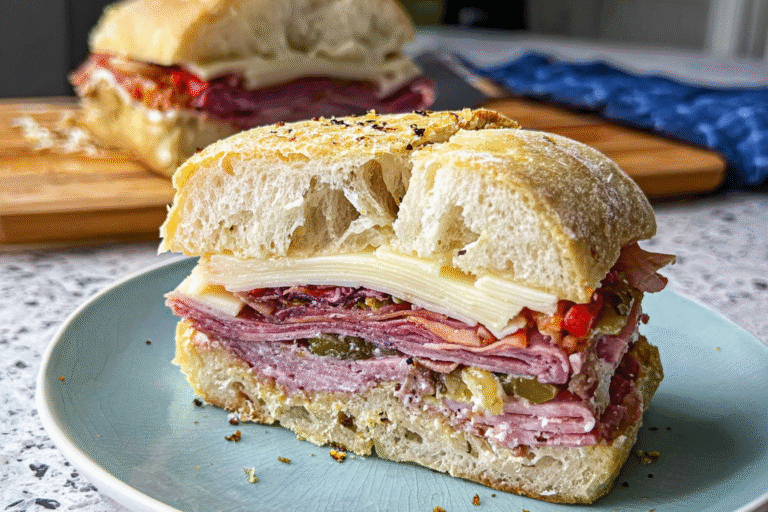
Muffaletta
🥖 Experience the authentic taste of New Orleans with this iconic sandwich that brings together Italian and Creole flavors in every bite
🫅 Create a show-stopping centerpiece perfect for parties, picnics, or game day gatherings that will impress your guests
Ingredients
1 Muffaletta Bread (10-inch) for the base
4 oz Sliced Genoa Salami for rich, savory flavor and protein
4 oz Sliced Ham for mild sweetness and additional protein
4 oz Sliced Mortadella for smooth texture and distinct taste
8 oz Provolone Cheese for a creamy, melty layer
1 cup Olive Salad for tangy, briny flavors
Instructions
1-First, slice the muffuletta bread horizontally through the middle to create two even halves, ensuring the bread’s soft, chewy texture from ingredients like wheat flour, water, eggs, olive oil, yeast, salt, and sugar shines through. This step sets the stage for layering flavors that define this sandwich.
2-Second, prepare the olive salad by finely chopping a mix of green and black olives, celery, cauliflower, carrots, sweet peppers, onions, parsley, garlic, vinegar, and herbs, often adding pickled vegetables like giardiniera and capers for extra tang. Allow it to marinate well to enhance its role in the sandwich’s nutritional profile, contributing healthy fats and vitamins.
3-Third, layer the sliced deli meats evenly on the bottom half, using 4 oz each of Genoa salami, ham, and mortadella for balanced proteins and flavors.
4-Fourth, add a generous layer of 8 oz provolone cheese slices over the meats to boost creaminess and essential nutrients.
5-Fifth, spread the olive salad evenly over the cheese to impart the signature briny taste, which varies the sandwich’s carbohydrates and fats based on portion size.
6-Sixth, place the top half of the bread over the filling and press down gently.
7-Seventh, wrap the assembled muffuletta tightly and refrigerate for at least one hour to meld flavors, a key step for authenticity.
8-Final step: Remove from the refrigerator, slice into servings like quarter, half, or full loaves, and enjoy. For dietary adaptations, replace meats or cheese as needed and select appropriate bread alternatives, making it ideal for busy parents or students. Muffulettas are typically served cold to preserve texture, though toasting is an option for a warmer variation.
Last Step:
Please leave a rating and comment letting us know how you liked this recipe! This helps our business to thrive and continue providing free, high-quality recipes for you.Notes
🕰️ Make the olive salad at least 24 hours ahead for the best flavor development
🧊 Let the assembled sandwich rest for 30 minutes before serving to allow flavors to meld
🍽️ Use a sharp serrated knife to cut through the crusty bread without crushing the sandwich