
Why You’ll Love This Pad Thai
This recipe brings all the excitement of street food right into your kitchen, making it a go-to for those nights when you want something quick and full of flavor. You’ll appreciate how straightforward it is, especially if you’re juggling a busy schedule. Packed with fresh veggies and customizable proteins, it’s not just tasty but also supports a balanced diet.
One of the best parts is how easy it is to whip up. Think about preparing a meal in under 30 minutes that still feels special and satisfying. Whether you’re cooking for one or the whole family, this dish adapts perfectly to what you have on hand.
Beyond speed, the health perks are impressive. Fresh ingredients like bean sprouts and bell peppers add vitamins, while proteins keep you full. It’s a smart choice for anyone watching their nutrition without skimping on taste.
- Ease of preparation: This Pad Thai recipe is designed for simplicity and speed, requiring minimal ingredients and quick cooking times, making it perfect for busy weeknights or last-minute meals.
- Health benefits: Packed with fresh vegetables, lean proteins, and nutrient-rich spices, this dish supports wellness by providing essential vitamins, minerals, and balanced macronutrients.
- Versatility: Easily adaptable to various dietary needs, this Pad Thai accommodates vegan, gluten-free, and low-calorie preferences without sacrificing taste.
- Distinctive flavor: A harmonious blend of sweet, tangy, savory, and spicy elements creates a unique and memorable flavor profile that sets this Pad Thai apart from others.
For those curious about the ingredients that make this dish shine, you can check out more on fresh iced tea recipes that pair well with meals like this one.
Jump to:
- Why You’ll Love This Pad Thai
- Essential Ingredients for Pad Thai
- Main Ingredients
- Sauce Ingredients
- How to Prepare the Perfect Pad Thai: Step-by-Step Guide
- Step-by-Step Instructions
- Dietary Substitutions to Customize Your Pad Thai
- Mastering Pad Thai: Advanced Tips and Variations
- How to Store Pad Thai: Best Practices
- FAQs: Frequently Asked Questions About Pad Thai
- What ingredients are needed to make traditional Pad Thai?
- How can I make Pad Thai suitable for a vegetarian or vegan diet?
- What can I use if I don’t have tamarind paste for Pad Thai sauce?
- How should I cook rice noodles for Pad Thai to get the best texture?
- What is the best way to store and reheat leftover Pad Thai?
- Pad Thai
- Ingredients
- Instructions
- Last Step:
- Notes
- Nutrition
- Did you make this recipe?
Essential Ingredients for Pad Thai
Gathering the right ingredients is the first step to creating an authentic Pad Thai at home. This dish shines with its mix of textures and flavors, from chewy noodles to crunchy veggies. Let’s break down what you’ll need to get started.
Focus on fresh, quality items to make your Pad Thai stand out. The key is balancing the sauce’s tanginess with the protein’s heartiness. Remember, you can tweak things based on what you have in your pantry.
Main Ingredients
- 8 ounces rice noodles
- 3 tablespoons oil
- 3 cloves minced garlic
- 8 ounces protein (such as shrimp, chicken, or extra-firm tofu cut into small pieces)
- 2 eggs
- 1 cup fresh bean sprouts
- 1 thinly sliced red bell pepper
- 3 chopped green onions
- 1/2 cup dry roasted peanuts
- 1/2 cup chopped cilantro
- Lime wedges from 2 limes
Sauce Ingredients
- 3 tablespoons fish sauce
- 1 tablespoon low-sodium soy sauce
- 5 tablespoons light brown sugar
- 2 tablespoons rice vinegar or tamarind paste
- 1 tablespoon Sriracha hot sauce (adjust to taste)
- 2 tablespoons creamy peanut butter (optional, for added creaminess)
Special Dietary Options:
- Vegan: Substitute fish sauce with soy sauce or tamari; use tofu as protein.
- Gluten-free: Use gluten-free tamari and ensure rice noodles are certified gluten-free.
- Low-calorie: Reduce oil usage and increase vegetables like zucchini noodles or extra bean sprouts.
As you explore these ingredients, learning about health benefits of peanuts can add another layer to why they’re a great choice here.
How to Prepare the Perfect Pad Thai: Step-by-Step Guide
Getting Pad Thai just right is all about timing and heat, so let’s dive into the steps that make this dish a winner. Start by prepping everything ahead to keep things smooth and fun in the kitchen. You’ll be stirring and tossing before you know it.
First, cook the noodles until just tender, then rinse with cold water to stop them from getting mushy. This keeps that perfect chewy texture we all love.
Step-by-Step Instructions
- Prepare all ingredients: Soak rice noodles in warm water for about 20 minutes until softened. Chop vegetables and mince garlic.
- Heat a wok over medium-high heat and add 1.5 tablespoons of oil. Stir-fry the protein with garlic and bell pepper until cooked through.
- Push the mixture to one side of the wok, then add 2 beaten eggs on the other side and scramble them into small pieces.
- Add the noodles, prepared sauce, bean sprouts, and peanuts (save some for garnish), and toss everything together until well mixed.
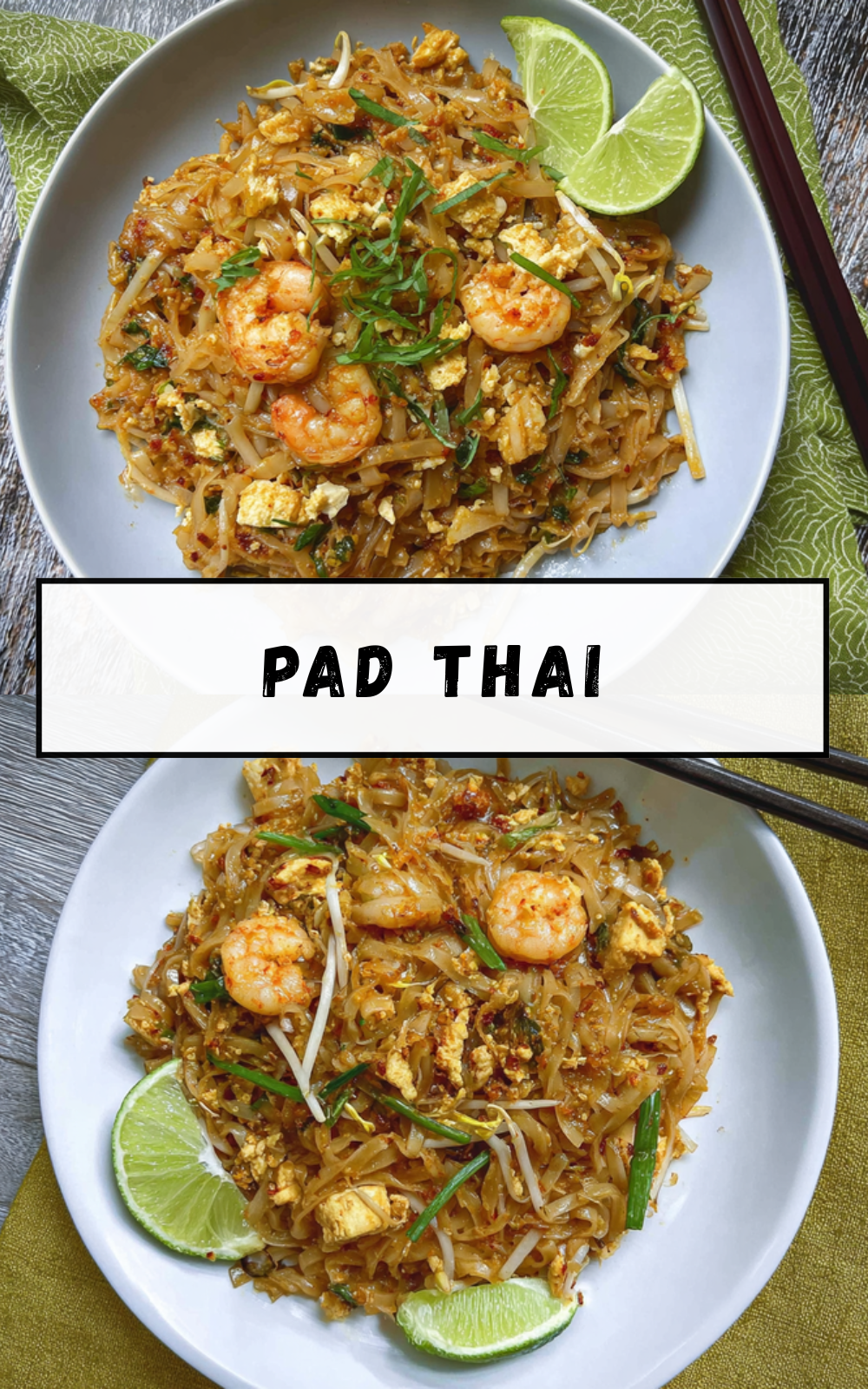
- Garnish with green onions, extra peanuts, cilantro, and lime wedges from 2 limes. Serve immediately for the best flavor.
Timing is key here; the whole process takes about 15 minutes once your ingredients are ready, perfect for busy evenings. For more tips on quick meals, check out our guide on quick cocktail recipes that complement this dish.
The nutritional breakdown per serving includes approximately 627 kcal, 77 g carbohydrates, 22 g protein, 27 g fat (with 4 g saturated fat), 153 mg cholesterol, 1867 mg sodium, 533 mg potassium, 5 g fiber, 20 g sugar, 1406 IU vitamin A, 57 mg vitamin C, 117 mg calcium, and 2 mg iron. This makes it a hearty option that fits various dietary goals.

Dietary Substitutions to Customize Your Pad Thai
Making Pad Thai your own is easy with a few swaps, especially if you have specific needs or preferences. Whether you’re going vegan or cutting calories, these changes keep the dish delicious. It’s all about experimenting while keeping that authentic taste.
Protein and Main Component Alternatives: Swap traditional shrimp or chicken with tofu, tempeh, or seitan for vegan options; use extra egg whites or lean meats for low-calorie variations.
Vegetable, Sauce, and Seasoning Modifications: Replace bean sprouts with shredded cabbage or snap peas for crunch; choose gluten-free tamari instead of fish sauce; use natural sweeteners like maple syrup in place of light brown sugar to suit preferences or allergen concerns.
These tweaks ensure everyone at the table can enjoy the meal. For insights on healthy proteins, visit is shrimp healthy to make informed choices.
Mastering Pad Thai: Advanced Tips and Variations
Once you’re comfortable with the basics, level up your Pad Thai with some pro tips. A well-seasoned wok and high heat can make all the difference in getting that perfect stir-fry. Experimenting with flavors keeps things exciting every time you cook.
Pro cooking techniques: Use a well-seasoned wok and maintain high heat for optimal stir-frying; prepare sauce components separately to balance flavor precisely.
- Flavor variations: Try adding chili flakes, lime zest, or fresh herbs like cilantro and Thai basil to adjust taste.
- Presentation tips: Serve with lime wedges and fresh herbs for visual appeal; use banana leaves or decorative plates.
- Make-ahead options: Prepare sauce and chop ingredients in advance; toss noodles lightly with oil to prevent sticking when storing.
This approach not only saves time but also lets you focus on the fun parts of cooking.
How to Store Pad Thai: Best Practices
Storing leftovers properly keeps your Pad Thai tasting great for later. Freshness is key, so follow these simple steps to avoid any disappointments. It’s a handy skill for meal prep days.
Refrigeration: Store Pad Thai in an airtight container for up to 3 days to maintain freshness.
- Freezing: Freeze portions separately to avoid clumping, best used within 1 month.
- Reheating: Gently warm in a skillet over medium heat, adding a splash of water or oil to restore moisture without overcooking.
- Meal prep considerations: Prepare sauce and chop ingredients beforehand; cook noodles last minute for best texture.
These methods help preserve the dish’s vibrant flavors and textures.
FAQs: Frequently Asked Questions About Pad Thai
What ingredients are needed to make traditional Pad Thai?
Traditional Pad Thai includes rice noodles, shrimp or chicken, firm tofu, scrambled egg, bean sprouts, crushed peanuts, and green onions. The sauce is made from tamarind paste, fish sauce, palm sugar, and lime juice. These ingredients are stir-fried together in a hot wok to create the distinct sweet, sour, and savory flavors of Pad Thai.
How can I make Pad Thai suitable for a vegetarian or vegan diet?
To prepare vegan or vegetarian Pad Thai, skip the egg and seafood or meat. Use tofu as the protein source and replace fish sauce with soy sauce or tamari for depth of flavor. You can also add extra vegetables like bell peppers or carrots to enhance texture and nutrition while keeping the dish fully plant-based.
What can I use if I don’t have tamarind paste for Pad Thai sauce?
If tamarind paste is unavailable, mix equal parts lime juice and brown sugar or use rice vinegar with a little brown sugar as a substitute to mimic the tangy, sweet flavor. This helps maintain the signature balance in Pad Thai sauce, although the taste may vary slightly from traditional recipes.
How should I cook rice noodles for Pad Thai to get the best texture?
To cook rice noodles for Pad Thai, soak them in warm water for about 20-30 minutes or boil briefly until just tender but still firm (al dente). Avoid overcooking as soggy noodles can affect the dish’s texture. Drain and rinse immediately under cold water to stop cooking and prevent sticking before stir-frying.
What is the best way to store and reheat leftover Pad Thai?
Store leftover Pad Thai in an airtight container in the refrigerator for up to 2-3 days. To reheat, use a skillet over medium heat with a splash of water or oil to loosen the noodles and prevent drying out. Stir frequently until heated through. Avoid microwaving for extended times, as it can make noodles tough or rubbery.
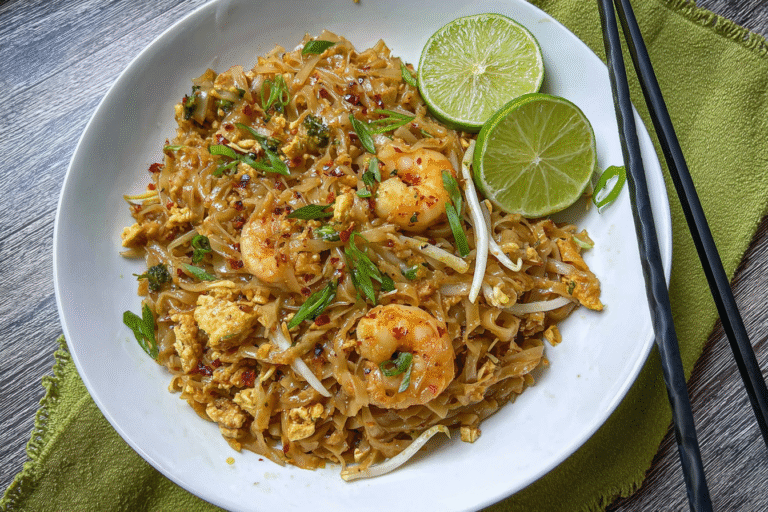
Pad Thai
🍜 Create restaurant-quality Pad Thai at home with this simple recipe that brings together authentic Thai flavors in just 30 minutes
🥘 Perfect for busy weeknights, this versatile stir-fry combines tender noodles, your choice of protein, and a perfectly balanced sweet and tangy sauce
- Total Time: 30 minutes
- Yield: 4 servings
Ingredients
– 8 ounces rice noodles
– 3 tablespoons oil
– 3 cloves minced garlic
– 8 ounces protein (such as shrimp, chicken, or extra-firm tofu cut into small pieces)
– 2 eggs
– 1 cup fresh bean sprouts
– 1 thinly sliced red bell pepper
– 3 chopped green onions
– 1/2 cup dry roasted peanuts
– 1/2 cup chopped cilantro
– Lime wedges from 2 limes
– 3 tablespoons fish sauce
– 1 tablespoon low-sodium soy sauce
– 5 tablespoons light brown sugar
– 2 tablespoons rice vinegar or tamarind paste
– 1 tablespoon Sriracha hot sauce (adjust to taste)
– 2 tablespoons creamy peanut butter (optional, for added creaminess)
Instructions
1-Prepare all ingredients: Soak rice noodles in warm water for about 20 minutes until softened. Chop vegetables and mince garlic.
2-Heat a wok over medium-high heat and add 1.5 tablespoons of oil. Stir-fry the protein with garlic and bell pepper until cooked through.
3-Push the mixture to one side of the wok, then add 2 beaten eggs on the other side and scramble them into small pieces.
4-Add the noodles, prepared sauce, bean sprouts, and peanuts (save some for garnish), and toss everything together until well mixed.
5-Garnish with green onions, extra peanuts, cilantro, and lime wedges from 2 limes. Serve immediately for the best flavor.
Last Step:
Please leave a rating and comment letting us know how you liked this recipe! This helps our business to thrive and continue providing free, high-quality recipes for you.Notes
🍜 Soak rice noodles in warm water for 30 minutes before cooking for the perfect texture that won’t break during stir-frying
🥘 Prepare all ingredients before you start cooking since Pad Thai comes together quickly – this classic stir-fry technique ensures nothing overcooks
🌶️ Adjust the spice level by adding more or less Sriracha, and add a splash of lime juice at the end for extra brightness
- Prep Time: 15 minutes
- Cook Time: 15 minutes
- Category: Main Dish
- Method: Stir-frying
- Cuisine: Thai
- Diet: Gluten-free (with gluten-free soy sauce and noodles)
Nutrition
- Serving Size: 1 serving
- Calories: 627
- Sugar: 20g
- Sodium: 1867mg
- Fat: 27g
- Saturated Fat: 4g
- Unsaturated Fat: 20g
- Trans Fat: 0g
- Carbohydrates: 77g
- Fiber: 5g
- Protein: 22g
- Cholesterol: 153mg