
Why You’ll Love This Spam Musubi
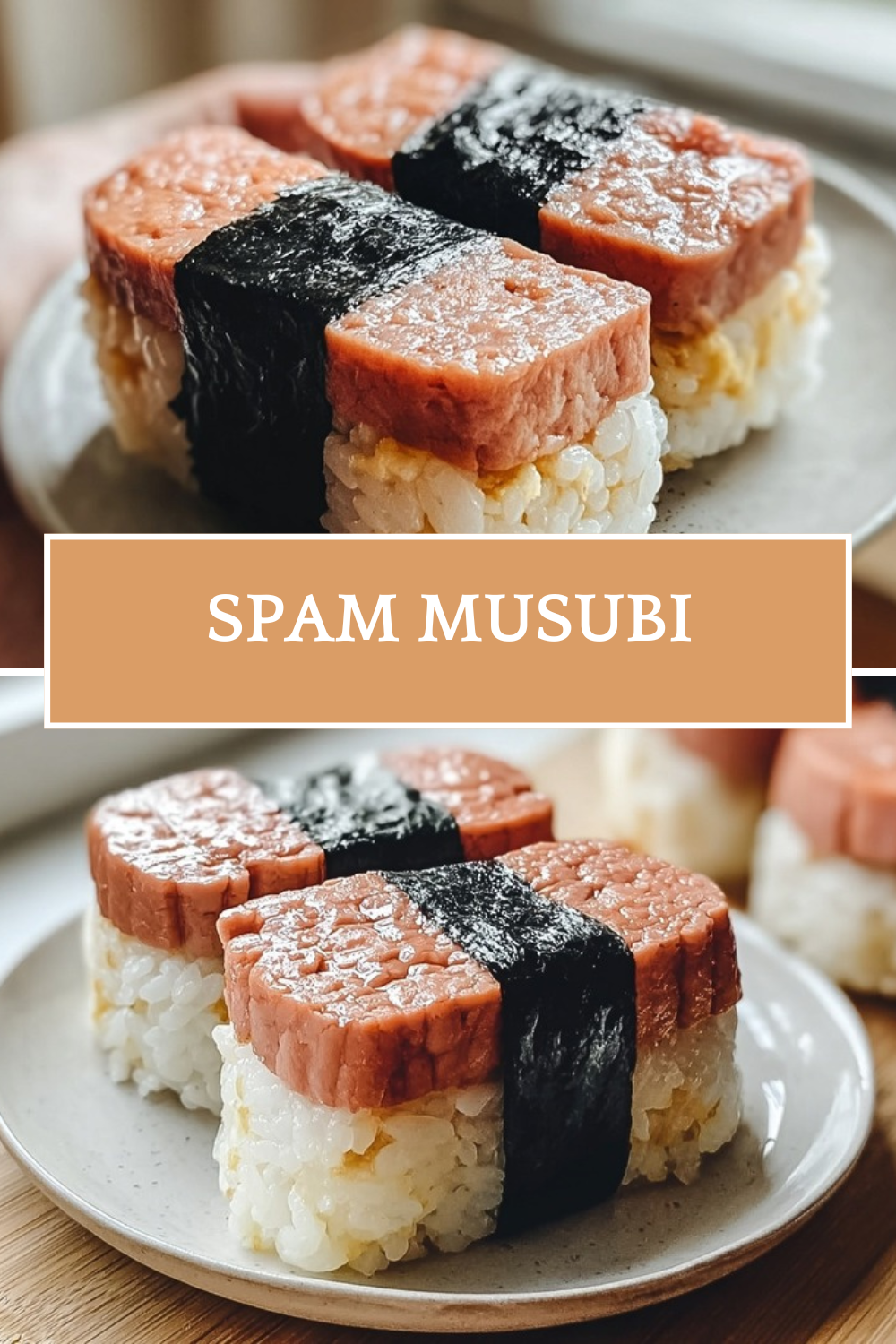
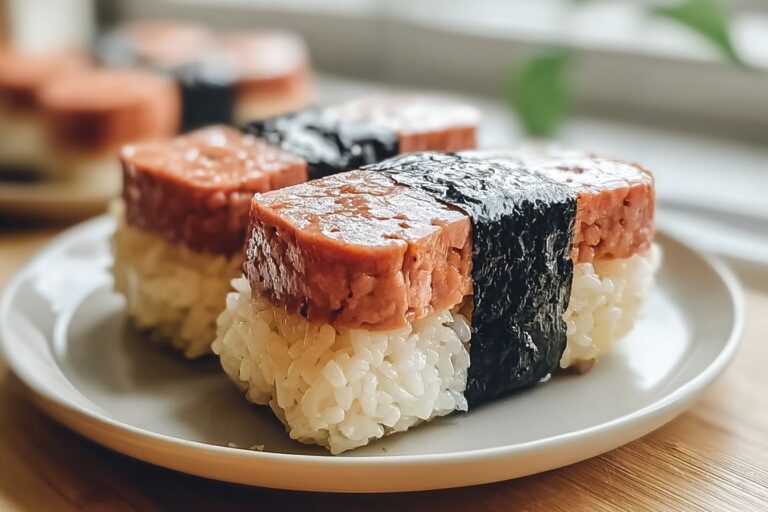
Spam Musubi is one of those simple foods that feels comforting right away. This Hawaiian rice-based snack has a rectangular shape, a slice of cooked Spam on top, and a strip of nori seaweed wrapped around the middle. It comes together fast, tastes great warm, and works well for lunch, snacks, or party trays.
- Easy to make: This musubi recipe uses a short ingredient list and takes about 30 minutes from start to finish, so it fits busy weeknights and last-minute meals.
- Good for quick energy: With sushi rice, protein from Spam, and a sweet-savory glaze, each piece gives you a filling bite that works for students, workers, and travelers.
- Flexible: You can make easy spam musubi with regular Spam or Lite Spam, switch oyster sauce for hoisin sauce, or add furikake for extra flavor.
- Bold flavor: The mix of salty Spam, sticky rice, and crisp nori gives Hawaiian musubi a taste that is savory, slightly sweet, and hard to stop eating.
Spam musubi became popular in Hawaii after WWII, when canned Spam was affordable, convenient, and easy to find. That history is part of what makes this snack so loved today.
If you enjoy easy handheld meals, you might also like my slow cooker French dip sandwich recipe for another satisfying comfort food idea.
Jump to:
- Why You’ll Love This Spam Musubi
- Essential Ingredients for Spam Musubi
- Special Dietary Options
- How to Prepare the Perfect Spam Musubi: Step-by-Step Guide
- First Step: Slice and marinate the Spam
- Second Step: Fry the Spam
- Third Step: Prepare the nori and mold
- Fourth Step: Pack in the rice
- Fifth Step: Add the Spam slice
- Sixth Step: Wrap and seal
- Final Step: Serve warm
- Dietary Substitutions to Customize Your Spam Musubi
- Protein and Main Component Alternatives
- Vegetable, Sauce, and Seasoning Modifications
- Mastering Spam Musubi: Advanced Tips and Variations
- Pro cooking techniques
- Flavor variations
- Presentation tips
- Make-ahead options
- How to Store Spam Musubi: Best Practices
- Refrigeration
- Freezing
- Reheating
- Meal prep considerations
- FAQs: Frequently Asked Questions About Spam Musubi
- What is spam musubi?
- What ingredients do I need to make spam musubi?
- How do you make spam musubi step by step?
- Can you eat spam musubi cold or does it need to be heated?
- How do you store and reheat spam musubi?
- Spam Musubi
- Ingredients
- Instructions
- Last Step:
- Notes
- Nutrition
- Did you make this recipe?
Essential Ingredients for Spam Musubi
For the best spam musubi recipe, use the exact ingredients below. Each item plays an important role in the flavor, texture, and shape of the finished musubi.
- 12 ounces Spam, regular or Lite: The main protein and the ingredient that gives spam musubi its signature savory bite.
- 1/4 cup oyster sauce: Adds deep umami flavor to the marinade. If needed, hoisin sauce is an acceptable substitute.
- 1/4 cup soy sauce: Brings saltiness and balances the sweetness in the glaze.
- 1/2 cup sugar: Helps create the sweet glaze that coats the Spam slices and gives them a light caramelized finish.
- Nori roasted seaweed, cut into halves or thirds: Wraps the rice and Spam together and adds a classic ocean flavor.
- 6 cups cooked sushi rice without vinegar mixture: The sticky rice is essential for holding the musubi together. Regular rice will not work as well.
- Furikake seasoning, optional: A flavorful topping made of seaweed, sesame seeds, salt, and spices that adds extra taste and texture.
Special Dietary Options
- Vegan: Use marinated tofu, tempeh, or a plant-based Spam-style product with vegan oyster sauce or a mushroom-based sauce.
- Gluten-free: Choose gluten-free soy sauce or tamari, and check labels on oyster sauce and furikake before using.
- Low-calorie: Use Spam Lite, reduce the rice portion a little, and skip the furikake if you want a lighter snack.
| Component | Purpose | Notes |
|---|---|---|
| Spam | Protein and main flavor | Slice into 8 to 10 pieces |
| Sushi rice | Holds shape | Use sticky rice only |
| Nori | Wraps the musubi | Cut into strips |
| Glaze | Adds sweet-savory flavor | Oyster sauce, soy sauce, sugar |
How to Prepare the Perfect Spam Musubi: Step-by-Step Guide
First Step: Slice and marinate the Spam
Start by slicing 12 ounces of Spam into 8 to 10 even slices. Place the slices in a resealable plastic bag so they are easy to coat. In a small bowl, mix 1/4 cup oyster sauce, 1/4 cup soy sauce, and 1/2 cup sugar until the sugar dissolves. Pour the marinade into the bag, seal it, and gently move the slices around so every piece gets coated. Let the Spam marinate for about 15 minutes.
Second Step: Fry the Spam
Drain off the marinade. Set a skillet over medium heat and fry the Spam slices for about 2 to 3 minutes per side, or until they are lightly crisp on the edges and browned on both sides. The goal is not deep browning, just enough to give the slices a slightly caramelized surface that tastes rich and savory. Keep the heat moderate so the sugar does not burn.
Third Step: Prepare the nori and mold
Place a strip of nori shiny side down on a clean cutting board. Put a musubi mold across the middle of the nori. If you do not have a mold, you can use a cleaned Spam can with the bottom removed and the edges taped carefully, or press the rice with plastic wrap inside the can for a similar shape.
Fourth Step: Pack in the rice
Add cooked sushi rice to the mold, pressing it down firmly until it forms a block about 1 to 1.5 inches thick. This step matters because the rice needs to hold together once the mold is removed. If you like, sprinkle furikake on top of the rice before adding the Spam. Furikake adds seaweed, sesame, salt, and spices for extra flavor, but it is optional.
Fifth Step: Add the Spam slice
Carefully lift the mold away from the rice block. Place one fried Spam slice on top of the rice. Press it gently so it sits flat and stays in place when you begin wrapping.
Sixth Step: Wrap and seal
Bring one side of the nori up and over the Spam, then press it lightly against the top of the rice block. Wrap the other side around the musubi to finish the rectangular shape. If the nori is not sticking, use a little water on the edge to help seal it. Repeat until all the musubi are assembled.
Final Step: Serve warm
Serve spam musubi warm for the best texture and flavor. The rice stays soft, the Spam is savory and slightly crisp, and the nori has a pleasant chew. This recipe makes about 8 servings, with a prep time of about 25 minutes, a cooking time of about 5 minutes, and a total time of around 30 minutes.
Warm musubi tastes best right after making it, but it also makes a great packed lunch if wrapped tightly while still fresh.

Dietary Substitutions to Customize Your Spam Musubi
Protein and Main Component Alternatives
If you want to change the main filling, there are plenty of ways to keep the spirit of this Hawaiian musubi while matching different diets or pantry needs. A plant-based Spam substitute works well for vegans. Firm tofu, pressed and pan-fried, can also stand in for Spam if you want something lighter. Tempeh is another solid choice because it soaks up the sweet-savory glaze nicely.
If you are watching sodium, look for low-sodium soy sauce and Lite Spam. You can also make smaller musubi blocks so each serving feels lighter. For those who want a richer taste without changing the recipe too much, a fried egg layer can be added on top of the rice before the Spam slice.
Vegetable, Sauce, and Seasoning Modifications
You can keep the classic structure while adjusting the flavor in small ways. Hoisin sauce works well in place of oyster sauce if that is what you have. For a little freshness, add thin green onion slices or serve with pickled ginger on the side. If you enjoy heat, a tiny bit of wasabi mixed into soy sauce makes a nice dipping sauce.
Furikake seasoning is a tasty add-on, but use only furikake from trusted sources. That helps lower the risk of unwanted contaminants. If you prefer a cleaner flavor, skip the furikake and let the glazed Spam and salty nori do the work.
Mastering Spam Musubi: Advanced Tips and Variations
Pro cooking techniques
The best musubi starts with sushi rice. Its sticky texture is what holds the shape together, so regular rice will not give you the same results. After cooking, keep the rice warm so it presses easily into the mold. When frying the Spam, use medium heat and let each side cook until slightly crisp instead of rushing the process. That gives you better texture and a deeper flavor.
Another smart trick is to wrap each finished musubi tightly in plastic wrap right after assembly. This traps moisture and keeps the rice soft. If you are making several at once, set up an assembly line with rice, Spam, nori, and wrapping supplies ready to go.
Flavor variations
Some cooks like to add a little more sweetness by brushing extra glaze over the fried Spam. Others keep it simple and serve spam musubi with a soy sauce dip and a small amount of wasabi. You can also sprinkle furikake only on half the batch if you want a mix of flavors on one tray. For a party platter, cut the musubi into smaller pieces so they are easy to pick up.
Presentation tips
Spam musubi looks neat when the nori seam sits under the block or along one side. Arrange the finished pieces on a platter with the seam side down for a clean look. A few slices of pickled ginger or a tiny dish of soy-wasabi dipping sauce make the plate feel special without adding much work.
Make-ahead options
This recipe is friendly for busy schedules. You can marinate and fry the Spam ahead of time, then cook the rice later and assemble when needed. If you are packing lunches, wrap each piece right away and keep them in an airtight container. They hold well for a few hours and are easy to grab on the way out the door.
How to Store Spam Musubi: Best Practices
Spam musubi is best when fresh, but it can still be stored and enjoyed later with a few simple steps. If you want to keep the rice soft, wrap each piece tightly in plastic wrap as soon as it is made. That helps trap steam and moisture.
Refrigeration
You can keep musubi at room temperature for up to 2 hours. For longer storage, place it in an airtight container and refrigerate for up to 4 days. Some sources note 3 to 5 days depending on handling, but the safest choice is to eat it sooner rather than later. Once chilled, the rice may firm up a bit, so reheating is a good idea.
Freezing
For longer storage, wrap each piece individually and freeze for up to 1 month. This works best if the musubi was wrapped tightly right after assembly. Thaw in the refrigerator before reheating.
Reheating
To reheat, unwrap the musubi, cover it with a damp paper towel, and microwave for about 45 seconds. If needed, add a few more seconds until warm. You can also bake it at 350°F for 5 to 7 minutes, though the microwave is quicker for most people.
Meal prep considerations
Musubi is a smart meal prep snack for school, work, or travel. Just keep in mind that the nori can soften over time, and the rice can dry out if it sits too long without wrapping. If you want the best texture, make only what you plan to eat within a short time.
FAQs: Frequently Asked Questions About Spam Musubi
What is spam musubi?
Spam musubi is a popular Hawaiian snack made with a block of sticky sushi rice topped with a slice of grilled or fried Spam, all wrapped in a sheet of nori seaweed. It has a rectangular shape, similar to sushi but simpler and portable, often sold at convenience stores, gas stations, and food trucks in Hawaii. The dish originated post-World War II when Spam became a staple due to its affordability and long shelf life. It’s savory, slightly sweet from the Spam glaze, and makes a quick grab-and-go meal or party bite. Each musubi is about 200-300 calories, depending on size, and pairs well with pickled ginger or wasabi for extra flavor. (78 words)
What ingredients do I need to make spam musubi?
To make spam musubi at home, you’ll need: one can of Spam (regular or low-sodium, sliced into 8-10 pieces), sushi rice (short-grain sticky rice, about 2 cups cooked), nori seaweed sheets (roasted, cut into 8-10 strips about 8 inches long), and a glaze made from 2 tablespoons oyster sauce, 2 tablespoons soy sauce, 1 tablespoon sugar, and 1 teaspoon mirin or water. Optional add-ins include furikake seasoning for rice, sliced green onions, or a fried egg. These yield 8-10 musubi and cost under $10 total. Shop at Asian markets for authentic nori and rice. (102 words)
How do you make spam musubi step by step?
Start by cooking 2 cups sushi rice per package instructions and keeping it warm. Slice Spam into 8-10 even pieces, mix glaze (2 tbsp each oyster/soy sauce, 1 tbsp sugar), coat slices, and fry in a skillet over medium heat for 2-3 minutes per side until caramelized. Cut nori strips. Place a nori strip shiny-side down, add rice (use a musubi mold or Spam can for shape, about 1/2 cup), sprinkle furikake if desired, top with Spam, fold nori over, and seal with wet fingers. Let rest 5 minutes for nori to soften. Makes 8-10 in 30 minutes. (98 words)
Can you eat spam musubi cold or does it need to be heated?
Spam musubi tastes best warm or hot right after making, as the rice stays moist and sticky while the Spam glaze shines. Cold rice can harden and crumble, but if wrapped tightly in plastic right after assembly, it holds up well for picnics or lunches—eaten cold, it’s still tasty and safe for 2-4 hours at room temp. Refrigerate leftovers and reheat by unwrapping, placing in a damp paper towel, and microwaving 30-45 seconds. Avoid reheating multiple times to prevent drying. In Hawaii, it’s commonly eaten cold from store shelves. (92 words)
How do you store and reheat spam musubi?
Wrap each hot spam musubi tightly in plastic wrap to trap steam and keep rice soft—store at room temperature for up to 4 hours, or refrigerate in an airtight container for 3-5 days (Spam’s preservatives help). Freeze individually wrapped for up to 1 month. To reheat, unwrap plastic, wrap in a damp paper towel, and microwave 45-60 seconds until warm. For oven, bake at 350°F for 5-7 minutes. Avoid loose storage to prevent nori sogginess. Properly stored, it stays fresh without spoilage, making it ideal for meal prep. (89 words)
Spam Musubi
🥡 Savory fried Spam atop sticky sushi rice, wrapped in nori for portable Hawaiian perfection – quick 30-minute snack with bold umami that’s crave-worthy and easy to share!
🍙 High-protein bites using pantry staples, ideal for lunches, parties, or on-the-go with optional furikake for extra flavor kick.
- Total Time: 30 minutes
- Yield: 8 servings
Ingredients
– 12 ounces Spam, regular or Lite for main protein
– 1/4 cup oyster sauce for umami flavor in the marinade
– 1/4 cup soy sauce for saltiness in the glaze
– 1/2 cup sugar for sweet glaze
– Nori roasted seaweed, cut into halves or thirds for wrapping
– 6 cups cooked sushi rice without vinegar mixture for holding together
– Furikake seasoning, optional for extra taste and texture
Instructions
1-First Step: Slice and marinate the Spam Start by slicing 12 ounces of Spam into 8 to 10 even slices. Place the slices in a resealable plastic bag so they are easy to coat. In a small bowl, mix 1/4 cup oyster sauce, 1/4 cup soy sauce, and 1/2 cup sugar until the sugar dissolves. Pour the marinade into the bag, seal it, and gently move the slices around so every piece gets coated. Let the Spam marinate for about 15 minutes.
2-Second Step: Fry the Spam Drain off the marinade. Set a skillet over medium heat and fry the Spam slices for about 2 to 3 minutes per side, or until they are lightly crisp on the edges and browned on both sides. The goal is not deep browning, just enough to give the slices a slightly caramelized surface that tastes rich and savory. Keep the heat moderate so the sugar does not burn.
3-Third Step: Prepare the nori and mold Place a strip of nori shiny side down on a clean cutting board. Put a musubi mold across the middle of the nori. If you do not have a mold, you can use a cleaned Spam can with the bottom removed and the edges taped carefully, or press the rice with plastic wrap inside the can for a similar shape.
4-Fourth Step: Pack in the rice Add cooked sushi rice to the mold, pressing it down firmly until it forms a block about 1 to 1.5 inches thick. This step matters because the rice needs to hold together once the mold is removed. If you like, sprinkle furikake on top of the rice before adding the Spam. Furikake adds seaweed, sesame, salt, and spices for extra flavor, but it is optional.
5-Fifth Step: Add the Spam slice Carefully lift the mold away from the rice block. Place one fried Spam slice on top of the rice. Press it gently so it sits flat and stays in place when you begin wrapping.
6-Sixth Step: Wrap and seal Bring one side of the nori up and over the Spam, then press it lightly against the top of the rice block. Wrap the other side around the musubi to finish the rectangular shape. If the nori is not sticking, use a little water on the edge to help seal it. Repeat until all the musubi are assembled.
7-Final Step: Serve warm Serve spam musubi warm for the best texture and flavor. The rice stays soft, the Spam is savory and slightly crisp, and the nori has a pleasant chew.
Last Step:
Please leave a rating and comment letting us know how you liked this recipe! This helps our business to thrive and continue providing free, high-quality recipes for you.Notes
🍚 Stick to sushi rice for its essential stickiness that holds the shape perfectly.
🔥 Enjoy musubi warm right after making for the best soft rice and crispy Spam texture.
🛡️ Wrap tightly in plastic wrap immediately to lock in moisture and prevent drying.
- Prep Time: 25 minutes
- Marinate: 15 minutes
- Cook Time: 5 minutes
- Category: Snack
- Method: Pan-Fry
- Cuisine: Hawaiian
- Diet: Omnivore
Nutrition
- Serving Size: 1 musubi
- Calories: 317 kcal
- Sugar: 13 g
- Sodium: 1210 mg
- Fat: 12 g
- Saturated Fat: 4 g
- Unsaturated Fat: 8 g
- Trans Fat: 0 g
- Carbohydrates: 43 g
- Fiber: 1 g
- Protein: 9 g
- Cholesterol: 30 mg