
Why You’ll Love This Indian Coconut Shrimp Curry
If you are craving a fast dinner with big flavor, Indian Coconut Shrimp Curry is a great one to keep in your back pocket. It brings together warm spices, creamy coconut milk, and tender shrimp in a way that feels cozy but still fresh. For busy nights, it is the kind of meal that tastes like you spent much longer in the kitchen than you really did.
- Quick and easy: This Indian Coconut Shrimp Curry comes together in about 25 to 30 minutes, which makes it perfect for weeknights, study nights, or those days when dinner needs to happen fast. The shrimp cooks quickly, and the sauce uses simple pantry-friendly spices.
- Good-for-you ingredients: Shrimp is a lean source of protein, and the curry sauce gets its richness from coconut milk, tomatoes, ginger, garlic, and turmeric. For more about shrimp nutrition, you can read this helpful guide from WebMD on shrimp health benefits.
- Easy to customize: You can adjust the spice level, add vegetables, swap proteins, or serve it with rice, naan, or cauliflower rice. That makes this Indian Coconut Shrimp Curry a smart pick for different diets and family preferences.
- Bold, balanced flavor: The mix of cumin, coriander, turmeric, ginger, garlic, lemon juice, and coconut milk gives the curry a warm, creamy taste that stands out without being hard to make.
Tip: If you want a dinner that feels special but still fits a busy schedule, Indian Coconut Shrimp Curry is a strong choice because it is fast, flexible, and full of comforting flavor.
For readers who enjoy flavorful dinners with simple steps, this dish fits right in with easy recipes that deliver a lot of payoff. It is also a nice option when you want something different from plain grilled shrimp or takeout.
Jump to:
- Why You’ll Love This Indian Coconut Shrimp Curry
- Essential Ingredients for Indian Coconut Shrimp Curry
- Shrimp Marinade
- Sauce
- Special Dietary Options
- How to Prepare the Perfect Indian Coconut Shrimp Curry: Step-by-Step Guide
- First Step: Marinate the shrimp
- Second Step: Build the flavor base
- Third Step: Bloom the spices
- Fourth Step: Add tomatoes and coconut milk
- Fifth Step: Cook the shrimp
- Sixth Step: Finish and serve
- Serving ideas
- Dietary Substitutions to Customize Your Indian Coconut Shrimp Curry
- Protein and Main Component Alternatives
- Vegetable, Sauce, and Seasoning Modifications
- Mastering Indian Coconut Shrimp Curry: Advanced Tips and Variations
- Pro cooking techniques
- Flavor variations
- Presentation tips
- Make-ahead options
- How to Store Indian Coconut Shrimp Curry: Best Practices
- Refrigeration
- Freezing
- Reheating
- Meal prep considerations
- FAQs: Frequently Asked Questions About Indian Coconut Shrimp Curry
- Is Indian coconut shrimp curry spicy?
- Can I make Indian coconut shrimp curry in an Instant Pot?
- What vegetables can I add to Indian coconut shrimp curry?
- Can I substitute chicken for shrimp in Indian coconut shrimp curry?
- Can I freeze Indian coconut shrimp curry?
- Indian Coconut Shrimp Curry
- Ingredients
- Instructions
- Last Step:
- Notes
- Nutrition
- Did you make this recipe?
Essential Ingredients for Indian Coconut Shrimp Curry
This recipe uses two parts: the shrimp marinade and the curry sauce. Each ingredient has a job to do, so keeping the measurements right helps the dish taste balanced and bright.
Shrimp Marinade
- 1 pound extra-large shrimp, peeled and deveined – The main protein for this Indian Coconut Shrimp Curry. Extra-large shrimp hold up well in the sauce and stay juicy.
- 1/4 teaspoon salt – Brings out the flavor of the shrimp.
- 1/4 teaspoon black pepper – Adds light heat and savory depth.
- 1/4 teaspoon cayenne – Gives the curry a mild spicy kick. You can reduce it if serving children or spice-sensitive guests.
- 2 tablespoons lemon juice – Brightens the shrimp and adds fresh flavor.
Sauce
- 1 tablespoon coconut oil – Used for sautéing the onions and spices.
- 1 medium onion, chopped – Builds the base flavor of the curry.
- 3 cloves garlic, minced – Adds aroma and deep savory taste.
- 1 tablespoon fresh ginger, minced – Gives the dish a warm, fresh bite.
- 1/2 teaspoon black pepper – Helps balance the creamy sauce.
- 1/2 teaspoon salt – Seasons the curry.
- 1/2 teaspoon cumin – Adds earthy warmth.
- 2 teaspoons ground coriander – Brings a citrusy, slightly sweet spice note.
- 1 teaspoon turmeric – Adds color and a gentle earthy flavor.
- 14 1/2 ounces diced tomatoes – Give the sauce body and a little tang.
- 13 1/2 ounces coconut milk – Makes the curry creamy and smooth.
- 2 tablespoons cilantro for garnish – Adds a fresh finish right before serving.
- Cooked rice for serving – The perfect base for soaking up the sauce.
Special Dietary Options
- Vegan: Swap the shrimp for chickpeas, tofu, or cauliflower florets. Use the same sauce base and keep the coconut milk.
- Gluten-free: This Indian Coconut Shrimp Curry is naturally gluten-free when served with plain rice and verified gluten-free spices.
- Low-calorie: Serve with cauliflower rice, use light coconut milk if desired, and keep the rice portion smaller.
| Ingredient | Purpose | Easy Swap |
|---|---|---|
| Shrimp | Fast-cooking protein | Chicken, tofu, or chickpeas |
| Coconut milk | Creamy sauce base | Light coconut milk |
| Diced tomatoes | Balances richness | Crushed tomatoes |
| Rice | Serves as the base | Cauliflower rice |
How to Prepare the Perfect Indian Coconut Shrimp Curry: Step-by-Step Guide
First Step: Marinate the shrimp
Start by placing 1 pound of peeled and deveined extra-large shrimp in a bowl. Add 1/4 teaspoon salt, 1/4 teaspoon black pepper, 1/4 teaspoon cayenne, and 2 tablespoons lemon juice. Toss everything together so the shrimp gets lightly coated. Let it sit while you prepare the sauce ingredients. This short marinade helps the shrimp pick up flavor without needing much time.
Second Step: Build the flavor base
Set a large skillet or sauté pan over medium heat. Add 1 tablespoon coconut oil and let it melt. Once the oil is warm, add 1 medium chopped onion and cook for about 4 to 5 minutes, stirring often, until the onion turns soft and lightly golden. Then add 3 cloves minced garlic and 1 tablespoon minced fresh ginger. Cook for 30 to 45 seconds, just until fragrant. This step gives the Indian Coconut Shrimp Curry its rich, homemade taste.
Third Step: Bloom the spices
Stir in 1/2 teaspoon black pepper, 1/2 teaspoon salt, 1/2 teaspoon cumin, 2 teaspoons ground coriander, and 1 teaspoon turmeric. Let the spices cook for about 30 seconds. This helps wake up their flavor and gives the curry a deeper aroma. If you want a milder dish for kids or guests, keep the cayenne only in the shrimp marinade and do not add extra chili heat here.
Fourth Step: Add tomatoes and coconut milk
Pour in 14 1/2 ounces diced tomatoes and stir well, scraping up anything stuck to the pan. Let the tomatoes cook for 2 to 3 minutes so they soften and blend with the spices. Next, add 13 1/2 ounces coconut milk and stir until the sauce looks smooth and creamy. Lower the heat and let it simmer gently for about 5 minutes. The sauce should thicken slightly, but it should still stay pourable.
Fifth Step: Cook the shrimp
Add the marinated shrimp to the simmering sauce in a single layer if possible. Cook for 2 to 4 minutes, stirring once or twice, until the shrimp turn pink and opaque. Be careful not to overcook them, since shrimp can become tough quickly. If you want to add vegetables, this is a good time for quick-cooking options like spinach or peas. Stir them in during the last minute so they stay bright and tender.
Sixth Step: Finish and serve
Turn off the heat and taste the curry. Add a little more salt if needed, but only after tasting, since the sauce and shrimp already have seasoning. Sprinkle 2 tablespoons cilantro on top for garnish. Serve the Indian Coconut Shrimp Curry warm over cooked rice so the sauce has something soft and filling to soak into.
Cooking tip: The shrimp only needs a few minutes in the sauce. If you simmer it too long, the texture changes fast.
Serving ideas
- Spoon over steamed white rice for a classic meal.
- Serve with brown rice for extra fiber.
- Try cauliflower rice if you want a lighter plate.
- Add naan on the side if you want something extra for scooping up sauce.

Dietary Substitutions to Customize Your Indian Coconut Shrimp Curry
Protein and Main Component Alternatives
If shrimp is not your thing, this curry still works well with other proteins. Chicken is the easiest swap, especially boneless chicken breast or thighs cut into bite-size pieces. Tofu also works if you want a vegetarian version with a soft, creamy finish. For a plant-based meal, chickpeas give the sauce a hearty feel and hold up nicely in the coconut gravy.
If you are cooking for shellfish allergies, chicken or tofu are the safest swaps. For travelers or students who need budget-friendly ingredients, chickpeas are usually the easiest option to keep on hand. You can also add shrimp only to part of the pan and make a separate section with vegetables for mixed eaters.
Vegetable, Sauce, and Seasoning Modifications
Indian Coconut Shrimp Curry is easy to adjust with vegetables like bell peppers, spinach, zucchini, peas, or cauliflower. Add firmer vegetables earlier so they soften, and stir in leafy greens at the end. If you want a thicker sauce, let the tomatoes simmer a little longer before adding the coconut milk.
For more heat, increase the cayenne slightly or add chili flakes. For a milder version, skip extra spice and let the coconut milk and lemon juice do the heavy lifting. If you like a brighter flavor, add an extra squeeze of lemon right before serving. These small changes make the dish fit more tastes without changing the basic recipe.
Mastering Indian Coconut Shrimp Curry: Advanced Tips and Variations
Pro cooking techniques
For the best Indian Coconut Shrimp Curry, cook the onion until soft and lightly golden before adding the garlic and ginger. That extra minute or two builds a richer base. Also, bloom the spices in oil before adding the tomatoes so their flavor stands out more in the sauce. If you want a smoother curry, simmer the tomatoes a little longer before adding the coconut milk.
Flavor variations
You can change the flavor without making the dish harder. Add a pinch of chili powder for more heat, or stir in a little extra turmeric if you want a deeper color. A small amount of sugar can soften the acidity of the tomatoes if they taste sharp. If you enjoy bright, fresh dishes, add extra cilantro or a touch more lemon juice at the end.
Presentation tips
For a dinner table that looks inviting, spoon the curry into a shallow bowl over rice and top it with fresh cilantro. A lime wedge on the side adds a nice pop of color, even though the recipe already uses lemon juice. Warm naan on a serving plate nearby if you want a fuller meal for guests.
Make-ahead options
You can chop the onion, garlic, and ginger ahead of time, and you can also mix the dry spices in a small bowl before cooking. The shrimp is best marinated right before cooking, but the sauce base can be made a few hours earlier. If you are planning a busy week, prep the rice in advance and reheat it when the curry is ready.
For a different cozy meal idea later in the week, you might also like this simple banana bread recipe or this easy peppermint hot chocolate when you want something warm and comforting in another way.
How to Store Indian Coconut Shrimp Curry: Best Practices
Indian Coconut Shrimp Curry keeps well for short-term leftovers, but shrimp does taste best when it is fresh. If you have extra, let the curry cool before storing it in an airtight container. It is a great option for next-day lunches or a quick dinner reheat.
Refrigeration
Store the curry in the refrigerator for up to 3 days. Keep the rice in a separate container so it does not get soggy. When you reheat, warm only the portion you plan to eat.
Freezing
Freezing the full curry can change the texture of the shrimp, so a better plan is to freeze the sauce without shrimp. When you are ready to serve, thaw the sauce, reheat it, and add fresh shrimp near the end of cooking. That keeps the texture much better.
Reheating
Reheat gently on the stovetop over low heat or in the microwave in short bursts. Stir often so the coconut milk stays smooth. Try not to boil it hard, since that can make the shrimp rubbery.
Meal prep considerations
If you like to plan meals ahead, make a double batch of the sauce and freeze half. Then cook fresh shrimp when you need it. That saves time while keeping the final dish tasty.
Best storage tip: Keep the rice and curry separate until serving so both stay in better shape.
FAQs: Frequently Asked Questions About Indian Coconut Shrimp Curry
Is Indian coconut shrimp curry spicy?
Indian coconut shrimp curry spiciness depends on your spice choices. Many recipes start mild with turmeric, cumin, coriander, ginger, and garlic, plus a touch of chili powder or flakes for warmth. To keep it family-friendly, use ½ teaspoon chili powder or skip fresh chilies altogether. For more heat, add 1-2 teaspoons chili powder, a chopped jalapeño, or cayenne. Taste the sauce before adding shrimp and adjust. Coconut milk balances flavors, mellowing any kick. This makes it customizable for kids or spice lovers. Prep tip: Bloom spices in oil first for deeper flavor without extra heat. Total time: 25-30 minutes. Serves 4. (78 words)
Can I make Indian coconut shrimp curry in an Instant Pot?
Yes, Indian coconut shrimp curry works perfectly in an Instant Pot for a 20-minute meal. Set to Sauté and cook diced onions until golden, about 4 minutes. Add minced garlic, ginger, and spices (1 tsp each turmeric, cumin, coriander; ½ tsp chili powder). Stir 1 minute. Pour in 1 cup tomato puree and 1 can (14 oz) full-fat coconut milk; mix. Add 1 lb peeled shrimp. Seal and cook on Manual/High Pressure for 1 minute. Quick release immediately to avoid overcooking shrimp. Stir in lemon juice and cilantro. Garnish with extra cilantro. Shrimp stays tender and juicy. Pro tip: Pat shrimp dry first. (102 words)
What vegetables can I add to Indian coconut shrimp curry?
Add vegetables to Indian coconut shrimp curry for nutrition and bulk. Bell peppers (sliced, 1 cup), spinach (2 cups, wilts in), zucchini (diced, 1 cup), peas (½ cup frozen), or cauliflower florets (1 cup) pair well. For heartier options like sweet potatoes (1 diced, medium), precook on Sauté 5 minutes before shrimp. Add veggies after spices and tomato but before coconut milk. Simmer 3-5 minutes until tender. Spinach or peas go in last with shrimp. This boosts fiber—cauliflower adds 3g per cup. Keeps sauce creamy. Customize for picky eaters. Full recipe serves 4 with 300 calories per serving. (98 words)
Can I substitute chicken for shrimp in Indian coconut shrimp curry?
Yes, swap shrimp for chicken in Indian coconut shrimp curry easily. Use 1 lb boneless chicken breast or thighs, diced into 1-inch pieces. After sautéing onions, spices, tomato, and coconut milk, add chicken. Simmer on stovetop 10-12 minutes until cooked to 165°F internal temp, or Instant Pot High Pressure 8 minutes with natural release 5 minutes. Chicken absorbs the creamy coconut sauce’s flavors. Thighs stay juicier. Avoid overcooking. Pairs with rice or naan. Addresses shellfish allergies. Nutrition shift: Chicken adds 25g protein per serving vs. shrimp’s 20g. Same 30-minute prep. Freezes better than shrimp version. (96 words)
Can I freeze Indian coconut shrimp curry?
Freezing Indian coconut shrimp curry is possible but tricky due to shrimp texture. Shrimp can turn rubbery after thawing. Best method: Freeze sauce only. Cook curry without shrimp, cool completely, then portion into freezer bags (up to 3 months). Thaw overnight in fridge, reheat on stovetop, and add fresh 1 lb shrimp; simmer 3-4 minutes until pink and opaque. Full-fat coconut milk holds up better than light. Label bags with date. Reheats in 10 minutes. Alternative: Eat fresh within 3 days in fridge. Pro tip: Portion for single meals. Links to chicken curry recipe for better freezing. (92 words)
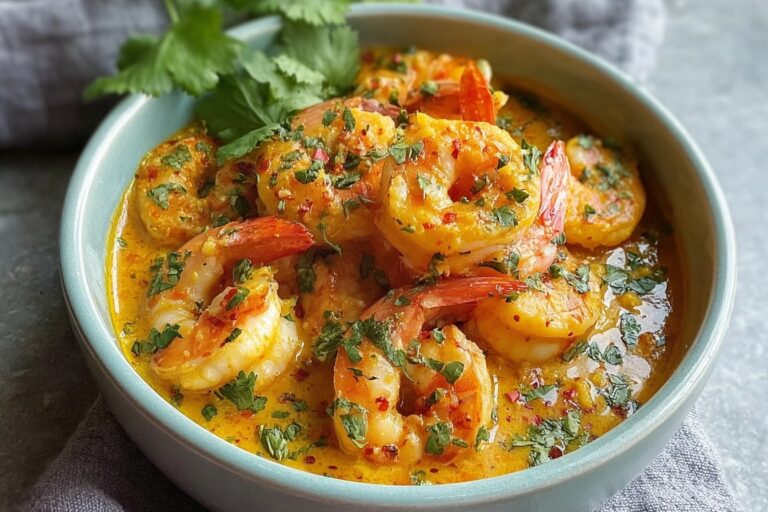
Indian Coconut Shrimp Curry
🌴 Dive into creamy, tropical bliss with coconut shrimp curry – tender shrimp in a rich, spiced coconut sauce that’s irresistibly flavorful and aromatic!
🍤 This quick, healthy seafood delight is perfect for weeknight dinners, packed with protein and bold Thai-inspired tastes everyone loves.
- Total Time: 45 minutes
- Yield: 4 servings
Ingredients
– 1 pound extra-large shrimp, peeled and deveined for main protein
– 1/4 teaspoon salt for bringing out the flavor of the shrimp
– 1/4 teaspoon black pepper for adding light heat and savory depth
– 1/4 teaspoon cayenne for a mild spicy kick
– 2 tablespoons lemon juice for brightening the shrimp and adding fresh flavor
– 1 tablespoon coconut oil for sautéing the onions and spices
– 1 medium onion, chopped for building the base flavor of the curry
– 3 cloves garlic, minced for adding aroma and deep savory taste
– 1 tablespoon fresh ginger, minced for giving the dish a warm, fresh bite
– 1/2 teaspoon black pepper for balancing the creamy sauce
– 1/2 teaspoon salt for seasoning the curry
– 1/2 teaspoon cumin for adding earthy warmth
– 2 teaspoons ground coriander for bringing a citrusy, slightly sweet spice note
– 1 teaspoon turmeric for adding color and a gentle earthy flavor
– 14 1/2 ounces diced tomatoes for giving the sauce body and a little tang
– 13 1/2 ounces coconut milk for making the curry creamy and smooth
– 2 tablespoons cilantro for garnish
– Cooked rice for serving
Instructions
1-First Step: Marinate the shrimpStart by placing 1 pound of peeled and deveined extra-large shrimp in a bowl. Add 1/4 teaspoon salt, 1/4 teaspoon black pepper, 1/4 teaspoon cayenne, and 2 tablespoons lemon juice. Toss everything together so the shrimp gets lightly coated. Let it sit while you prepare the sauce ingredients. This short marinade helps the shrimp pick up flavor without needing much time.
2-Second Step: Build the flavor baseSet a large skillet or sauté pan over medium heat. Add 1 tablespoon coconut oil and let it melt. Once the oil is warm, add 1 medium chopped onion and cook for about 4 to 5 minutes, stirring often, until the onion turns soft and lightly golden. Then add 3 cloves minced garlic and 1 tablespoon minced fresh ginger. Cook for 30 to 45 seconds, just until fragrant. This step gives the Indian Coconut Shrimp Curry its rich, homemade taste.
3-Third Step: Bloom the spicesStir in 1/2 teaspoon black pepper, 1/2 teaspoon salt, 1/2 teaspoon cumin, 2 teaspoons ground coriander, and 1 teaspoon turmeric. Let the spices cook for about 30 seconds. This helps wake up their flavor and gives the curry a deeper aroma. If you want a milder dish for kids or guests, keep the cayenne only in the shrimp marinade and do not add extra chili heat here.
4-Fourth Step: Add tomatoes and coconut milkPour in 14 1/2 ounces diced tomatoes and stir well, scraping up anything stuck to the pan. Let the tomatoes cook for 2 to 3 minutes so they soften and blend with the spices. Next, add 13 1/2 ounces coconut milk and stir until the sauce looks smooth and creamy. Lower the heat and let it simmer gently for about 5 minutes. The sauce should thicken slightly, but it should still stay pourable.
5-Fifth Step: Cook the shrimpAdd the marinated shrimp to the simmering sauce in a single layer if possible. Cook for 2 to 4 minutes, stirring once or twice, until the shrimp turn pink and opaque. Be careful not to overcook them, since shrimp can become tough quickly. If you want to add vegetables, this is a good time for quick-cooking options like spinach or peas. Stir them in during the last minute so they stay bright and tender.
6-Sixth Step: Finish and serveTurn off the heat and taste the curry. Add a little more salt if needed, but only after tasting, since the sauce and shrimp already have seasoning. Sprinkle 2 tablespoons cilantro on top for garnish. Serve the Indian Coconut Shrimp Curry warm over cooked rice so the sauce has something soft and filling to soak into.
Last Step:
Please leave a rating and comment letting us know how you liked this recipe! This helps our business to thrive and continue providing free, high-quality recipes for you.Notes
🦐 For the juiciest shrimp, marinate for at least 10 minutes but avoid overcooking – they finish fast in the sauce!
🥥 Use full-fat coconut milk for the creamiest texture; shake the can well before opening.
🌿 Fresh ginger and garlic elevate the flavor – grate them finely for even distribution.
- Prep Time: 15 minutes
- Marinating: 10 minutes
- Cook Time: 20 minutes
- Category: Main Dishes
- Method: Stovetop
- Cuisine: Thai
- Diet: Pescatarian
Nutrition
- Serving Size: 1/4 of recipe
- Calories: 380 kcal
- Sugar: 6g
- Sodium: 650mg
- Fat: 28g
- Saturated Fat: 20g
- Unsaturated Fat: 8g
- Trans Fat: 0g
- Carbohydrates: 15g
- Fiber: 3g
- Protein: 25g
- Cholesterol: 185mg