
Why You’ll Love Cuban Sandwiches
Cuban Sandwiches have a clear appeal for home cooks who want a filling meal with simple steps and strong flavor. This sandwich is built from a short list of ingredients, so it fits busy weeknights, lunch breaks, and quick weekend meals. It also brings together crisp bread, melted cheese, salty meat, and tangy pickles in a way that feels familiar and satisfying.
- Easy preparation: Cuban Sandwiches take about 10 to 15 minutes to assemble and press. That makes them a practical choice for busy parents, students, and working professionals who want a hot meal without a long cooking session.
- High-protein meal: The roasted pork, ham, and Swiss cheese give Cuban Sandwiches a strong protein base. That helps the sandwich feel hearty and filling, which is useful for lunch or a simple dinner.
- Flexible for different eaters: Cuban Sandwiches can be adjusted for regional style and personal preference. Tampa style includes salami, South Florida style leaves it out, and Key West style adds lettuce, tomatoes, and mayonnaise.
- Distinctive flavor and texture: The pressed crust, melted cheese, mustard, pickles, and savory meats create a sandwich with contrast in every bite. The bread stays crisp outside while the filling turns soft and rich inside.
A good Cuban Sandwich works because every layer has a job: the bread holds, the mustard cuts through the fat, the pickles add sharpness, and the press brings everything together.
For readers who enjoy food history, the Cuban sandwich also has a strong cultural story. You can read more about its background in this history of the Cuban sandwich. If you want more sandwich ideas for quick meals, see our recipe collection at Flavors by Design.
Jump to:
- Why You’ll Love Cuban Sandwiches
- Essential Ingredients for Cuban Sandwiches
- Special Dietary Options
- How to Prepare the Perfect Cuban Sandwiches: Step-by-Step Guide
- First Step: Prepare the bread and filling
- Second Step: Spread the mustard
- Third Step: Layer the meats, cheese, and pickles
- Fourth Step: Press the sandwich
- Final Step: Cut and serve
- Dietary Substitutions to Customize Your Cuban Sandwiches
- Protein and Main Component Alternatives
- Vegetable, Sauce, and Seasoning Modifications
- Mastering Cuban Sandwiches: Advanced Tips and Variations
- Pro cooking techniques
- Flavor variations
- Presentation tips
- Make-ahead options
- How to Store Cuban Sandwiches: Best Practices
- Refrigeration
- Freezing
- Reheating
- Meal prep considerations
- FAQs: Frequently Asked Questions About Cuban Sandwiches
- What is a Cuban sandwich?
- What’s the difference between a Tampa-style and Miami-style Cuban sandwich?
- How do I make a Cuban sandwich at home?
- What kind of bread is best for a Cuban sandwich?
- Where did the Cuban sandwich come from?
- Cuban Sandwiches
- Ingredients
- Instructions
- Last Step:
- Notes
- Nutrition
- Did you make this recipe?
Essential Ingredients for Cuban Sandwiches
This Cuban Sandwiches recipe makes 1 sandwich, and you can scale it up as needed. The list below includes the base ingredients, plus regional variations for Tampa style and Key West style.
| Ingredient | Amount | Purpose |
|---|---|---|
| Cuban bread | 1 loaf, sliced into 8 to 12 inch lengths | Creates the classic crusty outside and soft inside |
| Ham | Layered evenly, amount unspecified | Adds salty, savory flavor |
| Roast pork | Layered evenly, amount unspecified | Gives the sandwich its main meaty base |
| Swiss cheese | Layered evenly, amount unspecified | Melted cheese adds richness and texture |
| Pickles | Sliced, layered evenly, amount unspecified | Bring acidity and crunch |
| Mustard | Spread to taste, amount unspecified | Balances the fat in the meats and cheese |
| Butter or olive oil | Amount unspecified | Brush on the outside before pressing |
| Salami, Tampa style only | Layered evenly, amount unspecified | Gives a smoky, spiced note |
| Lettuce, Key West style only | Amount unspecified | Adds freshness and crunch |
| Tomatoes, Key West style only | Sliced, amount unspecified | Adds juiciness and mild sweetness |
| Mayonnaise, Key West style only | Spread to taste, amount unspecified | Brings creaminess |
Special Dietary Options
- Vegan: Use plant-based deli slices, vegan cheese, mustard, pickles, and vegan butter. A crusty bread with a sturdy crumb works best.
- Gluten-free: Choose a gluten-free loaf with a firm crust so the sandwich can still press well.
- Low-calorie: Use thinner layers of cheese and meat, and add extra pickles for more flavor without many extra calories.
The classic version is high in protein and also includes fats from pork and cheese. Calorie counts vary because the sandwich size, bread type, and meat portions can change the total.
How to Prepare the Perfect Cuban Sandwiches: Step-by-Step Guide
This Cuban Sandwiches recipe is simple, but the order matters. Good layering and correct pressing help the bread stay crisp while the filling melts together. The directions below follow the summary closely and include the regional variations where they belong.
First Step: Prepare the bread and filling
Slice the Cuban bread into 8 to 12 inch lengths. If you are making more than one sandwich, cut the bread into equal sections so each serving has the same structure. Gather the ham, roast pork, Swiss cheese, pickles, mustard, and any regional add-ins before you start layering.
If you want a richer outside crust, brush the bread lightly with butter or olive oil. This step helps the bread brown in the press. It also gives the sandwich a more even finish, which matters when you are making Cuban Sandwiches at home without a commercial plancha.
Second Step: Spread the mustard
Open the bread and spread mustard on the inside surface. Use as much as you like, but keep the layer even so one bite does not taste too sharp. Mustard gives the sandwich its familiar tang and helps cut through the richness of the meat and cheese.
For people who like a milder flavor, use a thinner layer. For those who enjoy a bolder taste, spread it closer to the edges. The goal is to keep the flavor balanced while still letting the pork and Swiss cheese stand out.
Third Step: Layer the meats, cheese, and pickles
Place the ham first, then add the roast pork in an even layer. Follow with Swiss cheese and sliced pickles. If you are making Tampa style Cuban Sandwiches, add salami as well. If you want the South Florida style, leave the salami out. If you prefer Key West style, add lettuce, tomatoes, and mayonnaise after the sandwich is pressed or use them in a fresh, unpressed variation.
Even layering matters here. If the filling piles up in one section, the sandwich may fall apart or press unevenly. Try to spread the ingredients from edge to edge so every bite has the same mix of flavors. This also helps reduce sogginess because the moisture stays balanced.
Fourth Step: Press the sandwich
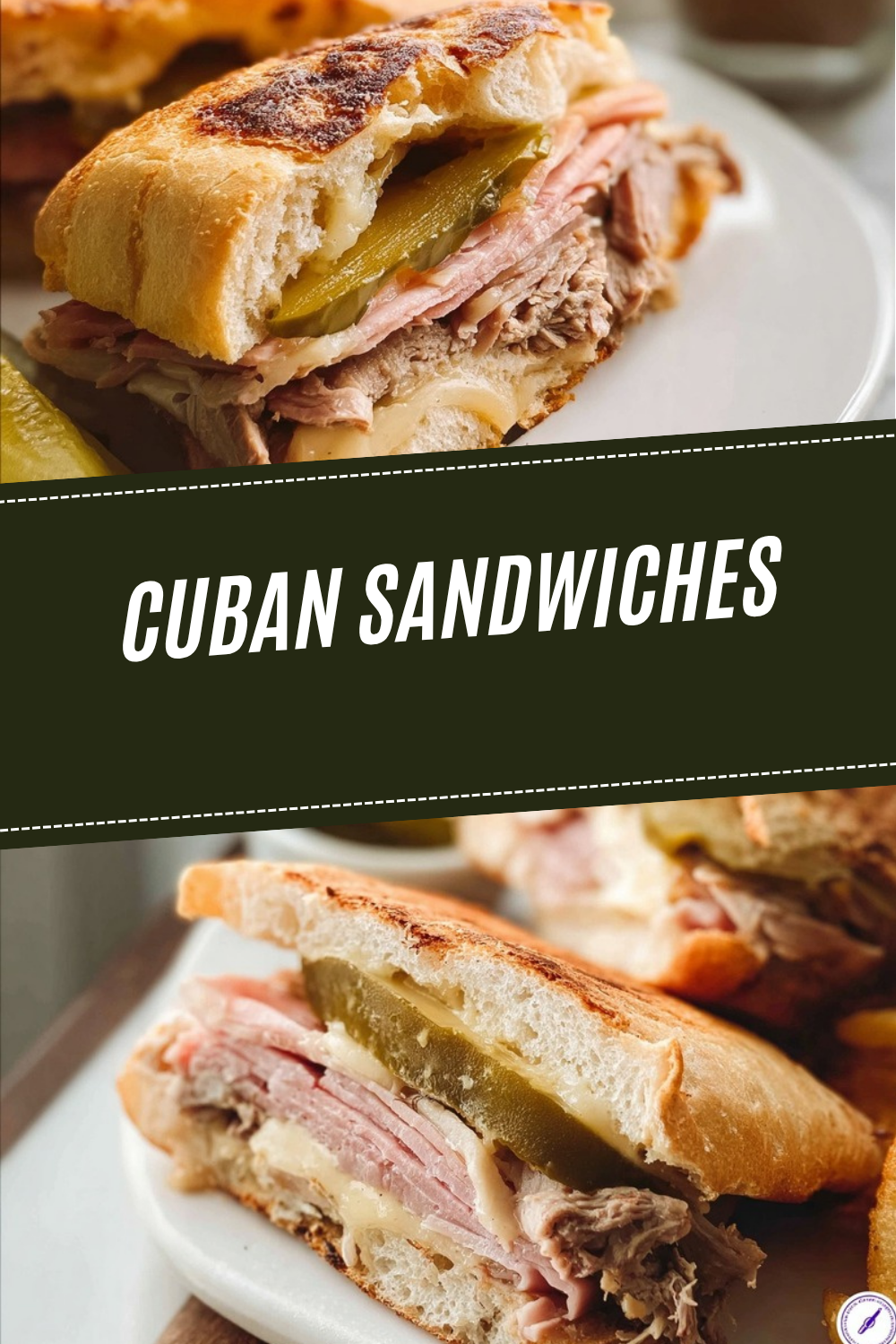
Close the sandwich and place it in a plancha or similar sandwich press. Press until the bread is crispy and the cheese melts. If you do not have a plancha, use a panini press or a skillet with another heavy pan on top. The press should flatten the bread slightly without crushing it completely.
The press is what turns Cuban Sandwiches into a distinct hot sandwich rather than a simple cold stack. Heat makes the cheese soft and the bread crisp. It also blends the flavors so the pickles, mustard, and meats taste more connected.
Final Step: Cut and serve
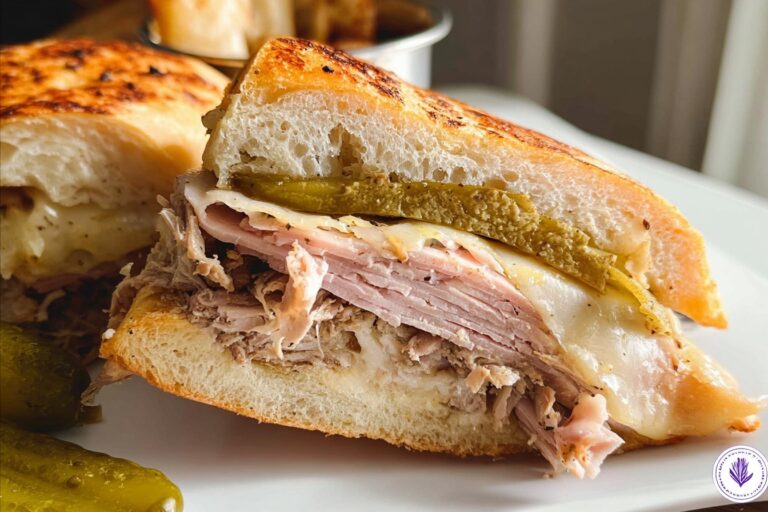
Remove the sandwich from the press and let it sit for a moment so the cheese settles. Then cut it into diagonal halves. This makes it easier to hold and gives the sandwich a cleaner presentation. Serve it right away while the bread is still crisp.
Preparation time: 10 to 15 minutes for assembly and pressing. That short time makes Cuban Sandwiches a strong option for lunch, dinner, and casual entertaining.
For the best result, use fresh, crusty bread and layer the filling evenly. That is the simplest way to keep the sandwich from getting soggy.

Dietary Substitutions to Customize Your Cuban Sandwiches
Protein and Main Component Alternatives
If you need to change the sandwich for diet or availability, start with the meat and cheese. Roast pork can be replaced with roasted turkey, chicken, or a plant-based deli slice. Ham can be swapped with another mild cured-style protein if needed, while Swiss cheese can be replaced with a dairy-free slice or another melting cheese.
For people who avoid pork, the sandwich still works well with a mix of turkey, chicken, or a vegetarian substitute. The key is to keep the layers thin and even so the sandwich presses properly. The bread and mustard still give Cuban Sandwiches their familiar structure even when the filling changes.
Vegetable, Sauce, and Seasoning Modifications
For Key West style, lettuce, tomatoes, and mayonnaise can be added for a fresher sandwich. You can also include extra pickles if you want more sharpness. If you like less salt, reduce the amount of ham or use a lighter cheese.
Seasoning changes can also shift the flavor in useful ways. A little garlic in the pork, a milder mustard, or a more generous pickle layer will all change the final bite. For a lighter meal, use less butter on the outside of the bread and press only until golden.
Cuban Sandwiches are flexible enough to fit different needs, but the best versions always keep the bread, press, and layered structure intact.
Mastering Cuban Sandwiches: Advanced Tips and Variations
Once you know the basic method, a few small changes can improve the final sandwich. These tips help with flavor, texture, and presentation, especially if you are making Cuban Sandwiches for guests or meal prep.
Pro cooking techniques
Use a plancha when possible because it gives the sandwich the most authentic pressed texture. If you are making several at once, keep the heat steady so the bread browns evenly. Thin slices of roast pork and ham usually press better than thick stacks, and they also keep the sandwich neat.
Let the roast pork rest before slicing if you are preparing it from scratch. That helps keep the meat juicy. A fresh loaf of Cuban bread also matters because older bread can dry out too quickly or crumble under pressure.
Flavor variations
Tampa style Cuban Sandwiches include salami, which adds a smoky and lightly spiced taste. South Florida style leaves salami out and keeps the focus on pork, ham, Swiss cheese, pickles, and mustard. Key West style adds lettuce, tomatoes, and mayonnaise, which gives the sandwich a softer and fresher profile.
You can also adjust the mustard amount or add more pickles for extra brightness. These changes are small, but they shift the sandwich in useful ways without losing the core identity.
Presentation tips
Cut the sandwich diagonally so the filling is visible at the center. Serve it on a board or plate with a simple side such as plantain chips, potato chips, or a green salad. The diagonal cut also makes it easier to share at parties or family meals.
Make-ahead options
You can cook the pork ahead of time and store it in the refrigerator for quick assembly later. Slice the pickles and cheese in advance, and keep the bread ready to go. When lunch time comes, all you need to do is layer, press, and serve.
How to Store Cuban Sandwiches: Best Practices
Cuban Sandwiches taste best right after pressing, but leftovers can still be handled well with the right storage method. The key is to keep the bread from turning too soft and the filling from drying out.
Refrigeration
Store leftover sandwich pieces in an airtight container in the refrigerator for up to 2 days. Wrap them first if you want to limit moisture loss. The bread may soften, but proper wrapping helps keep the sandwich edible and reasonably tidy.
Freezing
If you want to freeze components, freeze the roast pork on its own rather than the assembled sandwich. Bread and pickles do not freeze well in a finished Cuban Sandwich. For better results, freeze the meat in portions and build the sandwich fresh later.
Reheating
Reheat a leftover sandwich in a skillet, panini press, or oven until warm and crisp. Avoid the microwave if possible because it softens the bread too much. A low to medium heat works best for bringing back the crust without burning the outside.
Meal prep considerations
For batch cooking, prep the pork, slice the pickles, and portion the cheese in advance. Keep the bread separate until the day you plan to serve the sandwiches. That keeps Cuban Sandwiches closer to their ideal texture when you press them later.
FAQs: Frequently Asked Questions About Cuban Sandwiches
What is a Cuban sandwich?
A Cuban sandwich, also known as a Cubano, is a pressed grilled sandwich originating from Cuban-American communities in Florida. It features Cuban bread filled with roasted pork (lechon asado), boiled or cured ham, Swiss cheese, dill pickles, and yellow mustard. The sandwich is pressed on a plancha (flat griddle) until the bread is crispy and the cheese melts, creating a gooey, flavorful bite. Key to its taste is the mojo-marinated pork and the bread’s slight sweetness from lard. Popular in Tampa’s Ybor City since the early 1900s, it’s a handheld meal for cigar workers. At around 800-1000 calories, it’s hearty—pair it with plantain chips for authenticity. (92 words)
What’s the difference between a Tampa-style and Miami-style Cuban sandwich?
Tampa-style Cuban sandwiches stick to the original recipe: Cuban bread, roasted pork, ham, Swiss cheese, pickles, and mustard—no salami. They’re made with traditional bolillo-shaped bread and pressed lightly for a crisp exterior. Miami-style adds Genoa salami, reflecting Italian influences in the area, and uses a wider, flatter bread. Both are pressed hot, but Tampa versions emphasize pork flavor from slow-roasted lechon, while Miami’s salami adds a smoky, spicy edge. Purists argue Tampa’s is authentic, born in Ybor City around 1900 for workers. Try both: Tampa at Columbia Restaurant, Miami at Versailles. (98 words)
How do I make a Cuban sandwich at home?
Start with Cuban bread (or French/Italian substitute with lard brushed on). Layer thinly sliced roasted pork, ham, Swiss cheese, dill pickle slices, and yellow mustard. Butter the outside of the bread. Heat a panini press or cast-iron skillet to medium-high. Press the sandwich for 5-7 minutes until golden and cheese melts—use foil-wrapped bricks for weight if no press. Aim for 350-400°F for even toasting. Prep pork ahead: marinate in garlic, citrus, oregano, cumin overnight, then roast at 325°F for 3 hours. Serves 4; total time 30 minutes active. Pro tip: rest pork 10 minutes before slicing for juiciness. (102 words)
What kind of bread is best for a Cuban sandwich?
Authentic Cuban bread is essential—soft inside, crusty outside, with a palm leaf slit for oven steam and lard for flavor. It’s about 36 inches long, baked fresh daily, and slightly sweet. No seeds or hard crust like ciabatta. Substitutes: soft French or Italian bread brushed with lard and baked briefly. Avoid sourdough or baguettes—they’re too chewy. In Tampa, La Segunda Bakery supplies ideal loaves. For home, buy or make: mix flour, yeast, salt, sugar, lard; proof 1 hour, bake 20 minutes at 400°F with steam. This bread toasts perfectly without sogginess under pressure. (96 words)
Where did the Cuban sandwich come from?
The Cuban sandwich originated in Tampa, Florida’s Ybor City in the late 1890s-early 1900s, created by Cuban cigar workers blending island ingredients with local availability. Immigrants from Cuba combined medianoche elements with American ham and cheese for a portable lunch. By 1901, places like La Tropicana sold them. It spread to Miami via the 1960s Cuban exodus, evolving there. Recognized by Florida legislature in 2012 as Tampa’s signature sandwich. Key facts: over 100 years old, fueled labor during cigar boom (peak 1910s with 20,000 workers). Visit Ybor for originals at Naviera or Columbia Restaurant. (94 words)
Cuban Sandwiches
🥪 Dive into layers of smoky ham, juicy roast pork, melty Swiss cheese, and tangy pickles pressed between crispy Cuban bread for an irresistible crunch!
🔥 Authentic Miami flavor made easy at home – quick assembly, no fancy equipment needed, perfect for lunch or game day.
- Total Time: 25 minutes
- Yield: 4 sandwiches
Ingredients
– 1 loaf, sliced into 8 to 12 inch lengths Cuban bread Creates the classic crusty outside and soft inside
– Layered evenly, amount unspecified Ham Adds salty, savory flavor
– Layered evenly, amount unspecified Roast pork Gives the sandwich its main meaty base
– Layered evenly, amount unspecified Swiss cheese Melted cheese adds richness and texture
– Sliced, layered evenly, amount unspecified Pickles Bring acidity and crunch
– Spread to taste, amount unspecified Mustard Balances the fat in the meats and cheese
– Amount unspecified Butter or olive oil Brush on the outside before pressing
– Layered evenly, amount unspecified Salami, Tampa style only Gives a smoky, spiced note
– Amount unspecified Lettuce, Key West style only Adds freshness and crunch
– Sliced, amount unspecified Tomatoes, Key West style only Adds juiciness and mild sweetness
– Spread to taste, amount unspecified Mayonnaise, Key West style only Brings creaminess
Instructions
1-First Step: Prepare the bread and filling Slice the Cuban bread into 8 to 12 inch lengths. If you are making more than one sandwich, cut the bread into equal sections so each serving has the same structure. Gather the ham, roast pork, Swiss cheese, pickles, mustard, and any regional add-ins before you start layering. If you want a richer outside crust, brush the bread lightly with butter or olive oil. This step helps the bread brown in the press. It also gives the sandwich a more even finish, which matters when you are making Cuban Sandwiches at home without a commercial plancha.
2-Second Step: Spread the mustard Open the bread and spread mustard on the inside surface. Use as much as you like, but keep the layer even so one bite does not taste too sharp. Mustard gives the sandwich its familiar tang and helps cut through the richness of the meat and cheese. For people who like a milder flavor, use a thinner layer. For those who enjoy a bolder taste, spread it closer to the edges. The goal is to keep the flavor balanced while still letting the pork and Swiss cheese stand out.
3-Third Step: Layer the meats, cheese, and pickles Place the ham first, then add the roast pork in an even layer. Follow with Swiss cheese and sliced pickles. If you are making Tampa style Cuban Sandwiches, add salami as well. If you want the South Florida style, leave the salami out. If you prefer Key West style, add lettuce, tomatoes, and mayonnaise after the sandwich is pressed or use them in a fresh, unpressed variation. Even layering matters here. If the filling piles up in one section, the sandwich may fall apart or press unevenly. Try to spread the ingredients from edge to edge so every bite has the same mix of flavors. This also helps reduce sogginess because the moisture stays balanced.
4-Fourth Step: Press the sandwich Close the sandwich and place it in a plancha or similar sandwich press. Press until the bread is crispy and the cheese melts. If you do not have a plancha, use a panini press or a skillet with another heavy pan on top. The press should flatten the bread slightly without crushing it completely. The press is what turns Cuban Sandwiches into a distinct hot sandwich rather than a simple cold stack. Heat makes the cheese soft and the bread crisp. It also blends the flavors so the pickles, mustard, and meats taste more connected.
5-Final Step: Cut and serve Remove the sandwich from the press and let it sit for a moment so the cheese settles. Then cut it into diagonal halves. This makes it easier to hold and gives the sandwich a cleaner presentation. Serve it right away while the bread is still crisp.
Last Step:
Please leave a rating and comment letting us know how you liked this recipe! This helps our business to thrive and continue providing free, high-quality recipes for you.Notes
🥖 Seek out authentic Cuban bread or use a soft French/Italian loaf for the classic texture.
🔥 Press firmly and evenly to achieve that signature crispy exterior without sogginess.
🌴 Customize with salami for Tampa-style or add mayo/tomato for Key West variation.
- Prep Time: 15 minutes
- Cook Time: 10 minutes
- Category: Main Dish
- Method: Panini Press
- Cuisine: Cuban
Nutrition
- Serving Size: 1 sandwich
- Calories: 700 kcal
- Sugar: 5g
- Sodium: 2000mg
- Fat: 40g
- Saturated Fat: 15g
- Unsaturated Fat: 24g
- Trans Fat: 0.5g
- Carbohydrates: 50g
- Fiber: 3g
- Protein: 40g
- Cholesterol: 120mg