
Why You’ll Love These Claussen Pickle Recipes
If you have been searching for Claussen Pickle Recipes that taste crisp, tangy, and fresh from the fridge, this homemade version is going to win you over fast. It takes only about 25 minutes of hands-on time, uses simple pantry ingredients, and gives you that crunchy pickle bite people always hope for in homemade Claussen pickles.
These pickles are a great fit for busy parents, students, working professionals, and anyone who wants a snack that feels homemade without a lot of fuss. They are also a smart make-ahead option for parties, lunch boxes, and weekend meal prep. If you like learning more about fresh produce too, this helpful guide from Healthline’s cucumber nutrition breakdown is worth a look.
Ease of preparation
- This Claussen pickles copycat recipe comes together with a quick brine, clean jars, and a short ferment time.
- You do not need canning skills or special equipment beyond a fine mesh colander, a 4-cup measuring cup, and two quart jars.
- Most of the work is just washing, trimming, slicing, and waiting for the fridge to do the rest.
Health benefits
- Pickling cucumbers are low in calories, and each serving has just 20 calories.
- The recipe adds flavor without heavy oils or rich sauces, which makes it appealing for diet-conscious eaters.
- For more general pickle nutrition notes, see WebMD’s pickles nutrition article.
Versatility
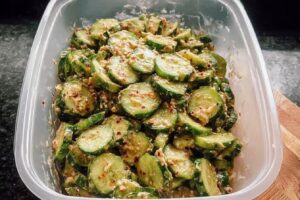
- These Claussen pickle recipes work well for sandwiches, burger nights, snack plates, and chopped into relish-style toppings.
- You can keep them classic or adjust the spice level with a little more red pepper flakes.
- They also fit into many meal plans because they are naturally vegetarian and easy to keep gluten free.
Distinctive flavor
- The mix of coriander seed, mustard seed, dill seed, black peppercorns, and dried garlic gives these Claussen pickles a bright, savory bite.
- The vinegar and salt brine creates that familiar refrigerated pickle taste people love.
- The texture stays crisp when you follow the simple trimming and storage steps.
These are the kind of pickles that disappear fast from the fridge because they taste so close to the store-bought favorite, but with that homemade charm everyone notices.
Jump to:
- Why You’ll Love These Claussen Pickle Recipes
- Ease of preparation
- Health benefits
- Versatility
- Distinctive flavor
- Essential Ingredients for Claussen Pickle Recipes
- Main Ingredients
- Special Dietary Options
- How to Prepare the Perfect Claussen Pickle Recipes: Step-by-Step Guide
- First Step: Make the brine
- Second Step: Prepare the cucumbers
- Third Step: Fill the jars
- Fourth Step: Strain and pour the brine
- Fifth Step: Rest on the counter
- Sixth Step: Refrigerate until ready
- Seventh Step: Serve and enjoy
- Dietary Substitutions to Customize Your Claussen Pickle Recipes
- Protein and Main Component Alternatives
- Vegetable, Sauce, and Seasoning Modifications
- Mastering Claussen Pickle Recipes: Advanced Tips and Variations
- Pro cooking techniques
- Flavor variations
- Presentation tips
- Make-ahead options
- How to Store Claussen Pickle Recipes: Best Practices
- Refrigeration
- Freezing
- Meal prep considerations
- Nutrition Information
- FAQs: Frequently Asked Questions About Claussen Pickle Recipes
- How do I make homemade Claussen-style pickles?
- Why is there scum or film on top of my fermenting Claussen pickles?
- What causes white sediment at the bottom of my Claussen pickle jar?
- How long do homemade Claussen pickles take to ferment?
- How do I store homemade Claussen pickles and how long do they last?
- Claussen Pickle Recipes
- Ingredients
- Instructions
- Last Step:
- Notes
- Nutrition
- Did you make this recipe?
Essential Ingredients for Claussen Pickle Recipes
When making homemade Claussen pickle recipe style pickles, fresh cucumbers and the right brine make all the difference. Use firm, knobby pickling cucumbers without wax so they stay crisp and soak up flavor well. Below is the full ingredient list, with every item measured out clearly so you can start with confidence.
Main Ingredients
- 20 to 25 small to medium pickling cucumbers, washed and trimmed – These are the star of the recipe and should be firm and fresh for the best crunch.
- 2 quarts cold water – This is the base of the brine and helps dissolve the salt and seasonings evenly.
- 1/2 cup white vinegar – Adds the tangy bite that helps create classic refrigerator pickle flavor.
- 1/3 cup canning or pickling salt or coarse Kosher salt – Gives the brine its salty balance and helps keep the pickles crisp.
- 1 teaspoon coriander seed – Adds warm, citrusy flavor.
- 1/2 teaspoon mustard seed – Brings gentle sharpness and depth.
- 1/4 teaspoon red pepper flakes – Adds a little heat without overpowering the brine.
- 1 tablespoon black peppercorns – Gives the pickles a bold, peppery edge.
- 1 tablespoon dill seed – Adds the classic dill pickle taste.
- 1/4 teaspoon dried garlic – Gives savory flavor throughout the jars.
- Fine mesh colander – Used to strain the brine so the solids can be divided evenly.
- 4-cup measuring cup – Helpful for mixing and pouring the brine.
- Optional pickle crisp, 1/4 teaspoon per quart jar – A simple way to help prevent sogginess.
Special Dietary Options
- Vegan: This recipe is already plant based.
- Gluten free: The ingredients are naturally gluten free, but always check labels on vinegar and salt blends.
- Low calorie: Keep portions to one pickle serving and pair with lean proteins or fresh vegetables.
| Ingredient | Purpose | Helpful Note |
|---|---|---|
| Pickling cucumbers | Texture | Choose small, firm cucumbers for crunch |
| White vinegar | Acidity | Use at least 5 percent acidity |
| Pickling salt | Flavor and preservation | Avoid iodized salt to reduce cloudiness |
| Pickle crisp | Crispness | Optional, but useful for softer cucumbers |
How to Prepare the Perfect Claussen Pickle Recipes: Step-by-Step Guide
These Claussen pickle recipes are easy enough for first-timers, but the small details matter. The good news is that the process is simple, and once you do it once, you will probably want to make batch after batch. The total preparation time is about 25 minutes, then the refrigerator does the rest.
First Step: Make the brine
Start by combining 2 quarts cold water and 1/2 cup white vinegar in a pitcher or mixing container. Add 1/3 cup canning or pickling salt or coarse Kosher salt, 1 teaspoon coriander seed, 1/2 teaspoon mustard seed, 1/4 teaspoon red pepper flakes, 1 tablespoon black peppercorns, 1 tablespoon dill seed, and 1/4 teaspoon dried garlic. Stir until the salt dissolves fully and the brine looks well mixed.
This is the part that gives homemade Claussen pickles their signature taste, so do not rush it. If the salt is not dissolved, the flavor can end up uneven in the jars. Using a 4-cup measuring cup makes the brine easier to pour later, and a pitcher gives you more control when filling the jars.
Second Step: Prepare the cucumbers
Wash 20 to 25 small to medium pickling cucumbers very well. Trim both the blossom end and the stem end, because trimming the blossom end helps keep the pickles from turning mushy. Then slice each cucumber in half lengthwise so they fit nicely into the jars and absorb the brine quickly.
Choose firm cucumbers without wax coating. If the cucumbers feel soft or look yellow, skip them. Fresh cucumbers are the secret to a crisp Claussen pickles copycat recipe.
Third Step: Fill the jars
Use two clean quart jars for this recipe. Divide the dill seed and dried garlic between the jars, then pack in the cucumber halves. You want the cucumbers snug, but not crushed. A tight pack helps them stay below the brine level once you pour it in.
If you like to keep your fridge organized, label the jars with the date. That makes it easy to track the one day on the counter and the extra 2 to 3 days in the refrigerator.
Fourth Step: Strain and pour the brine
Set a fine mesh colander over a bowl or another container and strain the brine to separate the solids. Divide the solids evenly between the two jars. Then pour the brine into each jar until the cucumbers are fully covered. If you are using pickle crisp, add 1/4 teaspoon per quart jar now.
Make sure the brine covers every piece. Anything poking above the surface is more likely to soften or discolor. If needed, gently press the cucumber halves down with a clean spoon.
Fifth Step: Rest on the counter
Cover the jars lightly with lids. Do not tighten them all the way at this stage. Leave the jars on the counter for 1 day so the flavor can begin to develop at room temperature. This short rest helps the seasoning settle into the cucumbers and starts that classic Claussen style taste.
Do not skip the first day on the counter if you want that fresh, tangy refrigerated pickle flavor people expect from Claussen-style pickles.
Sixth Step: Refrigerate until ready
After the first day, move the jars to the refrigerator for 2 to 3 more days. The pickles will continue to absorb flavor and firm up as they chill. By the end of that time, they should be ready to eat.
Once ready, secure the lids and store the jars in the refrigerator for up to six months. The texture is usually best earlier rather than later, so try to enjoy them within the first few months for the crispest bite.
Seventh Step: Serve and enjoy
Serve the pickles cold straight from the jar. They are fantastic with sandwiches, pulled pork, burgers, grilled chicken, or just as a snack on their own. Because these are refrigerated pickles, they keep that bright crunch better than shelf-stable versions.
If you are making them for a crowd, consider slicing a few into spears or serving them whole on a pickle plate. For simple entertaining, they add a nice salty bite beside cheese, crackers, and deli meats.

Dietary Substitutions to Customize Your Claussen Pickle Recipes
Protein and Main Component Alternatives
Even though this recipe is already plant based, you can still adjust it for different tastes and household needs. If you like stronger garlic flavor, increase the dried garlic slightly. If you want more heat, add a pinch more red pepper flakes. For a milder jar, cut the pepper flakes in half and keep the other seasonings the same.
If you are serving people who want less sodium, keep the brine ratios unchanged for safety, but serve smaller portions. Since the salt plays an important role in both flavor and texture, reducing it too much can make the pickles less crisp. When you need a lower salt snack, pair one pickle with fresh vegetables, hummus, or a lean protein rather than adding extra salty foods.
Vegetable, Sauce, and Seasoning Modifications
You can use the same method with other firm vegetables like green beans or carrot sticks if you want a mixed pickle jar. Just keep in mind that cooking times and texture will vary. If you want a brighter flavor, add a little more dill seed. If you prefer a deeper savory note, increase the black peppercorns by a small amount.
For gluten free eating, this recipe already fits well, but always read the label on your vinegar and any added seasoning blends. For a lighter version, skip the optional pickle crisp and focus on very fresh cucumbers instead. The base Claussen pickle recipe still delivers strong flavor with just the pantry spices and proper brine.
Mastering Claussen Pickle Recipes: Advanced Tips and Variations
Once you have the basic Claussen pickle recipes down, a few small tricks can make a big difference. Trim the blossom end of every cucumber to avoid mushiness. Wash your hands before handling the cucumbers so you do not bring extra bacteria into the jars. And always use vinegar with at least 5 percent acidity, since watering it down can weaken the pickle flavor and affect the final texture.
Pro cooking techniques
Use only pickling salt or coarse Kosher salt to prevent cloudiness in the brine. Skip iodized table salt because it can change the look of the pickle liquid. If you want extra crunch, add the optional 1/4 teaspoon pickle crisp per quart jar. You can also skim any scum that forms on top during fermentation or early resting. White sediment at the bottom is normal and usually comes from salt or bacteria activity, so do not panic if you see it.
Flavor variations
Try a little more red pepper flakes for a spicy jar or slightly extra dill seed for a stronger dill profile. You can also add another pinch of black peppercorns if you like bold pickle flavor. If you enjoy a sweeter edge, serve these with sweeter foods instead of changing the brine, since the classic taste is part of the charm.
Presentation tips
Serve the pickles in a clear glass dish or straight from a clean jar so the herbs and spices are visible. If you are putting together a snack board, cut a few halves into spears for easy grabbing. Their bright green color looks great beside sandwiches, wraps, and party platters.
Make-ahead options
These are ideal for meal prep because the flavor improves after a day or two in the fridge. Make a batch on Sunday and use them all week long. They are especially handy for travel lunches, school meals, and casual entertaining because they are ready when you are.
How to Store Claussen Pickle Recipes: Best Practices
Proper storage is what keeps these Claussen pickles crisp and tasty. After the initial counter rest and refrigeration period, keep the jars sealed and stored in the refrigerator. A clean utensil is always best when removing pickles so you do not introduce extra bacteria into the jar.
Refrigeration
Store the pickles in the refrigerator at all times once the fermentation or resting period is done. They can last up to six months, though the best texture is usually in the first month or two. Keep them submerged in brine and reseal the lid after each use.
Freezing
Freezing is not a good choice for this recipe because it can soften the cucumbers and make them watery. For that reason, refrigeration is the best long-term plan for a homemade Claussen pickle recipe.
Meal prep considerations
If you are making several jars at once, label them with the date and use the oldest ones first. If the brine level drops a bit, you can top it off with a fresh 5 percent brine made from 1/2 cup salt per 2 quarts water. That helps keep the cucumbers covered and ready for snacking all week.
Nutrition Information
Per 1 pickle serving, this recipe provides 20 calories, 3 grams carbohydrates, 1647 milligrams sodium, 199 milligrams potassium, 1 gram fiber, 1 gram sugar, 110 IU vitamin A, 4.5 milligrams vitamin C, 30 milligrams calcium, and 0.4 milligrams iron. Nutrition values will vary slightly based on cucumber size and how much brine each pickle absorbs.
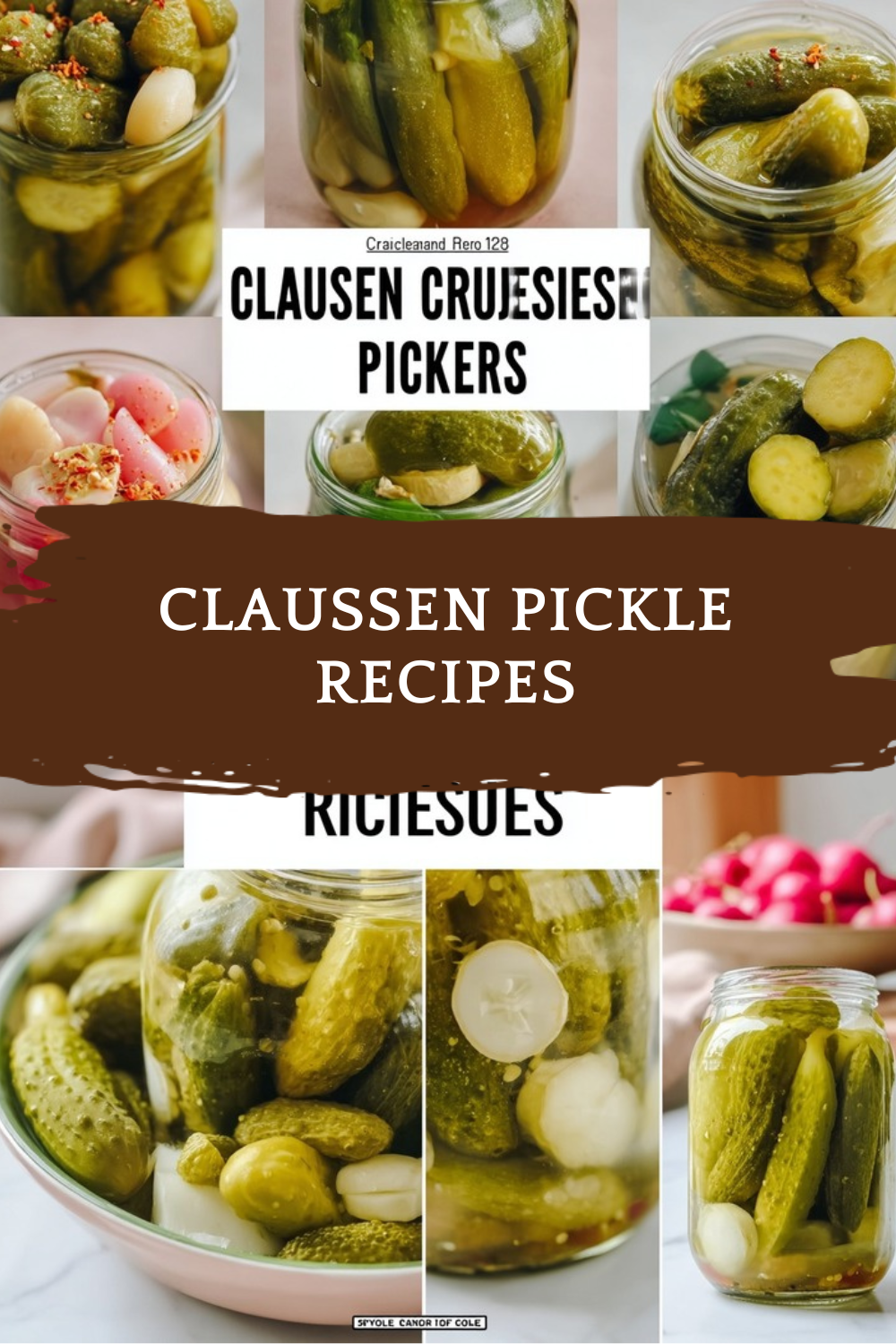
FAQs: Frequently Asked Questions About Claussen Pickle Recipes
How do I make homemade Claussen-style pickles?
To make homemade Claussen-style pickles, start with 4-5 pounds of small Kirby or Persian cucumbers, washed and ends trimmed. Pack them tightly into a 1-gallon glass jar with 6-8 smashed garlic cloves, 2 tablespoons black peppercorns, 2 large fresh dill heads or 4 tablespoons dill seed, and 1-2 grape leaves for crispness. Dissolve 1/2 cup pickling salt (like kosher or sea salt) in 2 quarts filtered water to make a 5% brine. Pour over cucumbers, ensuring they’re submerged—use a weight if needed. Cover loosely and ferment at room temperature (65-75°F) for 5-7 days, skimming scum daily and tasting for doneness. Once tangy and crisp, refrigerate to stop fermentation. They last 2-3 months in the fridge. This copycat recipe mimics Claussen’s refrigerated crunch without vinegar. Yield: about 4 quarts. Adjust salt slightly for taste, but don’t use iodized salt.
Why is there scum or film on top of my fermenting Claussen pickles?
Scum or a white film on top of your fermenting Claussen-style pickles is normal during the first 3-5 days. It’s caused by wild yeast and bacteria (kahm yeast) thriving on the surface as lactic acid fermentation begins. Bubbles may also rise. Skim it off daily with a clean spoon and discard—rinse the spoon to avoid contamination. This doesn’t affect the pickles below the brine if they’re fully submerged. To prevent excess scum, keep the jar covered loosely with a cloth or lid not fully sealed, maintain 65-75°F temps, and use clean equipment. If mold appears (fuzzy, colorful), discard the batch. After skimming, the brine may smell stronger, but that’s fine. By day 5-7, fermentation slows, scum lessens, and pickles are ready to refrigerate. This step ensures safe, tangy results like store-bought Claussen.
What causes white sediment at the bottom of my Claussen pickle jar?
White sediment at the bottom of your homemade Claussen pickle jar comes from two harmless sources: anti-caking agents in the salt (like yellow prussiate of soda in some kosher salts) that settle out, or natural fermenting bacteria (like lactobacillus) forming a thin yeast layer. It’s common after 5-10 days and doesn’t indicate spoilage—the pickles remain safe and tasty. Shake the jar gently before eating; it won’t harm flavor or texture. To minimize it, use pure pickling salt without additives or filtered water. If the sediment is thick or slimy, check for over-fermentation (too warm or too long). Rinse pickles if concerned, but it’s edible. Store in the fridge at 35-40°F to slow activity. This mirrors commercial Claussen jars, where sediment is normal and safe per USDA guidelines on fermented foods.
How long do homemade Claussen pickles take to ferment?
Homemade Claussen-style pickles ferment in 5-7 days at room temperature (65-75°F), but time varies by cucumber freshness, ambient temp, and salt concentration. Taste daily starting day 3: they should be tangy, crisp, and pickle-flavored when ready. Cooler temps (below 65°F) extend to 10 days; warmer (above 75°F) shortens to 3-5 days but risks softness. Burp the jar daily to release CO2, skim scum, and keep submerged. Once perfect, refrigerate to halt fermentation—they’ll develop more flavor over 1-2 weeks in the fridge. Don’t ferment beyond 10 days to avoid mushiness from pectin breakdown. Pro tip: Use the freshest cucumbers (firm, no yellowing) for best crunch. This timeline matches popular copycat recipes, yielding fridge pickles that last 2-3 months.
How do I store homemade Claussen pickles and how long do they last?
Store homemade Claussen-style pickles in the refrigerator at 35-40°F immediately after fermentation to preserve crispness and stop souring. Keep submerged in brine in a sealed glass jar—always use a clean utensil to grab them. They last 2-3 months, but taste best within 1 month. If brine clouds or level drops, top off with 5% salt brine (1/2 cup salt per 2 quarts water). Freezing isn’t recommended as it softens texture. Signs of spoilage: off smells (not just sour), slime, or mold—discard then. For longer storage, process in a water bath canner for 10 minutes (pint jars), but this changes the fresh fermented taste. Link these to your dill pickle relish recipe for using extras. Proper storage keeps that authentic Claussen snap for sandwiches or snacks.
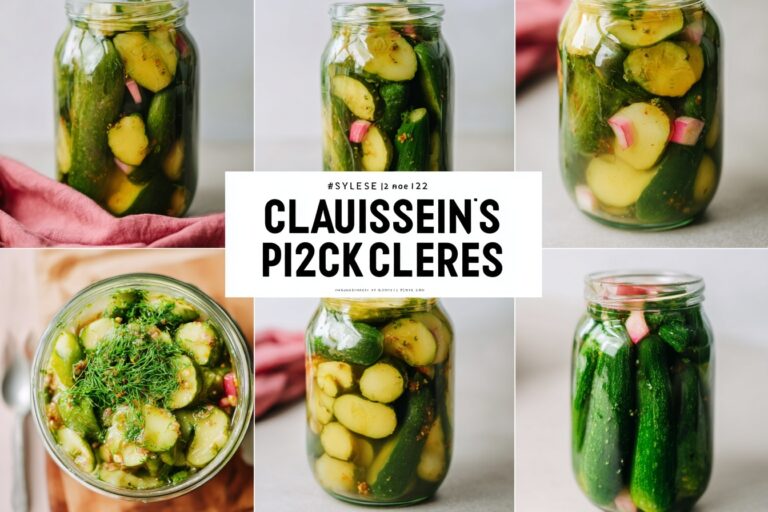
Claussen Pickle Recipes
🥒 Craft crunchy, garlicky homemade Claussen pickles that rival the store-bought version, bursting with fresh dill flavor and no preservatives.
🫙 Low-calorie, probiotic-rich snacking perfected at home – ideal for burgers, sandwiches, or straight from the jar for endless crunch!
- Total Time: 3-4 days
- Yield: 2 quart jars (about 40 pickles)
Ingredients
– 20 to 25 small to medium pickling cucumbers for texture
– 2 quarts cold water
– 1/2 cup white vinegar for acidity
– 1/3 cup canning or pickling salt or coarse Kosher salt for flavor and preservation
– 1 teaspoon coriander seed
– 1/2 teaspoon mustard seed
– 1/4 teaspoon red pepper flakes
– 1 tablespoon black peppercorns
– 1 tablespoon dill seed
– 1/4 teaspoon dried garlic
– 1/4 teaspoon pickle crisp per quart jar for crispness
Instructions
1-First Step: Make the brine Start by combining 2 quarts cold water and 1/2 cup white vinegar in a pitcher or mixing container. Add 1/3 cup canning or pickling salt or coarse Kosher salt, 1 teaspoon coriander seed, 1/2 teaspoon mustard seed, 1/4 teaspoon red pepper flakes, 1 tablespoon black peppercorns, 1 tablespoon dill seed, and 1/4 teaspoon dried garlic. Stir until the salt dissolves fully and the brine looks well mixed. This is the part that gives homemade Claussen pickles their signature taste, so do not rush it. If the salt is not dissolved, the flavor can end up uneven in the jars. Using a 4-cup measuring cup makes the brine easier to pour later, and a pitcher gives you more control when filling the jars.
2-Second Step: Prepare the cucumbers Wash 20 to 25 small to medium pickling cucumbers very well. Trim both the blossom end and the stem end, because trimming the blossom end helps keep the pickles from turning mushy. Then slice each cucumber in half lengthwise so they fit nicely into the jars and absorb the brine quickly. Choose firm cucumbers without wax coating. If the cucumbers feel soft or look yellow, skip them. Fresh cucumbers are the secret to a crisp Claussen pickles copycat recipe.
3-Third Step: Fill the jars Use two clean quart jars for this recipe. Divide the dill seed and dried garlic between the jars, then pack in the cucumber halves. You want the cucumbers snug, but not crushed. A tight pack helps them stay below the brine level once you pour it in. If you like to keep your fridge organized, label the jars with the date. That makes it easy to track the one day on the counter and the extra 2 to 3 days in the refrigerator.
4-Fourth Step: Strain and pour the brine Set a fine mesh colander over a bowl or another container and strain the brine to separate the solids. Divide the solids evenly between the two jars. Then pour the brine into each jar until the cucumbers are fully covered. If you are using pickle crisp, add 1/4 teaspoon per quart jar now. Make sure the brine covers every piece. Anything poking above the surface is more likely to soften or discolor. If needed, gently press the cucumber halves down with a clean spoon.
5-Fifth Step: Rest on the counter Cover the jars lightly with lids. Do not tighten them all the way at this stage. Leave the jars on the counter for 1 day so the flavor can begin to develop at room temperature. This short rest helps the seasoning settle into the cucumbers and starts that classic Claussen style taste.
6-Sixth Step: Refrigerate until ready After the first day, move the jars to the refrigerator for 2 to 3 more days. The pickles will continue to absorb flavor and firm up as they chill. By the end of that time, they should be ready to eat. Once ready, secure the lids and store the jars in the refrigerator for up to six months. The texture is usually best earlier rather than later, so try to enjoy them within the first few months for the crispest bite.
7-Seventh Step: Serve and enjoy Serve the pickles cold straight from the jar. They are fantastic with sandwiches, pulled pork, burgers, grilled chicken, or just as a snack on their own. Because these are refrigerated pickles, they keep that bright crunch better than shelf-stable versions. If you are making them for a crowd, consider slicing a few into spears or serving them whole on a pickle plate. For simple entertaining, they add a nice salty bite beside cheese, crackers, and deli meats.
Last Step:
Please leave a rating and comment letting us know how you liked this recipe! This helps our business to thrive and continue providing free, high-quality recipes for you.Notes
🥒 Always trim the blossom end of cucumbers to prevent mushiness during fermentation.
🧂 Use only pickling or coarse kosher salt to avoid cloudy brine.
❄️ Add pickle crisp granules for restaurant-style extra crunch.
- Prep Time: 25 minutes
- Fermentation: 3-4 days
- Category: Condiment
- Method: Pickling
- Cuisine: American
- Diet: Vegan
Nutrition
- Serving Size: 1 pickle
- Calories: 20 kcal
- Sugar: 1g
- Sodium: 1647mg
- Fat: 0g
- Saturated Fat: 0g
- Unsaturated Fat: 0g
- Trans Fat: 0g
- Carbohydrates: 3g
- Fiber: 1g
- Protein: 1g
- Cholesterol: 0mg