

Why You’ll Love This Tender Beef
Have you ever wanted tender beef that melts in your mouth without spending hours in the kitchen? This simple technique delivers exactly that, making it a go-to for anyone aiming for juicy results with minimal effort. Not only is it easy to prepare, but it also packs in health benefits like essential proteins and nutrients that support your daily energy needs.
Picture this: you can whip up a flavorful meal using budget-friendly cuts that turn out velvety soft, perfect for busy weeknights or quick family dinners. Whether you’re a home cook experimenting in the kitchen or a parent juggling schedules, this method adapts to various preferences while keeping things delicious and straightforward.
- Ease of preparation: This tender beef recipe needs just a few ingredients and about 30 minutes of prep time, ideal for last-minute meals.
- Health benefits: It offers a rich source of protein and iron to help with muscle repair and energy, all while staying low in unhealthy fats.
- Versatility: Easily tweak it for dietary needs like gluten-free or plant-based options without losing that amazing taste.
- Distinctive flavor: The process brings out the beef’s natural taste through simple steps, resulting in a dish you’ll want to make again and again.
You might wonder how such a basic hack can make such a difference, and it’s all about using everyday items to unlock tenderness. For those looking to expand their recipe collection, check out our delicious lemon olive oil cake to pair with your meal for a sweet finish.
Jump to:
- Why You’ll Love This Tender Beef
- Essential Ingredients for Tender Beef
- Main Ingredients
- How to Prepare the Perfect Tender Beef: Step-by-Step Guide
- Dietary Substitutions to Customize Your Tender Beef
- Mastering Tender Beef: Advanced Tips and Variations
- Pro Cooking Techniques
- Flavor Variations
- Presentation and Make-Ahead Options
- How to Store Tender Beef: Best Practices
- FAQs: Frequently Asked Questions About Tender Beef
- How does using baking soda make beef more tender for stir fries?
- Which beef cuts are best suited for tenderising with baking soda?
- What is the proper way to apply and rinse baking soda when tenderising beef?
- Can I marinate beef after tenderising it with baking soda?
- Will the baking soda tenderising method change the flavor of the beef?
- Tender Beef
- Ingredients
- Instructions
- Last Step:
- Notes
- Nutrition
- Did you make this recipe?
Essential Ingredients for Tender Beef
Gathering the right ingredients is key to achieving that perfect tender beef texture. Let’s break down what you need for this recipe, focusing on precise measurements to ensure success every time. By using these simple items, you can transform economical cuts into something truly special.
Main Ingredients
- 250 g / 8 oz thinly sliced stewing beef or other economical beef cuts
- 3/4 tsp baking soda (bi-carbonate soda)
This list covers everything required, making it easy to shop and prepare without any extras. Remember, accurate quantities help maintain the balance and tenderness in your dish.
How to Prepare the Perfect Tender Beef: Step-by-Step Guide
Getting tender beef just right starts with careful steps that anyone can follow at home. Begin by preparing your ingredients to set yourself up for smooth cooking, just like in any great recipe. This method keeps things simple yet effective for juicy results.
- First, prepare all ingredients by slicing the beef thinly against the grain to improve tenderness from the start.
- Place the beef in a bowl and sprinkle 3/4 tsp baking soda evenly over it; toss with your fingers to coat every piece thoroughly.
- Refrigerate for 20 to 40 minutes depending on the beef cut use 30 minutes for chuck or stewing cuts, 20 minutes for economical steaks, and 40 minutes for blade cuts.
- Rinse the beef thoroughly under tap water to remove the baking soda completely.
- Pat dry with paper towels to remove excess water, ensuring the beef is ready for cooking without any moisture issues.
- Proceed with cooking the beef in your preferred stir fry or quick-cook recipe, marinating briefly for about 10 minutes if desired.
- Finally, cook quickly over high heat by stir frying or shallow/deep frying to keep the beef tender and full of flavor.
For those adapting for dietary needs, remember to use vegetable broth if going plant-based. This guide builds on the basics, helping you create meals that impress without complicating things.

Dietary Substitutions to Customize Your Tender Beef
Making tender beef work for your lifestyle is all about smart swaps that keep the dish tasty and inclusive. If you’re watching your diet or have preferences, these changes make it easy to adjust. Let’s explore some practical options that fit right into the recipe.
- Protein alternatives: For vegetarians or vegans, jackfruit or seitan can replace beef, offering a similar texture that absorbs flavors well.
- Lean options: Try turkey breast for a lower-fat version that still provides plenty of protein without sacrificing satisfaction.
- Broth swaps: Use vegetable broth instead of beef broth to make it plant-based and keep everything juicy.
- Seasoning tweaks: Opt for coconut aminos in place of soy sauce to ensure it’s gluten-free and adds a nice depth.
- Veggie additions: Incorporate mushrooms or bell peppers to boost nutrients and add extra crunch.
These substitutions allow you to enjoy tender beef no matter your needs, making it a flexible favorite in your kitchen.
Mastering Tender Beef: Advanced Tips and Variations
Once you’ve nailed the basics of tender beef, it’s time to level up with some pro tips that enhance your cooking game. Think about searing at high heat to lock in flavors or experimenting with herbs for a fresh twist. These ideas help you customize the recipe while keeping it simple and effective.
Pro Cooking Techniques
Sear the beef at high temperature to create a flavorful crust before proceeding with the rest of the recipe. This step adds depth without much extra effort.
Flavor Variations
Try adding smoked paprika or rosemary to deepen the taste profile, turning a basic dish into something extraordinary. For an extra layer, a splash of red wine can work wonders, as long as it complements the overall flavor.
Presentation and Make-Ahead Options
Slice the beef thinly against the grain and garnish with fresh herbs for an elegant look that impresses at the table. If you’re prepping in advance, make the beef a day ahead, store it in the fridge, and reheat gently to save time on busy days. For dessert pairings, don’t miss our blackberry cobbler recipe, which goes great after a savory meal.
This technique softens beef fibers for a velvety texture, letting you use budget cuts that shine in quick dishes.
How to Store Tender Beef: Best Practices
Keeping your tender beef fresh is as important as preparing it, so proper storage helps maintain that juicy quality. Start by cooling the beef quickly after cooking to prevent bacterial growth. These steps ensure your meals stay safe and tasty for later.
- Refrigeration: Put cooked tender beef in an airtight container and keep it in the fridge for up to 3 days.
- Freezing: Use freezer-safe bags, squeeze out the air, and store for up to 3 months to lock in freshness.
- Reheating: Warm it slowly on low heat or in the microwave with a cover to keep it moist and avoid making it tough.
- Meal prep tips: Divide into portions for easy reheating, which cuts down on waste and makes weeknights simpler.
With these practices, you can enjoy tender beef even on your busiest days without losing its appeal.
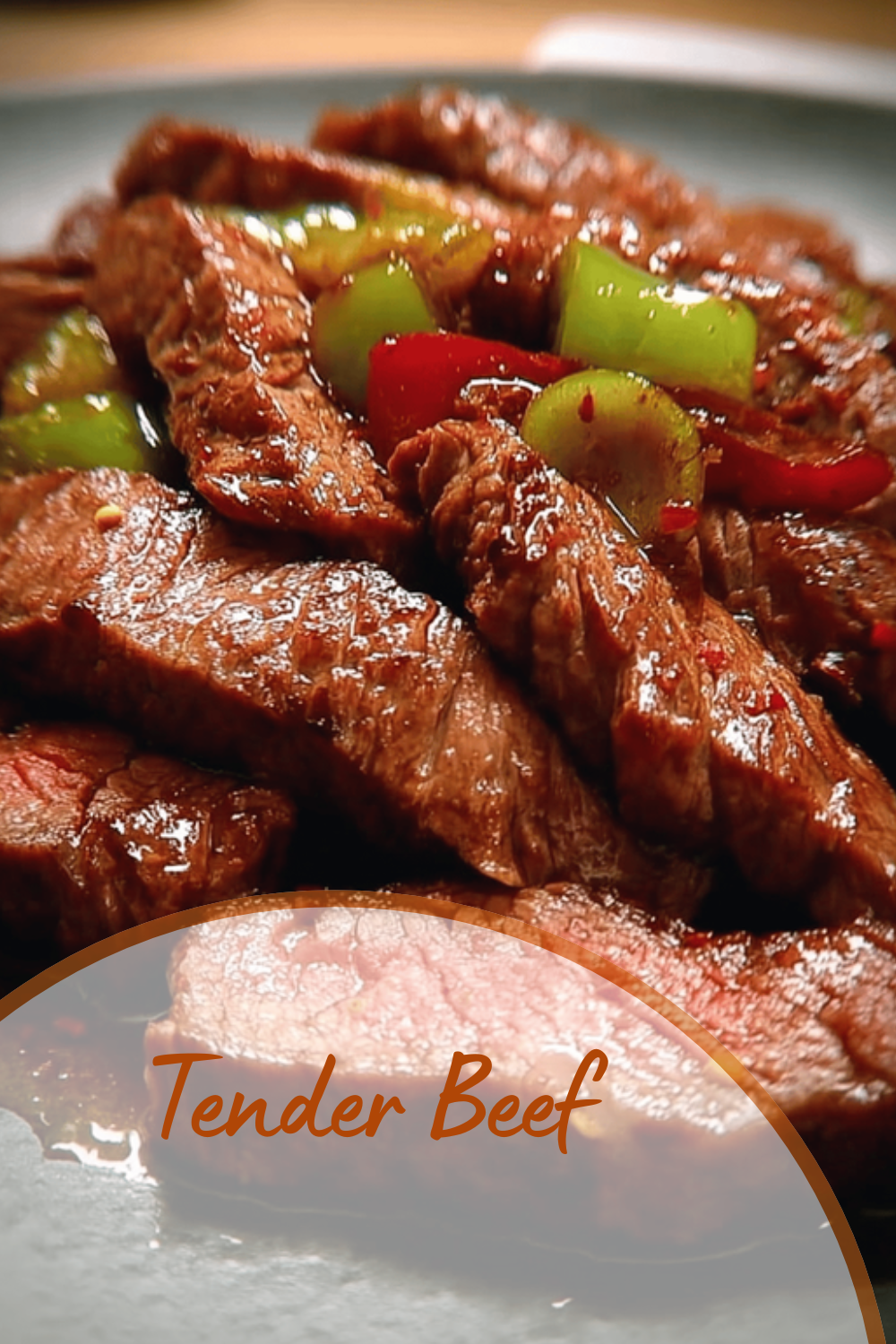
FAQs: Frequently Asked Questions About Tender Beef
How does using baking soda make beef more tender for stir fries?
Baking soda tenderises beef by raising its pH level, which weakens the muscle proteins, making the meat softer and allowing it to retain moisture during cooking. When thin slices of beef are coated with baking soda and left to rest for 20 to 40 minutes, the result is a velvety texture similar to what’s found in Chinese restaurant stir fries. This method works best for economical cuts, transforming tougher meat into tender, juicy pieces suitable for quick cooking.
Which beef cuts are best suited for tenderising with baking soda?
Economical and tougher cuts like rump, sirloin, porterhouse, chuck, and oyster blade respond well to baking soda tenderising. These cuts can benefit from the softening effects before stir frying. On the other hand, premium cuts such as tenderloin and rib eye are naturally tender and do not require this process. Avoid applying baking soda to whole steaks or very thick cuts, as the method is most effective with thinly sliced or small pieces.
What is the proper way to apply and rinse baking soda when tenderising beef?
To tenderise beef, sprinkle about ¾ teaspoon of baking soda evenly over 250 grams (8 ounces) of thinly sliced beef. Toss the beef to coat all pieces, then refrigerate for 20 to 40 minutes depending on the cut. After resting, rinse the beef thoroughly under cold water to remove excess baking soda, then pat dry with paper towels before cooking. Rinsing is crucial to prevent any off-flavor and to ensure the beef cooks properly.
Can I marinate beef after tenderising it with baking soda?
Yes, marinating tenderised beef is encouraged as the baking soda process opens the meat’s structure, allowing it to soak up flavors more quickly and deeply. After rinsing and drying the beef, apply your marinade—whether wet or dry—and let it sit even for as little as 10 minutes before cooking. This enhances taste without needing extended marination times typical of tougher cuts.
Will the baking soda tenderising method change the flavor of the beef?
Tenderising beef with baking soda primarily affects the texture, making the meat more tender and juicy without significantly altering its natural taste. If done correctly, rinsing off the baking soda prevents any soapy or metallic aftertaste. The final flavor depends mainly on the beef cut and the sauces or seasonings used during cooking, allowing you to enjoy tender meat that fits a variety of recipes.
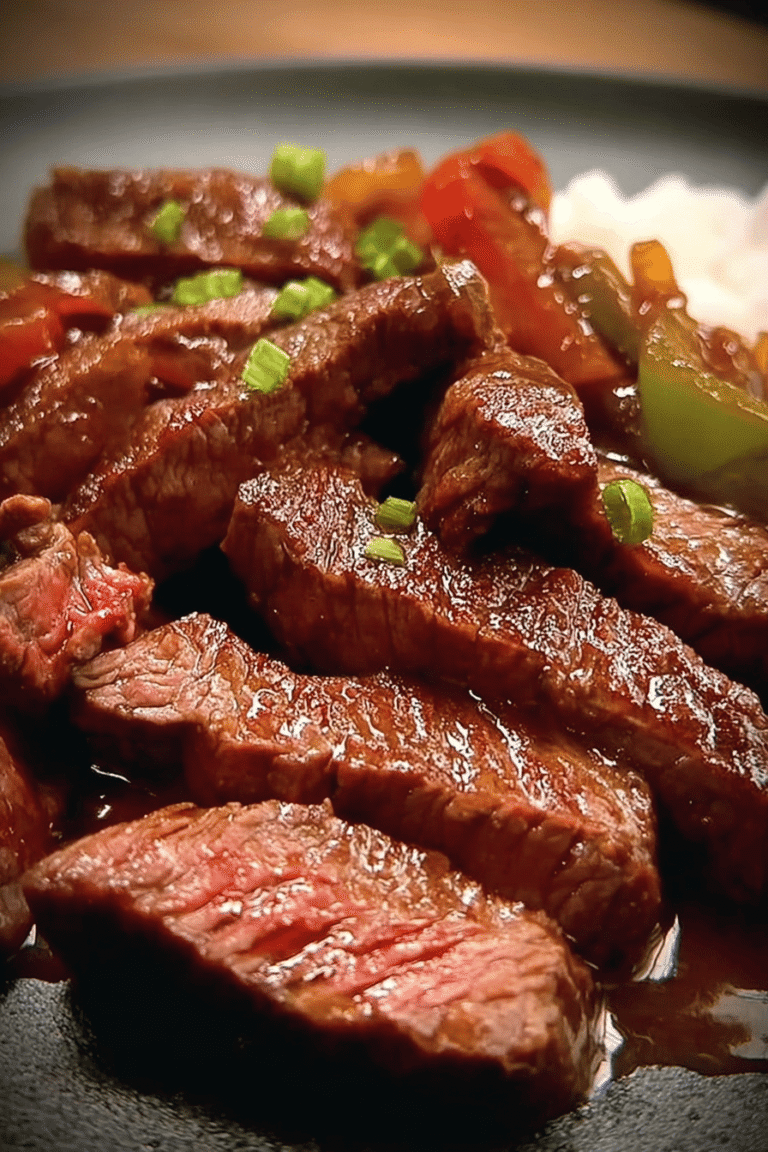
Tender Beef
🥩 This guide on How to Tenderise Beef teaches you a simple method for achieving perfectly soft and juicy beef using economical cuts.
🍳 Ideal for stir fries and quick-cook dishes, this technique helps you transform tougher beef into tender, flavorful bites without altering the taste.
- Total Time: 25 to 40 minutes
Ingredients
– 250 g / 8 oz thinly sliced stewing beef or other economical beef cuts
– 3/4 tsp baking soda (bi-carbonate soda)
Instructions
1-First, prepare all ingredients by slicing the beef thinly against the grain to improve tenderness from the start.
2-Place the beef in a bowl and sprinkle 3/4 tsp baking soda evenly over it; toss with your fingers to coat every piece thoroughly.
3-Refrigerate for 20 to 40 minutes depending on the beef cut use 30 minutes for chuck or stewing cuts, 20 minutes for economical steaks, and 40 minutes for blade cuts.
4-Rinse the beef thoroughly under tap water to remove the baking soda completely.
5-Pat dry with paper towels to remove excess water, ensuring the beef is ready for cooking without any moisture issues.
6-Proceed with cooking the beef in your preferred stir fry or quick-cook recipe, marinating briefly for about 10 minutes if desired.
7-Finally, cook quickly over high heat by stir frying or shallow/deep frying to keep the beef tender and full of flavor.
Last Step:
Please leave a rating and comment letting us know how you liked this recipe! This helps our business to thrive and continue providing free, high-quality recipes for you.Notes
💡 Use economical cuts like rump, porterhouse, sirloin, or chuck for tenderizing with this method.
⏰ Tenderizing time varies by cut; 30-35 minutes is a good average if unsure.
🚫 Avoid using expensive steaks such as tenderloin or rib eye, and do not substitute baking powder for baking soda.
- Prep Time: 25 to 40 minutes
- Category: Preparation Technique
- Method: Tenderizing
- Cuisine: General
Nutrition
- Calories: 225
- Sodium: 101mg
- Fat: 14g
- Saturated Fat: 6g
- Protein: 23g
- Cholesterol: 86mg