
Why You’ll Love This Ravioli
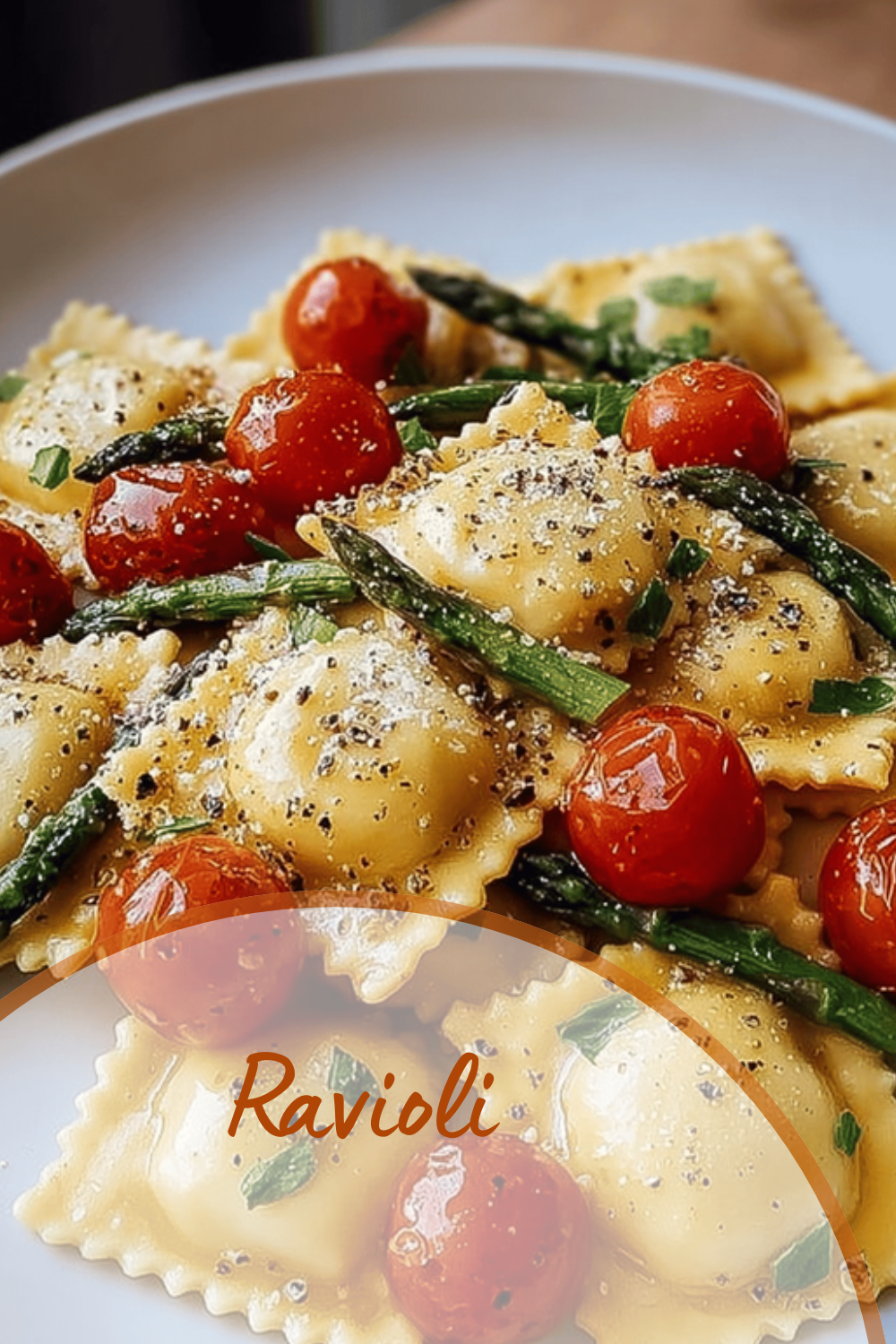
Ravioli stands out as a classic Italian pasta that offers something for everyone, from home cooks to busy parents. Its simple preparation process makes it ideal for quick meals, using basic ingredients like flour and water to create a satisfying dish. Moreover, the ability to customize fillings with options such as ricotta cheese and spinach adds a nutritious twist that appeals to diet-conscious individuals and food enthusiasts alike.
- Ease of preparation: This ravioli recipe suits simple and quick cooking, perfect for busy weeknights. The straightforward steps and minimal ingredients help create a homemade meal without much time in the kitchen.
- Health benefits: Ravioli includes nutritious elements that support wellness, offering a balance of proteins, vitamins, and minerals. For instance, fillings with spinach and herbs provide essential nutrients while the pasta dough delivers carbohydrates.
- Versatility: The recipe adapts easily to various diets, whether vegan, gluten-free, or low-calorie. You can adjust ingredients to meet preferences, making it accessible for students, working professionals, and seniors.
- Distinctive flavor: Fresh fillings combined with sauces create a unique taste that differs from regular pasta. Ravioli can incorporate herbs and cheese for enhanced flavors, turning it into a memorable meal for parties or family gatherings.
Overall, ravioli’s flexibility and homemade appeal make it a go-to option that aligns with diverse lifestyles, from travelers seeking familiar comfort to baking enthusiasts experimenting with new ideas.
Jump to:
- Why You’ll Love This Ravioli
- Essential Ingredients for Ravioli
- Main Ingredients
- Special Dietary Options
- How to Prepare the Perfect Ravioli: Step-by-Step Guide
- Dietary Substitutions to Customize Your Ravioli
- Protein and Main Component Alternatives
- Vegetable, Sauce, and Seasoning Modifications
- Mastering Ravioli: Advanced Tips and Variations
- How to Store Ravioli: Best Practices
- FAQs: Frequently Asked Questions About Ravioli
- What is ravioli and how is it traditionally made?
- How can I prevent homemade ravioli from sticking together?
- What are some popular ravioli fillings I can try at home?
- How long does it take to cook fresh ravioli and how do I know when it’s done?
- Can I freeze homemade ravioli and how should I do it?
- Ravioli
- Ingredients
- Instructions
- Last Step:
- Notes
- Nutrition
- Did you make this recipe?
Essential Ingredients for Ravioli
Ravioli dough typically involves basic items that form a thin base for the fillings. Based on traditional recipes, the dough uses about 200 grams of flour mixed with around 100 milliliters of water, and optionally 1-2 eggs, which enrich the texture and make it easier to work with. Fillings commonly feature ingredients like ricotta cheese, grated rind, green herbs, and spinach, providing a range of flavors and nutrients.
Main Ingredients
- 200 grams flour – forms the base of the pasta dough
- 100 milliliters water – mixes with flour to create the dough
- 1-2 eggs – optional, helps bind the dough and add richness
- 2 cups all-purpose flour – provides structure for the pasta dough
- 3 large eggs – bind the dough and add richness
- 1/2 cup ricotta cheese – adds creamy texture and flavor
- 1 cup fresh spinach – packed with nutrients and freshness
- 1/4 cup grated Parmesan – enhances the umami taste
- Salt and pepper to taste – for seasoning
Special Dietary Options
- Vegan: Use plant-based cheese and egg replacer alternatives
- Gluten-free: Substitute with gluten-free flour blends tailored for pasta
- Low-calorie: Opt for light ricotta and increase vegetable filling content
| Ingredient Category | Standard Use | Dietary Alternative |
|---|---|---|
| Dough Base | 200 grams flour + 100 ml water | Gluten-free flour blend |
| Filling | 1/2 cup ricotta + 1 cup spinach | Plant-based cheese + vegetables |
| Seasoning | Salt and pepper | Herbs for added flavor |
This structured list ensures you have all the precise measurements needed for a complete recipe, allowing for easy preparation at home.
How to Prepare the Perfect Ravioli: Step-by-Step Guide
Ravioli preparation follows a traditional Italian method, starting with mixing the dough from flour, water, and eggs to enclose fillings like ricotta and spinach. The process involves rolling the dough thin and placing small portions of filling, about 1 teaspoon or 10-15 grams per ravioli, to achieve the classic square or circular shapes. This method not only prevents leakage during cooking but also allows for customization based on regional preferences.
- First Step: Prepare the dough by mixing flour and eggs until smooth, then let it rest for 30 minutes to develop elasticity.
- Second Step: Prepare the filling by combining ricotta, spinach, Parmesan, salt, and pepper; this can be adapted to vegan options using plant-based cheeses.
- Third Step: Roll out the dough thinly on a floured surface, adjusting thickness based on preference.
- Fourth Step: Place spoonfuls of filling evenly spaced on one sheet of dough, then cover with another sheet and press around the filling to seal.
- Fifth Step: Cut the ravioli into desired shapes using a cutter or knife, ensuring edges are sealed to prevent filling leakage.
- Sixth Step: Cook ravioli in boiling salted water for 3-5 minutes or until they float; for gluten-free versions, monitor timing closely as cook times may vary.
- Final Step: Drain carefully and serve with preferred sauce, such as tomato-based using about 200 grams of tomatoes and 1 tablespoon of olive oil, or butter-based with 30 grams of butter and herbs.
Nutritionally, this dish offers carbohydrates from the dough and proteins from the filling, making it a balanced meal that takes about 30 to 60 minutes to prepare at home. For added flavor, consider topping with grated cheese around 20 grams and fresh mint as per regional traditions.
Pair your ravioli with a light dessert like lemon olive oil cake for a complete meal.
Dietary Substitutions to Customize Your Ravioli
Adapting ravioli to different diets enhances its appeal for various audiences, including newlyweds and party hosts. Fillings such as ricotta and spinach can be swapped to accommodate vegan or low-calorie needs, while maintaining the dish’s core elements of flour-based dough. This flexibility allows for creative variations without losing the traditional Italian essence.
Protein and Main Component Alternatives
- Substitute ricotta with tofu or cashew cheese for vegan options.
- Use ground turkey or chicken for a lean protein alternative.
- Consider lentils or mushrooms as plant-based filling choices.
Vegetable, Sauce, and Seasoning Modifications
- Swap spinach for kale, arugula, or zucchini depending on availability or preference.
- Use tomato-based, cream, or pesto sauces to suit taste and dietary restrictions.
- Add herbs like basil, oregano, or thyme for varied flavor profiles.
These changes keep ravioli delicious and adaptable, with options for frying and breading as a snack in some regions. Homemade versions allow for fresh flavors through herb and cheese combinations.
Mastering Ravioli: Advanced Tips and Variations
Blocks
Advanced ravioli techniques build on the basics, using tools like a pasta machine for thin, even dough as in traditional Italian methods.For optimal results, balance dough hydration to achieve the perfect texture before adding fillings like ricotta or meat. Experimenting with flavors, such as incorporating sage or nutmeg, elevates the dish beyond standard recipes.
- Pro cooking techniques: Use a pasta machine for consistently thin dough and quicker preparation.
- Flavor variations: Incorporate herbs like sage or nutmeg into the filling or try fillings such as butternut squash or ricotta with lemon zest.
- Presentation tips: Serve with a drizzle of high-quality olive oil, fresh herbs, or toasted nuts for visual appeal.
- Make-ahead options: Prepare and freeze individual ravioli portions on a tray before storing.
Commercially made ravioli offer convenience but may vary in texture compared to homemade ones. Additionally, ravioli can be enjoyed fried, providing a popular snack option in certain areas.
How to Store Ravioli: Best Practices
Proper storage maintains ravioli’s quality, whether fresh or frozen, extending its shelf life for busy schedules. Traditional methods involve quick refrigeration or freezing to preserve the dough’s texture and fillings’ flavors. This approach works well for meal prep, allowing easy access for working professionals and families.
- Refrigeration: Store fresh ravioli in an airtight container and use within 2-3 days.
- Freezing: Flash-freeze ravioli on baking sheets, then transfer to freezer bags; frozen ravioli can last up to 3 months.
- Reheating: Boil frozen ravioli directly from the freezer or gently reheat in sauté pans with sauce.
- Meal prep considerations: Assemble and freeze ravioli ahead of time, labeling packages with dates.
By following these steps, you can enjoy ravioli’s nutritional benefits over time, including carbohydrates and proteins from various fillings.
FAQs: Frequently Asked Questions About Ravioli
What is ravioli and how is it traditionally made?
Ravioli are Italian stuffed pasta parcels typically made from thin sheets of dough filled with ingredients like cheese, meat, or vegetables. Traditionally, the dough consists of flour and eggs, rolled out thin, then cut into squares or circles. The filling is placed in the center, and the edges are sealed by pressing them together, often with a fork or ravioli stamp. After sealing, ravioli are boiled until they float to the surface, indicating they are cooked. This simple yet versatile dish allows for a variety of fillings and sauces, making it popular worldwide.
How can I prevent homemade ravioli from sticking together?
To stop ravioli from sticking, dust the pasta sheets and the filled ravioli generously with flour or semolina flour before cooking. Arrange them individually on a floured surface and avoid stacking. When boiling, use a large pot of salted water and stir gently once they’re added to prevent clumping. Removing ravioli carefully with a slotted spoon and immediately adding sauce or tossing with olive oil also helps keep them separate and prevents sticking.
What are some popular ravioli fillings I can try at home?
Popular ravioli fillings include ricotta cheese mixed with spinach, mushrooms sautéed with herbs, butternut squash pureed with nutmeg, ground beef or pork seasoned with garlic and parmesan, and lobster with cream sauce for a seafood twist. Experimenting with combinations like goat cheese and sun-dried tomatoes or pumpkin and sage can add unique flavors. The key is to ensure the filling is smooth and not too wet to avoid soggy pasta.
How long does it take to cook fresh ravioli and how do I know when it’s done?
Fresh ravioli typically takes 2 to 4 minutes to cook in boiling water. They are done when they float to the surface and appear plump. To confirm, you can cut one open— the pasta should be tender and the filling warm throughout. Avoid overcooking as ravioli can become mushy or fall apart. Drain immediately and serve with your favorite sauce.
Can I freeze homemade ravioli and how should I do it?
Yes, homemade ravioli can be frozen to extend shelf life. Place the freshly made ravioli on a baking sheet in a single layer, ensuring they don’t touch, and freeze until solid (about 1-2 hours). Once frozen, transfer them to airtight freezer bags or containers. When ready to cook, do not thaw; simply boil them straight from the freezer, adding an extra minute or two to cooking time. This method preserves texture and flavor effectively.
Ravioli
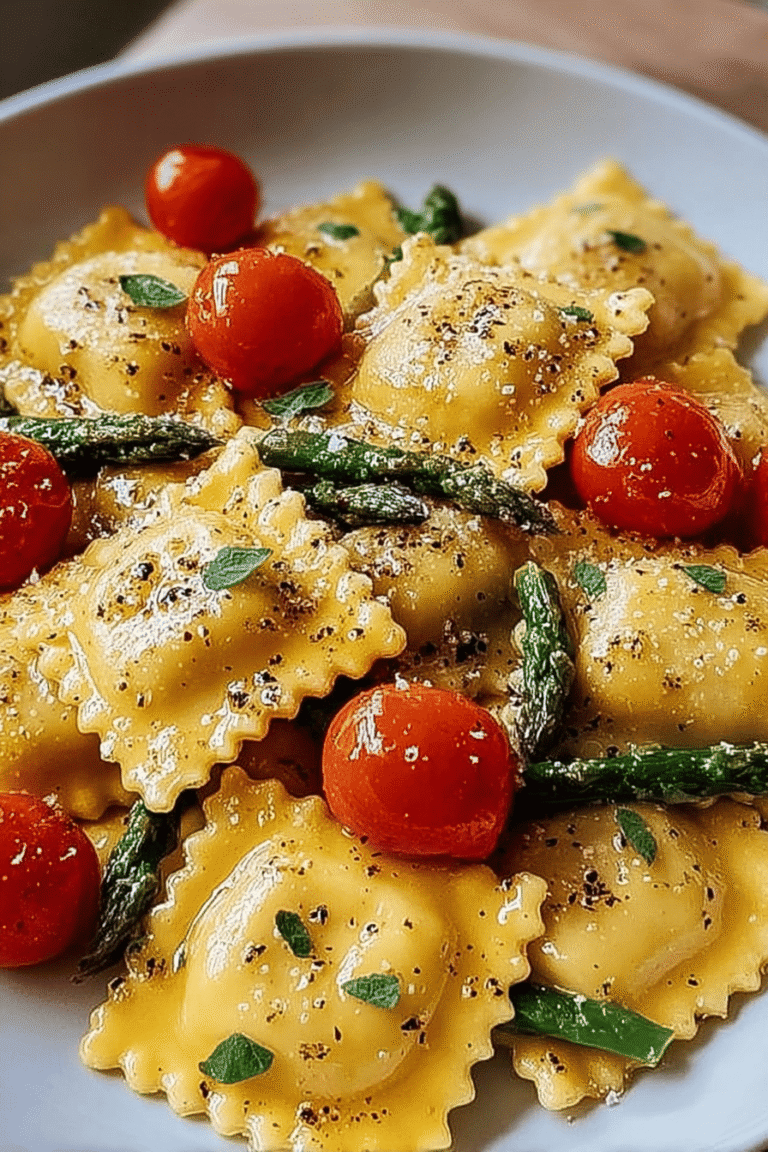
🍝 Ravioli Recipes From Classic to Creative Filling Ideas offer a versatile and delicious way to enjoy traditional Italian pasta with endless possibilities.
🎨 Whether you prefer classic ricotta and spinach or inventive fillings, making fresh ravioli allows for customization and a flavorful dining experience.
- Total Time: 35 minutes
- Yield: Approximately 4 servings
Ingredients
– 200 grams flour forms the base of the pasta dough
– 100 milliliters water mixes with flour to create the dough
– 1-2 eggs optional, helps bind the dough and add richness
– 2 cups all-purpose flour provides structure for the pasta dough
– 3 large eggs bind the dough and add richness
– 1/2 cup ricotta cheese adds creamy texture and flavor
– 1 cup fresh spinach packed with nutrients and freshness
– 1/4 cup grated Parmesan enhances the umami taste
– Salt and pepper for seasoning
– 200 grams flour + 100 ml water for dough base
– 1/2 cup ricotta + 1 cup spinach for filling
– Salt and pepper for seasoning
Instructions
1-First Step: Prepare the dough by mixing flour and eggs until smooth, then let it rest for 30 minutes to develop elasticity.
2-Second Step: Prepare the filling by combining ricotta, spinach, Parmesan, salt, and pepper; this can be adapted to vegan options using plant-based cheeses.
3-Third Step: Roll out the dough thinly on a floured surface, adjusting thickness based on preference.
4-Fourth Step: Place spoonfuls of filling evenly spaced on one sheet of dough, then cover with another sheet and press around the filling to seal.
5-Fifth Step: Cut the ravioli into desired shapes using a cutter or knife, ensuring edges are sealed to prevent filling leakage.
6-Sixth Step: Cook ravioli in boiling salted water for 3-5 minutes or until they float; for gluten-free versions, monitor timing closely as cook times may vary.
7-Final Step: Drain carefully and serve with preferred sauce, such as tomato-based using about 200 grams of tomatoes and 1 tablespoon of olive oil, or butter-based with 30 grams of butter and herbs.
Last Step:
Please leave a rating and comment letting us know how you liked this recipe! This helps our business to thrive and continue providing free, high-quality recipes for you.Notes
🍃 Use fresh herbs in the filling to enhance flavor.
✂️ Ensure edges are sealed tightly to avoid filling leakage during cooking.
🔥 Experiment with frying breaded ravioli for a crispy snack alternative.
- Prep Time: 30 minutes
- Cook time: 5 minutes
- Cook Time: 5 minutes
- Category: Main Dish
- Method: Boiling
- Cuisine: Italian
- Diet: Varies (depends on filling)
Nutrition
- Serving Size: 1 serving
- Calories: Approximate, varies by filling