
Why You’ll Love This Yeast Rolls
Yeast rolls are a staple in many kitchens, offering a soft and fluffy texture that makes them perfect for any meal. This recipe stands out because it’s easy to follow and results in 20 soft dinner rolls that everyone will enjoy. You’ll appreciate how these rolls bring a homemade touch to your table, blending simple ingredients into something truly special.
One reason to try this yeast rolls recipe is its ease of preparation. It uses minimal ingredients and straightforward steps, so you can have fresh rolls ready without spending all day in the kitchen. Plus, the nutritional perks make these rolls a smart choice, as they provide energy from natural ingredients and support digestive health through the yeast.
Beyond that, the versatility of yeast rolls is a big draw. You can tweak them for different needs, like making vegan or gluten-free versions to fit various diets. What really sets these rolls apart is their rich flavor and airy feel, thanks to the careful mixing and rising process that creates a delightful aroma and taste.
- They rise beautifully for a light bite.
- Perfect for pairing with soups or salads.
- Ideal for family gatherings or weeknight dinners.
Jump to:
- Why You’ll Love This Yeast Rolls
- Essential Ingredients for Yeast Rolls
- Main Ingredients List
- Special Dietary Options
- How to Prepare the Perfect Yeast Rolls: Step-by-Step Guide
- First Steps: Mixing and Activating
- Combining Ingredients
- Rising and Baking
- Dietary Substitutions to Customize Your Yeast Rolls
- Protein and Main Component Alternatives
- Vegetable, Sauce, and Seasoning Modifications
- Mastering Yeast Rolls: Advanced Tips and Variations
- How to Store Yeast Rolls: Best Practices
- FAQs: Frequently Asked Questions About Yeast Rolls
- Why are my yeast rolls not rising properly?
- How long should I let yeast rolls rise before baking?
- Can I freeze homemade yeast rolls, and what’s the best way to thaw them?
- What common mistakes make yeast rolls dense instead of fluffy?
- How can I tell if my yeast rolls are fully baked?
- Yeast Rolls
- Ingredients
- Instructions
- Last Step:
- Notes
- Nutrition
- Did you make this recipe?
Essential Ingredients for Yeast Rolls
Gathering the right ingredients is key to making great yeast rolls. This recipe focuses on simple items that create a soft and tasty result. Let’s look at what you need to get started, using exact measurements for clear guidance.
Main Ingredients List
- 1/2 cup whole milk
- 1/2 cup granulated sugar
- 1/4 cup butter, melted
- 1 1/2 teaspoons salt
- 1/2 cup water, warmed to 105-115°F (40-46°C)
- 2 packages active dry yeast
- 2 large eggs, lightly beaten
- 4 1/2 cups all-purpose flour (additional flour may be needed)
These ingredients combine to make 20 soft dinner rolls that are fluffy and full of flavor. For more ideas on baking, you can check out this slow cooker French dip sandwich recipe for ways to serve your rolls.
Special Dietary Options
If you have specific dietary needs, it’s easy to adjust. For vegan options, swap whole milk with a plant-based alternative and use vegan butter instead. If you’re avoiding gluten, try a gluten-free flour blend, keeping in mind it might change the texture a bit.
| Ingredient | Standard | Substitution |
|---|---|---|
| Milk | 1/2 cup whole milk | Almond or soy milk for vegan |
| Butter | 1/4 cup melted butter | Vegan margarine |
| Flour | 4 1/2 cups all-purpose flour | Gluten-free blend |
How to Prepare the Perfect Yeast Rolls: Step-by-Step Guide
Making yeast rolls at home is rewarding and not too hard once you know the steps. This guide walks you through creating 20 soft dinner rolls from start to finish. Follow along for the best results every time.
First Steps: Mixing and Activating
Start by heating the milk in a small saucepan until it just begins to boil, then remove from heat. Stir in sugar, butter, and salt, and let the mixture cool until it’s lukewarm, no hotter than 115°F. In another bowl, mix the warm water with yeast and let it sit for a few minutes to activate.
Combining Ingredients
Once the yeast is ready, add it to an electric mixer bowl along with the milk mixture, beaten eggs, and 2 cups of flour. Beat with a paddle attachment until everything mixes well. Gradually add the remaining 2 1/2 cups of flour, adjusting as needed to form a soft dough.
Kneading is important for the texture. Use a dough hook on low speed for about 7 minutes, or knead by hand on a floured surface for 8 to 10 minutes until the dough is smooth and elastic. For more tips on dough handling, consider exploring related recipes like this one that pair well with rolls.
Rising and Baking
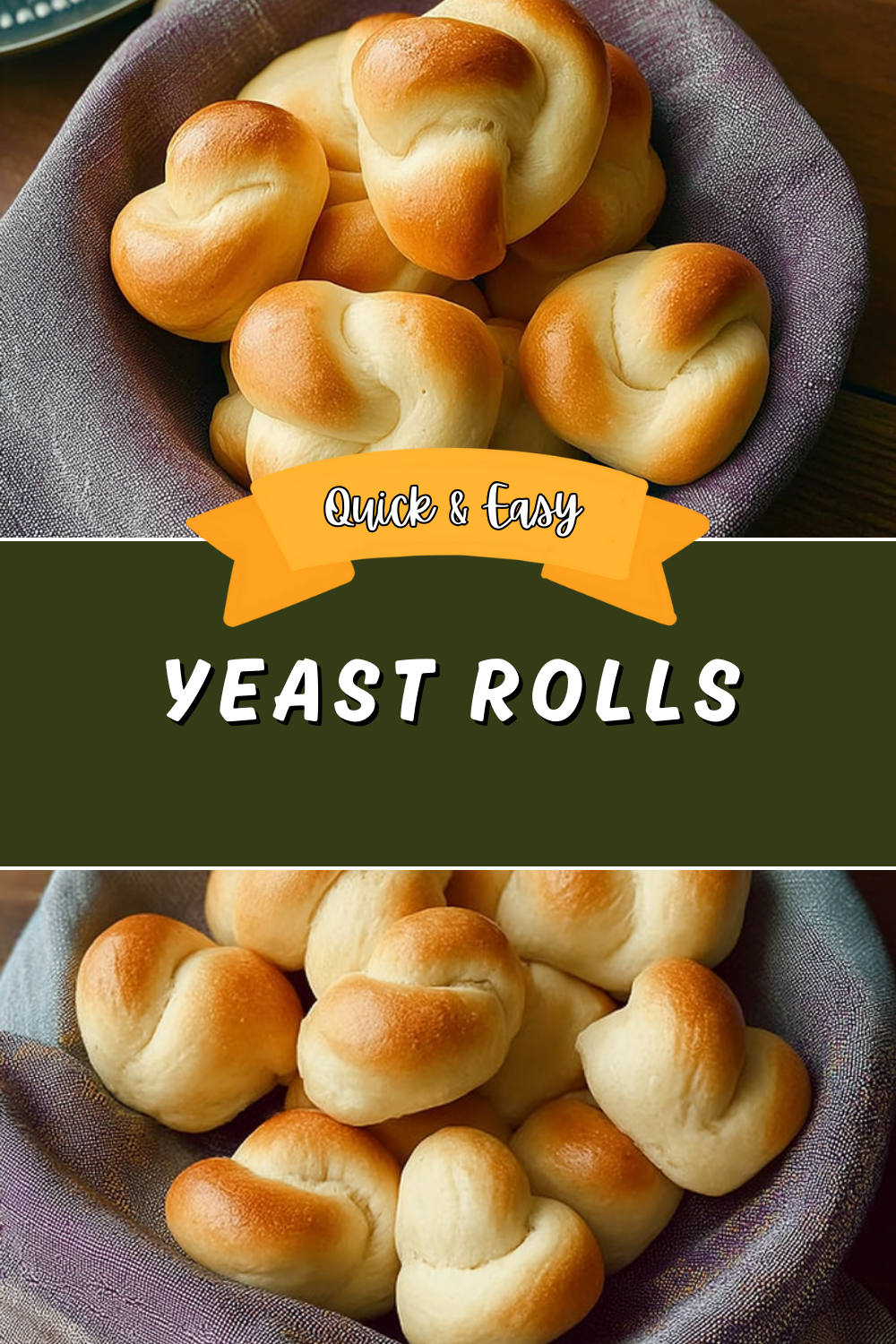
Place the dough in a buttered bowl, turning it to coat all sides, then cover and let it rise in a warm spot for 1 hour or until doubled in size. Punch down the dough and divide it into 20 balls, each about 2 to 3 tablespoons in size. Arrange them in a greased 9×13-inch pan in 5 rows of 4, cover, and let rise for another hour.
Preheat the oven to 375°F about 10 minutes before baking. Bake the rolls for 20 to 25 minutes until they turn golden brown, then brush the tops with butter before serving. This step ensures they stay soft and flavorful, making your meal even better. Remember, you can customize sizes or add-ins at each step to fit your needs.
For a deeper dive into yeast benefits, try reading about yeast fermentation health benefits to understand how it aids digestion.

Dietary Substitutions to Customize Your Yeast Rolls
Tailoring yeast rolls to your diet is simple and fun. With a few swaps, you can make them work for everyone at your table. Let’s explore options that keep the rolls soft and tasty.
Protein and Main Component Alternatives
- Replace eggs with flaxseed meal mixed with water for a vegan option.
- Use plant-based butter or oils in place of dairy butter.
- Switch all-purpose flour for gluten-free blends to accommodate sensitivities.
Vegetable, Sauce, and Seasoning Modifications
You can add herbs like rosemary or thyme to boost flavor. For extra taste, try garlic powder or onion flakes. If you’re going dairy-free, almond or oat milk works great instead of whole milk. Don’t forget to mix in veggies such as spinach or bell peppers for a nutritious twist.
This flexibility means yeast rolls can fit into many meals, whether you’re watching calories or exploring new flavors. By making these changes, you keep the essence of the recipe while adapting it to your lifestyle.
Mastering Yeast Rolls: Advanced Tips and Variations
Once you’re comfortable with the basics, you can take your yeast rolls to the next level. Trying new techniques and flavors can make baking more exciting and rewarding. Here are some ideas to enhance your skills.
- For a better texture, use cold fermentation by chilling the dough overnight this helps develop deeper flavors.
- Experiment with additions like cinnamon and raisins for a sweet version or cheddar cheese and jalapeños for something savory.
- To make them look great, brush with melted butter and add coarse sea salt or seeds on top.
- Plan ahead by preparing dough and freezing shaped rolls before the second rise, so you have fresh rolls on busy days.
These tips can turn your yeast rolls into a signature dish. Remember, practice makes perfect, and small changes can lead to big improvements in taste and appearance.
How to Store Yeast Rolls: Best Practices
Keeping your yeast rolls fresh is key to enjoying them later. Proper storage helps maintain that soft texture for days. Follow these steps to keep them just right.
- Store in an airtight container or wrapped in plastic at room temperature for up to 2 days.
- For longer keep, freeze cooled rolls in freezer-safe bags they last up to 3 months.
- To reheat, warm in an oven at 350°F for 5-10 minutes or use a microwave with a damp paper towel.
- Batch baking and freezing individually makes meal prep easier and keeps portions fresh.
This method ensures your rolls taste great even after storage. It’s a handy way to have homemade bread ready when you need it. For more on bread nutrition, check out is bread bad for you to learn about healthy options.
FAQs: Frequently Asked Questions About Yeast Rolls
Why are my yeast rolls not rising properly?
Yeast rolls may not rise properly if the yeast is expired or was killed by water that is too hot. Make sure to use fresh yeast and water that is between 105°F and 115°F for activating the yeast. Also, allow the dough enough time to rise in a warm, draft-free environment. Kneading the dough adequately helps develop gluten, which supports rising. Avoid adding too much flour, which can make the dough dense and limit rise.
How long should I let yeast rolls rise before baking?
Typically, yeast rolls need to rise until doubled in size, which takes about 1 to 2 hours depending on your room temperature. After shaping the rolls, allow a second rise for 30 to 45 minutes before baking. This second proofing lets the rolls become fluffy and soft. Avoid rushing these steps; under-proofing can lead to dense rolls, while over-proofing might cause them to collapse.
Can I freeze homemade yeast rolls, and what’s the best way to thaw them?
Yes, you can freeze yeast rolls either before baking (after shaping) or after baking. To freeze before baking, place shaped rolls on a baking sheet, freeze until firm, then transfer to a freezer-safe bag. When ready to bake, thaw rolls at room temperature for 2 hours and let them rise before baking. If freezing after baking, wrap cooled rolls tightly and thaw at room temperature. Warm in the oven briefly before serving for best texture.
What common mistakes make yeast rolls dense instead of fluffy?
Dense yeast rolls often result from using old or inactive yeast, not allowing enough rising time, or adding too much flour during kneading. Using water that’s too hot can kill yeast, and under-kneading can prevent gluten development, which affects texture. Also, baking at incorrect temperatures or opening the oven door frequently while baking can impact roll fluffiness.
How can I tell if my yeast rolls are fully baked?
Fully baked yeast rolls should have a golden-brown crust and sound hollow when tapped on the bottom. Their internal temperature should reach about 190°F to 200°F. Using a kitchen thermometer can help confirm this. Overbaking can make rolls dry, so check for doneness a few minutes before the recipe’s recommended time, especially if you notice the crust browning quickly.
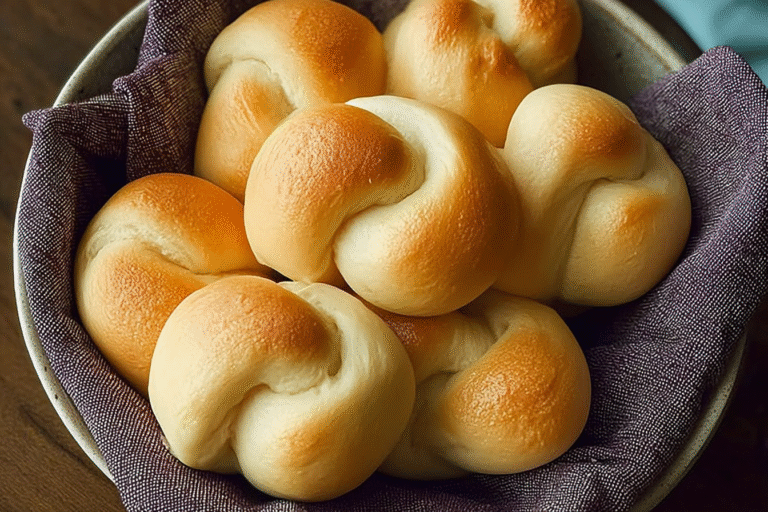
Yeast Rolls
🍞 Master the art of homemade bread with these incredibly soft and fluffy yeast rolls that will elevate any meal to restaurant quality
🧈 Create warm, buttery dinner rolls that melt in your mouth and impress your family and friends with your baking skills
- Total Time: 2 hours 55 minutes
- Yield: 20 rolls 1x
Ingredients
1/2 cup whole milk
1/2 cup granulated sugar
1/4 cup butter, melted
1 1/2 teaspoons salt
1/2 cup water, warmed to 105-115°F (40-46°C)
2 packages active dry yeast
2 large eggs, lightly beaten
4 1/2 cups all-purpose flour
Instructions
1-Start by heating the milk in a small saucepan until it just begins to boil, then remove from heat. Stir in sugar, butter, and salt, and let the mixture cool until it’s lukewarm, no hotter than 115°F. In another bowl, mix the warm water with yeast and let it sit for a few minutes to activate.
2-Once the yeast is ready, add it to an electric mixer bowl along with the milk mixture, beaten eggs, and 2 cups of flour. Beat with a paddle attachment until everything mixes well. Gradually add the remaining 2 1/2 cups of flour, adjusting as needed to form a soft dough.
3-Kneading is important for the texture. Use a dough hook on low speed for about 7 minutes, or knead by hand on a floured surface for 8 to 10 minutes until the dough is smooth and elastic.
4-Place the dough in a buttered bowl, turning it to coat all sides, then cover and let it rise in a warm spot for 1 hour or until doubled in size. Punch down the dough and divide it into 20 balls, each about 2 to 3 tablespoons in size. Arrange them in a greased 9×13-inch pan in 5 rows of 4, cover, and let rise for another hour.
5-Preheat the oven to 375°F about 10 minutes before baking. Bake the rolls for 20 to 25 minutes until they turn golden brown, then brush the tops with butter before serving.
Last Step:
Please leave a rating and comment letting us know how you liked this recipe! This helps our business to thrive and continue providing free, high-quality recipes for you.Notes
🌡️ Keep your water temperature between 105-115°F for perfect yeast activation – too hot will kill the yeast, too cold won’t activate it
🧈 For extra soft rolls, brush the tops with melted butter immediately after baking and again just before serving
⏰ Don’t rush the rising time – letting the dough double in size twice ensures light, fluffy rolls with perfect texture
- Prep Time: 35 minutes
- Rising time: 2 hours
- Cook Time: 20-25 minutes
- Category: Bread
- Method: Baking
- Cuisine: American
- Diet: Vegetarian
Nutrition
- Serving Size: 1 roll
- Calories: 135
- Sugar: 6g
- Sodium: 180mg
- Fat: 4g
- Saturated Fat: 2g
- Unsaturated Fat: 1g
- Trans Fat: 0g
- Carbohydrates: 22g
- Fiber: 1g
- Protein: 3g
- Cholesterol: 25mg