
Why You’ll Love This Adobo Seasoning
This adobo seasoning recipe stands out for its simplicity and bold flavors that can transform everyday meals. It’s incredibly easy to whip up with just a few pantry staples, making it perfect for anyone looking to add excitement to their cooking routine without much hassle. Plus, its health benefits and versatility make it a go-to choice for all kinds of diets and dishes.
The blend is packed with spices that offer antioxidant and anti-inflammatory properties, helping support your wellness goals while enhancing the taste of your food. Whether you’re grilling chicken or roasting veggies, this seasoning adapts beautifully, fitting into vegan, gluten-free, and low-calorie lifestyles. Its rich, tangy profile from ingredients like garlic and oregano creates dishes that are not only nutritious but also memorably delicious.
This homemade version is gluten-free and has no added sugar, so it’s ideal for Whole30 and keto diets. You can mix it up in minutes and use it on everything from meats to vegetables, giving your meals a zesty kick that everyone will enjoy.
Jump to:
- Why You’ll Love This Adobo Seasoning
- Essential Ingredients for Adobo Seasoning
- Main Ingredients
- Special Dietary Options
- How to Prepare the Perfect Adobo Seasoning: Step-by-Step Guide
- Dietary Substitutions to Customize Your Adobo Seasoning: Protein and Main Component Alternatives
- Mastering Adobo Seasoning: Advanced Tips and Variations
- How to Store Adobo Seasoning: Best Practices
- FAQs: Frequently Asked Questions About Adobo Seasoning
- What dishes can I use adobo seasoning for?
- What are the key ingredients in adobo seasoning?
- How much adobo seasoning should I use when cooking meat or vegetables?
- Can I replace Mexican oregano with regular oregano in adobo seasoning?
- How should I store homemade adobo seasoning to keep it fresh?
- Adobo Seasoning
- Ingredients
- Instructions
- Last Step:
- Notes
- Nutrition
- Did you make this recipe?
Essential Ingredients for Adobo Seasoning
Creating the perfect adobo seasoning starts with gathering the right ingredients, which form the heart of this flavorful blend. This section breaks down the essentials based on the classic homemade spice mix, ensuring you have everything needed for a balanced and tasty result. We’ll cover the main components and offer tips for substitutions to suit different dietary needs.
Main Ingredients
When preparing adobo seasoning, focus on these core items to achieve that signature bold taste. Here’s a structured list of all ingredients mentioned in the details provided, with precise measurements for clarity:- 4 tablespoons garlic powder or granulated garlic Adds a strong, aromatic depth and prevents clumping for better mixing.
- 2 tablespoons salt (preferably kosher or sea salt) Provides the essential salty base to enhance overall flavors.
- 1 tablespoon black pepper Brings a mild heat and peppery kick to the blend.
- 1 tablespoon Mexican oregano or traditional oregano as a substitute Offers an earthy, herbal note with a citrusy twist if using Mexican oregano.
- 1 teaspoon ground cumin Contributes a warm, nutty flavor that deepens the mix.
- 1 teaspoon paprika or smoked paprika Imparts a smoky sweetness; opt for smoked if you want more depth.
- 1 teaspoon ground turmeric Gives a vibrant color and subtle earthy taste.
- 1 teaspoon cayenne pepper (optional) Adds extra heat if you enjoy a spicy edge.
- 1/4 cup soy sauce Serves as a umami base for authentic adobo flavor in marinades (if incorporating into recipes).
- 1/4 cup vinegar (preferably cane or white) Brings acidity and tang to balance and tenderize ingredients.
- 5 cloves garlic, minced Boosts savory depth when used in cooking applications.
- 2 bay leaves Adds a subtle herbal fragrance to enhance the overall taste.
- 1 tsp whole black peppercorns Provides a fresh peppery note in marinades or dishes.
This comprehensive list ensures you don’t miss any item, making it simple to measure and mix for your needs. For best results, choose granulated garlic to avoid clumping and smoked paprika if a smoky flavor is desired.
Special Dietary Options
To make this seasoning even more adaptable, consider these easy swaps. For a vegan version, swap soy sauce with coconut aminos or tamari for a plant-based twist. If you’re aiming for gluten-free, use tamari instead of regular soy sauce to keep things tasty without the gluten.
Those watching calories can reduce soy sauce and vinegar amounts or go for low-sodium options to lighten up the mix. This flexibility helps everyone enjoy adobo seasoning in their favorite way, whether it’s for a quick weeknight meal or something more elaborate. By sticking to these ingredients, you create a blend that’s not only versatile but also aligns with diets like Whole30 and keto.
How to Prepare the Perfect Adobo Seasoning: Step-by-Step Guide
Getting started with adobo seasoning is straightforward and fun, especially when you follow these simple steps. Begin by gathering all your ingredients and measuring them out to ensure the flavors blend just right. This preparation method makes it easy for home cooks to create a homemade spice mix that elevates any dish.
Next, in a medium bowl, combine the soy sauce, vinegar, and minced garlic, stirring everything together to form a solid base for your marinade. Add the bay leaves and whole peppercorns, making sure they’re evenly distributed for that consistent taste in every bite. Let your protein or veggies marinate in this mixture for at least 30 minutes to let the flavors soak in deeply.
Once marinated, heat a pan over medium heat and add the mixture along with your chosen ingredients. Cook until everything is tender and the sauce reduces nicely, then adjust the seasoning as needed. For substitutions like vegan options, swap in the appropriate ingredients from the start to keep things delicious and diet-friendly. Finish by serving it hot with rice or a side, and you’ve got a meal that’s ready to impress.
Dietary Substitutions to Customize Your Adobo Seasoning: Protein and Main Component Alternatives
Making adobo seasoning work for your lifestyle is all about smart swaps that keep the flavor intact. For protein choices, try tofu or tempeh if you’re going vegan they soak up the seasoning wonderfully and make for a hearty meal. If meat is more your style, swap chicken for pork or beef to mix things up based on what you have on hand.
For those keeping an eye on calories, mushrooms or eggplant can step in as lighter main components that still deliver that satisfying bite. When it comes to sauces and seasonings, replace soy sauce with coconut aminos for a lower-sodium, gluten-free option that doesn’t skimp on taste. You can also switch vinegar for apple cider vinegar or lemon juice to tweak the acidity just how you like it.
Don’t hesitate to add spices like smoked paprika or chili flakes to amp up the heat and aroma. Incorporating seasonal veggies such as bell peppers or zucchini not only varies the texture but also boosts the nutrition, making your adobo dishes both customizable and exciting. Remember, using about 1 ½ tablespoons per pound of meat or veggies helps get the balance right every time.
Mastering Adobo Seasoning: Advanced Tips and Variations
Taking your adobo seasoning to the next level involves a few pro techniques that can make a big difference in your cooking. For deeper flavor, slow-cook your marinated protein to let the spices really penetrate, or toast whole spices before grinding them to release their full aroma. These methods are simple yet effective for home cooks wanting to refine their skills.
Experiment with flavor variations by adding coconut milk for a creamy twist or pineapple juice to bring in some sweetness. If you’re looking for a fresh change, swap bay leaves with kaffir lime leaves for a citrusy note that brightens the blend. For presentation, garnish with chopped scallions or toasted garlic to add texture and make your dish look as good as it tastes.
Make-ahead options are a game-changer for busy days prepare a bulk batch of the seasoning and store it in an airtight container. Marinating ingredients overnight lets the flavors develop fully, saving you time when you’re ready to cook. This approach ties in nicely with the blend’s gluten-free and keto-friendly nature, making it easy to incorporate into your routine. Try pairing it with a crisp dessert like apple cranberry crisp for a complete meal that delights the senses.
How to Store Adobo Seasoning: Best Practices
Proper storage keeps your adobo seasoning fresh and flavorful for as long as possible, so let’s cover the basics. Keep any prepared seasoning or marinated items in airtight containers in the fridge for up to one week to lock in that zesty taste. This method helps prevent spoilage and maintains the mix’s vibrant qualities.
If you want to extend its shelf life, freezing in freezer-safe bags or containers works great for up to three months. When reheating, do it gently over low heat to keep the texture and flavors intact without any mishaps. For meal prep, batch cook with adobo and divide into portions for easy, grab-and-go meals that fit into your weekly routine. Storing in a cool, dry spot like the pantry ensures it stays potent for up to six months, as per the best practices for this homemade blend.

FAQs: Frequently Asked Questions About Adobo Seasoning
What dishes can I use adobo seasoning for?
Adobo seasoning is a versatile spice blend that works well with a variety of dishes. It is commonly used to season chicken, beef, pork, and seafood before grilling, roasting, or frying. You can also sprinkle it on vegetables, add it to soups, stews, tacos, and marinades to enhance flavor. Its bold, savory, and slightly tangy taste complements many Latin American and Mexican recipes, making it a popular choice for everyday cooking.
What are the key ingredients in adobo seasoning?
The core ingredients typically found in adobo seasoning include garlic powder, salt, black pepper, Mexican oregano or traditional oregano, ground cumin, paprika, and ground turmeric. Some blends also include cayenne pepper for added heat. These spices combine to create a balanced mix of savory, earthy, and mildly spicy flavors characteristic of adobo seasoning.
How much adobo seasoning should I use when cooking meat or vegetables?
A common guideline is to use about 1 to 1 ½ tablespoons of adobo seasoning per pound of meat or vegetables. Adjust the amount based on your taste preferences and the intensity of the seasoning blend. It’s best to start with less and add more as needed during cooking or before serving to avoid overpowering the dish.
Can I replace Mexican oregano with regular oregano in adobo seasoning?
Yes, regular oregano can be used as a substitute for Mexican oregano in adobo seasoning. While Mexican oregano has a citrusy, slightly more robust flavor, regular oregano offers an earthy and mild herbaceous note. The substitution will slightly change the flavor profile but still deliver excellent results in most recipes.
How should I store homemade adobo seasoning to keep it fresh?
Store homemade adobo seasoning in an airtight container placed in a cool, dry, and dark spot such as a pantry. This will help maintain its flavor and aroma for up to six months. Avoid exposure to moisture or direct sunlight, which can degrade the spices and reduce potency over time. Labeling the container with the date made is helpful to track freshness.
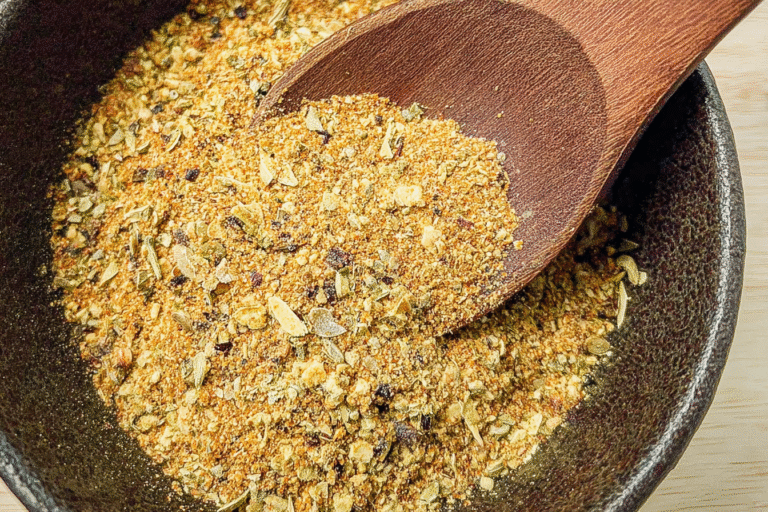
Adobo Seasoning
🌶️ Create your own bold and versatile adobo seasoning blend that transforms ordinary meals into extraordinary dishes with authentic Latin flavor
🧀 Save money and control ingredients with this homemade spice mix that’s perfect for meats, vegetables, and everything in between
- Total Time: 5 minutes
- Yield: About 3/4 cup seasoning
Ingredients
– 4 tablespoons garlic powder or granulated garlic Adds a strong, aromatic depth and prevents clumping for better mixing
– 2 tablespoons salt (preferably kosher or sea salt) Provides the essential salty base to enhance overall flavors
– 1 tablespoon black pepper Brings a mild heat and peppery kick to the blend
– 1 tablespoon Mexican oregano or traditional oregano as a substitute Offers an earthy, herbal note with a citrusy twist if using Mexican oregano
– 1 teaspoon ground cumin Contributes a warm, nutty flavor that deepens the mix
– 1 teaspoon paprika or smoked paprika Imparts a smoky sweetness; opt for smoked if you want more depth
– 1 teaspoon ground turmeric Gives a vibrant color and subtle earthy taste
– 1 teaspoon cayenne pepper (optional) Adds extra heat if you enjoy a spicy edge
– 1/4 cup soy sauce Serves as a umami base for authentic adobo flavor in marinades (if incorporating into recipes)
– 1/4 cup vinegar (preferably cane or white) Brings acidity and tang to balance and tenderize ingredients
– 5 cloves garlic, minced Boosts savory depth when used in cooking applications
– 2 bay leaves Adds a subtle herbal fragrance to enhance the overall taste
– 1 tsp whole black peppercorns Provides a fresh peppery note in marinades or dishes
Instructions
1- Getting started with adobo seasoning is straightforward and fun, especially when you follow these simple steps. Begin by gathering all your ingredients and measuring them out to ensure the flavors blend just right. This preparation method makes it easy for home cooks to create a homemade spice mix that elevates any dish.
2- Next, in a medium bowl, combine the soy sauce, vinegar, and minced garlic, stirring everything together to form a solid base for your marinade. Add the bay leaves and whole peppercorns, making sure they’re evenly distributed for that consistent taste in every bite. Let your protein or veggies marinate in this mixture for at least 30 minutes to let the flavors soak in deeply.
3- Once marinated, heat a pan over medium heat and add the mixture along with your chosen ingredients. Cook until everything is tender and the sauce reduces nicely, then adjust the seasoning as needed. For substitutions like vegan options, swap in the appropriate ingredients from the start to keep things delicious and diet-friendly. Finish by serving it hot with rice or a side, and you’ve got a meal that’s ready to impress.
Last Step:
Please leave a rating and comment letting us know how you liked this recipe! This helps our business to thrive and continue providing free, high-quality recipes for you.Notes
🌿 For best results, use granulated garlic instead of garlic powder to prevent clumping in humid conditions
🔥 Choose smoked paprika instead of regular paprika to add a delicious smoky flavor to your dishes
💡 Make a double batch and store in smaller containers to maintain freshness and have seasoning ready for multiple recipes
- Prep Time: 5 minutes
- Storage time: Up to 6 months
- Cook Time: 0 minutes
- Category: Seasoning Blend
- Method: No-cook
- Cuisine: Latin American
- Diet: Gluten-free, Whole30, Keto
Nutrition
- Serving Size: 1 ½ tablespoons
- Calories: 15
- Sugar: 0g
- Sodium: 1440mg
- Fat: 0.5g
- Saturated Fat: 0.1g
- Unsaturated Fat: 0.3g
- Trans Fat: 0g
- Carbohydrates: 3g
- Fiber: 1g
- Protein: 0.5g
- Cholesterol: 0mg