
Why You’ll Love This Sinigang
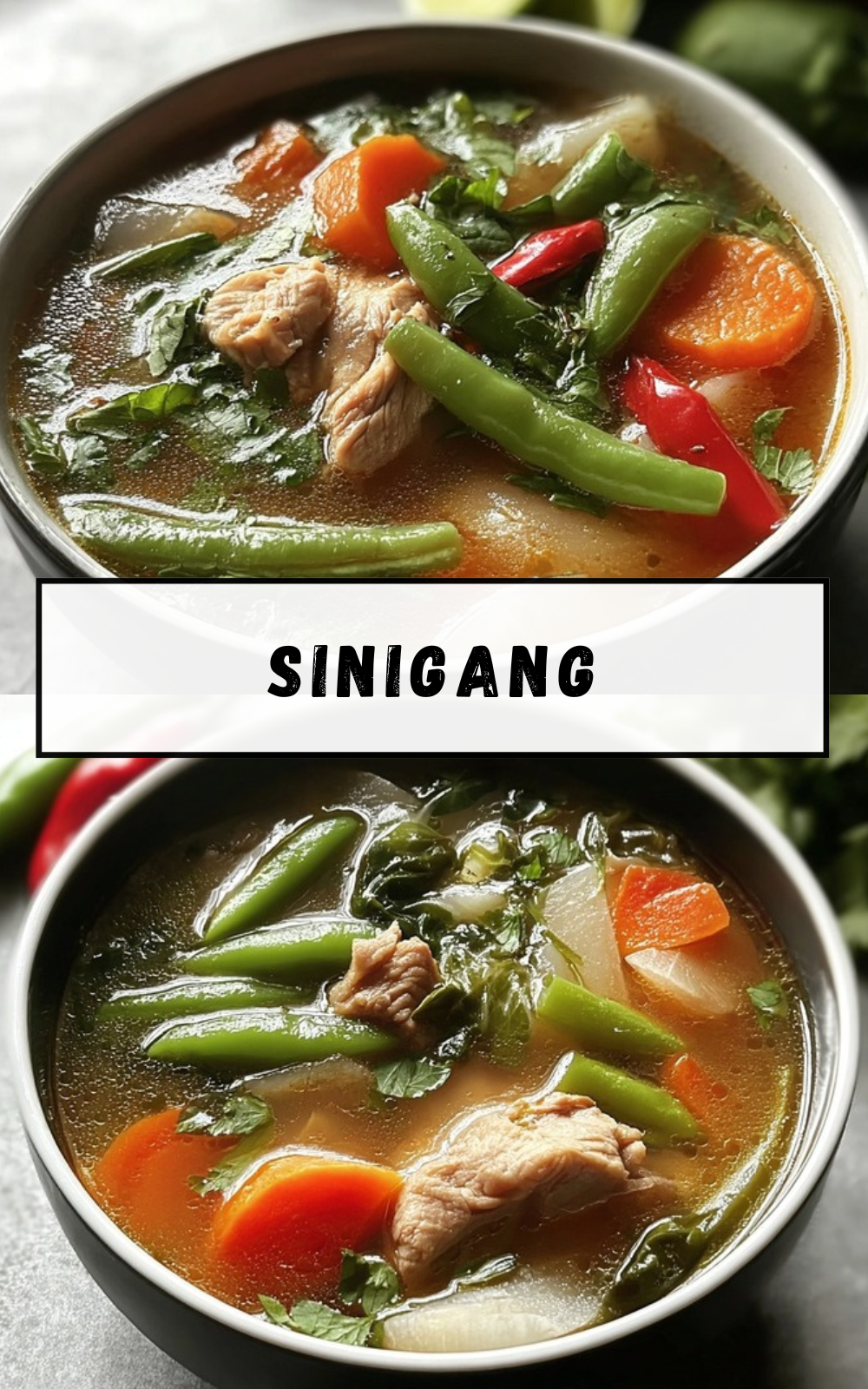
Sinigang is one of those dishes that feels comforting from the very first spoonful. This Filipino sour soup brings together tender pork belly, bright tamarind broth, and a colorful mix of vegetables in a way that feels both homey and lively. If you have been looking for an authentic Filipino sinigang recipe, this one gives you the classic flavor many families know and love.
- Easy to cook: This sinigang recipe uses one pot, simple steps, and a short prep time of about 10 minutes. The broth does most of the work, so it fits busy weeknights well.
- Comforting and nourishing: With pork, leafy greens, radish, okra, and string beans, filipino sinigang gives you protein, fiber, and vegetables in one bowl. The tamarind broth also adds a bright, satisfying taste.
- Flexible for many eaters: While this version is pork sinigang or sinigang na baboy, you can swap in shrimp, fish, tofu, or mushrooms for other diets and tastes.
- Bold signature flavor: The sourness from young tamarind sets tamarind soup apart from other soups. That tangy broth, paired with fish sauce and black pepper, gives every sip depth and balance.
Sinigang is the kind of meal that feels simple, but the taste stays with you. It is sour, savory, and deeply comforting all at once.
For more cozy meal inspiration, you might also enjoy a sweet finish like this classic banana bread after dinner.
Jump to:
- Why You’ll Love This Sinigang
- Essential Ingredients for Sinigang
- Main ingredients
- Ingredient notes that help at the stove
- Special dietary options
- How to Prepare the Perfect Sinigang: Step-by-Step Guide
- First step: make the tamarind broth
- Second step: start the soup base
- Third step: add the firm vegetables
- Fourth step: finish with kangkong
- Final step: serve hot
- Dietary Substitutions to Customize Your Sinigang
- Protein and main component alternatives
- Vegetable, sauce, and seasoning modifications
- Mastering Sinigang: Advanced Tips and Variations
- Pro cooking techniques
- Flavor variations
- Presentation tips
- Make-ahead options
- How to Store Sinigang: Best Practices
- Refrigeration
- Freezing
- Reheating
- Meal prep considerations
- Nutrition Snapshot
- FAQs: Frequently Asked Questions About Sinigang
- What is sinigang?
- What makes sinigang sour?
- What are the main ingredients for sinigang?
- How do you make sinigang at home?
- What pairs well with sinigang?
- Sinigang
- Ingredients
- Instructions
- Last Step:
- Notes
- Nutrition
- Did you make this recipe?
Essential Ingredients for Sinigang
This sinigang na baboy recipe uses ingredients that are easy to find in many Asian markets and often in well-stocked grocery stores. Each item plays an important role in building the classic broth and texture of this traditional Filipino sour soup.
Main ingredients
- 2 lbs pork belly – gives the broth richness and tenderness
- 1 lb young tamarind – the souring agent that creates the signature tang
- 2 quarts water – forms the base of the soup
- 1 onion – adds depth to the broth
- 2 pieces tomatoes, sliced into wedges – bring color and natural sweetness
- 1 bunch chopped water spinach (kangkong) – adds leafy freshness
- 8 pieces string beans, cut into 2-inch pieces – bring crunch and balance
- 2 pieces Chinese eggplant, sliced – softens beautifully in the broth
- 1 medium daikon radish, optional – adds mild sweetness and body
- 8 pieces okra – adds classic texture
- Long green peppers – add a gentle kick
- Fish sauce to taste – seasons the broth
- Ground black pepper to taste – adds warmth and finish
Ingredient notes that help at the stove
- Use moist, quality pork belly or pork shoulder for the best results.
- Young tamarind is traditional, but ripe tamarind can work in a pinch if you like a deeper sour profile.
- Kangkong leaves should go in at the end so they stay bright and tender.
- Tomatoes and onion help build a fuller broth when added early.
Special dietary options
- Vegan: Replace pork belly with tofu, mushrooms, or seared tempeh, and use vegetable broth instead of water if you want extra body.
- Gluten-free: This dish is naturally gluten-free if your fish sauce is certified gluten-free.
- Low-calorie: Use pork shoulder with less visible fat, or swap pork for shrimp or fish for a lighter bowl of pork sinigang style soup.
If you like reading savory recipes alongside sweets, take a look at this apple cranberry crisp for a cozy dessert idea.
How to Prepare the Perfect Sinigang: Step-by-Step Guide
Making filipino sinigang at home is easier than it looks. The process is mostly about layering flavors in the right order so the broth turns clear, tangy, and rich. This easy pork sinigang recipe follows the classic method closely, while still staying simple enough for a weeknight meal.
First step: make the tamarind broth
Place 1 lb young tamarind in 2 quarts water and boil for 40 minutes. This gives the broth enough time to pull out the sour flavor that makes sinigang recipe with tamarind so distinctive. Stir every so often so the fruit softens evenly. When it is done, strain the liquid into a bowl or another pot and squeeze the tamarind pulp to get as much juice as possible. Discard the solids, then keep the broth warm.
Second step: start the soup base
Bring the tamarind broth to a boil in a large pot. Add 1 onion, 2 lbs pork belly, and half of the sliced tomatoes. Let the soup simmer gently. As the pork cooks, skim off any scum that rises to the top so the broth stays clean and pleasant looking. Add fish sauce to taste and let the pork cook for about 1 hour, or until it is tender.
Third step: add the firm vegetables
Once the pork is tender, add 1 medium daikon radish, if using, and 2 sliced Chinese eggplants. Let these cook for 5 minutes. Next add the long green peppers, 8 string beans cut into 2-inch pieces, the remaining tomatoes, and 8 okra. Cook for 3 minutes more. These vegetables should stay a little crisp, so do not overcook them.
Fourth step: finish with kangkong
Stir in the chopped water spinach stalks first. Taste the broth and adjust with more fish sauce and ground black pepper if needed. Let this cook for 2 minutes. Then add the water spinach leaves, cover the pot, and turn off the heat. Let the residual heat wilt the leaves for about 3 minutes. This keeps the greens fresh and bright.
Final step: serve hot
Ladle the soup into bowls and serve it hot with steamed rice. The broth should taste sour, savory, and balanced, with tender pork and vegetables in every bite. For families, this dish works well as a complete meal because it already includes protein, vegetables, and a flavorful broth.
| Step | Time | What to look for |
|---|---|---|
| Boil tamarind | 40 minutes | Broth turns sour and fragrant |
| Simmer pork | About 1 hour | Pork becomes tender |
| Cook vegetables | 8 minutes total | Veggies stay crisp-tender |
| Wilt greens | 3 minutes | Kangkong stays bright and soft |
For the best flavor, add the onion and tomatoes early. That small step builds a fuller broth and makes the soup taste more rounded.

Dietary Substitutions to Customize Your Sinigang
Protein and main component alternatives
One reason traditional Filipino sour soup stays so popular is that it adapts well to different ingredients. If pork belly is not your thing, or if you want a lighter bowl, you still have plenty of options.
- Shrimp: This gives you a quicker shrimp sinigang version. Add the shrimp near the end so it stays tender.
- Fish: Bangus or other firm fish works well for a lighter broth.
- Beef: Short ribs make a richer soup and are common in some homes.
- Tofu: A good plant-based swap for a vegan bowl.
- Mushrooms: Great for a meat-free version with a savory bite.
Vegetable, sauce, and seasoning modifications
You can also adjust the vegetables based on what is in season. Instead of string beans, try sitaw or even green beans if needed. If kangkong is hard to find, spinach or bok choy can fill in, though the taste will be a little different. For souring agents, tamarind is classic, but guava, kamias, or green mango can create a regional twist. If you want a faster version, use store-bought tamarind mix, but add it slowly so the sourness does not take over.
Keep the seasoning simple. Fish sauce and black pepper are enough for most pots of sinigang na baboy recipe, but you can add chilies if you like heat. If you need a low-sodium bowl, start with less fish sauce and add more only at the table.
Mastering Sinigang: Advanced Tips and Variations
Once you have made sinigang a few times, small adjustments can take the dish from good to excellent. The best part is that most of the techniques are easy, even if you are cooking after work or fitting dinner around a busy family schedule.
Pro cooking techniques
Choose pork that has some fat but still feels moist and fresh. That fat helps flavor the broth, especially in pork sinigang. If your pork is tough, let it simmer longer. The recipe says about 1 hour, but 60 to 90 minutes can give even better tenderness depending on the cut. A slow cooker also works well for this dish. Cook the pork, onion, tomatoes, and tamarind broth low and slow, then add the greens near the end.
Flavor variations
If you want a brighter broth, add more tamarind. If you like a softer, rounder sour taste, add a bit more tomato. Some families also add more long green peppers for a gentle spicy note. In some versions, daikon makes the broth slightly sweeter, while okra adds a silky feel. That is why filipino sinigang can taste a little different from one house to another.
Presentation tips
Serve the soup in deep bowls so the broth and vegetables have room to shine. Place a few pork pieces on top, then add the bright vegetables around them. A small bowl of fish sauce with sliced chilies on the side gives everyone control over their own seasoning. White rice on the side is still the classic partner, and it soaks up the sour broth beautifully.
Make-ahead options
You can boil the tamarind broth and cook the pork ahead of time, then finish with the vegetables just before serving. This works well for working professionals and busy parents. The soup base also tastes even better the next day, which makes it useful for meal prep.
How to Store Sinigang: Best Practices
Like many soups, sinigang recipe leftovers store well if you handle them carefully. The biggest thing to remember is that vegetables can soften quickly, so storing the soup at the right stage helps preserve texture.
Refrigeration
Let the soup cool before transferring it to airtight containers. Store in the refrigerator for up to 3 days. If possible, keep the broth and vegetables together, but avoid letting the greens sit too long if you want them to stay bright.
Freezing
For longer storage, freeze the broth and pork without the delicate greens if you can. Kangkong, okra, and eggplant may turn softer after thawing, but the flavor will still be good. Freeze in portioned containers for easier lunches or dinners.
Reheating
Warm the soup gently on the stove over medium-low heat. Avoid a hard boil, because that can break down the vegetables and make the pork feel dry. If the broth tastes a little flat after chilling, add a splash of fish sauce or a squeeze of fresh tamarind juice.
Meal prep considerations
For batch cooking, make the soup base ahead and cook fresh greens when you reheat. This gives you the taste of homemade tamarind soup with better texture on day two or three.
Nutrition Snapshot
| Per serving | Amount |
|---|---|
| Calories | 1538 |
| Carbohydrates | 91g |
| Protein | 29g |
| Fat | 121g |
| Saturated fat | 44g |
| Cholesterol | 163mg |
| Sodium | 175mg |
| Potassium | 1838mg |
| Fiber | 13g |
| Sugar | 54g |
| Vitamin A | 2338 IU |
| Vitamin C | 58mg |
| Calcium | 225mg |
| Iron | 7mg |
This recipe makes 4 servings. The numbers above can vary depending on the cut of pork and how much fish sauce you use, but they give a helpful snapshot for readers who track meals closely.
FAQs: Frequently Asked Questions About Sinigang
What is sinigang?
Sinigang is a popular Filipino sour soup made by stewing meat, seafood, or vegetables in a tangy broth. The name comes from the Tagalog word “sinigang,” meaning “to stew,” and it’s a staple comfort food across the Philippines with regional twists. Common proteins include pork, beef, fish like bangus (milkfish), or shrimp, paired with vegetables such as kangkong (water spinach), eggplant, okra, radish, and green beans. The signature sourness comes from natural fruits or tamarind. Serve hot with rice for a hearty meal. It’s versatile—vegan versions use tofu or mushrooms—and typically takes 30-45 minutes to cook. Nutrition-wise, a serving provides about 200-300 calories, rich in vitamin C from souring agents and fiber from veggies. (92 words)
What makes sinigang sour?
The sour taste in sinigang comes from natural souring agents like young tamarind (pulp or sinigang mix powder), guava, bilimbi (kamias), green mango, pineapple, or santol (cotton fruit). Tamarind is most common for its balanced tartness; boil 1/4 cup pulp in 6 cups water for a pot. Guava adds fruity notes, while kamias gives sharp citrus zing—use 10-12 pieces. For quick prep, store-bought tamarind seasoning works: 1 packet per 2 lbs protein. Adjust amounts to taste; start mild and add more during simmering. These fruits not only sour but boost flavor and provide antioxidants. Avoid vinegar—it’s not traditional. Experiment regionally: Ilocos uses santol. (112 words)
What are the main ingredients for sinigang?
Core sinigang ingredients include 1-2 lbs protein (pork ribs, shrimp, or fish), 6 cups water or broth, souring agent (tamarind or fruits), and veggies like 1 bunch kangkong, 2 eggplants, 4 okra, 1 daikon radish, and tomatoes. Season with onion, garlic, fish sauce (patis), salt, and pepper. Optional: finger chilies for heat. Steps: Sauté aromatics, add protein to brown, pour water and souring agent, simmer 20-30 minutes, then add veggies last 5-10 minutes to stay crisp. Yields 4-6 servings. For vegan, swap meat for mushrooms or tofu. Pro tip: Use fresh ingredients for best broth clarity. A single pot meal clocks in at under 400 calories per bowl with balanced macros. (118 words)
How do you make sinigang at home?
Boil 6 cups water with 1 lb pork ribs, 1 onion, 2 tomatoes, and 1 tbsp fish sauce for 20 minutes until tender. Add 1/4 cup tamarind pulp (or 1 packet mix), simmer 5 minutes, strain for sour broth. Stir in sliced radish, eggplant, okra, and green chilies; cook 5 minutes. Add kangkong last, turn off heat, cover 2 minutes. For shrimp sinigang, sauté first to avoid overcooking. Total time: 40 minutes. Fish version: Use whole bangus, score skin. Taste-test sourness—add more tamarind if needed. Serve with rice and calamansi squeeze. Stores in fridge 3 days; reheat gently. Link to full [sinigang recipe](/sinigang-recipe) for variations. Common mistake: Overboil veggies—add late. (124 words)
What pairs well with sinigang?
Pair sinigang with steamed white rice to soak up the broth, and a dipping sauce of fish sauce (patis) mixed with crushed Thai chilies or calamansi for kick. Salted dried fish like tuyo or danggit balances sourness with crunch—fry lightly. For sides, try bagoong (shrimp paste) rice or ensaladang talong (eggplant salad). Beverages: iced tea or fresh buko juice cuts richness. Avoid heavy desserts; go for tropical fruits like mango. In the Philippines, it’s often with garlic fried rice. Nutrition bonus: This combo adds umami without excess calories. Objection fix: Too sour? Neutralize with more rice. See related [Filipino side dishes](/filipino-sides) for more ideas. Sinigang’s popularity: Eaten weekly in 70% of Filipino homes per surveys. (116 words)
Sinigang
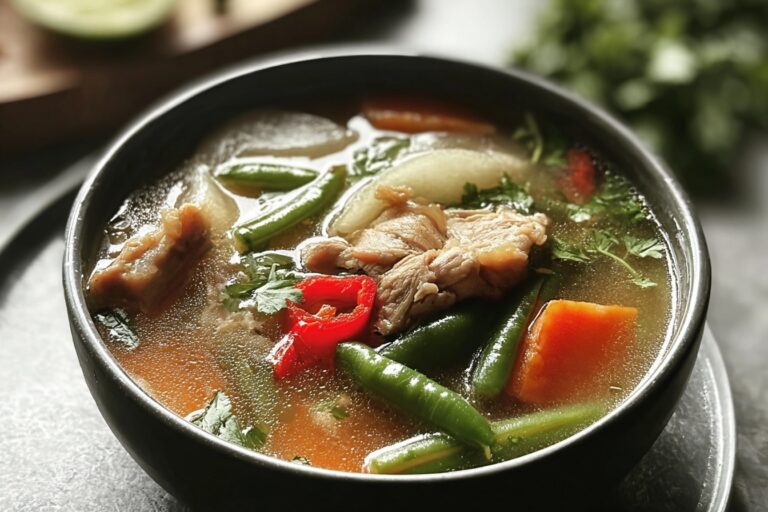
🥣 Tangy, comforting Filipino sour soup with tender pork belly, fresh veggies, and tamarind – nutrient-packed (high vitamin C & fiber) one-pot meal for cozy family dinners!
🍲 Authentic flavors from natural souring agent, simmered to perfection; easy, hearty dish that’s gluten-free and customizable with your favorite proteins or veggies.
- Total Time: 1 hour 50 minutes
- Yield: 4 servings
Ingredients
– 2 lbs pork belly gives the broth richness and tenderness
– 1 lb young tamarind the souring agent that creates the signature tang
– 2 quarts water forms the base of the soup
– 1 onion adds depth to the broth
– 2 pieces tomatoes, sliced into wedges bring color and natural sweetness
– 1 bunch chopped water spinach (kangkong) adds leafy freshness
– 8 pieces string beans, cut into 2-inch pieces bring crunch and balance
– 2 pieces Chinese eggplant, sliced softens beautifully in the broth
– 1 medium daikon radish, optional adds mild sweetness and body
– 8 pieces okra adds classic texture
– Long green peppers add a gentle kick
– Fish sauce to taste seasons the broth
– Ground black pepper to taste adds warmth and finish
Instructions
1-First step: make the tamarind broth Place 1 lb young tamarind in 2 quarts water and boil for 40 minutes. This gives the broth enough time to pull out the sour flavor that makes sinigang recipe with tamarind so distinctive. Stir every so often so the fruit softens evenly. When it is done, strain the liquid into a bowl or another pot and squeeze the tamarind pulp to get as much juice as possible. Discard the solids, then keep the broth warm.
2-Second step: start the soup base Bring the tamarind broth to a boil in a large pot. Add 1 onion, 2 lbs pork belly, and half of the sliced tomatoes. Let the soup simmer gently. As the pork cooks, skim off any scum that rises to the top so the broth stays clean and pleasant looking. Add fish sauce to taste and let the pork cook for about 1 hour, or until it is tender.
3-Third step: add the firm vegetables Once the pork is tender, add 1 medium daikon radish, if using, and 2 sliced Chinese eggplants. Let these cook for 5 minutes. Next add the long green peppers, 8 string beans cut into 2-inch pieces, the remaining tomatoes, and 8 okra. Cook for 3 minutes more. These vegetables should stay a little crisp, so do not overcook them.
4-Fourth step: finish with kangkong Stir in the chopped water spinach stalks first. Taste the broth and adjust with more fish sauce and ground black pepper if needed. Let this cook for 2 minutes. Then add the water spinach leaves, cover the pot, and turn off the heat. Let the residual heat wilt the leaves for about 3 minutes. This keeps the greens fresh and bright.
5-Final step: serve hot Ladle the soup into bowls and serve it hot with steamed rice. The broth should taste sour, savory, and balanced, with tender pork and vegetables in every bite. For families, this dish works well as a complete meal because it already includes protein, vegetables, and a flavorful broth.
Last Step:
Please leave a rating and comment letting us know how you liked this recipe! This helps our business to thrive and continue providing free, high-quality recipes for you.Notes
🥩 Choose moist, quality pork belly or shoulder and simmer 60-90 minutes for ultimate tenderness.
🧅 Add onion and tomatoes early in cooking to infuse the broth with deeper flavors.
🥬 Add leafy greens like water spinach at the very end to keep them vibrant and crisp.
- Prep Time: 10 minutes
- Cook Time: 1 hour 40 minutes
- Category: Soup
- Method: Stovetop
- Cuisine: Filipino
- Diet: Gluten-Free
Nutrition
- Serving Size: 1 serving
- Calories: 1538 kcal
- Sugar: 54 g
- Sodium: 175 mg
- Fat: 121 g
- Saturated Fat: 44 g
- Unsaturated Fat: 77 g
- Trans Fat: 0 g
- Carbohydrates: 91 g
- Fiber: 13 g
- Protein: 29 g
- Cholesterol: 163 mg