
Why You’ll Love This Au Gratin Potatoes Recipe
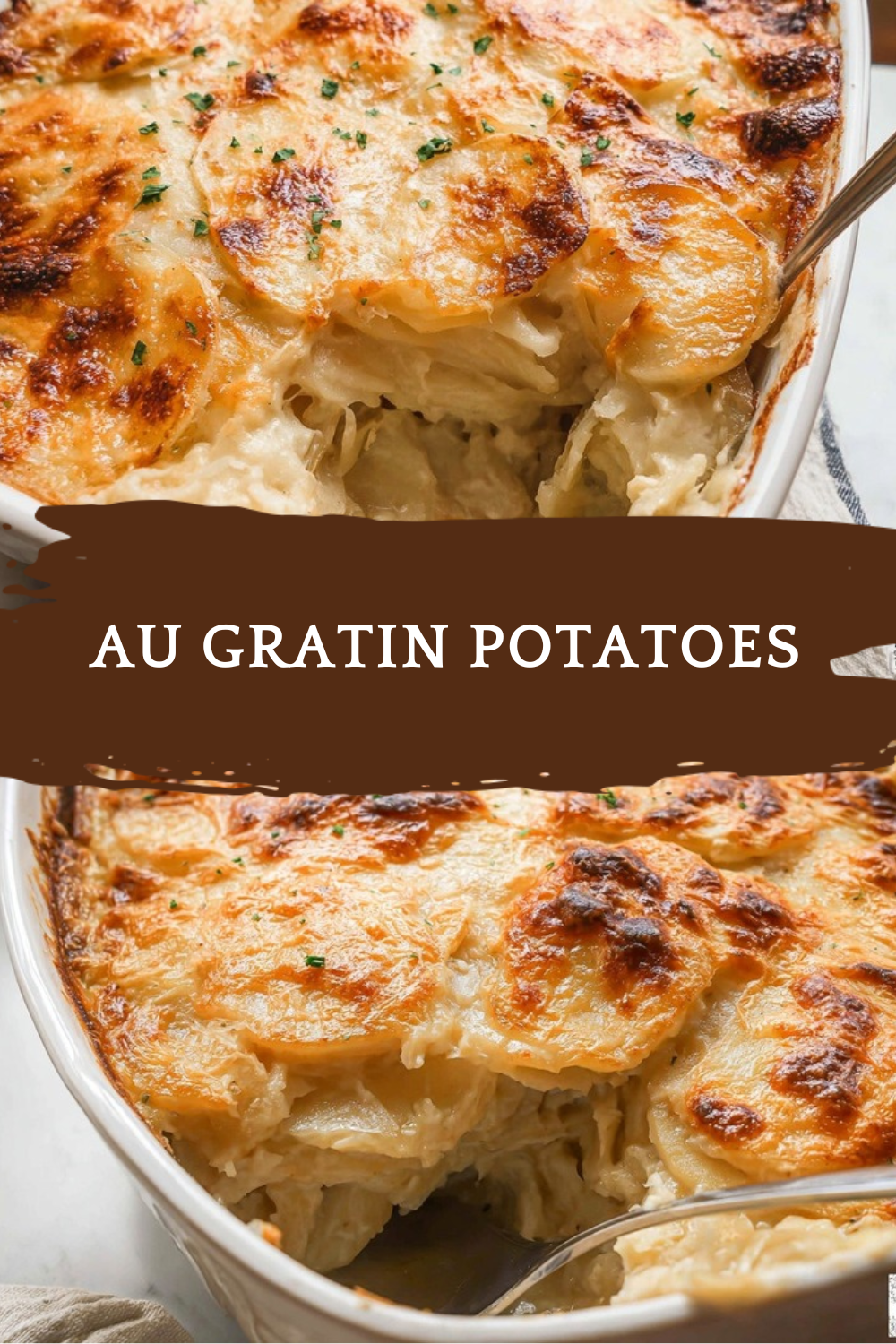
If you are looking for Au Gratin Potatoes that are creamy, cheesy, and easy enough for a weeknight but special enough for holidays, this recipe is a keeper. It has that cozy, old-fashioned comfort food feel that makes people go back for seconds, and maybe thirds too.
- Easy to make: The steps are simple, and the sauce comes together in one pan before everything bakes in the oven. That means less fuss and more time for the rest of dinner.
- Comforting and filling: With Yukon Gold potatoes, whole milk, cream, cheddar, and Parmesan, these au gratin potatoes make a hearty side dish that feels satisfying and rich.
- Flexible for many meals: These cheesy potatoes pair well with chicken, turkey, ham, steak, salmon, or roasted vegetables, so they fit into all kinds of menus.
- Big flavor in every bite: Onion, garlic, sharp cheddar, and Parmesan give the dish a deep savory taste with a golden top that is hard to resist.
Tip: If you love cozy potato bakes, this one brings together creamy sauce, tender potato slices, and a lightly browned top for the kind of side dish people remember.
For more potato inspiration, you may also enjoy this classic potatoes au gratin method for another take on the same comforting style.
Jump to:
- Why You’ll Love This Au Gratin Potatoes Recipe
- Essential Ingredients for Au Gratin Potatoes
- Special Dietary Options
- How to Prepare the Perfect Au Gratin Potatoes: Step-by-Step Guide
- First Step: Prepare the potatoes and oven
- Second Step: Cook the onion and garlic
- Third Step: Make the creamy cheese sauce
- Fourth Step: Add the cheese and seasonings
- Fifth Step: Coat the potatoes
- Sixth Step: Assemble and bake
- Final Step: Rest and serve
- Dietary Substitutions to Customize Your Au Gratin Potatoes
- Protein and Main Component Alternatives
- Vegetable, Sauce, and Seasoning Modifications
- Mastering Au Gratin Potatoes: Advanced Tips and Variations
- Pro cooking techniques
- Flavor variations
- Presentation tips
- Make-ahead options
- How to Store Au Gratin Potatoes: Best Practices
- Refrigeration
- Freezing
- Reheating
- Meal prep considerations
- FAQs: Frequently Asked Questions About Au Gratin Potatoes
- What are au gratin potatoes?
- What’s the difference between au gratin potatoes and scalloped potatoes?
- Can you make au gratin potatoes ahead of time?
- How do you store leftover au gratin potatoes?
- Can you freeze au gratin potatoes?
- Au Gratin Potatoes
- Ingredients
- Instructions
- Last Step:
- Notes
- Nutrition
- Did you make this recipe?
Essential Ingredients for Au Gratin Potatoes
Here is everything you need for this Au Gratin Potatoes recipe. Be sure to slice the potatoes evenly so they cook at the same pace and soak up all that creamy sauce.
- 2 pounds Yukon Gold potatoes, peeled and sliced into 1/8-inch thick rounds – These hold their shape well and add just enough starch to help thicken the sauce.
- 3 tablespoons butter – Creates the base for the sauce and helps soften the onions.
- 3 tablespoons all-purpose flour – Thickens the cream mixture so the potatoes bake in a rich, velvety sauce.
- 1/2 cup finely chopped yellow onion – Adds sweet, savory flavor.
- 2 cloves garlic, minced – Brings a warm, aromatic kick.
- 2 cups whole milk – Forms the creamy base of the sauce.
- 1/2 cup heavy cream – Makes the sauce extra rich and smooth.
- 1 1/2 teaspoons salt – Seasons the dish all the way through.
- 1/4 teaspoon freshly ground black or white pepper (optional) – Adds a little gentle heat.
- 1 1/2 cups cheddar cheese (do not use pre-shredded) – Melts beautifully and gives the dish bold cheesy flavor.
- 1/3 cup Parmesan cheese, divided – Adds a salty, nutty finish and helps brown the top.
- Chopped parsley, for garnish – Adds color and a fresh final touch.
Special Dietary Options
- Vegan: Use plant-based butter, unsweetened oat milk or soy milk, dairy-free cream, and vegan cheddar and Parmesan-style cheese.
- Gluten-free: Swap the all-purpose flour for a gluten-free flour blend that thickens well.
- Low-calorie: Use reduced-fat milk, a lighter cream alternative, and less cheese, though the texture will be a little less rich.
For readers who want to learn more about potato nutrition, this helpful article on the health benefits of potatoes is worth a look.
How to Prepare the Perfect Au Gratin Potatoes: Step-by-Step Guide
This recipe for Au Gratin Potatoes is all about building flavor in layers. The sauce starts on the stove, then everything bakes together until the potatoes are tender and the top turns lightly browned. A little patience goes a long way here, and the payoff is a creamy casserole that feels like pure comfort food.
First Step: Prepare the potatoes and oven
Preheat the oven to 350°F. Peel the Yukon Gold potatoes and slice them into 1/8-inch rounds. A mandoline works especially well for this because the slices come out even, which helps the potatoes cook at the same rate. If the slices are too thick, they may stay firm in the center while the sauce finishes cooking.
If you are cooking for a crowd or trying to save time, you can slice the potatoes earlier in the day and keep them in cold water. Just drain and pat them dry before cooking so the sauce stays creamy and not watery.
Second Step: Cook the onion and garlic
Set a pan over medium-high heat and melt the butter. Add the finely chopped yellow onion and cook for about 5 to 6 minutes, or until soft and translucent. This step builds a sweet base that keeps the sauce from tasting flat.
Add the minced garlic and cook for another minute. Stir often so the garlic does not brown too quickly. You want a gentle garlic flavor that blends into the sauce instead of overpowering it.
Third Step: Make the creamy cheese sauce
Stir in the flour and cook for 1 to 2 minutes. This helps remove the raw flour taste and gives the sauce structure. Next, slowly add the whole milk and heavy cream, stirring constantly so lumps do not form. Keep the heat steady and patient here. A smooth sauce is what makes this dish feel rich and velvety.
Bring the mixture to a slow boil, then lower the heat and simmer until it thickens slightly. The sauce should coat the back of a spoon. It does not need to be super thick at this stage because it will continue to thicken in the oven.
Fourth Step: Add the cheese and seasonings
Stir in the cheddar cheese, half of the Parmesan cheese, salt, and pepper if you are using it. Keep stirring until the cheese melts fully. Do not use pre-shredded cheddar here if you can avoid it, because it often contains anti-caking agents that stop it from melting as smoothly.
The sauce should now taste savory, creamy, and just a little sharp from the cheese. If you like a stronger pepper note, use freshly ground black pepper. If you prefer a softer look, white pepper works too.
Fifth Step: Coat the potatoes
Add the sliced potatoes to the pan and stir carefully until every piece is coated in the sauce. Try to lift and fold instead of stirring aggressively so the slices stay intact. Every potato round should be covered, because that is what helps the final dish bake evenly and stay moist.
If you are making this for a holiday meal, this is a great stopping point for a make-ahead strategy. You can assemble the dish earlier in the day, cover it, and refrigerate it until you are ready to bake.
Sixth Step: Assemble and bake
Transfer the potato mixture to a 2-quart casserole dish. Sprinkle the remaining Parmesan cheese over the top, then cover the dish with foil. This first covered bake lets the potatoes soften without drying out.
Bake for 1 hour, or until the potatoes are tender when pierced with a fork. Then uncover the dish and bake for another 20 minutes. During this final stretch, the top should turn lightly browned and any extra moisture should evaporate. If you want a slightly deeper top, leave it in the oven just a few minutes longer, but keep an eye on it.
Final Step: Rest and serve
Let the casserole rest for 5 minutes before serving. This short wait helps the sauce settle so the potatoes hold together better when scooped. Finish with chopped parsley for a fresh pop of color.
Resting matters. If you cut into the dish too soon, the sauce may look looser than it really is. A few minutes on the counter helps everything set up nicely.
This dish serves 6 and works well alongside roast chicken, turkey, pork, beef, lamb, ham, steak, pork chops, salmon, grilled portobello mushrooms, grilled or roasted vegetables, or even a simple green salad.
| Recipe Detail | Information |
|---|---|
| Prep Time | 15 minutes |
| Cook Time | 1 hour 30 minutes |
| Total Time | 1 hour 45 minutes |
| Servings | 6 |
| Oven Temperature | 350°F |

Dietary Substitutions to Customize Your Au Gratin Potatoes
Protein and Main Component Alternatives
Since this dish is a potato side rather than a protein-heavy main, the easiest swaps focus on the dairy and cheese. For a lighter dish, replace heavy cream with half-and-half, though the sauce will be a bit less rich. You can also use low-fat milk if needed, but keep in mind that the final texture may be thinner.
If you are making a fully plant-based version, choose a dairy-free butter, unsweetened plant milk, and a melt-friendly vegan cheese. Cashew cream can also work well if you want a smoother, richer sauce.
Vegetable, Sauce, and Seasoning Modifications
You can add thinly sliced leeks, a little thyme, or a pinch of smoked paprika for a different flavor profile. Some cooks like to mix in a handful of sautéed spinach or mushrooms for extra color and texture. If you want a more traditional feel, stick with the onion, garlic, cheddar, and Parmesan combination.
For people who want a gluten-free version, use a trusted gluten-free flour blend in place of all-purpose flour. If you need to reduce sodium, cut back on the salt and choose a sharper cheese so the flavor still comes through. These changes keep the spirit of classic Au Gratin Potatoes while making the dish fit your table better.
Mastering Au Gratin Potatoes: Advanced Tips and Variations
Once you have made this recipe a few times, small changes can make it even better. The good news is that Au Gratin Potatoes are forgiving if you pay attention to a few key details.
Pro cooking techniques
Use Yukon Gold potatoes because their moderate starch helps thicken the sauce naturally. If your potatoes are sliced very evenly, they will bake more predictably and look prettier in the casserole dish. A mandoline makes that part much easier, especially when you are cooking for a party.
If you want a slightly thicker sauce, let it simmer just a little longer before adding the cheese. If you want a looser sauce, remove it from the heat sooner. The final texture should still feel creamy before it goes into the oven.
Flavor variations
Try swapping part of the cheddar for Gruyère if you want a nuttier flavor. A small pinch of nutmeg can add a warm note, while fresh thyme gives the dish a more herb-forward taste. You can also top the casserole with a bit of extra Parmesan for a more golden, savory crust.
Presentation tips
Serve the potatoes right from the casserole dish for a cozy family-style look, or spoon neat portions onto warm plates for a more polished table. Finish with chopped parsley just before serving so the top looks fresh and bright. For special occasions, a little extra browned cheese around the edges makes the dish look extra inviting.
Make-ahead options
This recipe is great for busy schedules. You can assemble it up to 1 day ahead and keep it covered in the fridge. You can also par-bake it, cool it completely, then finish the last part of baking later. That makes it a smart choice for holidays, potlucks, and Sunday dinners when you want less work at the last minute.
How to Store Au Gratin Potatoes: Best Practices
Leftover Au Gratin Potatoes keep well if you cool and store them the right way. Let the casserole cool fully before packing it away, since trapped steam can make the top soggy.
Refrigeration
Place leftovers in an airtight container and store them in the refrigerator for up to 4 to 5 days. If you leave them in the baking dish, cover it tightly with foil or a lid. The flavor often tastes even better the next day.
Freezing
You can freeze the dish before or after baking. For unbaked potatoes, assemble in a foil-lined pan, wrap tightly, and freeze for up to 3 months. For baked leftovers, portion them into freezer-safe containers or bags and freeze for 2 to 3 months.
Reheating
Reheat in a 350°F oven for about 20 to 25 minutes, covered with foil, until hot. Add a splash of milk or cream if the sauce seems dry. For a crisp top, remove the foil near the end or broil briefly for 1 to 2 minutes.
Meal prep considerations
If you are making this dish for meal prep, portion it into smaller containers so it reheats more evenly. It works well for quick lunches or easy dinners with roasted vegetables or leftover protein.
FAQs: Frequently Asked Questions About Au Gratin Potatoes
What are au gratin potatoes?
Au gratin potatoes are a creamy, cheesy baked potato casserole made with thinly sliced potatoes layered with a rich cream sauce, garlic, onions, and topped with melted cheese like Gruyère or cheddar. The name “au gratin” means “with gratings,” referring to the grated cheese that forms a golden, crispy top when baked. Unlike mashed potatoes, they’re sliced thin for even cooking and tenderness. To make them, preheat your oven to 375°F, slice 2-3 lbs of russet or Yukon Gold potatoes 1/8-inch thick (use a mandoline for uniformity), layer in a greased 9×13-inch dish with sauce made from 2 cups heavy cream, 2 minced garlic cloves, salt, pepper, and thyme. Top with 2 cups shredded cheese and bake covered for 45 minutes, then uncovered 30 minutes more until bubbly and browned. Serves 8-10 as a side. (92 words)
What’s the difference between au gratin potatoes and scalloped potatoes?
Au gratin potatoes feature cheese both in the sauce and melted on top for a crispy, golden crust, while scalloped potatoes use a cream or milk sauce without cheese, relying on flour-thickened liquid for creaminess. Both start with thinly sliced potatoes baked in layers, but au gratin is richer and cheesier—think Gruyère or cheddar adding nutty, sharp flavor. Scalloped versions are lighter and more subtle. For au gratin, mix 1-2 cups shredded cheese into the cream sauce (2 cups heavy cream, garlic, salt) before layering. Bake at 375°F for 75 minutes total. Use Yukon Golds for both to avoid sogginess. This distinction helps choose based on your meal: au gratin pairs with steak, scalloped with ham. (112 words)
Can you make au gratin potatoes ahead of time?
Yes, au gratin potatoes are ideal for making ahead. Assemble the full dish up to 24 hours in advance: layer sliced potatoes with cream sauce and cheese in a dish, cover tightly with plastic wrap, and refrigerate. Bake the next day at 375°F, adding 10-15 extra minutes since it’s cold—let it sit at room temperature for 1 hour first if possible. Potatoes may discolor slightly, but it vanishes after baking. For best results, par-bake 75% (about 50-60 minutes covered), cool completely, cover, refrigerate, then finish uncovered for 20-30 minutes. Add 1/4 cup extra cream before final bake to replace absorbed liquid. Perfect for holidays! (108 words)
How do you store leftover au gratin potatoes?
Store leftover au gratin potatoes in an airtight container in the fridge for up to 4-5 days. Cool completely first to avoid condensation, then cover tightly to keep creamy. Reheat in a 350°F oven for 20-25 minutes covered with foil until hot (165°F internal temp), adding a splash of milk or cream if dry. Microwave works for singles: cover and heat 2-3 minutes, stirring halfway. Avoid leaving out over 2 hours to prevent bacteria. For crisp top, broil 1-2 minutes after oven reheating. Freezing extends life—portion into freezer bags for 2-3 months, thaw overnight in fridge before reheating. Great for meal prep! (102 words)
Can you freeze au gratin potatoes?
Yes, you can freeze au gratin potatoes before or after baking. For unbaked: assemble layers in a foil-lined disposable pan, wrap tightly in plastic then foil, and freeze up to 3 months. Thaw overnight in fridge, then bake at 375°F adding 15-20 extra minutes. For baked leftovers: cool fully, portion into freezer bags (flatten for space), removing air, and freeze 2-3 months. Thaw in fridge 24 hours, reheat covered at 350°F with extra cream (2-3 tbsp per serving) for 25-30 minutes. Cheese may weep slightly but texture stays creamy. Label with date; avoid repeated freeze-thaw. Ideal for batch cooking! (98 words)
Au Gratin Potatoes
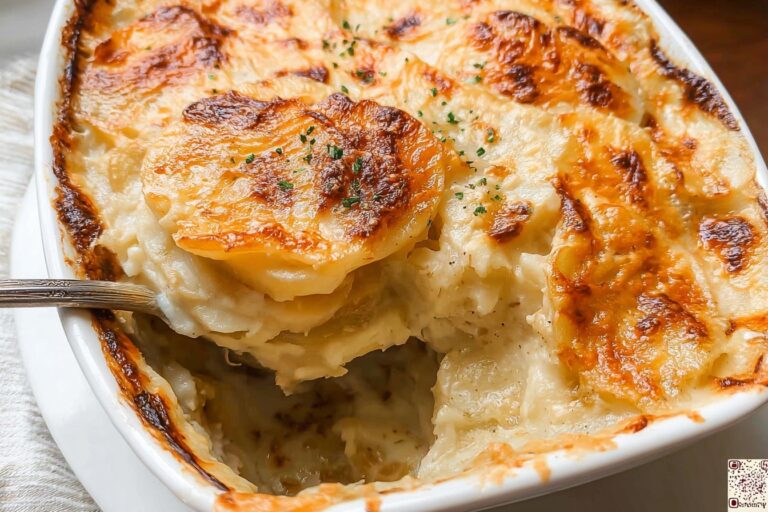
🥔 Indulge in layers of tender Yukon Gold potatoes smothered in a rich, cheesy sauce for the ultimate comfort food experience.
🧀 This crowd-pleasing side dish is perfect for holidays, dinners, or any meal needing a cheesy upgrade!
- Total Time: 1 hour 45 minutes
- Yield: 6 servings
Ingredients
– 2 pounds Yukon Gold potatoes, peeled and sliced into 1/8-inch thick rounds
– 3 tablespoons butter
– 3 tablespoons all-purpose flour
– 1/2 cup finely chopped yellow onion
– 2 cloves garlic, minced
– 2 cups whole milk
– 1/2 cup heavy cream
– 1 1/2 teaspoons salt
– 1/4 teaspoon freshly ground black or white pepper (optional)
– 1 1/2 cups cheddar cheese (do not use pre-shredded)
– 1/3 cup Parmesan cheese, divided
– Chopped parsley, for garnish
Instructions
1-First Step: Prepare the potatoes and oven Preheat the oven to 350°F. Peel the Yukon Gold potatoes and slice them into 1/8-inch rounds. A mandoline works especially well for this because the slices come out even, which helps the potatoes cook at the same rate. If the slices are too thick, they may stay firm in the center while the sauce finishes cooking. If you are cooking for a crowd or trying to save time, you can slice the potatoes earlier in the day and keep them in cold water. Just drain and pat them dry before cooking so the sauce stays creamy and not watery.
2-Second Step: Cook the onion and garlic Set a pan over medium-high heat and melt the butter. Add the finely chopped yellow onion and cook for about 5 to 6 minutes, or until soft and translucent. This step builds a sweet base that keeps the sauce from tasting flat. Add the minced garlic and cook for another minute. Stir often so the garlic does not brown too quickly. You want a gentle garlic flavor that blends into the sauce instead of overpowering it.
3-Third Step: Make the creamy cheese sauce Stir in the flour and cook for 1 to 2 minutes. This helps remove the raw flour taste and gives the sauce structure. Next, slowly add the whole milk and heavy cream, stirring constantly so lumps do not form. Keep the heat steady and patient here. A smooth sauce is what makes this dish feel rich and velvety. Bring the mixture to a slow boil, then lower the heat and simmer until it thickens slightly. The sauce should coat the back of a spoon. It does not need to be super thick at this stage because it will continue to thicken in the oven.
4-Fourth Step: Add the cheese and seasonings Stir in the cheddar cheese, half of the Parmesan cheese, salt, and pepper if you are using it. Keep stirring until the cheese melts fully. Do not use pre-shredded cheddar here if you can avoid it, because it often contains anti-caking agents that stop it from melting as smoothly. The sauce should now taste savory, creamy, and just a little sharp from the cheese. If you like a stronger pepper note, use freshly ground black pepper. If you prefer a softer look, white pepper works too.
5-Fifth Step: Coat the potatoes Add the sliced potatoes to the pan and stir carefully until every piece is coated in the sauce. Try to lift and fold instead of stirring aggressively so the slices stay intact. Every potato round should be covered, because that is what helps the final dish bake evenly and stay moist. If you are making this for a holiday meal, this is a great stopping point for a make-ahead strategy. You can assemble the dish earlier in the day, cover it, and refrigerate it until you are ready to bake.
6-Sixth Step: Assemble and bake Transfer the potato mixture to a 2-quart casserole dish. Sprinkle the remaining Parmesan cheese over the top, then cover the dish with foil. This first covered bake lets the potatoes soften without drying out. Bake for 1 hour, or until the potatoes are tender when pierced with a fork. Then uncover the dish and bake for another 20 minutes. During this final stretch, the top should turn lightly browned and any extra moisture should evaporate. If you want a slightly deeper top, leave it in the oven just a few minutes longer, but keep an eye on it.
7-Final Step: Rest and serve Let the casserole rest for 5 minutes before serving. This short wait helps the sauce settle so the potatoes hold together better when scooped. Finish with chopped parsley for a fresh pop of color.
Last Step:
Please leave a rating and comment letting us know how you liked this recipe! This helps our business to thrive and continue providing free, high-quality recipes for you.Notes
🔪 Use a mandoline slicer for uniform 1/8-inch thick potato slices to ensure even cooking.
⏳ Allow the dish to rest for 5 minutes after baking to let it set and absorb excess liquid.
📅 Assemble the casserole up to 1 day in advance, cover, and refrigerate; bake when ready.
- Prep Time: 15 minutes
- Cook Time: 1 hour 30 minutes
- Category: Side Dish
- Method: Baking
- Cuisine: American
- Diet: Vegetarian
Nutrition
- Serving Size: 1 serving
- Calories: 397 kcal
- Sugar: 4g
- Sodium: 837mg
- Fat: 26g
- Saturated Fat: 16g
- Carbohydrates: 28g
- Fiber: 4g
- Protein: 16g
- Cholesterol: 83mg