
Why You’ll Love This Australian Lobster
Australian Lobster tails, each weighing between 14 to 16 ounces (approximately 396 to 454 grams), are wild-caught from the northern coast of Australia, offering a mild, sweet, and filling flavor with a meaty yet tender texture and a rich, succulent, buttery taste. This recipe stands out for its ease of preparation, making it ideal for home cooks, busy parents, and even students looking for a quick gourmet meal. Australian Lobster is not only delicious but also packed with health benefits like lean protein, omega-3 fatty acids, and essential vitamins that support heart health and overall wellness.
One key reason to try this dish is its incredible versatility, allowing it to fit various dietary needs without losing its appeal. For instance, you can adapt it for gluten-free or low-calorie diets, ensuring it’s suitable for food enthusiasts and diet-conscious individuals alike. The distinctive flavor of Australian Lobster elevates any dining experience, making it perfect for special occasions or a simple weeknight treat.
Key Features of Australian Lobster
- Wild-caught from the northern coast of Australia for superior freshness.
- Rich in nutrients that promote a balanced diet.
- Adapts easily to vegan versions with plant-based substitutes.
Lobsters are typically flash-frozen and packed with dry ice to keep them fresh during shipping, so plan your orders ahead, especially before weekends, to avoid delays.
Jump to:
- Why You’ll Love This Australian Lobster
- Key Features of Australian Lobster
- Essential Ingredients for Australian Lobster
- How to Prepare the Perfect Australian Lobster: Step-by-Step Guide
- Dietary Substitutions to Customize Your Australian Lobster
- Mastering Australian Lobster: Advanced Tips and Variations
- How to Store Australian Lobster: Best Practices
- FAQs: Frequently Asked Questions About Australian Lobster
- What does Australian lobster taste like?
- Why do Australian lobsters have green shells?
- How do Australian lobster tails compare in size to Maine lobster tails?
- How should I store Australian lobster tails to keep them fresh?
- Are there any nutritional benefits to eating Australian lobster?
- Australian Lobster
- Ingredients
- Instructions
- Last Step:
- Notes
- Nutrition
- Did you make this recipe?
Essential Ingredients for Australian Lobster
Gathering the right ingredients is key to creating a delicious Australian Lobster dish. Below is a structured list of all the ingredients mentioned, ensuring you have everything needed with precise measurements for accuracy.
- Australian Lobster Tail (1-1.5 lbs) – provides the star protein with natural sweetness and tender meat.
- Butter (4 tbsp) – adds rich flavor and aids in cooking the lobster to juicy perfection.
- Garlic (2 cloves, minced) – enhances aroma and adds a savory depth.
- Fresh Lemon Juice (2 tbsp) – brightens flavors and balances richness.
- Fresh Parsley (2 tbsp, chopped) – offers fresh herbal notes and a touch of color.
For special dietary options, consider these adjustments to make the recipe more inclusive.
- Vegan: Use plant-based lobster alternatives like king oyster mushrooms or hearts of palm.
- Gluten-free: Ensure all seasonings and butter used are certified gluten-free.
- Low-calorie: Substitute butter with olive oil and limit added fats to reduce calorie content.
Try our lemon cream pie recipe for more ideas on using fresh lemon juice in creative ways.
How to Prepare the Perfect Australian Lobster: Step-by-Step Guide
To begin, thaw the Australian Lobster tail by removing it from its packaging and placing it in a plastic bag in the refrigerator for 6-8 hours. If you need to thaw it faster, keep the lobster tail in a plastic bag and run it under cool water, but never use hot water. Once thawed, cut along the top of the shell, stopping at the tail’s base, then lift the meat above the shell, season it as desired, and proceed to cook.
First Step: Pat the thawed Australian Lobster tail dry with paper towels to remove any excess moisture. This helps the seasoning stick better and prevents steaming instead of browning.
Second Step: Preheat your oven to 425°F (220°C) and lightly oil a baking dish to avoid sticking, setting the stage for even cooking.
- Using kitchen shears, carefully cut the top shell of the lobster tail down the center to expose the meat without detaching it.
- Gently lift the meat out of the shell and lay it on top of the shell for even cooking and better flavor absorption.
- In a small bowl, mix melted butter, minced garlic, fresh lemon juice, and chopped parsley, then brush it generously over the lobster meat for a tasty coating.
- Place the lobster tails in the baking dish and bake for 12-15 minutes until the meat is opaque and slightly firm, adjusting time based on size.
- For dietary tweaks, swap butter with olive oil for low-calorie options or use vegan alternatives to suit plant-based diets.
- Remove from the oven, add extra parsley and lemon wedges for garnish, and serve right away to lock in the best texture and taste.
This method highlights the rich, buttery taste of Australian Lobster, making it a hit for party hosts and family gatherings.

Dietary Substitutions to Customize Your Australian Lobster
Customizing recipes ensures everyone can enjoy Australian Lobster, regardless of their dietary needs. For protein swaps, consider substituting Australian Lobster with king crab legs or shrimp to keep the shellfish vibe alive while varying the meal.
Protein and Main Component Alternatives include options like grilled king oyster mushrooms or hearts of palm for vegan diets, mimicking the tender texture perfectly. When it comes to vegetable and seasoning changes, you can swap garlic butter with garlic-infused olive oil or vegan butter to cut calories and accommodate restrictions.
| Substitution Type | Original Ingredient | Alternative |
|---|---|---|
| Protein | Australian Lobster | King crab legs or shrimp |
| Sauce | Butter | Olive oil or vegan butter |
| Seasoning | Garlic | Gluten-free blends or herbs like tarragon |
Experiment with additions like asparagus or zucchini to boost nutrition, making it easier for working professionals and seniors to enjoy a balanced meal.
Mastering Australian Lobster: Advanced Tips and Variations
To elevate your skills with Australian Lobster, try pro cooking techniques like sous-vide for precise temperature control, which delivers tender and juicy meat every time. Flavor variations can include adding smoked paprika or chili flakes to the butter mix for a spicy twist that appeals to adventurous eaters.
Presentation tips involve serving the lobster on a bed of mixed greens or with edible flowers to make your dish visually appealing for party hosts. For busy days, prepare the garlic butter sauce ahead and freeze the lobster tails, as they are typically flash-frozen with dry ice for quality, allowing easy meal prep.
This approach not only saves time but also preserves the mild, sweet flavor of Australian Lobster, caught from the northern coast.
Explore our blueberry peach crisp for complementary dessert ideas that pair well with seafood meals.
How to Store Australian Lobster: Best Practices
Proper storage keeps Australian Lobster fresh and maintains its meaty texture. For refrigeration, store cooked lobster in an airtight container in the fridge for up to 2 days to retain its succulent taste.
When freezing, place the lobster meat in a freezer-safe bag, remove excess air, and keep it at 0°F (-18°C) for up to 3 months for the best results. Reheating should be gentle, using steaming or a low oven to avoid toughness and preserve the rich, buttery flavor.
- Plan orders in advance due to possible shipping delays, as lobsters are packed with dry ice.
- Portion into meal-sized servings before freezing to simplify future use.
For external reference, learn about health benefits of lobster to understand why proper storage matters.
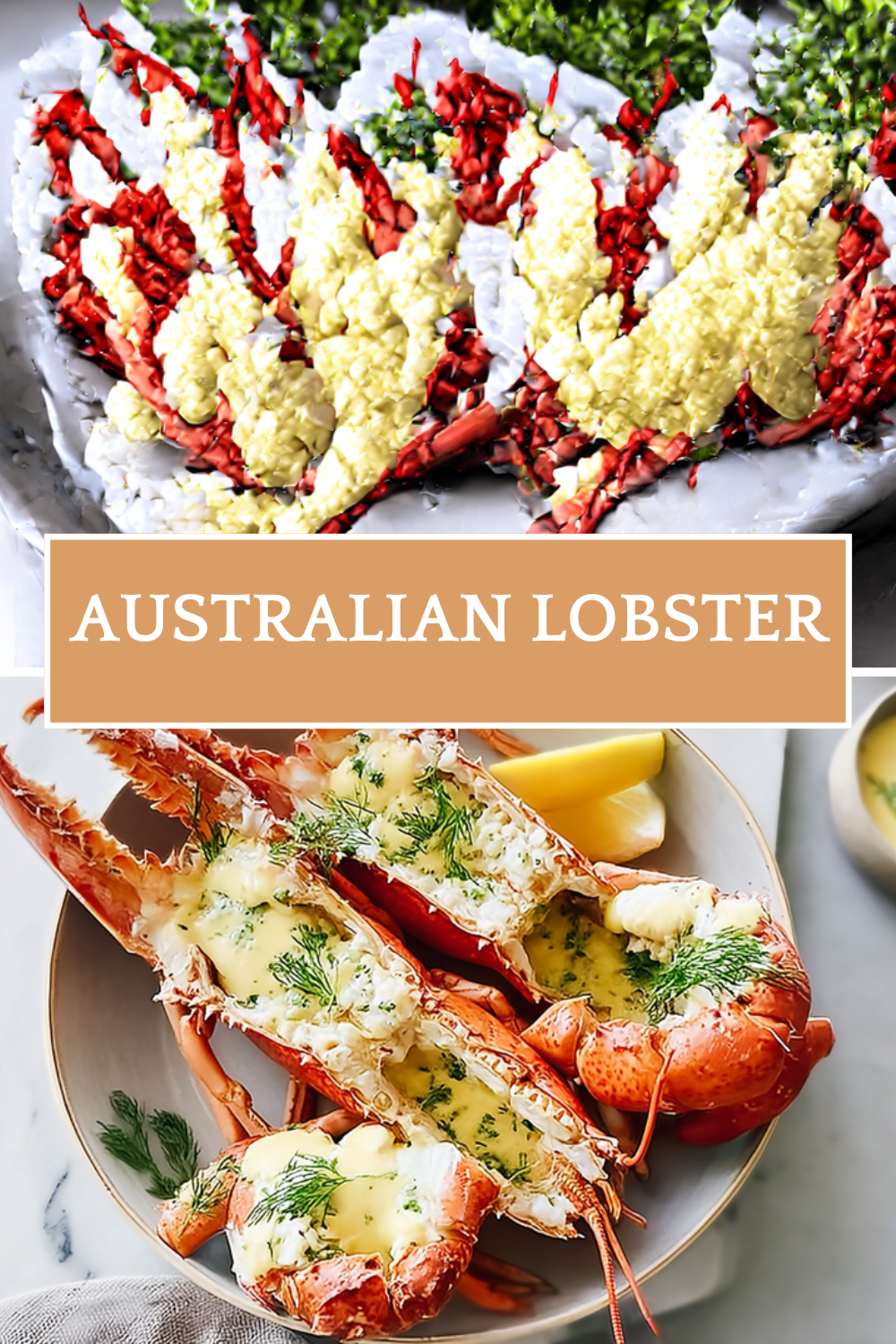
FAQs: Frequently Asked Questions About Australian Lobster
What does Australian lobster taste like?
Australian lobster has a rich, buttery flavor with a sweet, meaty taste. Its texture is tender yet firm, making it perfect for grilling, boiling, or steaming. The subtle sweetness and delicate chew set it apart from other lobster varieties, making it a favorite among seafood lovers.
Why do Australian lobsters have green shells?
The green color of Australian lobster shells helps them blend into their natural rocky and kelp-filled habitats, providing camouflage from predators. This unique coloration is due to specific pigments in their exoskeleton, which differs from the typical red or brown shells of other lobster species.
How do Australian lobster tails compare in size to Maine lobster tails?
Australian lobster tails are significantly larger than Maine lobster tails. While a typical Maine lobster tail weighs about 6-7 ounces, Australian lobster tails often weigh between 12 to 16 ounces, offering a more substantial portion for meals.
How should I store Australian lobster tails to keep them fresh?
To maintain freshness, store Australian lobster tails in the freezer at 0°F (-18°C) or below. For the best taste and texture, consume them within 2-3 months. If stored longer, the quality may decline, but they will remain safe to eat for several months.
Are there any nutritional benefits to eating Australian lobster?
Yes, Australian lobster is a great source of lean protein, low in fat and calories. It provides essential nutrients like omega-3 fatty acids, zinc, and B vitamins, which support heart health and brain function. Including lobster in your diet can be both delicious and nutritious.
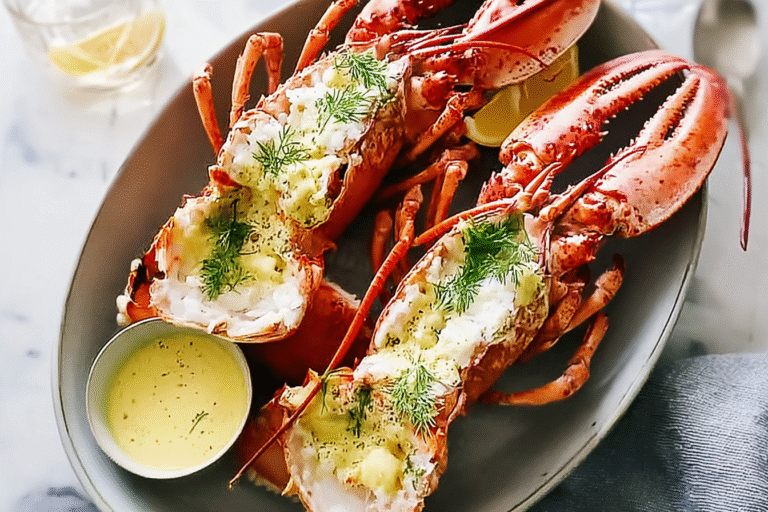
Australian Lobster
🦞 Enjoy the rich, sweet, and tender flavor of Australian Lobster and Alaskan King Crab tails, perfect for an indulgent seafood meal.
🦀 These lobster tail recipes offer a versatile way to experience succulent, meaty seafood that pairs beautifully with a variety of seasonings and cooking styles.
- Total Time: 6 hours 20 minutes
- Yield: Serves 2 to 4 depending on portion size 1x
Ingredients
1–1.5 lbs Australian Lobster Tail provides the star protein with natural sweetness and tender meat
4 tbsp Butter adds rich flavor and aids in cooking the lobster to juicy perfection
2 cloves garlic minced enhances aroma and adds a savory depth
2 tbsp Fresh Lemon Juice brightens flavors and balances richness
2 tbsp Fresh Parsley chopped offers fresh herbal notes and a touch of color
Instructions
1-To begin: thaw the Australian Lobster tail by removing it from its packaging and placing it in a plastic bag in the refrigerator for 6-8 hours. If you need to thaw it faster, keep the lobster tail in a plastic bag and run it under cool water, but never use hot water. Once thawed, cut along the top of the shell, stopping at the tail’s base, then lift the meat above the shell, season it as desired, and proceed to cook.
2-First Step: Pat the thawed Australian Lobster tail dry with paper towels to remove any excess moisture. This helps the seasoning stick better and prevents steaming instead of browning.
3-Second Step: Preheat your oven to 425°F (220°C) and lightly oil a baking dish to avoid sticking, setting the stage for even cooking.
4-Using kitchen shears, carefully cut the top shell of the lobster tail down the center to expose the meat without detaching it.
5-Gently lift the meat out of the shell and lay it on top of the shell for even cooking and better flavor absorption.
6-In a small bowl, mix melted butter, minced garlic, fresh lemon juice, and chopped parsley, then brush it generously over the lobster meat for a tasty coating.
7-Place the lobster tails in the baking dish and bake for 12-15 minutes until the meat is opaque and slightly firm, adjusting time based on size.
8-For dietary tweaks, swap butter with olive oil for low-calorie options or use vegan alternatives to suit plant-based diets.
9-Remove from the oven, add extra parsley and lemon wedges for garnish, and serve right away to lock in the best texture and taste.
Last Step:
Please leave a rating and comment letting us know how you liked this recipe! This helps our business to thrive and continue providing free, high-quality recipes for you.Notes
🦞 Always thaw shellfish properly to retain texture and flavor.
🍋 Fresh lemon juice brightens the rich seafood flavors.
🔥 Avoid overcooking to keep lobster and crab meat tender and juicy.
- Prep Time: 10 minutes
- Thawing time: 6 to 8 hours (or quick thaw under cool water)
- Cook Time: 10 minutes
- Category: Main Course
- Method: Broiling, Sautéing, or Grilling
- Cuisine: Seafood, Australian and Alaskan
- Diet: Pescatarian
Nutrition
- Serving Size: 1 lobster or crab tail
- Calories: 250 kcal
- Sugar: 1 g
- Sodium: 400 mg
- Fat: 15 g
- Saturated Fat: 8 g
- Unsaturated Fat: 6 g
- Trans Fat: 0 g
- Carbohydrates: 2 g
- Fiber: 0 g
- Protein: 25 g
- Cholesterol: 120 mg