
Banh Canh Cua: Why This Vietnamese Crab Thick Noodle Soup Belongs in Your Kitchen
If you love a cozy bowl of Banh Canh Cua, you are in for a real treat. This Vietnamese crab thick noodle soup brings together chewy noodles, a savory broth, sweet crab meat, and bright toppings in a way that feels hearty without being fussy. It is the kind of crab noodle soup that works for a weekend lunch, a family dinner, or even a special meal when you want something comforting but still fresh.
For a quick look at noodle soup traditions in Vietnam, you can also check out this Vietnamese noodle soup guide. And if you are curious about the nutrition side of crab, this crab nutrition overview is a helpful read.
Why this recipe works so well
- Easy enough for home cooks: The broth simmers slowly, but the actual hands-on work is simple. Most of the ingredients go into one pot, and the toppings come together fast.
- Comfort food with a lighter feel: You get protein from the crab, shrimp, and pork bones, plus a broth that tastes rich without needing heavy cream or butter.
- Flexible for different kitchens: You can make this banh canh recipe with pantry-friendly seasonings, and the toppings can be adjusted based on what you have on hand.
- Bold, satisfying flavor: The sweet crab, savory stock, and chewy noodles make this soup stand out from other Vietnamese noodle soup recipes.
If you have never made authentic banh canh cua at home before, do not stress. Once the broth is simmering, the rest feels much easier than it sounds.
This dish is especially nice for home cooks who want something filling but not boring. The texture is a big part of the appeal, and that thick, chewy noodle slurp is what keeps people going back for another spoonful. If you enjoy recipes that feel comforting, a little special, and still practical for busy days, this soup fits right in.
Jump to:
- Banh Canh Cua: Why This Vietnamese Crab Thick Noodle Soup Belongs in Your Kitchen
- Why this recipe works so well
- Essential Ingredients for Banh Canh Cua
- Main ingredients
- Special dietary options
- How to Prepare the Perfect Banh Canh Cua: Step-by-Step Guide
- First Step: Clean and blanch the pork bones
- Second Step: Build the broth
- Third Step: Add color and thicken the broth
- Fourth Step: Prepare the noodles and seafood
- Fifth Step: Taste and adjust the broth
- Final Step: Assemble and serve
- Dietary Substitutions to Customize Your Banh Canh Cua
- Protein and main component alternatives
- Vegetable, sauce, and seasoning modifications
- Mastering Banh Canh Cua: Advanced Tips and Variations
- Pro cooking techniques
- Flavor variations
- Presentation tips
- Make-ahead options
- How to Store Banh Canh Cua: Best Practices
- Refrigeration
- Freezing
- Reheating
- Meal prep considerations
- FAQs: Frequently Asked Questions About Banh Canh Cua
- What is banh canh cua?
- Where does banh canh cua come from?
- What are the key ingredients in banh canh cua?
- How do you make banh canh cua at home?
- What makes banh canh cua different from other Vietnamese noodle soups?
- Banh Canh Cua
- Ingredients
- Instructions
- Last Step:
- Notes
- Nutrition
- Did you make this recipe?
Essential Ingredients for Banh Canh Cua
Here is the full banh canh cua ingredients list, organized so you can shop and prep without guessing. Every item below has a job to do, from building the broth to finishing the bowl with color, aroma, and texture.
Main ingredients
- 1 large yellow onion or 4 shallots – Adds sweetness and depth to the broth.
- 3 pounds pork bones, neck bones and/or spareribs – Builds the savory base for the soup stock.
- 1 teaspoon salt for cleaning plus 1 tablespoon salt for stock – Helps clean the bones and season the broth.
- 3 quarts water – The liquid foundation for the soup.
- 1 small daikon, peeled and cut into chunks – Adds gentle sweetness and a clean, fresh flavor.
- 2 tablespoons stock bouillon powder – Boosts savoriness in the broth.
- 1 tablespoon sugar – Balances the salty and savory notes.
- 1 teaspoon MSG – Adds umami and rounds out the broth flavor.
- 1 tablespoon fish sauce – Brings classic Vietnamese depth and aroma.
- 1/4 cup tapioca starch – Thickens the broth slightly so it clings to the noodles.
- 1/2 cup cold water – Mixed with the starch to make a smooth slurry.
- Optional annatto oil or food coloring – Gives the broth a warm, inviting color.
- 2 pounds Banh Canh noodles – The signature thick noodles that make this a true thick noodle soup.
- 1/2 teaspoon sesame seed oil – Keeps the noodles from sticking and adds a light nutty scent.
- 1 pound cooked crab meat – The star protein that makes this a true crab noodle soup.
- 1 tablespoon annatto or neutral oil – Used to bloom the garlic and add color if desired.
- 1 teaspoon minced garlic – Gives the toppings a fragrant, savory kick.
- 15 cooked shrimp, size 21-25, peeled and deveined – Adds sweetness, texture, and a seafood-forward finish.
- Black pepper – Adds sharp heat at the table.
- 2 scallions, sliced thinly – Fresh green bite for garnish.
- 1 small bunch cilantro, sliced thinly – Bright herbal finish.
- Fried shallots – Crispy topping for aroma and crunch.
- 1 lime, cut into wedges – Adds acidity and brightness right before serving.
Special dietary options
- Vegan: Swap the pork bones for mushroom stock, use tofu or king oyster mushrooms instead of crab and shrimp, and replace fish sauce with vegan fish sauce.
- Gluten-free: Use certified gluten-free bouillon and check that your Banh Canh noodles are rice and tapioca based.
- Low-calorie: Use less oil, reduce the noodle portion slightly, and lean on extra herbs, lime, and daikon for flavor.
| Ingredient group | What it does | Quick note |
|---|---|---|
| Broth base | Creates depth and body | Pork bones, onion, daikon, fish sauce |
| Noodles | Provide chew and heft | Thick noodles are key |
| Seafood toppings | Add sweetness and texture | Crab meat and shrimp work beautifully |
| Garnishes | Balance the bowl | Lime, herbs, pepper, and fried shallots |
How to Prepare the Perfect Banh Canh Cua: Step-by-Step Guide
First Step: Clean and blanch the pork bones
Start by rinsing the 3 pounds of pork bones well with cold water. Rub them with 1 teaspoon of salt for cleaning, then rinse again. This helps remove any cloudy bits and gives you a cleaner broth. Place the bones in a large pot, cover with water, and bring it to a boil for a few minutes. Drain, rinse the bones one more time, and wipe out the pot if needed.
This step matters because a clean broth tastes smoother and less muddy. If you are making a big batch for a family meal, this is one of those small moves that pays off later.
Second Step: Build the broth
Add the cleaned bones back to the pot along with 3 quarts water, 1 large yellow onion or 4 shallots, and 1 small daikon peeled and cut into chunks. Bring everything up to a boil, then lower the heat to a gentle simmer. Skim off any foam that rises to the top during the first 20 to 30 minutes.
After that, stir in 2 tablespoons stock bouillon powder, 1 tablespoon sugar, 1 tablespoon salt, 1 teaspoon MSG, and 1 tablespoon fish sauce. Let the broth simmer for about 1 1/2 to 2 hours so the pork bones can release flavor into the soup.
A gentle simmer is your friend here. If the broth boils too hard, it can turn cloudy and lose some of that clean, sweet taste people love in authentic banh canh cua.
Third Step: Add color and thicken the broth
If you want a richer color, stir in a little optional annatto oil or food coloring. Some cooks love that warm orange-golden look because it makes the soup feel extra inviting. Next, mix 1/4 cup tapioca starch with 1/2 cup cold water to make a slurry. Slowly pour it into the simmering broth while stirring.
The broth should thicken slightly, just enough to coat the noodles later without becoming gluey. Let it simmer for another 5 to 10 minutes after adding the slurry so the starch cooks fully and the texture turns silky.
Fourth Step: Prepare the noodles and seafood
Cook the 2 pounds Banh Canh noodles according to the package directions. Once they are tender, drain them and toss with 1/2 teaspoon sesame seed oil so they do not stick together. Keep them ready while you finish the soup.
In a small pan, heat 1 tablespoon annatto or neutral oil. Add 1 teaspoon minced garlic and cook just until fragrant, about 20 to 30 seconds. Stir in the 1 pound cooked crab meat and warm it gently. Do not cook it too long, or the crab can turn dry. Add the 15 cooked shrimp just long enough to heat through.
Fifth Step: Taste and adjust the broth
Before assembling the bowls, taste the broth carefully. If it needs more salt, add a little at a time. If it tastes flat, a splash more fish sauce can help. If the broth feels too thick, add a little hot water. If it feels too thin, let it simmer for a few more minutes uncovered.
This is where your soup starts to feel like a true banh canh cua recipe. The goal is a broth that tastes savory, lightly sweet, and full of seafood character without overpowering the noodles.
Final Step: Assemble and serve
Divide the noodles into serving bowls. Ladle the hot broth over the noodles, then top with the warmed crab and shrimp. Finish with black pepper, 2 scallions sliced thinly, a small bunch of cilantro sliced thinly, fried shallots, and 1 lime cut into wedges on the side.
Serve right away while the broth is hot and the noodles still have that chewy bite. If you like a little heat, add chili oil or sliced fresh chilies at the table. That final squeeze of lime brings the whole bowl to life.

Dietary Substitutions to Customize Your Banh Canh Cua
Protein and main component alternatives
If you want to adjust the protein, there are plenty of ways to make this soup fit your needs. For a lighter seafood version, use more shrimp and less crab. If crab is hard to find, imitation crab can work in a pinch, though the flavor will be sweeter and less briny. For a pork-free broth, replace the pork bones with mushroom stems, dried shiitake mushrooms, and vegetable stock.
You can also make a more budget-friendly bowl by reducing the crab and adding extra shrimp or even sliced fish cake. If you are cooking for picky eaters, keep the seafood on the side and let everyone build their own bowl. That makes dinner feel a little more fun and less stressful.
Vegetable, sauce, and seasoning modifications
Want to keep the bowl lighter? Add more daikon or extra sliced scallions for freshness. You can also use less bouillon powder and let the natural sweetness of the onion and daikon do more of the work. If you prefer a cleaner taste, skip the annatto oil and rely on the broth’s natural color.
For a low-sodium version, cut back on salt, fish sauce, and bouillon, then finish with plenty of lime and herbs. If you do not like MSG, leave it out and simmer the broth a little longer for depth. For more aroma, a few slices of ginger can be added with the onion, especially if you like a brighter, fresher profile.
These swaps make the dish more personal without taking away what makes Banh Canh Cua special in the first place.
Mastering Banh Canh Cua: Advanced Tips and Variations
Pro cooking techniques
For the best broth, keep the heat low after the first boil. A rolling boil can make the stock cloudy and muddy the flavor. Skimming regularly also helps the final soup look cleaner. If you want even more body, simmer the bones a bit longer, but keep tasting so the broth does not become overly salty.
Another useful trick is to warm the crab gently instead of cooking it hard. Crab meat can dry out fast, and this soup tastes best when the seafood stays soft and sweet. Also, toss the noodles with sesame oil only lightly. Too much oil can make the bowl feel greasy instead of silky.
Flavor variations
Some cooks like to add extra shrimp shells to the broth for even more seafood flavor. Others add a little chili oil at the table for heat. If you want a deeper color, annatto oil gives the broth a beautiful warm tone without changing the taste too much. You can also top the bowl with extra fried shallots if you like crunch.
Presentation tips
Serve the noodles in wide bowls so the broth and toppings sit nicely on top. Keep the herbs fresh and add them at the end so they stay bright. A few lime wedges on the side make the bowl look lively and let each person season their own soup. If you are hosting, this is a great dish to serve family-style because everyone can customize their bowl.
Make-ahead options
The broth can be made a day ahead and chilled overnight. That actually helps the flavor settle. The noodles should be cooked just before serving so they stay chewy. You can also cook the shrimp and crab in advance, then warm them gently when it is time to eat. For busy nights, this strategy makes the soup much easier to pull together.
If you like making comforting dishes ahead of time, you may also enjoy a hearty meal like this slow cooker French dip sandwich recipe for another easy family dinner idea.
How to Store Banh Canh Cua: Best Practices
Refrigeration
Store the broth, noodles, and toppings in separate containers whenever possible. The broth will keep in the refrigerator for up to 3 days, while the noodles are best eaten within 1 to 2 days. Crab and shrimp should also be chilled quickly after cooking.
Freezing
The broth freezes well for up to 2 months. Let it cool first, then place it in airtight containers. Noodles do not freeze well because they can turn mushy, so freeze only the broth and seafood if needed. Keep garnishes fresh and add them later.
Reheating
Reheat the broth on the stove over medium heat until steaming. Warm the crab and shrimp gently in the broth or separately for a minute or two. Cooked noodles should be dipped into the hot broth right before serving so they stay springy.
Meal prep considerations
If you are meal prepping, store the broth in single portions for easy lunches. Keep the herbs, lime, and fried shallots separate so they stay crisp. That way, the soup still feels freshly made even a couple of days later.
FAQs: Frequently Asked Questions About Banh Canh Cua
What is banh canh cua?
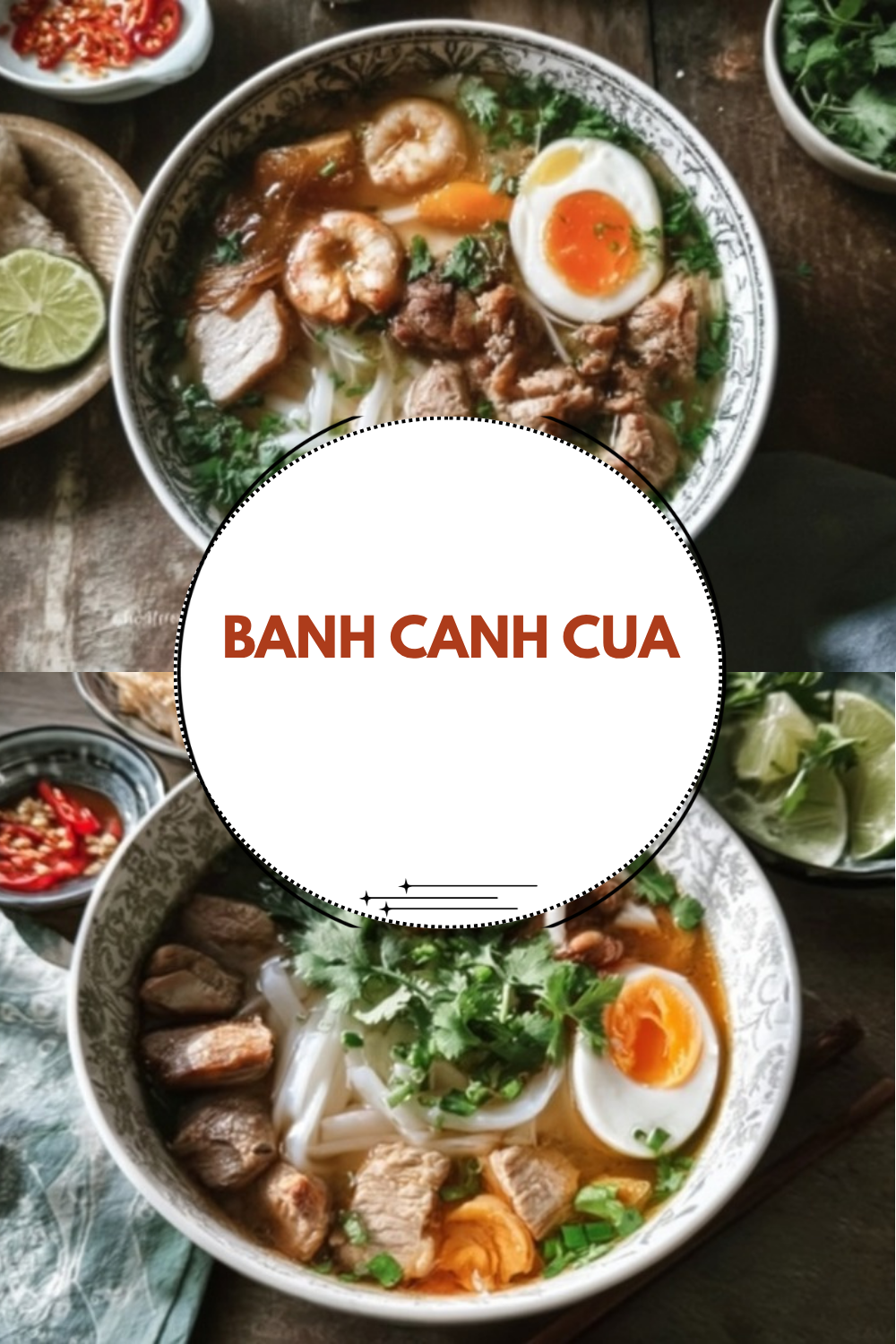
Banh canh cua is a popular Vietnamese noodle soup featuring thick, chewy rice noodles called banh canh in a rich crab-based broth. It’s loaded with fresh crab meat, crab roe, pork knuckle or shrimp, and garnished with green onions, fried shallots, and lime. Hailing from central Vietnam, this dish stands out for its hearty texture and seafood-forward flavor, often served with chili oil for spice. Unlike thinner noodle soups like pho, banh canh cua uses udon-like noodles made from rice flour, giving it a unique slurp. It’s a comforting street food staple, perfect for breakfast or lunch, with around 400-500 calories per bowl depending on portions. Try it fresh to appreciate the crab’s natural sweetness.
Where does banh canh cua come from?
Banh canh cua originates from Quang Ngai province in central Vietnam, where local fishermen inspired its crab-heavy recipe using fresh coastal catches. It gained fame through street vendors in nearby Da Nang and Hoi An, evolving from simple fisherman meals into a regional specialty. Fishermen would boil crab shells for broth and mix in handmade noodles. Today, it’s widespread across Vietnam, but authentic versions stick to Quang Ngai-style prep with minimal seasoning to highlight crab flavors. Variations exist, like banh canh ghẹ (with blue crab) in other areas. For the real deal, visit Quang Ngai markets early morning when it’s freshest—pair with Vietnamese iced coffee for a classic combo.
What are the key ingredients in banh canh cua?
Key ingredients in banh canh cua include fresh crab (meat, claws, and roe for broth), thick rice noodles (banh canh made from rice flour and tapioca), pork knuckle or bacon for umami, and shrimp paste for depth. Aromatics like ginger, garlic, and shallots form the base, while toppings feature chopped green onions, cilantro, fried pork fat, lime wedges, and chili slices. Broth is simmered from crab shells for 2-3 hours to extract sweetness—no MSG needed. A standard serving uses about 200g crab per bowl. For home cooks, source live crabs from Asian markets; avoid frozen for best taste. This combo delivers a balanced salty-sweet profile with 20-25g protein per portion.
How do you make banh canh cua at home?
To make banh canh cua at home, start by boiling 1kg crab shells and claws in 3L water with ginger and salt for 2 hours to create broth—strain and add crab meat. Prepare noodles: mix 300g rice flour, 100g tapioca starch, and water into a dough, roll thin, cut into strips, and boil 5 minutes. Sauté garlic, shallots, and pork knuckle in the broth, then add noodles and crab. Simmer 5 minutes, garnish with onions, lime, and fried shallots. Serves 4 in 3 hours total. Pro tip: Knead dough firmly for chewy texture; use a pasta machine for ease. Adjust spice with fresh chilies. Store leftovers in fridge up to 2 days—reheat gently to avoid mushy noodles.
What makes banh canh cua different from other Vietnamese noodle soups?
Banh canh cua differs from pho or hu tieu with its extra-thick, springy rice noodles resembling udon, not thin rice vermicelli. The broth focuses intensely on crab for a sweet, briny taste, unlike beefy pho or porky hu tieu. It includes crab roe and chunks of shell-on crab, adding texture missing in smoother soups. Often heartier with pork additions, it’s more of a meal than a light broth. Calorie-wise, it’s denser at 450+ per bowl versus pho’s 350. Serve it hot from street carts for authenticity. If you love seafood noodles, check our banh canh ghẹ recipe or mi quang guide for similar central Vietnamese dishes—both pair well with banh canh cua on a food tour.

Banh Canh Cua
🦀 Warm your soul with Banh Canh Cua, a hearty Vietnamese crab thick noodle soup featuring rich pork broth and sweet seafood for ultimate comfort.
🍜 Master this authentic street-food favorite at home, slurping thick chewy noodles loaded with crab and shrimp in under 3 hours.
- Total Time: 3 hours
- Yield: 6 servings
Ingredients
– 1 large yellow onion or 4 shallots for sweetness and depth to the broth
– 3 pounds pork bones, neck bones and/or spareribs for savory base for the soup stock
– 1 teaspoon salt for cleaning plus 1 tablespoon salt for stock for cleaning the bones and seasoning the broth
– 3 quarts water for the liquid foundation for the soup
– 1 small daikon, peeled and cut into chunks for gentle sweetness and clean fresh flavor
– 2 tablespoons stock bouillon powder for boosting savoriness in the broth
– 1 tablespoon sugar for balancing salty and savory notes
– 1 teaspoon MSG for umami and rounding out broth flavor
– 1 tablespoon fish sauce for classic Vietnamese depth and aroma
– 1/4 cup tapioca starch for thickening the broth
– 1/2 cup cold water for mixing with starch to make slurry
– Optional annatto oil or food coloring for warm inviting color to broth
– 2 pounds Banh Canh noodles for signature thick noodles
– 1/2 teaspoon sesame seed oil for keeping noodles from sticking and nutty scent
– 1 pound cooked crab meat for star protein
– 1 tablespoon annatto or neutral oil for blooming garlic and adding color
– 1 teaspoon minced garlic for fragrant savory kick
– 15 cooked shrimp, size 21-25, peeled and deveined for sweetness texture and seafood finish
– Black pepper for sharp heat
– 2 scallions, sliced thinly for fresh green bite garnish
– 1 small bunch cilantro, sliced thinly for bright herbal finish
– Fried shallots for crispy topping aroma and crunch
– 1 lime, cut into wedges for acidity and brightness
Instructions
1-First Step: Clean and blanch the pork bones Start by rinsing the 3 pounds of pork bones well with cold water. Rub them with 1 teaspoon of salt for cleaning, then rinse again. This helps remove any cloudy bits and gives you a cleaner broth. Place the bones in a large pot, cover with water, and bring it to a boil for a few minutes. Drain, rinse the bones one more time, and wipe out the pot if needed.
2-Second Step: Build the broth Add the cleaned bones back to the pot along with 3 quarts water, 1 large yellow onion or 4 shallots, and 1 small daikon peeled and cut into chunks. Bring everything up to a boil, then lower the heat to a gentle simmer. Skim off any foam that rises to the top during the first 20 to 30 minutes. After that, stir in 2 tablespoons stock bouillon powder, 1 tablespoon sugar, 1 tablespoon salt, 1 teaspoon MSG, and 1 tablespoon fish sauce. Let the broth simmer for about 1 1/2 to 2 hours so the pork bones can release flavor into the soup.
3-Third Step: Add color and thicken the broth If you want a richer color, stir in a little optional annatto oil or food coloring. Some cooks love that warm orange-golden look because it makes the soup feel extra inviting. Next, mix 1/4 cup tapioca starch with 1/2 cup cold water to make a slurry. Slowly pour it into the simmering broth while stirring. The broth should thicken slightly, just enough to coat the noodles later without becoming gluey. Let it simmer for another 5 to 10 minutes after adding the slurry so the starch cooks fully and the texture turns silky.
4-Fourth Step: Prepare the noodles and seafood Cook the 2 pounds Banh Canh noodles according to the package directions. Once they are tender, drain them and toss with 1/2 teaspoon sesame seed oil so they do not stick together. Keep them ready while you finish the soup. In a small pan, heat 1 tablespoon annatto or neutral oil. Add 1 teaspoon minced garlic and cook just until fragrant, about 20 to 30 seconds. Stir in the 1 pound cooked crab meat and warm it gently. Do not cook it too long, or the crab can turn dry. Add the 15 cooked shrimp just long enough to heat through.
5-Fifth Step: Taste and adjust the broth Before assembling the bowls, taste the broth carefully. If it needs more salt, add a little at a time. If it tastes flat, a splash more fish sauce can help. If the broth feels too thick, add a little hot water. If it feels too thin, let it simmer for a few more minutes uncovered.
6-Final Step: Assemble and serve Divide the noodles into serving bowls. Ladle the hot broth over the noodles, then top with the warmed crab and shrimp. Finish with black pepper, 2 scallions sliced thinly, a small bunch of cilantro sliced thinly, fried shallots, and 1 lime cut into wedges on the side. Serve right away while the broth is hot and the noodles still have that chewy bite. If you like a little heat, add chili oil or sliced fresh chilies at the table. That final squeeze of lime brings the whole bowl to life.
Last Step:
Please leave a rating and comment letting us know how you liked this recipe! This helps our business to thrive and continue providing free, high-quality recipes for you.Notes
🥄 Skim foam regularly during simmering for a clear, flavorful broth.
🦐 Use fresh or high-quality cooked crab and shrimp to elevate the seafood taste.
🍜 Rinse cooked noodles in cold water if not serving immediately to prevent sticking.
- Prep Time: 30 minutes
- Cook Time: 2.5 hours
- Category: Soup
- Method: Simmered
- Cuisine: Vietnamese
- Diet: Gluten-Free
Nutrition
- Serving Size: 1 bowl
- Calories: 500 calories
- Sugar: 5g
- Sodium: 1500mg
- Fat: 15g
- Saturated Fat: 4g
- Unsaturated Fat: 10g
- Trans Fat: 0g
- Carbohydrates: 60g
- Fiber: 2g
- Protein: 30g
- Cholesterol: 100mg