
Why You’ll Love This Calamari
Calamari, which comes from squid, offers a simple yet delicious option for home cooks looking to add variety to their meals. Its ease of preparation makes it ideal for busy parents and students who need quick recipes without compromising on flavor. For instance, calamari cooks in minutes, fitting perfectly into tight schedules while delivering a satisfying dish.
Health-wise, calamari stands out as a lean protein source, boasting high levels of protein at 67.5-80.7 percent, along with essential nutrients like phosphorus and omega-3 fatty acids such as DHA and EPA. This makes it a great choice for diet-conscious individuals and those aiming for wellness, as it provides low fat content ranging from 2.22-8.48 percent and supports heart health.
The versatility of calamari allows it to adapt to various dietary needs, whether you’re grilling it for a Mediterranean-style meal or stir-frying it with Asian spices. Food enthusiasts and travelers will appreciate how it can be served in global styles, from fried rings with lemon in the US and Europe to raw preparations in Japan and Korea. Plus, its distinctive mild, slightly sweet flavor can be enhanced with simple seasonings like garlic, lemon, or chili, making every bite memorable.
Calamari’s adaptability extends to different occasions, such as family gatherings or quick weeknight dinners, appealing to newlyweds, seniors, and working professionals alike. By incorporating simple calamari recipes into your routine, you can enjoy a dish that’s not only easy to cook but also packed with nutritional benefits. Overall, whether you’re frying, grilling, or stuffing it, calamari proves to be a reliable and flavorful option for all skill levels.
Jump to:
- Why You’ll Love This Calamari
- Essential Ingredients for Calamari
- Main Ingredients
- Special Dietary Options
- How to Prepare the Perfect Calamari: Step-by-Step Guide
- First Step: Preparation and Mise en Place
- Second Step: Seasoning and Coating
- Third Step: Heating the Oil
- Fourth Step: Frying or Cooking
- Fifth Step: Draining and Serving
- Dietary Substitutions to Customize Your Calamari
- Protein and Main Component Alternatives
- Vegetable, Sauce, and Seasoning Modifications
- Mastering Calamari: Advanced Tips and Variations
- Pro Cooking Techniques
- Flavor Variations
- Presentation Tips
- How to Store Calamari: Best Practices
- FAQs: Frequently Asked Questions About Calamari
- What is calamari made of?
- Is calamari the same as squid?
- How do you cook calamari so it’s not chewy?
- What’s a simple calamari recipe for beginners?
- How many calories are in fried calamari?
- Calamari
- Ingredients
- Instructions
- Last Step:
- Notes
- Nutrition
- Did you make this recipe?
Essential Ingredients for Calamari
Using fresh ingredients is key to creating tasty calamari dishes. Below is a detailed list based on common recipes, including precise measurements from provided examples. Each item includes an explanation of its purpose to help you understand its role in the recipe.
Main Ingredients
- 1 lb fresh squid (whole, sliced into rings, or legs) – This forms the base of the dish, providing the main protein with a mild, slightly sweet flavor and firm texture when cooked properly; edible parts include the mantle, arms, tentacles, and fins after removing the pen and innards.
- 1 cup all-purpose flour – Used for coating or battering to create a crispy exterior when frying, helping to lock in moisture and prevent toughness; for gluten-free options, substitute with almond flour.
- 1 tsp salt – Enhances the natural flavors of the calamari and balances other seasonings, making the dish more palatable.
- 1/2 tsp black pepper – Adds a subtle heat and depth, complementing the seafood’s taste without overwhelming it.
- 1/2 tsp paprika – Provides a mild smoky and slightly sweet note, which can be adjusted for spice level and adds color to the finished dish.
- 2 inches vegetable oil – Essential for deep-frying to achieve a golden, crispy texture; alternatives like olive oil work for grilling to infuse Mediterranean flavors.
- 1 cup seltzer (for batter, as in some variations) – Creates a light, airy batter that ensures tenderness; it can be replaced with club soda for the same effect.
- 1 egg (for batter) – Helps bind the ingredients in the batter, resulting in a better coating; for vegan options, use flaxseed mixed with water as a substitute.
- Lemon wedges (to taste) – Served as an accompaniment for a fresh, citrusy tang that brightens the flavors and cuts through any richness.
- Marinara sauce (as needed) – Acts as a dipping sauce to add acidity and complement the fried calamari; low-calorie versions can use homemade tomato sauce.
This list covers all ingredients mentioned in the provided recipes, ensuring you have everything needed for simple calamari recipes. Remember, fresh squid should be cleaned by removing innards and skin, then sliced into rings for even cooking.
Special Dietary Options
- Vegan: Replace squid with plant-based alternatives like king oyster mushrooms or firm tofu, seasoned similarly, to mimic texture and absorb flavors; use aquafaba instead of egg in batter.
- Gluten-free: Opt for gluten-free flour blends in place of all-purpose flour to coat the calamari, maintaining crispiness without allergens.
- Low-calorie: Choose grilling over frying and skip the batter, using just herbs and lemon to reduce fat content while keeping the dish nutritious.
Incorporating these options makes calamari accessible for various preferences, aligning with how to cook calamari in ways that suit easy squid recipes.
How to Prepare the Perfect Calamari: Step-by-Step Guide
Preparing calamari at home is straightforward and rewarding, especially with these detailed steps. We’ll focus on a simple fried calamari recipe as a base, incorporating global styles and tips for tenderness. Calamari benefits from quick cooking to avoid toughness, so timing is crucial.
First Step: Preparation and Mise en Place
Gather all ingredients and tools before starting, as this ensures smooth cooking. Thaw 1 lb of frozen squid rings and tentacles if using, then rinse them under cold water and pat dry with paper towels; this removes excess moisture and prevents splattering. Clean the squid by removing any remaining innards or skin if needed, focusing on the edible portions like the mantle, arms, and tentacles, as these provide the best texture.
Second Step: Seasoning and Coating
Mix 1 cup of all-purpose flour with 1 tsp salt, 1/2 tsp black pepper, and 1/2 tsp paprika in a bowl for the coating; this step enhances flavor and creates a crispy exterior. For grilled variations, marinate the calamari in a mixture of olive oil, garlic, lemon juice, and chili for 15 minutes, drawing from Mediterranean or Asian styles to boost taste with seasonings like soy sauce.
Third Step: Heating the Oil
Heat 2 inches of vegetable oil in a deep pot to 360°F, which is ideal for frying to achieve golden results in just minutes; monitor the temperature to avoid overcooking, as frying takes under 2 minutes for tender calamari. If adapting for grilling, heat a grill or pan over high heat, reflecting global methods like those in the Philippines for street foods.
Fourth Step: Frying or Cooking
Dredge the squid in the flour mixture, shaking off excess, and fry in batches for 2-3 minutes until crispy and golden; this quick high-heat method, common in US and European styles, keeps the calamari tender. For grilling, cook the marinated squid for 1-2 minutes per side; for stewing, simmer slowly for 30+ minutes as in Asian stir-fried versions to ensure softness.
Fifth Step: Draining and Serving
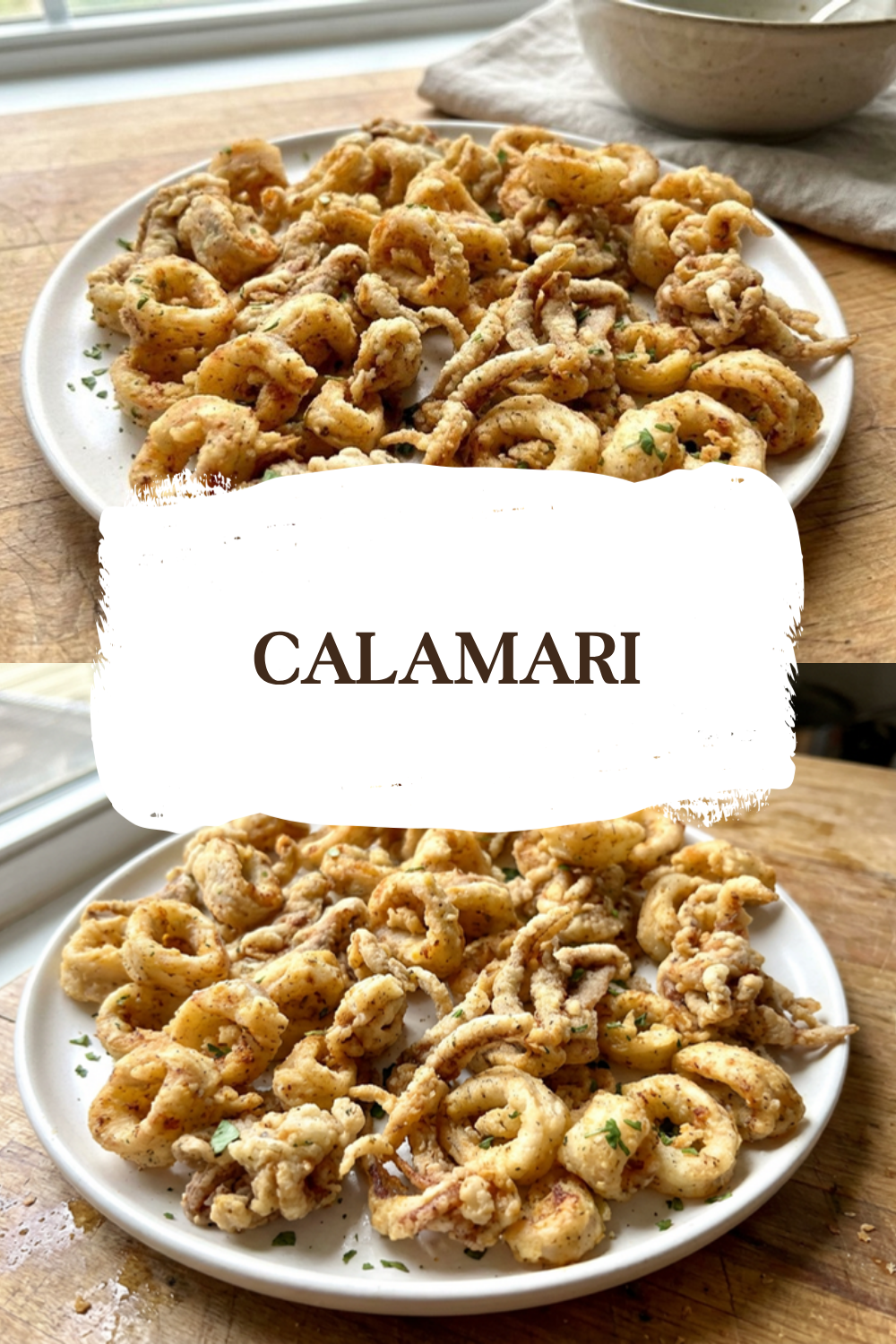
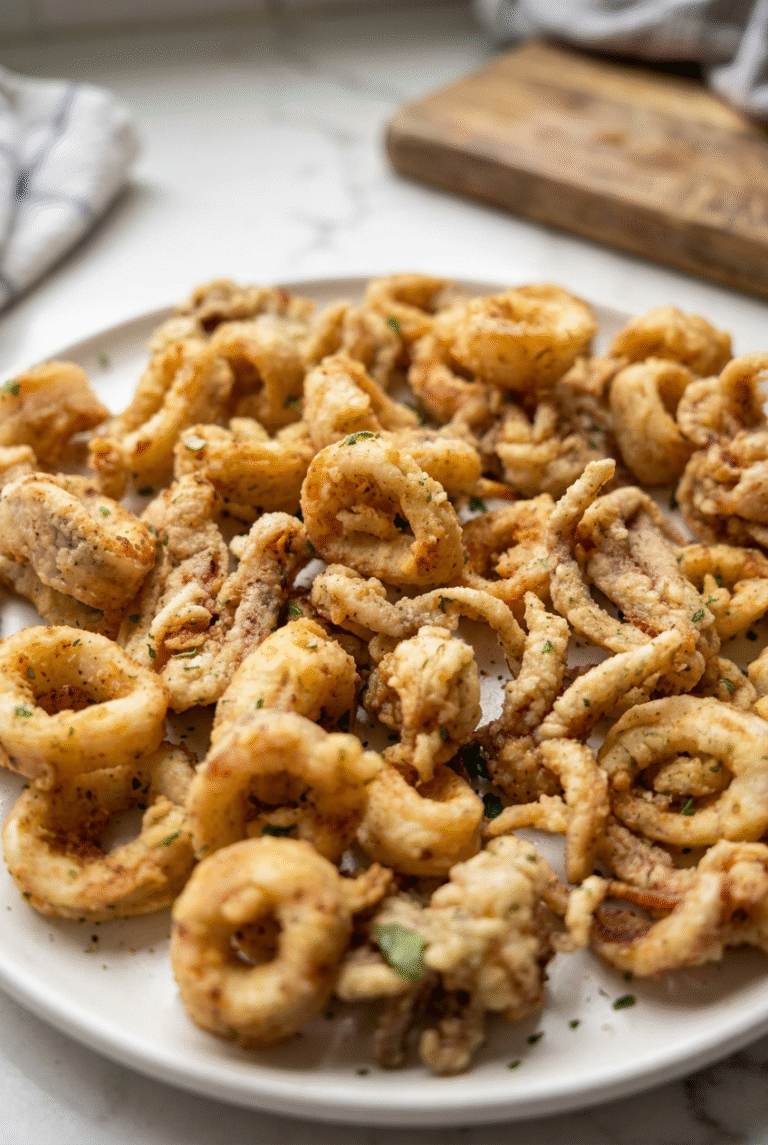
Drain the fried calamari on a wire rack to remove excess oil, then serve immediately with lemon wedges and marinara sauce; this final touch highlights its nutritional benefits, like omega-3s. For dietary adaptations, use gluten-free flour for those with restrictions, and consider air-frying at 400°F for 8-10 minutes to cut calories while maintaining crispiness in ways to cook squid effectively.
This guide covers variations like stuffing the mantle with vegetables and rice for baked dishes or serving raw as sashimi, with total cooking times varying from minutes for frying to over 30 minutes for stews. Always test for doneness by ensuring the calamari is opaque white, making it adaptable for home cooks and food enthusiasts.

Dietary Substitutions to Customize Your Calamari
Protein and Main Component Alternatives
If squid isn’t available, substitute with shrimp or firm fish like cod for a similar texture in fried calamari recipes; this maintains the dish’s protein content while adapting to preferences. For vegan options, use mushrooms or eggplant to mimic the mantle’s structure, ensuring you still benefit from low-fat preparations. These swaps work well in grilling or stewing, keeping nutritional advantages like omega-3s from other sources intact.
Vegetable, Sauce, and Seasoning Modifications
Swap traditional vegetables in stuffings with seasonal options like bell peppers or zucchini for freshness, especially in Mediterranean grilled styles. For sauces, replace marinara with tahini or soy-based marinades to align with Asian flavors, reducing calories for diet-conscious individuals. Seasonings can be modified by using chili flakes instead of black pepper for a spicier kick, making how to serve calamari more versatile for different tastes.
Mastering Calamari: Advanced Tips and Variations
Pro Cooking Techniques
To achieve the best results, use quick high-heat frying under 2 minutes or slow simmering for tenderness, as these methods prevent the calamari from becoming tough. Brief blanching adds sweetness, while marinades with garlic and lemon enhance flavor profiles seen in global styles. For better texture, shred or roll the squid before cooking, adapting it easily for busy schedules.
Flavor Variations
Experiment with seasonings like soy sauce for Asian-inspired stir-fries or herbs for Mediterranean dishes, incorporating squid ink for added color and taste. Try stuffing with rice and cheeses for a hearty option, or pair with dips like aioli to elevate simple profiles. These changes make calamari recipes at home more exciting for food enthusiasts seeking variety. Explore lemon-based flavors to complement calamari’s zestiness.
Presentation Tips
Garnish with fresh herbs and arrange on platters for an appealing look, perfect for party hosts. Make-ahead options include prepping marinades in advance, saving time for working professionals while maintaining quality.
How to Store Calamari: Best Practices
Proper storage keeps calamari fresh and safe. For refrigeration, store cooked calamari in an airtight container for up to 2 days to preserve its low-fat nutritional value.
For freezing, wrap raw squid tightly and freeze for up to 3 months, thawing overnight in the fridge to retain texture for simple calamari recipes.
When reheating, use an oven at 350°F for 10 minutes to avoid rubberiness, ensuring meals remain a healthy protein alternative.
Meal prep involves batch cooking and dividing portions, ideal for busy parents and students following ways to cook squid efficiently.
FAQs: Frequently Asked Questions About Calamari
What is calamari made of?
Calamari is made from squid, specifically the body and tentacles of small to medium-sized squid like Loligo or short-arm species. It’s not octopus, though the terms get mixed up sometimes. The squid is cleaned, cut into rings or strips, and often breaded or battered for frying. Fresh calamari has a mild, slightly sweet flavor and firm texture when cooked right. In restaurants, it’s typically served as fried rings with marinara sauce or lemon aioli. At home, buy it fresh or frozen from seafood markets—look for translucent white flesh without strong fishy smells. To prepare, slice the tubes into 1/2-inch rings and pat dry before seasoning. This keeps it tender and prevents sogginess. Nutritionally, a 3-ounce serving offers about 150 calories, 15g protein, and low fat. (98 words)
Is calamari the same as squid?
Yes, calamari is squid—it’s the Italian word for squid, used for the dish worldwide. The confusion comes because “calamari” often means breaded, fried squid rings, while “squid” is the raw ingredient. Octopus is different: larger, with eight arms and a chewier texture. Squid has ten arms (two longer tentacles) and cooks faster. Both are mollusks, but squid absorbs flavors better in quick cooks like grilling or stir-frying. To tell them apart at the store, squid tubes are longer and narrower. For best results, marinate squid calamari in buttermilk for 30 minutes before frying to tenderize. Fried calamari pairs well with garlic, parsley, and a squeeze of lemon. Avoid overcooking, as it turns rubbery in seconds. A pro tip: score the tubes lightly to prevent curling. (112 words)
How do you cook calamari so it’s not chewy?
Cook calamari quickly over high heat or braise it low and slow to avoid chewiness—medium heat makes it tough. For frying: Pat 1 lb squid rings dry, dredge in flour seasoned with salt, pepper, and 1 tsp baking powder, then dip in a batter of 1 cup flour, 1 cup seltzer, and 1 egg. Fry at 375°F for 2-3 minutes until golden. Drain on paper towels. For grilling: Marinate in olive oil, garlic, chili flakes, and lemon juice for 15 minutes, then grill 1-2 minutes per side. Steaming or poaching works too: Simmer in court-bouillon for 45 minutes until tender. Test doneness by slicing—it should be opaque white. Rest 5 minutes before serving. This method yields tender, juicy results every time. (118 words)
What’s a simple calamari recipe for beginners?
Try this easy fried calamari: Thaw 1 lb frozen squid rings and tentacles overnight. Rinse, pat dry. Mix 1 cup all-purpose flour, 1 tsp salt, 1/2 tsp black pepper, and 1/2 tsp paprika in a bowl. Heat 2 inches vegetable oil to 360°F in a deep pot. Dredge squid in flour mix, shake off excess, fry in batches 2-3 minutes until crispy. Drain on a wire rack. Serve with warm marinara and lemon wedges. Total time: 20 minutes. Serves 4. For air fryer version: Spray basket with oil, cook at 400°F for 8-10 minutes, shaking halfway. This beginner recipe uses pantry staples and avoids common pitfalls like overcrowding the pan, which drops oil temp and makes it greasy. Customize with Cajun seasoning for spice. (124 words)
How many calories are in fried calamari?
A standard 3-4 oz serving of fried calamari has 200-300 calories, depending on breading and oil absorption. Breakdown: 15-20g protein, 10-15g fat (mostly from frying), 20-30g carbs from flour coating. Restaurant portions (6-8 oz) can hit 500+ calories with dipping sauces. To cut calories, air-fry instead: same serving drops to 150-200 calories. Grilled calamari is lightest at 100-150 calories per 4 oz, with 25g protein and negligible fat. Track nutrition using apps like MyFitnessPal. Pair with veggies for balance. Fun fact: Squid is rich in vitamin B12 (supports energy) and selenium (antioxidant). For diet-friendly, season with herbs and grill—tastes great without the fry. Always check labels on frozen packs for exact stats. (126 words)
Calamari
🦑 Discover simple squid recipes that showcase tender, flavorful seafood with high protein and omega-3 benefits for a healthy, versatile meal.
🍲 Try these easy cooking methods like frying or grilling to enjoy fresh calamari at home, perfect for appetizers or mains with minimal effort.
- Total Time: 20 minutes
- Yield: 4 servings
Ingredients
– 1 lb fresh squid (whole, sliced into rings, or legs) for main protein
– 1 cup all-purpose flour for coating or battering
– 1 tsp salt to enhance flavors
– 1/2 tsp black pepper for subtle heat
– 1/2 tsp paprika for smoky note
– 2 inches vegetable oil for deep-frying
– 1 cup seltzer for batter
– 1 egg for batter
– Lemon wedges (to taste) for accompaniment
– Marinara sauce (as needed) for dipping sauce
Instructions
1-First Step: Preparation and Mise en Place Gather all ingredients and tools before starting, as this ensures smooth cooking. Thaw 1 lb of frozen squid rings and tentacles if using, then rinse them under cold water and pat dry with paper towels; this removes excess moisture and prevents splattering. Clean the squid by removing any remaining innards or skin if needed, focusing on the edible portions like the mantle, arms, and tentacles, as these provide the best texture.
2-Second Step: Seasoning and Coating Mix 1 cup of all-purpose flour with 1 tsp salt, 1/2 tsp black pepper, and 1/2 tsp paprika in a bowl for the coating; this step enhances flavor and creates a crispy exterior. For grilled variations, marinate the calamari in a mixture of olive oil, garlic, lemon juice, and chili for 15 minutes, drawing from Mediterranean or Asian styles to boost taste with seasonings like soy sauce.
3-Third Step: Heating the Oil Heat 2 inches of vegetable oil in a deep pot to 360°F, which is ideal for frying to achieve golden results in just minutes; monitor the temperature to avoid overcooking, as frying takes under 2 minutes for tender calamari. If adapting for grilling, heat a grill or pan over high heat, reflecting global methods like those in the Philippines for street foods.
4-Fourth Step: Frying or Cooking Dredge the squid in the flour mixture, shaking off excess, and fry in batches for 2-3 minutes until crispy and golden; this quick high-heat method, common in US and European styles, keeps the calamari tender. For grilling, cook the marinated squid for 1-2 minutes per side; for stewing, simmer slowly for 30+ minutes as in Asian stir-fried versions to ensure softness.
5-Fifth Step: Draining and Serving Drain the fried calamari on a wire rack to remove excess oil, then serve immediately with lemon wedges and marinara sauce; this final touch highlights its nutritional benefits, like omega-3s. For dietary adaptations, use gluten-free flour for those with restrictions, and consider air-frying at 400°F for 8-10 minutes to cut calories while maintaining crispiness in ways to cook squid effectively.
Last Step:
Please leave a rating and comment letting us know how you liked this recipe! This helps our business to thrive and continue providing free, high-quality recipes for you.Notes
🔥 Cook squid quickly over high heat for frying or grilling to keep it tender; avoid overcooking to prevent chewiness.
🥢 Marinate briefly with soy, garlic, or lemon to infuse flavor without toughening the delicate texture.
❄️ Clean squid thoroughly and pat dry before cooking for crispier results in fried preparations or even grilling.
- Prep Time: 15 minutes
- Marinating Time (optional): 15-30 minutes
- Cook Time: 5 minutes
- Category: Appetizer
- Method: Deep-fried or Grilled
- Cuisine: International
- Diet: Low-Carb, High-Protein, Gluten-Free Option
Nutrition
- Serving Size: 1/4 lb squid
- Calories: 280 kcal
- Sugar: 0g
- Sodium: 600mg
- Fat: 12g
- Saturated Fat: 2g
- Unsaturated Fat: 10g
- Trans Fat: 0g
- Carbohydrates: 15g
- Fiber: 1g
- Protein: 25g
- Cholesterol: 300mg