
Why You’ll Love This Chocolate Biscoff Cupcakes
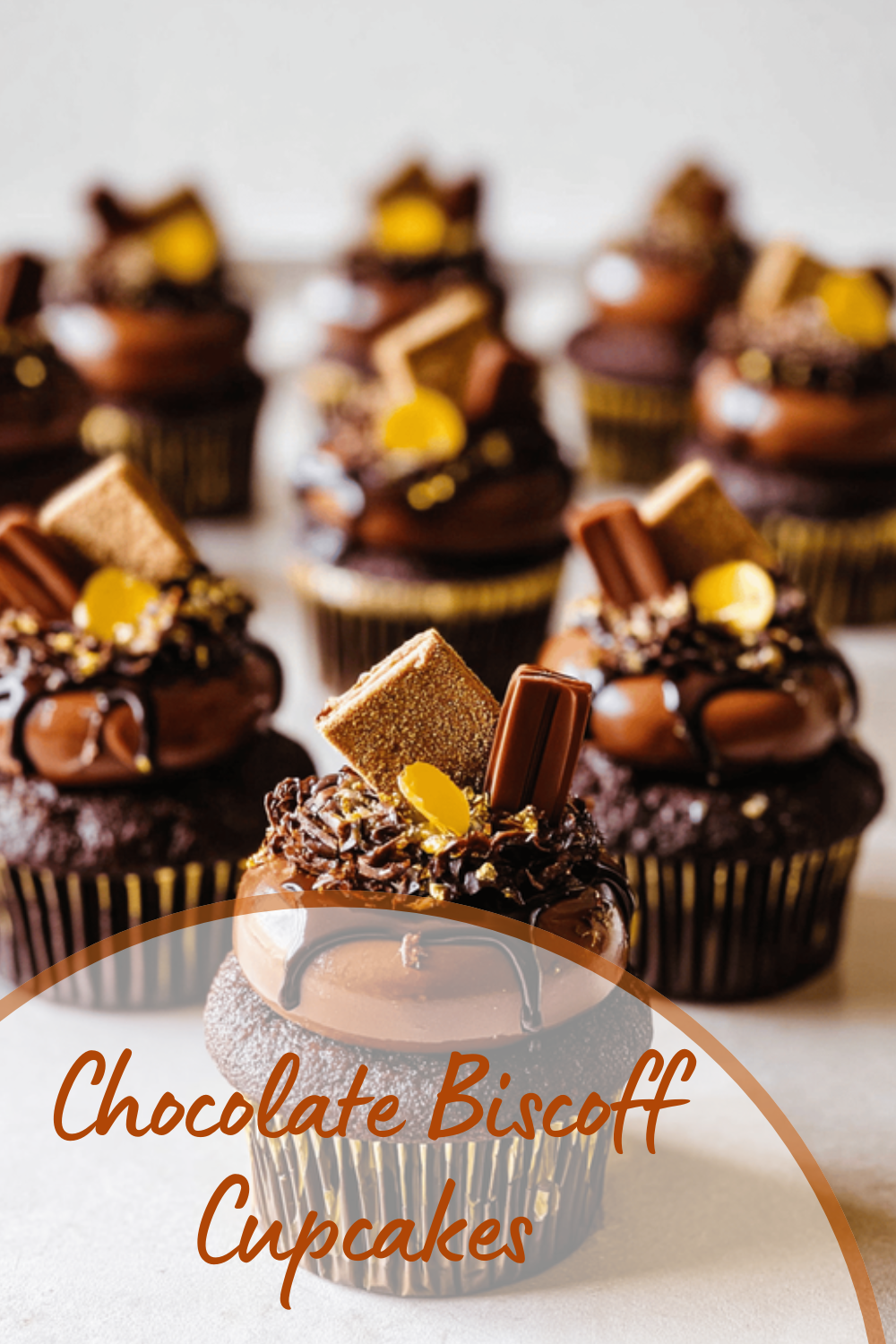
Imagine biting into a treat that mixes rich chocolate with the warm spice of Biscoff, creating something special for any occasion. This chocolate biscoff cupcakes recipe stands out because it’s simple to whip up, even if you’re new to baking, and it delivers a burst of flavor in every bite. Plus, it offers ways to tweak it for different needs, making it a favorite among chocolate cupcakes and biscoff cupcakes lovers alike.
This recipe shines with its ease of preparation, using straightforward steps that fit into a busy schedule, perfect for home cooks or baking enthusiasts. The health benefits come from ingredients that can be swapped for lighter options, helping you enjoy a delicious dessert without guilt. Its versatility lets you adapt it for various diets, and that distinctive flavor from blending chocolate and Biscoff makes it far from ordinary.
Whether you’re making these for a quick snack or a party, the rich flavored chocolate biscoff cupcakes will impress everyone. For more baking ideas, check out our cinnamon bread recipe that pairs well with these cupcakes. This easy chocolate biscoff cupcakes recipe is one you’ll return to time and again for its balance of taste and simplicity.
Jump to:
- Why You’ll Love This Chocolate Biscoff Cupcakes
- Essential Ingredients for Chocolate Biscoff Cupcakes
- For the Cupcakes
- For the Filling
- For the Buttercream
- For the Decoration
- How to Prepare the Perfect Chocolate Biscoff Cupcakes: Step-by-Step Guide
- Dietary Substitutions to Customize Your Chocolate Biscoff Cupcakes
- Mastering Chocolate Biscoff Cupcakes: Advanced Tips and Variations
- Pro Cooking Techniques
- Flavor Variations
- Presentation Tips
- Nutritional Table
- How to Store Chocolate Biscoff Cupcakes: Best Practices
- FAQs: Frequently Asked Questions About Chocolate Biscoff Cupcakes
- What is Biscoff spread and how is it used in chocolate Biscoff cupcakes?
- Can I make chocolate Biscoff cupcakes gluten or dairy free?
- How should I store chocolate Biscoff cupcakes and can they be frozen?
- What flour should I use for baking chocolate Biscoff cupcakes if I don’t have self-raising flour?
- Do I need an electric mixer to make chocolate Biscoff cupcakes?
- Chocolate Biscoff Cupcakes
- Ingredients
- Instructions
- Last Step:
- Notes
- Nutrition
- Did you make this recipe?
Essential Ingredients for Chocolate Biscoff Cupcakes
Gathering the right ingredients is key to making perfect chocolate biscoff cupcakes. This section lists everything you need, focusing on precise measurements to ensure your baking turns out just right. Let’s break it down by category for clarity.
For the Cupcakes
- 175 grams butter or baking spread, softened, unsalted
- 175 grams light brown soft sugar
- 3 large eggs
- 1 tablespoon milk
- 25 grams cocoa powder
- 150 grams self-raising flour
For the Filling
- 140 grams cinnamon biscuit spread
For the Buttercream
- 150 grams unsalted butter, softened
- 300 grams icing sugar
- 200 grams cinnamon biscuit spread
- 1 and ½ tablespoons milk
For the Decoration
- 12 cinnamon biscuits
- 60 grams dark chocolate (for biscuit coating)
- 20 grams dark chocolate (for drizzling)
These ingredients come together to create chocolate biscoff cupcakes that are full of flavor. For special dietary options, you can swap butter and milk for dairy-free versions to make it suitable for more people.
How to Prepare the Perfect Chocolate Biscoff Cupcakes: Step-by-Step Guide
Follow this simple guide to make your chocolate biscoff cupcakes recipe come to life. Start by preparing your space and ingredients for smooth sailing in the kitchen.
- Melt the 60 grams dark chocolate and dip each cinnamon biscuit. Place the coated biscuits on baking paper to set.
- Preheat oven to 160°C fan / 180°C / 350°F / Gas Mark 4. Line a cupcake tin with paper cases.
- Using an electric mixer, beat the softened butter (or baking spread) and light brown soft sugar together until smooth and fluffy.
- Add the eggs and milk. Mix well to combine.
- Gently fold in the self-raising flour and cocoa powder until just combined. Do not overmix.
- Divide the batter evenly between the cupcake cases.
- Bake for 20-25 minutes, or until a skewer inserted into the center of a cupcake comes out clean.
- Transfer cupcakes to a wire rack and allow to cool completely.
- Once cool, use a cupcake corer or small knife to remove the center of each cupcake.
- Fill the holes in the cupcakes with cinnamon biscuit spread. Warm the spread in the microwave for approximately 15 seconds if it’s too thick to spoon easily.
- Make the buttercream: Beat the softened unsalted butter alone for a few minutes until light. Add the cinnamon biscuit spread and beat to combine. Add the icing sugar and milk. Beat using an electric mixer until smooth and fluffy. If the buttercream is too stiff, add a little more milk (1 teaspoon at a time).
- Pipe or spread the buttercream onto the cooled cupcakes.
- Melt the 20 grams dark chocolate and drizzle over the buttercream on each cupcake.
- Top each cupcake with one chocolate-dipped cinnamon biscuit. Press only the chocolate-covered part of the biscuit firmly into the buttercream to prevent the biscuit from becoming soggy.
- Store cupcakes in an airtight container in a cool place. Best consumed within 3 days.
This step-by-step process for your easy chocolate biscoff cupcakes recipe takes about 55 minutes total, including 35 minutes for preparation and 20 minutes for cooking. It serves 12 cupcakes, making it great for sharing.

Dietary Substitutions to Customize Your Chocolate Biscoff Cupcakes
Adapting your chocolate biscoff cupcakes for different needs is simple with a few swaps. This keeps the recipe flexible for everyone, from busy parents to health-focused folks.
For protein and main components, replace eggs with flaxseed meal (1 tablespoon flaxseed mixed with 3 tablespoons water per egg) for a vegan twist. You can also swap vegetable oil with avocado oil or coconut oil for healthier fats.
When it comes to vegetables, sauces, and seasonings, use almond or oat milk in place of cow’s milk for a lactose-free option. Try almond butter or peanut butter instead of Biscoff spread for a nutty flavor, and add cinnamon or nutmeg to boost the spices.
These changes help maintain the essence of rich flavored chocolate biscoff cupcakes while fitting various diets. For more ideas on substitutions, check out our apple oat muffins recipe for healthy baking tips.
Mastering Chocolate Biscoff Cupcakes: Advanced Tips and Variations
Take your chocolate biscoff cupcakes to the next level with these expert hints. Using room temperature ingredients helps everything mix better and gives a nicer texture, while sifting dry items prevents lumps.
Pro Cooking Techniques
Gently fold the batter to keep it airy, leading to light and fluffy chocolate cupcakes. An electric mixer makes for smoother results, but you can do it by hand if needed.
Flavor Variations
Add espresso powder to amp up the chocolate taste or mix in orange zest for a fresh kick. Swirl extra Biscoff spread into the batter for a marbled look in your biscoff cupcakes.
Presentation Tips
Garnish with crushed Biscoff cookies or a chocolate drizzle for eye-catching results. Use piping bags to make your frosting look pro on these chocolate biscoff cupcakes.
Make-ahead options include baking and freezing the cupcakes for up to two months before frosting. These tips make your easy chocolate biscoff cupcakes recipe even more fun and adaptable.
Nutritional Table
| Nutrient | Amount per Cupcake |
|---|---|
| Calories | 624 kcal |
| Carbohydrates | 68 grams |
| Protein | 6 grams |
| Fat | 38 grams |
| Saturated Fat | 19 grams |
| Sugar | 50 grams |
| Fiber | 2 grams |
| Iron | 2 mg |
For the best outcome, measure ingredients by weight using digital scales to ensure accuracy in your chocolate biscoff cupcakes recipe.
How to Store Chocolate Biscoff Cupcakes: Best Practices
Keeping your chocolate biscoff cupcakes fresh is easy with the right methods. Store them in an airtight container in the fridge for up to 3 days to lock in flavor and moisture.
For longer storage, freeze the unfrosted cupcakes in a sealed container for up to 2 months. Wrap each one in plastic wrap first to avoid freezer burn, and thaw at room temperature before enjoying.
If you want to reheat, let them sit out or warm briefly in the microwave for 10-15 seconds. Meal prep by making batches ahead and frosting just before serving to keep things tasty and simple.
FAQs: Frequently Asked Questions About Chocolate Biscoff Cupcakes
What is Biscoff spread and how is it used in chocolate Biscoff cupcakes?
Biscoff spread, also called cookie butter, is made from crushed Lotus Biscoff biscuits, giving it a caramelized, spiced flavor with hints of cinnamon. In chocolate Biscoff cupcakes, the spread adds a unique sweetness and depth when mixed into the batter or used as a frosting ingredient. It complements chocolate flavors well and provides a creamy texture similar to peanut butter or Nutella. Both crunchy and smooth varieties of Biscoff spread can be used depending on your texture preference.
Can I make chocolate Biscoff cupcakes gluten or dairy free?
You can prepare chocolate Biscoff cupcakes with dairy-free substitutes by swapping butter and milk for plant-based alternatives, and using dairy-free chocolate. However, traditional Biscoff spread contains gluten, so the cupcakes cannot be fully gluten free if you include the spread. For those needing gluten-free options, consider alternative spreads designed to be gluten free. Always check all ingredient labels carefully to accommodate allergies or intolerances.
How should I store chocolate Biscoff cupcakes and can they be frozen?
Store chocolate Biscoff cupcakes in an airtight container at room temperature for up to three days. To freeze, wrap individual cupcakes tightly in cling film or place them in a sealed container. Buttercream can be frozen separately in a sealed tub. For frozen decorated cupcakes, freeze until solid first (without biscuits as decoration), then wrap carefully. Remove cling film before thawing to protect the frosting’s texture. Frozen cupcakes typically keep well for up to one month.
What flour should I use for baking chocolate Biscoff cupcakes if I don’t have self-raising flour?
If you don’t have self-raising flour, you can use plain (all-purpose) flour instead by adding baking powder and optionally a pinch of salt. For every 200g of plain flour, add 2 teaspoons of baking powder. The recipe usually requires 1 ½ teaspoons of baking powder if substituting. This adjustment helps the cupcakes rise properly. Note that results may vary slightly as this substitution hasn’t always been tested for every recipe variation.
Do I need an electric mixer to make chocolate Biscoff cupcakes?
Using an electric mixer is recommended but not mandatory. An electric mixer helps create lighter, fluffier cupcakes by thoroughly beating the batter and producing a smooth buttercream frosting. Hand mixing with a wooden spoon is possible but requires more effort to achieve the same texture. Even an affordable hand whisk can improve results without needing a stand mixer, making the process easier and faster.
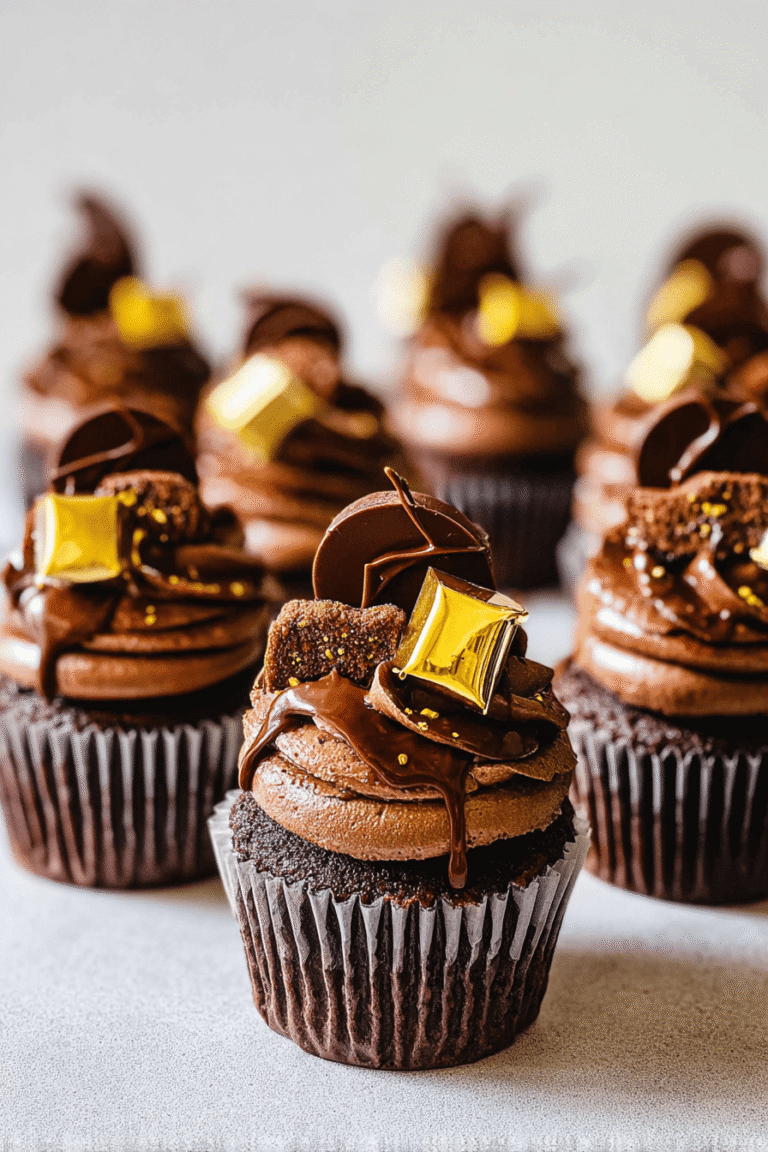
Chocolate Biscoff Cupcakes
🍫 Indulge in rich and moist Chocolate Biscoff Cupcakes with a delicious cinnamon biscuit spread filling.
🎂 This recipe offers easy-to-follow steps for a luxurious treat perfect for any occasion.
- Total Time: 55 minutes
- Yield: 12 cupcakes
Ingredients
– 175 grams butter or baking spread, softened, unsalted
– 175 grams light brown soft sugar
– 3 large eggs
– 1 tablespoon milk
– 25 grams cocoa powder
– 150 grams self-raising flour
– 140 grams cinnamon biscuit spread
– 150 grams unsalted butter, softened
– 300 grams icing sugar
– 200 grams cinnamon biscuit spread
– 1 and ½ tablespoons milk
– 12 cinnamon biscuits
– 60 grams dark chocolate for biscuit coating
– 20 grams dark chocolate for drizzling
Instructions
1-Melt the 60 grams dark chocolate and dip each cinnamon biscuit. Place the coated biscuits on baking paper to set.
2-Preheat oven to 160°C fan / 180°C / 350°F / Gas Mark 4. Line a cupcake tin with paper cases.
3-Using an electric mixer, beat the softened butter (or baking spread) and light brown soft sugar together until smooth and fluffy.
4-Add the eggs and milk. Mix well to combine.
5-Gently fold in the self-raising flour and cocoa powder until just combined. Do not overmix.
6-Divide the batter evenly between the cupcake cases.
7-Bake for 20-25 minutes, or until a skewer inserted into the center of a cupcake comes out clean.
8-Transfer cupcakes to a wire rack and allow to cool completely.
9-Once cool, use a cupcake corer or small knife to remove the center of each cupcake.
10-Fill the holes in the cupcakes with cinnamon biscuit spread. Warm the spread in the microwave for approximately 15 seconds if it’s too thick to spoon easily.
11-Make the buttercream: Beat the softened unsalted butter alone for a few minutes until light. Add the cinnamon biscuit spread and beat to combine. Add the icing sugar and milk. Beat using an electric mixer until smooth and fluffy. If the buttercream is too stiff, add a little more milk (1 teaspoon at a time).
12-Pipe or spread the buttercream onto the cooled cupcakes.
13-Melt the 20 grams dark chocolate and drizzle over the buttercream on each cupcake.
14-Top each cupcake with one chocolate-dipped cinnamon biscuit. Press only the chocolate-covered part of the biscuit firmly into the buttercream to prevent the biscuit from becoming soggy.
15-Store cupcakes in an airtight container in a cool place. Best consumed within 3 days.
Last Step:
Please leave a rating and comment letting us know how you liked this recipe! This helps our business to thrive and continue providing free, high-quality recipes for you.Notes
🧈 Use room temperature butter and eggs for better texture.
⚖️ Measure ingredients by weight for accuracy.
🍫 Only press chocolate-coated part of biscuit into buttercream to prevent sogginess.
- Prep Time: 35 minutes
- Cook Time: 20 minutes
- Category: Dessert
- Method: Baking
- Cuisine: Western
Nutrition
- Serving Size: 1 cupcake
- Calories: 624 kcal
- Sugar: 50 g
- Sodium: 217 mg
- Fat: 38 g
- Saturated Fat: 19 g
- Carbohydrates: 68 g
- Fiber: 2 g
- Protein: 6 g
- Cholesterol: 100 mg