
Why You’ll Love These Coffee Butter Cookies
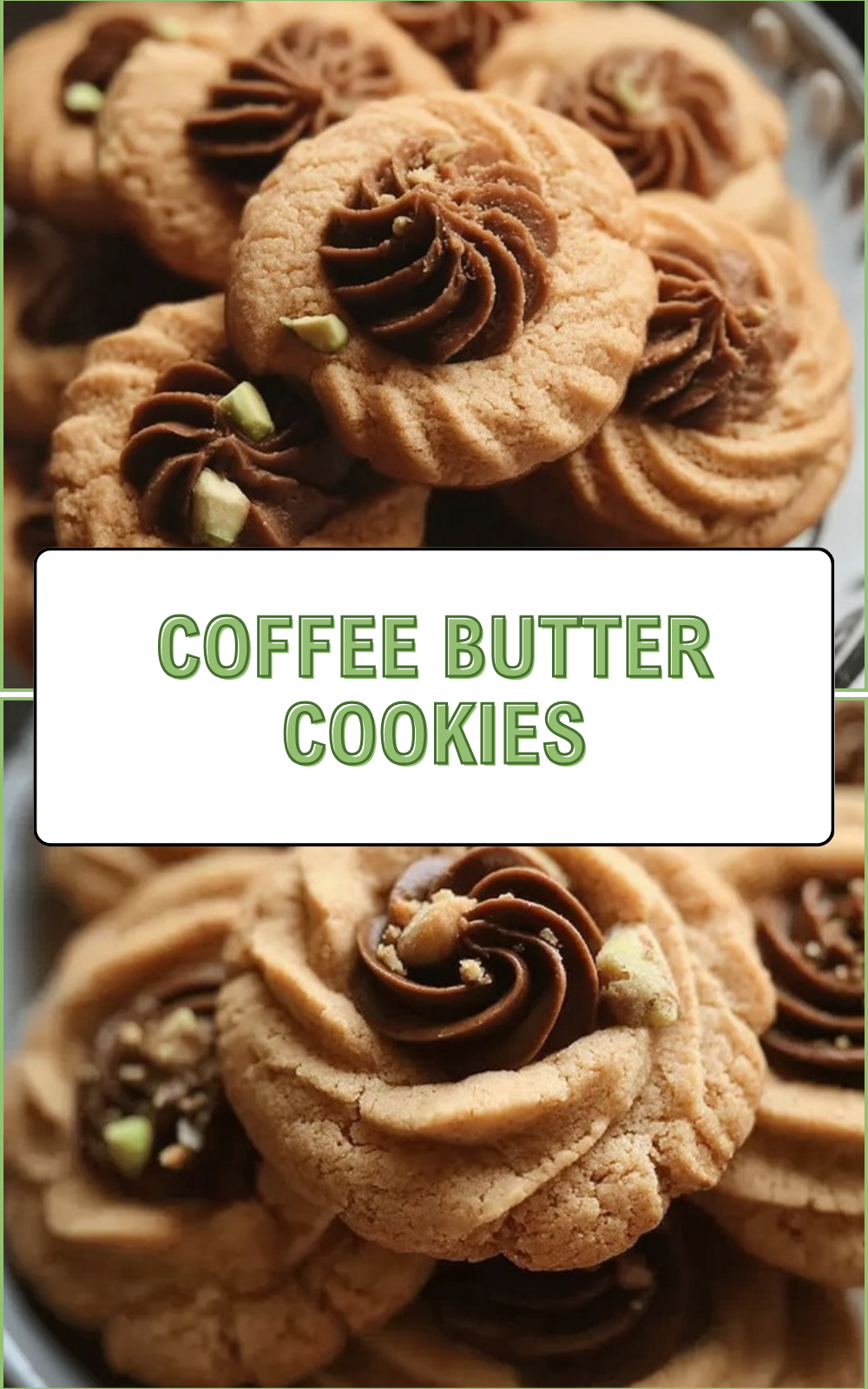
If you love a cookie that tastes cozy, crisp, and just a little bit grown-up, these Coffee Butter Cookies are going to hit the spot. They bring together the deep flavor of instant espresso, the rich taste of butter, and the soft nuttiness of ground almond in a cookie that feels simple but special.
- Easy to make: This coffee butter cookies recipe uses a straightforward mixing method and a short bake time, so you can go from pantry to plate in about 50 minutes.
- Light but satisfying: With a modest ingredient list and no heavy frosting, these cookies give you a sweet bite without feeling too rich. That makes them a nice choice for snack time, lunch boxes, or an afternoon coffee break.
- Flexible for different kitchens: You can keep them classic, adjust the salt if needed, or even swap the ground almond with more cake flour if you want a simpler version.
- Distinct coffee flavor: The espresso does not overpower the dough. Instead, it gives these coffee butter cookies a smooth, warm flavor that tastes great with tea, milk, or a strong cup of coffee.
There is something charming about a cookie that looks small and modest, then surprises you with a crisp edge and buttery center. If you like recipes that feel doable on a busy weekday but still taste like you spent extra time on them, this one belongs in your baking rotation.
These cookies are the kind of treat you bake once and then start making excuses to bake again.
For more cozy baking inspiration, you may also like this homemade cinnamon bread recipe or these almond croissant bites from the blog.
And if you enjoy coffee-flavored sweets, you might also want to see more coffee dessert ideas from Epicurious.
Jump to:
- Why You’ll Love These Coffee Butter Cookies
- Essential Ingredients for Coffee Butter Cookies
- Main ingredients
- Special dietary options
- How to Prepare the Perfect Coffee Butter Cookies: Step-by-Step Guide
- First step: Get the oven and pan ready
- Second step: Dissolve the coffee mixture
- Third step: Soften the butter properly
- Fourth step: Add the milk mixture slowly
- Fifth step: Fold in the flour gently
- Sixth step: Pipe the cookies
- Seventh step: Bake with care
- Eighth step: Cool before moving
- Quick timing guide
- Dietary Substitutions to Customize Your Coffee Butter Cookies
- Protein and main ingredient alternatives
- Vegetable, sauce, and seasoning modifications
- Mastering Coffee Butter Cookies: Advanced Tips and Variations
- Pro cooking techniques
- Flavor variations
- Presentation tips
- Make-ahead options
- How to Store Coffee Butter Cookies: Best Practices
- Refrigeration
- Freezing
- Reheating
- Meal prep considerations
- FAQs: Frequently Asked Questions About Coffee Butter Cookies
- Coffee Butter Cookies
- Ingredients
- Instructions
- Last Step:
- Notes
- Nutrition
- Did you make this recipe?
Essential Ingredients for Coffee Butter Cookies
These Coffee Butter Cookies use a short ingredient list, but each item has an important job. Measuring carefully matters here because the dough is delicate and the texture depends on balance. The recipe yields about 66 cookies, so it is a smart option when you want a tray of treats ready for sharing.
Main ingredients
- 6 grams instant espresso – Brings the coffee flavor that gives these cookies their signature taste.
- 35 grams caster sugar – Adds sweetness and helps the cookies brown lightly.
- 1.2 grams fine salt – Sharpens the flavor and balances the sweetness.
- 32 grams milk – Dissolves the espresso and sugar, helping the dough come together smoothly.
- 100 grams unsalted butter – Creates the rich, buttery base and helps the cookies bake tender.
- 25 grams ground almond – Adds a soft nutty flavor and a little extra richness.
- 125 grams cake flour – Gives the cookies their light, delicate crumb.
Special dietary options
- Vegan: Use plant-based butter and a dairy-free milk such as oat milk or almond milk. The cookie texture may change slightly, but the coffee flavor stays lovely.
- Gluten-free: Replace cake flour with a trusted gluten-free baking blend. A fine, low-protein blend works best for a tender cookie.
- Low-calorie: Reduce portion size slightly and bake smaller mounds. You can also pair the cookies with black coffee or tea instead of a sweet drink.
| Ingredient | Amount | Why it matters |
|---|---|---|
| Instant espresso | 6 grams | Provides the main coffee flavor |
| Caster sugar | 35 grams | Sweetens and helps color |
| Fine salt | 1.2 grams | Balances flavor |
| Milk | 32 grams | Helps dissolve and combine ingredients |
| Unsalted butter | 100 grams | Creates richness and tenderness |
| Ground almond | 25 grams | Adds nutty depth |
| Cake flour | 125 grams | Builds a light cookie structure |
How to Prepare the Perfect Coffee Butter Cookies: Step-by-Step Guide
These cookies come together quickly, but the mixing order matters. Once you get the rhythm, the process feels easy and almost meditative, which is nice if you are baking after a long day or squeezing in a weekend treat between errands.
First step: Get the oven and pan ready
Preheat your oven to 140°C. Line a baking sheet with parchment paper so the cookies release cleanly after baking. This small step saves time later and keeps the bottoms from sticking or overbrowning.
Second step: Dissolve the coffee mixture
Split the 32 grams of milk into two portions. Dissolve the 6 grams of instant espresso in a portion of hot milk, then dissolve the 35 grams of caster sugar and 1.2 grams of fine salt in the rest of the milk. Let both mixtures cool before using them. Cooling matters because warm liquid can loosen the butter too much and change the texture.
Third step: Soften the butter properly
Bring the 100 grams of unsalted butter to about 20 to 22°C. At this temperature, the butter should feel soft but not oily. Whisk it until smooth. If you rush this step with very cold butter, the dough may look uneven. If the butter gets too warm, the cookies may spread more than you want.
Fourth step: Add the milk mixture slowly
While whisking, add the sugar-salt-milk mixture gradually. This helps it blend into the butter instead of separating. Keep whisking until the mixture looks smooth and creamy. Then whisk in the coffee mixture and the 25 grams of ground almond. The dough should look glossy and well combined.
Fifth step: Fold in the flour gently
Sift in the 125 grams of cake flour and fold until just mixed. Use light strokes here. This is not the moment for aggressive stirring, because overmixing can build gluten and make the cookies tougher than you want.
Gentle folding is the secret move here. The less you beat the flour, the more tender your Coffee Butter Cookies will be.
Sixth step: Pipe the cookies
Transfer the batter to a piping bag. A thick bag makes this easier because the dough is soft and needs steady pressure. Pipe 2.5-cm mounds onto the prepared baking sheet, leaving a little space between each one. This recipe makes about 66 cookies, so you will likely work in a few batches.
Seventh step: Bake with care
Bake for 18 to 22 minutes at 140°C. Rotate the baking sheet halfway through so the cookies color evenly. Because ovens vary, keep an eye on the first tray and use it as your guide for the rest. A small test batch can help you adjust bake time if your oven runs hot or cool.
Eighth step: Cool before moving
Let the cookies cool on the baking sheet for 5 minutes. Then move them to a wire rack to finish cooling. This pause helps them firm up so they do not break apart while still soft.
Quick timing guide
- Prep time: 30 minutes
- Cook time: 20 minutes
- Total time: 50 minutes

Dietary Substitutions to Customize Your Coffee Butter Cookies
Protein and main ingredient alternatives
Even though these Coffee Butter Cookies are already fairly simple, you may still want to tweak them for what you have on hand. If you need a dairy-free version, use a plant-based butter that bakes well and a milk alternative with a mild flavor. Oat milk works nicely, while almond milk keeps the nutty note in place.
If you want to make the recipe egg-free, you are in luck because there are no eggs in the original formula. That makes the cookie dough easier for more households to enjoy. If you do not have ground almond, the recipe notes that you can substitute it with cake flour instead. That will soften the nutty flavor but still give you a delicate cookie.
Vegetable, sauce, and seasoning modifications
This section is a little different for cookies, since there are no vegetables or sauces involved, but the same idea applies to flavor adjustments. If you want a stronger coffee taste, you can lean into a bolder instant espresso. If you prefer a milder cookie, reduce the coffee intensity slightly by using a little less espresso powder, though the original balance is already well tuned.
Salt is another easy adjustment point. If you use salted butter instead of unsalted butter, reduce or skip the fine salt so the final cookies do not taste too salty. For a sweeter, more dessert-like profile, serve them with a dusting of powdered sugar on the side rather than mixing extra sugar into the dough.
Looking for another soft baked treat? You might enjoy these blueberry banana muffins or these apple oat muffins from Flavors by Design.
Mastering Coffee Butter Cookies: Advanced Tips and Variations
A few small habits can make a big difference with these cookies. The recipe is simple, but precision matters because the batter is soft and the bake is quick. Once you get the base version down, there is plenty of room to make it your own.
Pro cooking techniques
- Use a digital scale for every ingredient so the cookie dough stays balanced.
- Bring the butter to 20 to 22°C instead of melting it. That helps it emulsify better with the milk mixture.
- Avoid vigorous creaming, which can add too much air and cause extra spreading.
- Fold the flour in with light strokes so the cookies stay tender.
- Test one small batch first if your oven tends to run unevenly.
Flavor variations
If you want a little twist, try adding a pinch of cinnamon to the dough for warmth or serving the cookies with a creamy coffee drink. You could also pair them with chocolate drizzle after baking, though the original flavor is lovely on its own. The nutty almond note already gives the cookies a soft, almost bakery-style finish.
Presentation tips
These cookies look best when piped neatly into even little mounds. Serve them on a simple plate with a mug of coffee for a classic afternoon moment, or stack them in a jar for a cute homemade gift. A tidy presentation makes a humble cookie feel extra inviting without much effort.
Make-ahead options
You can mix the dough ahead of time, pipe it onto a tray, and refrigerate the tray briefly before baking if you need to pause. You can also bake them earlier in the day and store them in an airtight container once fully cooled. In humid conditions, that storage step matters even more because it helps keep the texture from turning soft too quickly.
For another baking technique article that may help with texture, see King Arthur Baking’s guide to cookie texture and butter method.
How to Store Coffee Butter Cookies: Best Practices
These Coffee Butter Cookies keep fairly well, which makes them handy for gifting, lunch prep, or keeping a sweet snack on standby. The key is to let them cool all the way before sealing them up so trapped steam does not soften the edges.
Refrigeration
If you plan to eat the cookies within a few days, store them in an airtight container at room temperature if your kitchen is dry. If your home is especially warm, a short stint in the refrigerator is fine, but bring them back to room temperature before serving so the texture feels better.
Freezing
For longer storage, freeze the baked cookies in a single layer first, then transfer them to a freezer bag or container. You can also freeze the piped dough mounds and bake them later. That is a great move for busy weeks when you want fresh cookies without starting from scratch.
Reheating
If you like a just-baked feel, warm the cookies briefly in a low oven for a few minutes. Keep the heat gentle so they do not dry out. A quick warm-up can bring back the buttery aroma and make the edges taste fresh again.
Meal prep considerations
Because this recipe yields about 66 cookies, it is easy to portion some for immediate snacking and freeze the rest. In humid conditions, sealed storage is especially helpful, and the cookies should stay in an airtight container to protect their texture.
FAQs: Frequently Asked Questions About Coffee Butter Cookies
Print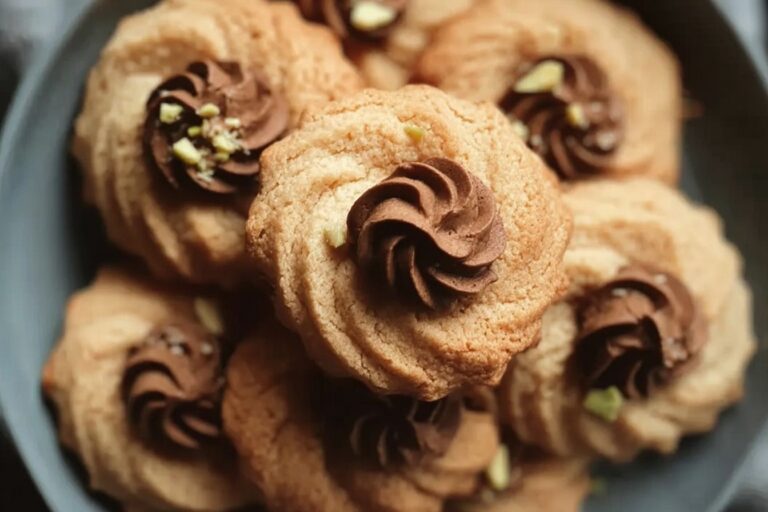
Coffee Butter Cookies
☕ Savor the irresistible coffee aroma blended with rich buttery goodness in these melt-in-your-mouth cookies, perfect for coffee lovers!
🥜 Enjoy the subtle nutty almond flavor and crisp texture that makes them an ideal treat for tea time or gifting.
- Total Time: 50 minutes
- Yield: 66 cookies
Ingredients
– 6 grams instant espresso provides the main coffee flavor
– 35 grams caster sugar sweetens and helps color
– 1.2 grams fine salt balances flavor
– 32 grams milk helps dissolve and combine ingredients
– 100 grams unsalted butter creates richness and tenderness
– 25 grams ground almond adds nutty depth
– 125 grams cake flour builds a light cookie structure
Instructions
1-First step: Get the oven and pan ready Preheat your oven to 140°C. Line a baking sheet with parchment paper so the cookies release cleanly after baking. This small step saves time later and keeps the bottoms from sticking or overbrowning.
2-Second step: Dissolve the coffee mixture Split the 32 grams of milk into two portions. Dissolve the 6 grams of instant espresso in a portion of hot milk, then dissolve the 35 grams of caster sugar and 1.2 grams of fine salt in the rest of the milk. Let both mixtures cool before using them. Cooling matters because warm liquid can loosen the butter too much and change the texture.
3-Third step: Soften the butter properly Bring the 100 grams of unsalted butter to about 20 to 22°C. At this temperature, the butter should feel soft but not oily. Whisk it until smooth. If you rush this step with very cold butter, the dough may look uneven. If the butter gets too warm, the cookies may spread more than you want.
4-Fourth step: Add the milk mixture slowly While whisking, add the sugar-salt-milk mixture gradually. This helps it blend into the butter instead of separating. Keep whisking until the mixture looks smooth and creamy. Then whisk in the coffee mixture and the 25 grams of ground almond. The dough should look glossy and well combined.
5-Fifth step: Fold in the flour gently Sift in the 125 grams of cake flour and fold until just mixed. Use light strokes here. This is not the moment for aggressive stirring, because overmixing can build gluten and make the cookies tougher than you want.
6-Sixth step: Pipe the cookies Transfer the batter to a piping bag. A thick bag makes this easier because the dough is soft and needs steady pressure. Pipe 2.5-cm mounds onto the prepared baking sheet, leaving a little space between each one. This recipe makes about 66 cookies, so you will likely work in a few batches.
7-Seventh step: Bake with care Bake for 18 to 22 minutes at 140°C. Rotate the baking sheet halfway through so the cookies color evenly. Because ovens vary, keep an eye on the first tray and use it as your guide for the rest. A small test batch can help you adjust bake time if your oven runs hot or cool.
8-Eighth step: Cool before moving Let the cookies cool on the baking sheet for 5 minutes. Then move them to a wire rack to finish cooling. This pause helps them firm up so they do not break apart while still soft.
Last Step:
Please leave a rating and comment letting us know how you liked this recipe! This helps our business to thrive and continue providing free, high-quality recipes for you.Notes
⚖️ Use a precise digital scale for all measurements to ensure perfect results.
🧈 Soften butter to exactly 20-22°C for better emulsification and texture.
🔥 Bake a small test batch first, as oven variations can affect baking time.
- Prep Time: 30 minutes
- Cook Time: 20 minutes
- Category: Dessert
- Method: Baking
- Cuisine: Fusion
- Diet: Vegetarian
Nutrition
- Serving Size: 1 cookie
- Calories: 23 kcal
- Sugar: 0.5 g
- Sodium: 7 mg
- Fat: 1.5 g
- Saturated Fat: 0.8 g
- Unsaturated Fat: 0.6 g
- Trans Fat: 0.1 g
- Carbohydrates: 2.5 g
- Fiber: 0.1 g
- Protein: 0.4 g
- Cholesterol: 4 mg