
Why You’ll Love This Egg Casserole
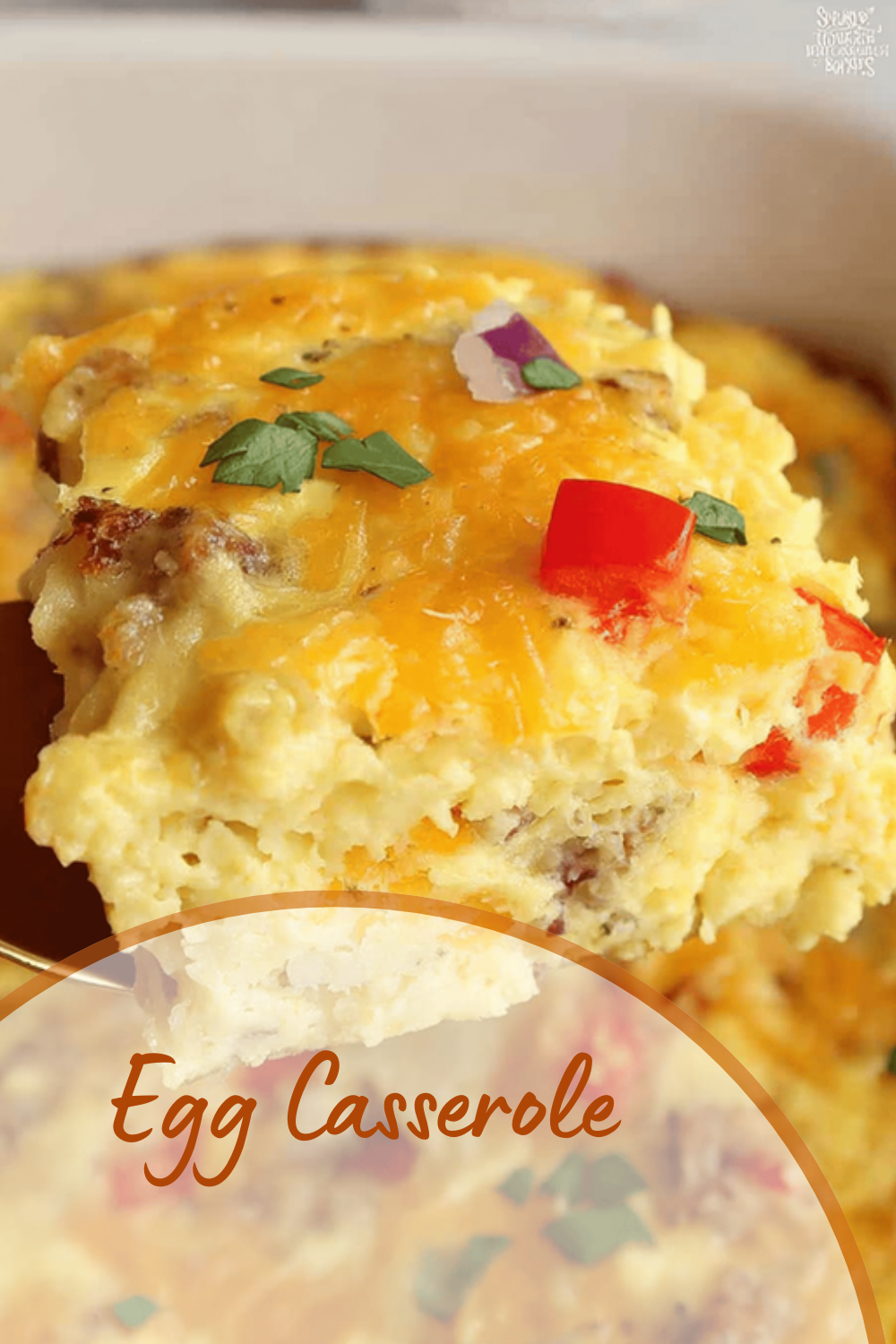
This egg casserole is a go-to choice for busy mornings, offering a simple way to enjoy a filling meal without much hassle. It’s packed with tasty ingredients that make it both nutritious and satisfying, appealing to anyone seeking an easy breakfast solution. With its customizable nature, you can tweak it to fit your preferences while keeping things straightforward and delicious.
The primary appeal lies in its ease of preparation, as it comes together quickly with everyday items you likely have on hand. For those watching their diet, the high protein content from eggs and sausage provides lasting energy to power through the day. Plus, the blend of flavors from fresh veggies and cheese creates a dish that’s anything but boring.
Benefits of Simplicity
This recipe is wonderfully simple to make, perfect for busy mornings or quick dinners. It uses minimal ingredients and straightforward steps, cooking rapidly to save time without losing any flavor. Many home cooks find it ideal for weekdays when they need something fast yet hearty.
Nutritional Advantages
Rich in protein and essential nutrients, this egg casserole supports balanced nutrition. It’s a wholesome option that boosts energy levels and helps maintain wellness, making it great for a nutritious meal any time of day. Ingredients like eggs and vegetables add vitamins that keep you feeling good.
Flexible Options
This casserole is adaptable to various dietary needs, easily adjusted for vegetarian, gluten-free, or low-calorie preferences. Its flexible nature turns it into a reliable family favorite that everyone can enjoy. You can swap ingredients to make it your own, ensuring it fits different lifestyles seamlessly.
Whether you’re a student rushing out the door or a working professional prepping ahead, this egg casserole stands out for its rich flavors from cheeses, herbs, and seasonings. It’s a savory delight that makes breakfast or brunch memorable without extra effort, and you might even link it to other easy meals like our slow cooker sandwich recipes for more inspiration.
Jump to:
- Why You’ll Love This Egg Casserole
- Benefits of Simplicity
- Nutritional Advantages
- Flexible Options
- Essential Ingredients for Egg Casserole
- Full List of Ingredients
- How to Prepare the Perfect Egg Casserole: Step-by-Step Guide
- Step-by-Step Directions
- Adaptation Tips
- Dietary Substitutions to Customize Your Egg Casserole
- Mastering Egg Casserole: Advanced Tips and Variations
- Pro Cooking Techniques
- Flavor Variations
- Presentation and Make-Ahead Options
- How to Store Egg Casserole: Best Practices
- FAQs: Frequently Asked Questions About Egg Casserole
- Can I prepare an egg casserole the night before?
- How long can I store leftover egg casserole in the fridge?
- Can I freeze egg casserole, and how do I reheat it?
- What are some good ingredient substitutions for egg casserole?
- How do I prevent my egg casserole from becoming watery or soggy?
- Egg Casserole
- Ingredients
- Instructions
- Last Step:
- Notes
- Nutrition
- Did you make this recipe?
Essential Ingredients for Egg Casserole
To create a delicious egg casserole, start with the right ingredients that bring out the best flavors and textures. This section outlines everything you need for the sausage egg casserole, ensuring you have a clear list to follow. We’ll focus on the exact measurements to make preparation straightforward and error-free.
Full List of Ingredients
- 2 pounds sausage
- 12 eggs
- 1 cup sour cream (light or regular)
- 1/4 cup milk
- 1 teaspoon salt
- 1/2 teaspoon ground black pepper
- 4 green onions
- 1/2 green bell pepper, diced
- 1/2 red bell pepper, diced
- 2 cups shredded cheddar cheese
These ingredients form the base of your casserole, providing a mix of protein, veggies, and dairy for a well-rounded dish. Using precise measurements helps achieve the perfect balance, making it simple for home cooks of all levels to succeed.
How to Prepare the Perfect Egg Casserole: Step-by-Step Guide
Getting your egg casserole just right involves a few easy steps that anyone can master. Begin by gathering your ingredients and preheating the oven to ensure everything runs smoothly. Follow along for a detailed walkthrough that covers the full process from start to finish.
Step-by-Step Directions
- Preheat the oven to 350 degrees and spray a 9×13 inch pan with cooking spray to avoid sticking.
- In a large bowl, combine the 12 eggs, 1 cup sour cream, 1/4 cup milk, 2 cups shredded cheddar cheese, 1 teaspoon salt, and 1/2 teaspoon ground black pepper. Mix on low speed until just combined for an even blend.
- Cook the 2 pounds sausage in a large skillet over medium heat, breaking it into small pieces until browned, then drain most of the grease and add the sausage to the egg mixture.
- In the same skillet, sauté the 1/2 green bell pepper (diced) and 1/2 red bell pepper (diced) along with the 4 green onions for 2 to 3 minutes until softened, then add them to the egg mixture and stir everything together.
- Pour the mixture into the prepared pan and bake for 35 to 50 minutes, until the edges are set and the center is slightly jiggly.
- Once baked, let it cool for a few minutes before serving. Leftovers can be refrigerated for 3 to 4 days and reheated in the microwave for quick meals.
Adaptation Tips
For dietary tweaks, consider vegan options by replacing eggs with blended tofu or other substitutes. To keep it gluten-free, check that all ingredients like cheese are certified gluten-free. If you’re aiming for a lower-calorie version, reduce cheese amounts or use low-fat alternatives. This recipe takes about 10 minutes to prep and 35 to 50 minutes to cook, totaling around 1 hour to 1 hour and 5 minutes, making it perfect for busy schedules. For more ideas on adapting recipes, check out our slow cooker options that offer similar ease.

Dietary Substitutions to Customize Your Egg Casserole
Making your egg casserole fit your needs is simple with a few smart swaps. Whether you’re avoiding certain ingredients or just want to mix things up, these changes keep the dish tasty and versatile. Let’s look at some easy ways to adjust the recipe for different preferences.
- Replace eggs with silken tofu or chickpea flour batter for a vegan-friendly version.
- Swap sausage with turkey sausage or lean ham to cut down on fat while keeping the protein high.
- Use kale or Swiss chard instead of green onions and bell peppers for a fresh twist on veggies.
- Opt for dairy-free cheese and unsweetened plant milk to accommodate lactose intolerance.
- Add herbs like thyme or oregano to enhance flavors without extra calories.
These modifications ensure the casserole remains a hit for everyone, from students to seniors. By experimenting, you can create a meal that aligns with your lifestyle while maintaining that hearty egg casserole appeal.
Mastering Egg Casserole: Advanced Tips and Variations
Once you’re comfortable with the basics, take your egg casserole to the next level with some pro techniques and creative ideas. These tips help improve texture, flavor, and presentation, making your dish even more enjoyable. Let’s dive into ways to elevate your cooking game.
Pro Cooking Techniques
Use a water bath to bake the casserole gently, which helps achieve a smooth texture without cracking. This method is great for even cooking and works well in any standard oven.
Flavor Variations
Experiment with spices like garlic powder or fresh chives to add more depth. Try mixing in cheeses such as feta or gouda for unique tastes that surprise your family.
Presentation and Make-Ahead Options
Garnish with fresh herbs or avocado slices to make the dish look as good as it tastes. For busy days, prepare the mixture ahead and store it in the fridge overnight for easy baking in the morning. The recipe is adaptable, allowing additions like spinach or zucchini, and it can be baked in muffins with shorter cooking times just check at 30 minutes to prevent overcooking. Remember, learning from resources like health benefits of eggs can inspire more healthy tweaks.
How to Store Egg Casserole: Best Practices
Proper storage keeps your egg casserole fresh and safe to eat later, which is key for meal prep. Follow these guidelines to extend its shelf life without losing quality. Whether you’re refrigerating or freezing, a few simple steps make all the difference.
- Refrigerate leftovers in an airtight container for up to 3-4 days to keep them fresh.
- Freeze portions by wrapping them tightly in plastic wrap and foil, then store in freezer-safe bags for up to 2 months.
- Reheat in a microwave or oven at 350 degrees until warmed through, covering loosely to avoid drying out.
- Portion into individual servings before storing to make grab-and-go meals easier during busy weeks.
This approach not only saves time but also reduces waste, making it ideal for working professionals and parents.
FAQs: Frequently Asked Questions About Egg Casserole
Can I prepare an egg casserole the night before?
Yes, you can prepare an egg casserole the night before. Simply assemble the casserole according to the recipe but do not bake it. Cover it tightly with plastic wrap or foil and store it in the refrigerator overnight. The next morning, bake it as directed. This method saves time and allows the flavors to meld for a tastier dish.
How long can I store leftover egg casserole in the fridge?
Leftover egg casserole can be safely stored in the refrigerator for 3 to 4 days. Make sure to place it in an airtight container or cover it well with foil or plastic wrap to keep it fresh. Reheat individual portions in the microwave or oven until heated through before serving.
Can I freeze egg casserole, and how do I reheat it?
Yes, egg casserole freezes well. To freeze, assemble the casserole but do not bake it. Cover tightly with plastic wrap and a layer of aluminum foil to prevent freezer burn. Freeze for up to 2-3 months. When ready to eat, thaw the casserole overnight in the refrigerator, then bake as directed. This helps retain texture and flavor.
What are some good ingredient substitutions for egg casserole?
You can customize egg casseroles with various substitutions. For dairy-free options, use plant-based milk instead of regular milk. Swap bacon or sausage with vegetables like spinach, mushrooms, or bell peppers for a vegetarian version. Use egg whites or a combination of whole eggs and whites to reduce fat content while keeping the dish fluffy.
How do I prevent my egg casserole from becoming watery or soggy?
To avoid a watery or soggy egg casserole, avoid adding excess liquid ingredients. Drain any watery vegetables, such as tomatoes or spinach, before adding them. Also, do not overmix the eggs; this keeps the texture light. Baking the casserole uncovered allows steam to escape, resulting in a firmer dish.

Egg Casserole
🍳 This Breakfast Casserole combines hearty sausage, eggs, and veggies for a filling and easy morning meal.
🌶️ Enjoy a versatile dish that’s perfect for busy mornings or feeding a crowd with simple prep and delicious flavors.
- Total Time: 1 hour to 1 hour 5 minutes
- Yield: 12 servings
Ingredients
– 2 pounds sausage
– 12 eggs
– 1 cup sour cream (light or regular)
– 1/4 cup milk
– 1 teaspoon salt
– 1/2 teaspoon ground black pepper
– 4 green onions
– 1/2 green bell pepper, diced
– 1/2 red bell pepper, diced
– 2 cups shredded cheddar cheese
Instructions
1-Preheat the oven: Preheat the oven to 350 degrees and spray a 9×13 inch pan with cooking spray to avoid sticking.
2-In a large bowl, combine the ingredients: 12 eggs, 1 cup sour cream, 1/4 cup milk, 2 cups shredded cheddar cheese, 1 teaspoon salt, and 1/2 teaspoon ground black pepper. Mix on low speed until just combined for an even blend.
3-Cook the sausage: Cook the 2 pounds sausage in a large skillet over medium heat, breaking it into small pieces until browned, then drain most of the grease and add the sausage to the egg mixture.
4-Sauté the vegetables: In the same skillet, sauté the 1/2 green bell pepper (diced) and 1/2 red bell pepper (diced) along with the 4 green onions for 2 to 3 minutes until softened, then add them to the egg mixture and stir everything together.
5-Pour and bake: Pour the mixture into the prepared pan and bake for 35 to 50 minutes, until the edges are set and the center is slightly jiggly.
6-After baking: Once baked, let it cool for a few minutes before serving. Leftovers can be refrigerated for 3 to 4 days and reheated in the microwave for quick meals.
Last Step:
Please leave a rating and comment letting us know how you liked this recipe! This helps our business to thrive and continue providing free, high-quality recipes for you.Notes
⏳ Prepare casserole the night before; cover and refrigerate, then bake fresh in the morning.
❄️ Freeze assembled casserole wrapped tightly for up to 3 months; thaw overnight before baking.
🧀 Customize with different cheeses or add vegetables like spinach or zucchini for variety.
- Prep Time: 10 minutes
- Cook Time: 35 to 50 minutes
- Category: Breakfast; Brunch
- Method: Baking
- Cuisine: American
- Diet: Gluten-Free
Nutrition
- Serving Size: 1 serving
- Calories: 385 kcal
- Sugar: 1 g
- Sodium: 669 mg
- Fat: 30 g
- Saturated Fat: 12 g
- Unsaturated Fat: 18 g
- Trans Fat: 0 g
- Carbohydrates: 2 g
- Fiber: 0 g
- Protein: 23 g
- Cholesterol: 239 mg