
Why You’ll Love This Filipino Sapin Sapin
If you have been craving a colorful dessert that feels special but still fits a home kitchen, Filipino Sapin Sapin is a great place to start. This traditional layered rice cake brings together coconut, glutinous rice flour, and sweet flavorings in a way that looks impressive and tastes comforting. I have always enjoyed making this at home because the batter is simple, the steps are easy to follow, and the final cake has that soft, chewy bite so many people love.
- Easy to prepare: The batter comes together with basic pantry ingredients, and the layers steam one at a time. That makes this Sapin Sapin recipe friendly for beginners, busy parents, and students who want a homemade Filipino dessert without a lot of fuss.
- Comforting and satisfying: Glutinous rice flour gives each slice a chewy texture, while coconut milk and condensed milk add richness. It is sweet, filling, and perfect for sharing during family gatherings or weekend treats.
- Flexible for different lifestyles: This Filipino layered rice cake can be adjusted for sweetness, portion size, and flavor strength. You can also make it ahead, which helps working professionals and party hosts plan dessert with less stress.
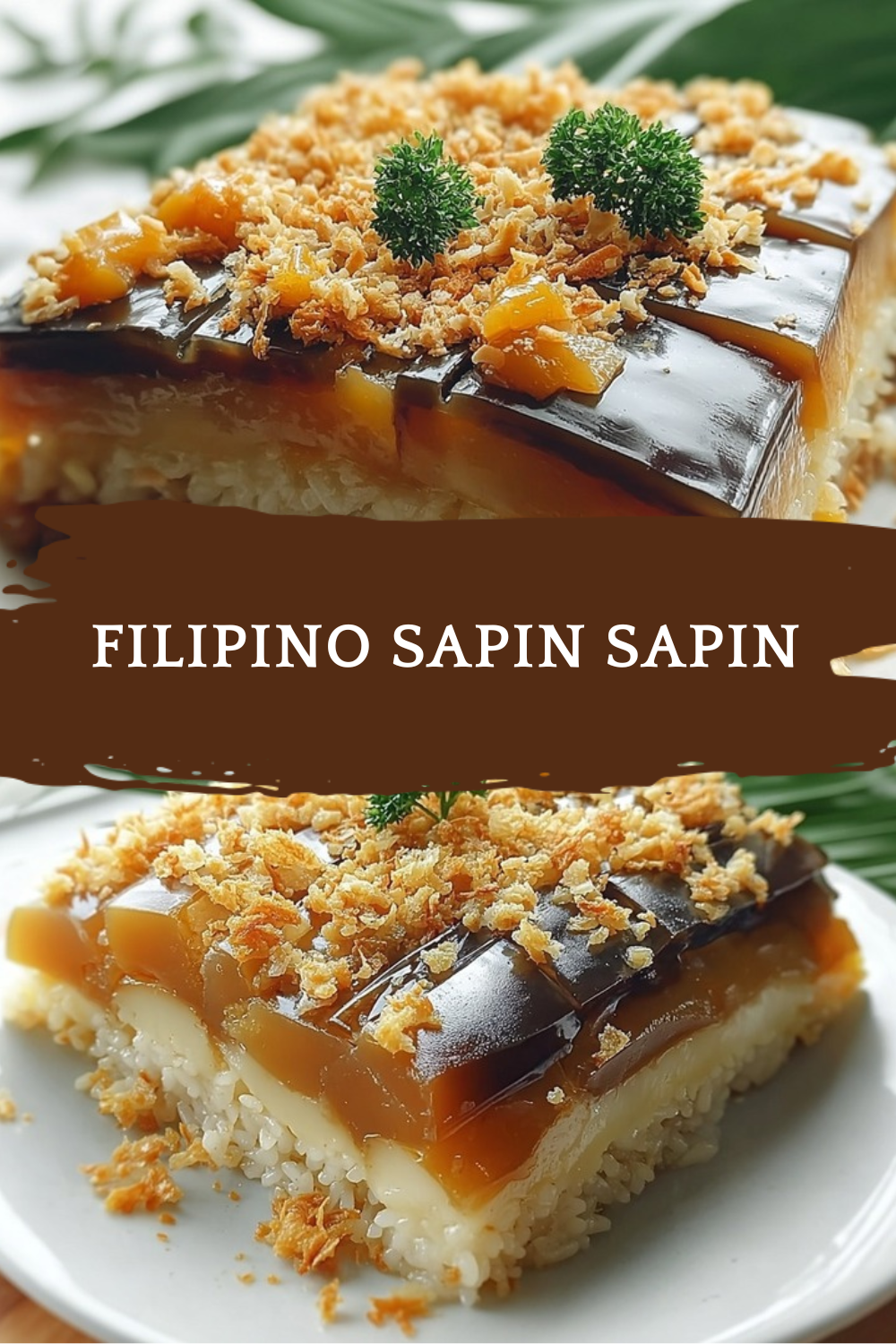
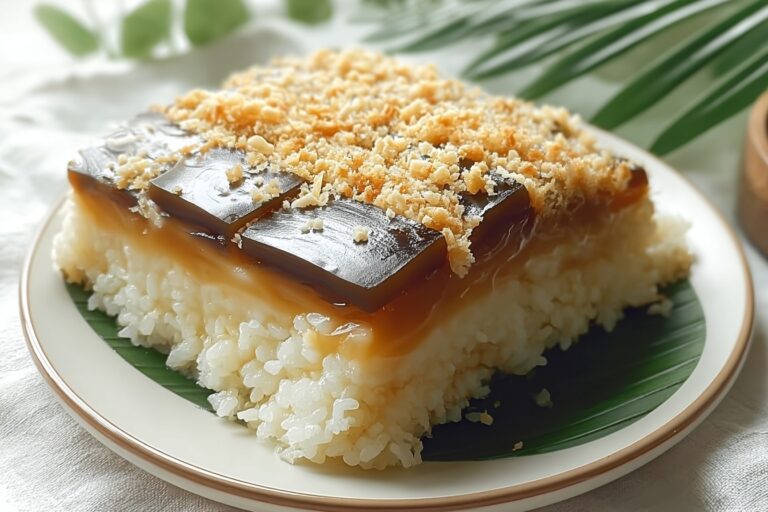
- Distinctive flavor and color: The violet ube layer, the yellow langka layer, and the white coconut layer make every slice eye-catching. Topped with latik, the cake has a toasted coconut finish that adds texture and a deep coconut taste.
Sapin Sapin is the kind of dessert that looks fancy on the table, yet feels very doable once you break it into simple steps.
For readers who enjoy colorful sweets, you may also like other home-style treats on Flavors by Design.
Jump to:
- Why You’ll Love This Filipino Sapin Sapin
- Essential Ingredients for Filipino Sapin Sapin
- Main Ingredients
- Special Dietary Options
- How to Prepare the Perfect Filipino Sapin Sapin: Step-by-Step Guide
- First Step: Make the latik first
- Second Step: Prepare your pan and steamer
- Third Step: Mix the base batter
- Fourth Step: Divide and flavor the layers
- Fifth Step: Steam the white layer
- Sixth Step: Add the ube layer
- Seventh Step: Finish with the langka layer
- Eighth Step: Cool before slicing
- Final Step: Top with latik and serve
- Dietary Substitutions to Customize Your Filipino Sapin Sapin
- Protein and Main Component Alternatives
- Vegetable, Sauce, and Seasoning Modifications
- Mastering Filipino Sapin Sapin: Advanced Tips and Variations
- Pro cooking techniques
- Flavor variations
- Presentation tips
- Make-ahead options
- How to Store Filipino Sapin Sapin: Best Practices
- FAQs: Frequently Asked Questions About Filipino Sapin Sapin
- What is sapin sapin?
- What are the main ingredients in sapin sapin?
- How do you make sapin sapin at home?
- Where did sapin sapin come from?
- How should you store sapin sapin and how long does it last?
- Filipino Sapin Sapin
- Ingredients
- Instructions
- Last Step:
- Notes
- Nutrition
- Did you make this recipe?
Essential Ingredients for Filipino Sapin Sapin
Before you start, gather all the ingredients for this Filipino Sapin Sapin so the batter layers stay smooth and separate. The recipe uses a mix of coconut, rice flour, and sweet flavorings that create the classic taste and color of this Filipino layered rice cake.
Main Ingredients
- 1 cup coconut cream for latik – Simmered slowly to make the crispy toasted coconut curds that top the cake.
- 3 1/2 cups glutinous rice flour – Gives Sapin Sapin its chewy, sticky texture.
- 2 cans coconut milk, 13.5 ounces each – Adds creamy richness and helps form the batter.
- 1 can condensed milk, 14 ounces – Sweetens the dessert and gives it a smooth, milky flavor.
- 1 cup sugar – Balances the coconut flavor and gives the layers their classic sweetness.
- 3 drops ube flavor extract – Creates the purple layer and adds the familiar ube aroma.
- 3 drops langka flavor extract – Gives the yellow layer its sweet jackfruit flavor.
Special Dietary Options
- Vegan: Swap the condensed milk for a plant-based condensed milk and choose a dairy-free coconut cream product if needed. The rest of the recipe is already plant-based.
- Gluten-free: This recipe is naturally gluten-free because glutinous rice flour does not contain gluten, even though it has a sticky texture.
- Low-calorie: Reduce the sugar slightly and use a lighter condensed milk alternative. You can also make thinner layers for smaller portions.
| Ingredient | Purpose | Notes |
|---|---|---|
| Glutinous rice flour | Creates the chewy base | Do not replace with regular rice flour |
| Coconut milk | Adds richness and moisture | Use well-shaken cans for a smooth batter |
| Ube and langka extracts | Color and flavor the layers | A few drops go a long way |
If you like learning about ingredient roles in cooking, this read on glutinous rice nutrition and uses is a helpful reference.
How to Prepare the Perfect Filipino Sapin Sapin: Step-by-Step Guide
This Sapin Sapin recipe is easiest when you work in a calm sequence. The batter is divided into layers, each one flavored a little differently, then steamed until set. A round steamer pan works best, and banana leaves or parchment paper can help keep the cake from sticking. Plan for about 1 to 1.5 hours total, plus cooling time.
First Step: Make the latik first
Pour 1 cup coconut cream into a small saucepan and place it over low heat. Stir now and then so the bottom does not scorch. After a few minutes, the oil will begin to separate from the solids. Keep cooking until the curds turn golden brown and smell toasted, usually 20 to 30 minutes. Drain the latik on paper towels and set it aside. This step matters because the latik should be cool and crisp when it goes on top of the finished cake.
Second Step: Prepare your pan and steamer
Lightly grease an 8 to 9 inch round pan. If you have banana leaves, soften them over heat for a few seconds so they become pliable, then line the pan. This helps release the cake more easily and adds a subtle aroma. Fill your steamer with water and bring it to a steady boil before you begin steaming.
Third Step: Mix the base batter
In a large bowl, combine the 3 1/2 cups glutinous rice flour, 2 cans coconut milk, 1 can condensed milk, and 1 cup sugar. Stir until the batter is smooth and lump-free. The mixture should be thick but pourable. If it looks too dense, whisk gently until everything blends well. This is the main batter for all three layers, so make sure it is evenly mixed before dividing it.
Fourth Step: Divide and flavor the layers
Split the batter into three portions. Keep one portion plain for the white layer. Add 3 drops ube flavor extract to the second portion and stir until the color is evenly purple. Add 3 drops langka flavor extract to the third portion and mix until the yellow shade looks uniform. If you want a stronger color, add only one more drop at a time. Do not overdo it, because too much extract can make the flavor taste artificial.
Fifth Step: Steam the white layer
Pour the plain batter into the prepared pan. Smooth the top with a spatula so the layer cooks evenly. Place the pan in the steamer and cover it tightly. Steam over medium heat for 10 to 15 minutes, or until the surface looks set and no longer wet. The layer should feel slightly firm when touched lightly.
Sixth Step: Add the ube layer
Carefully pour the purple batter over the set white layer. Spread it gently so the colors do not mix. Steam again for 10 to 15 minutes. Check that the layer has set before moving to the next step. If steam drips from the lid, wrap the lid with a clean cloth so water does not fall onto the cake.
Seventh Step: Finish with the langka layer
Pour the yellow batter over the ube layer and smooth the top. Steam for another 15 minutes, or until the center is firm and a toothpick inserted near the middle comes out mostly clean. Because Sapin Sapin is a steamed dessert, the texture should stay soft and chewy, not dry.
Eighth Step: Cool before slicing
Let the cake cool fully in the pan before removing it. Cooling helps the layers firm up, which makes slicing much cleaner. If you cut it too soon, the layers can slip or break apart. Once cool, carefully lift the cake from the pan and place it on a cutting board.
Final Step: Top with latik and serve
Sprinkle the toasted latik over the top. Slice the cake into wedges or diamond shapes, then serve at room temperature for the best chewy bite. Some people like it slightly warmed, but room temperature keeps the texture soft and pleasant. This Filipino Sapin Sapin is lovely for merienda, birthdays, holiday tables, or any time you want a sweet treat with a cheerful look.

Dietary Substitutions to Customize Your Filipino Sapin Sapin
Protein and Main Component Alternatives
Sapin Sapin is already a meat-free dessert, so most substitutions focus on the batter, milk, and sweetener. If you do not have coconut milk, you can use another rich plant milk in a pinch, though the flavor will be less traditional. For a vegan version, choose plant-based condensed milk and keep the coconut cream for latik if your diet allows it. If you want a lighter dessert, reduce the condensed milk slightly and add a bit more coconut milk to keep the batter smooth.
For those who want a softer sweetness, try cutting the sugar to 3/4 cup. This works well if you prefer the coconut flavor to stand out more. The texture will still stay chewy because the glutinous rice flour does the main structural work.
Vegetable, Sauce, and Seasoning Modifications
Traditional Sapin Sapin uses ube and langka flavor extracts, but you can adjust the flavors based on what you have on hand. Pandan extract can add a light herbal note, while natural ube powder can bring a deeper purple color. If you want a more natural look, keep the colors soft and avoid adding food coloring unless you need a brighter presentation for a party.
For the topping, latik is classic, but toasted sesame seeds or shredded coconut can work if you want a different finish. These changes will shift the flavor a bit, yet they still keep the dessert simple and homey.
Mastering Filipino Sapin Sapin: Advanced Tips and Variations
Once you have made this dessert once, small adjustments can help you get even better results. The goal is a neat, colorful cake with distinct layers and a chewy texture that stays soft after steaming.
Pro cooking techniques
- Stir the batter before pouring each layer so the flour does not settle at the bottom.
- Keep the steamer at a steady medium heat. Too much heat can create bubbles or cracks.
- Wrap the steamer lid with a clean towel to stop water droplets from falling onto the cake.
- Use a thin spatula or spoon to spread each layer gently without mixing the colors.
Flavor variations
You can make the ube layer a little deeper in color for a stronger purple look, or keep the langka layer soft and mild for a gentler sweetness. Some home cooks add a small pinch of salt to balance the sweetness, which helps the coconut flavor taste fuller. If you enjoy a more fragrant dessert, a little pandan extract can be added to the white layer for a green variation.
Presentation tips
Slice the cake neatly into diamonds and arrange the pieces on a flat platter. Sprinkle latik right before serving so it stays crisp. For parties, place each slice in a cupcake liner or on a small dessert plate for easy serving. A light dusting of extra coconut bits can also make the cake look festive.
Make-ahead options
Sapin Sapin is a smart choice for busy schedules because it keeps well in the fridge. You can make it a day ahead, chill it overnight, and top it with latik before serving. That gives you one less thing to do when guests arrive. It is a handy dessert for newlyweds, party hosts, and working professionals who want a homemade treat without last-minute stress.
How to Store Filipino Sapin Sapin: Best Practices
Because this dessert uses coconut milk, it should be cooled and stored properly. Let the cake reach room temperature first, then cover it well before refrigerating.
- Refrigeration: Store Sapin Sapin in an airtight container or wrap it tightly in plastic wrap. It keeps for 3 to 5 days in the fridge.
- Freezing: For longer storage, wrap individual slices in plastic and foil, then freeze for up to 1 month. Thaw overnight in the refrigerator before serving.
- Reheating: Warm slices in the microwave for 10 to 20 seconds or steam briefly to bring back the chewy texture.
- Meal prep considerations: If you are making it ahead for a gathering, slice only what you need and leave the rest whole until serving time.
For the best taste, do not leave the cake at room temperature for more than 2 hours, especially in warm weather.
FAQs: Frequently Asked Questions About Filipino Sapin Sapin
What is sapin sapin?
Sapin sapin is a traditional Filipino steamed rice cake known for its colorful, layered appearance, with “sapin sapin” meaning “layers” in Tagalog. Made from glutinous rice flour, coconut milk, sugar, and natural flavorings like ube (purple yam) for violet layers and langka (jackfruit) for yellow ones, it has a soft, chewy texture. A white layer often sits at the bottom, and it’s topped with latik—crispy toasted coconut curds made by simmering coconut cream until the oil separates and solids brown. This kakanin dessert is popular at celebrations, offering a subtle coconut sweetness and vibrant look. Serve it at room temperature or slightly warmed for the best chewy bite. (92 words)
What are the main ingredients in sapin sapin?
Key ingredients for sapin sapin include 2 cups glutinous rice flour, 2 cans (400ml each) coconut milk, 1-1.5 cups sugar (adjust for sweetness), and natural colorants like 1/2 cup mashed ube for purple, 1/2 cup langka puree for yellow, and plain batter for white layers. You’ll also need banana leaves for lining the steamer and latik topping from 2 cups coconut cream simmered until curds form. Optional additions: pandan extract for aroma or food coloring for brighter hues. Mix each layer separately to prevent blending colors, then steam in sequence. These create the signature soft, sticky consistency without eggs or baking powder. Yields 8-10 servings. (112 words)
How do you make sapin sapin at home?
To make sapin sapin, prepare three batters: divide glutinous rice flour, coconut milk, and sugar into portions for white, ube, and langka layers. Mix each smoothly, adding flavorings. Line a round steamer pan (8-9 inches) with greased banana leaves. Pour white batter first, steam 10-15 minutes until set. Add ube layer, steam another 10-15 minutes, then langka on top, steaming 15 minutes more. Cool completely. For latik, simmer coconut cream over low heat 20-30 minutes until oil separates and curds turn golden; drain. Top cooled cake with latik, slice into diamonds. Steam over boiling water; total time 1-1.5 hours plus cooling. Store covered in fridge. (118 words)
Where did sapin sapin come from?
Sapin sapin originated in Abra, a northern Philippine province, as a type of kakanin—rice-based sweets from the word “kanin” (cooked rice). It gained nationwide popularity through fiestas and markets, evolving from simple rice cakes to layered versions using local ingredients like ube and langka. Influenced by pre-colonial traditions of steaming glutinous rice with coconut, it spread via migration and trade. Today, variations appear in Pampanga and Visayas, but Abra claims the classic recipe. Historical records trace kakanin to indigenous Cordillera practices, with sapin sapin’s distinct layers likely innovated in the 20th century for visual appeal at communal gatherings. (104 words)
How should you store sapin sapin and how long does it last?
Refrigerate sapin sapin immediately after cooling to room temperature, as coconut milk spoils quickly in heat. Cover tightly with plastic wrap or in an airtight container to avoid drying or absorbing odors; it lasts 3-5 days in the fridge. For longer storage, freeze slices wrapped in plastic and foil for up to 1 month—thaw overnight in fridge and steam or microwave 10-20 seconds to restore chewiness. Avoid room temperature beyond 2 hours. Before serving, warm briefly to soften the glutinous texture. Warm weather shortens shelf life, so consume fresh for best flavor and safety. (98 words)
Filipino Sapin Sapin
🍚 Indulge in the chewy, vibrant layers of Sapin Sapin, a delightful Filipino rice cake that brings tropical sweetness and festive colors to any occasion with its coconut-rich batter.
🥥 This simple steamed dessert offers gluten-free joy, perfect for parties or snacks, delivering moist texture and authentic flavors effortlessly at home.
- Total Time: 1 hour 10 minutes
- Yield: 12 servings
Ingredients
– 1 cup coconut cream for latik
– 3 1/2 cups glutinous rice flour
– 2 cans coconut milk, 13.5 ounces each
– 1 can condensed milk, 14 ounces
– 1 cup sugar
– 3 drops ube flavor extract
– 3 drops langka flavor extract
Instructions
1-First Step: Make the latik firstPour 1 cup coconut cream into a small saucepan and place it over low heat. Stir now and then so the bottom does not scorch. After a few minutes, the oil will begin to separate from the solids. Keep cooking until the curds turn golden brown and smell toasted, usually 20 to 30 minutes. Drain the latik on paper towels and set it aside. This step matters because the latik should be cool and crisp when it goes on top of the finished cake.
2-Second Step: Prepare your pan and steamerLightly grease an 8 to 9 inch round pan. If you have banana leaves, soften them over heat for a few seconds so they become pliable, then line the pan. This helps release the cake more easily and adds a subtle aroma. Fill your steamer with water and bring it to a steady boil before you begin steaming.
3-Third Step: Mix the base batterIn a large bowl, combine the 3 1/2 cups glutinous rice flour, 2 cans coconut milk, 1 can condensed milk, and 1 cup sugar. Stir until the batter is smooth and lump-free. The mixture should be thick but pourable. If it looks too dense, whisk gently until everything blends well. This is the main batter for all three layers, so make sure it is evenly mixed before dividing it.
4-Fourth Step: Divide and flavor the layersSplit the batter into three portions. Keep one portion plain for the white layer. Add 3 drops ube flavor extract to the second portion and stir until the color is evenly purple. Add 3 drops langka flavor extract to the third portion and mix until the yellow shade looks uniform. If you want a stronger color, add only one more drop at a time. Do not overdo it, because too much extract can make the flavor taste artificial.
5-Fifth Step: Steam the white layerPour the plain batter into the prepared pan. Smooth the top with a spatula so the layer cooks evenly. Place the pan in the steamer and cover it tightly. Steam over medium heat for 10 to 15 minutes, or until the surface looks set and no longer wet. The layer should feel slightly firm when touched lightly.
6-Sixth Step: Add the ube layerCarefully pour the purple batter over the set white layer. Spread it gently so the colors do not mix. Steam again for 10 to 15 minutes. Check that the layer has set before moving to the next step. If steam drips from the lid, wrap the lid with a clean cloth so water does not fall onto the cake.
7-Seventh Step: Finish with the langka layerPour the yellow batter over the ube layer and smooth the top. Steam for another 15 minutes, or until the center is firm and a toothpick inserted near the middle comes out mostly clean. Because Sapin Sapin is a steamed dessert, the texture should stay soft and chewy, not dry.
8-Eighth Step: Cool before slicingLet the cake cool fully in the pan before removing it. Cooling helps the layers firm up, which makes slicing much cleaner. If you cut it too soon, the layers can slip or break apart. Once cool, carefully lift the cake from the pan and place it on a cutting board.
9-Final Step: Top with latik and serveSprinkle the toasted latik over the top. Slice the cake into wedges or diamond shapes, then serve at room temperature for the best chewy bite. Some people like it slightly warmed, but room temperature keeps the texture soft and pleasant. This Filipino Sapin Sapin is lovely for merienda, birthdays, holiday tables, or any time you want a sweet treat with a cheerful look.
Last Step:
Please leave a rating and comment letting us know how you liked this recipe! This helps our business to thrive and continue providing free, high-quality recipes for you.Notes
🥥 Stir latik constantly to achieve perfect golden curds without burning for the best topping.
🎨 Adjust food coloring drops for desired vibrant layers, but keep flavors subtle.
🍌 Use fresh banana leaves for authentic aroma; wilt over flame first to make pliable.
- Prep Time: 20 minutes
- Cooling Time: 1 hour
- Cook Time: 50 minutes
- Category: Dessert
- Method: Steamed
- Cuisine: Filipino
- Diet: Vegetarian
Nutrition
- Serving Size: 1 slice
- Calories: 380
- Sugar: 22g
- Sodium: 50mg
- Fat: 16g
- Saturated Fat: 14g
- Unsaturated Fat: 2g
- Trans Fat: 0g
- Carbohydrates: 55g
- Fiber: 1g
- Protein: 5g
- Cholesterol: 10mg