
Why You’ll Love This Homemade Bread
Imagine pulling a warm, golden loaf of homemade bread straight from your oven, filling your kitchen with that irresistible aroma. This straightforward recipe for homemade bread is perfect for anyone eager to try baking at home, offering a rewarding way to enjoy fresh, delicious results without much fuss. You’ll find it especially appealing if you’re a beginner, as it uses simple steps that build confidence right from the start.
One key reason to try this homemade bread is its ease of preparation, making it ideal for busy parents and working professionals. The process is simple and quick, with most of the time spent waiting for the dough to rise, so you can handle it around your daily routine. Plus, it delivers a fresh loaf that enhances any meal, whether it’s for a quick sandwich or a side with dinner.
- Ease of preparation: This recipe keeps things straightforward with just a few basic steps that even students or newlyweds can master quickly. No fancy tools are needed, and you can have dough ready in under 15 minutes, allowing for fresh homemade bread without taking over your day.
- Health benefits: Baking your own bread lets you control the ingredients, which means less processed additives and more wholesome nutrition. It’s a great option for diet-conscious individuals, as it uses natural elements like honey or sugar for sweetness, potentially supporting better wellness with each slice.
- Versatility: Adapt this homemade bread to fit various needs, such as using different flours for gluten-free options or adding seeds for extra texture, making it suitable for food enthusiasts and travelers alike. Whether you’re hosting a party or packing lunches, this bread works for everything from toast to delicious sandwiches.
- Distinctive flavor: What sets this homemade bread apart is its soft, flavorful crumb achieved through quality ingredients like fresh yeast and honey, giving it a taste that’s far superior to store-bought options. Baking enthusiasts will appreciate how it lets you experiment while seniors might enjoy the comforting, familiar taste reminiscent of homemade traditions.
This approach not only makes baking fun but also ensures you get a loaf that’s both satisfying and adaptable to your lifestyle. By focusing on these elements, you’re set for success with homemade bread that’s simple yet full of character.
Jump to:
- Why You’ll Love This Homemade Bread
- Essential Ingredients for Homemade Bread
- Core Ingredients List
- Step-by-Step Instructions to Bake Homemade Bread
- Preparing Your Ingredients
- Expert Tips for the Perfect Homemade Bread
- Frequently Asked Questions About Homemade Bread
- What ingredients do I need for homemade bread?
- Do I need a stand mixer or bread machine to make homemade bread?
- How can I tell if my yeast is good for homemade bread?
- How long does homemade bread dough take to rise and bake?
- How do I store and freeze homemade bread?
- Homemade Bread
- Ingredients
- Notes
- Nutrition
- Did you make this recipe?
Essential Ingredients for Homemade Bread
Gathering the right ingredients is the first step to creating delicious homemade bread that rises perfectly and tastes amazing. This section outlines everything you need for a standard loaf, helping home cooks and baking enthusiasts prepare with ease. We’ll cover the basics and offer tips on substitutions to make this recipe your own.
Core Ingredients List
Here is a complete, structured list of the ingredients required for this homemade bread recipe. Each one plays a key role in achieving the perfect texture and flavor:
- 2 cups warm water (105-115 degrees) – This activates the yeast and helps create the dough’s moisture; use filtered water if possible and ensure it’s not too hot to avoid killing the yeast.
- 1 tablespoon active dry yeast – Essential for fermentation and rising; if you have instant yeast, you can substitute it directly, but check freshness first for the best results.
- 1/4 cup honey or sugar (85g honey, 50g sugar) – Provides food for the yeast and sweetness; honey adds a subtle flavor and moisture, while sugar works for a quicker rise opt for local honey for better taste and support local sources.
- 2 teaspoons salt – Balances flavors and strengthens the dough structure; use fine sea salt for even distribution, and if on a low-sodium diet, reduce slightly but note it may affect texture.
- 2 tablespoons oil (canola or vegetable) – Adds tenderness and helps with browning; olive oil can be a substitute for a richer taste, and you might find it at bulk stores for cost savings.
- 4 to 5 1/2 cups all-purpose or bread flour (500g-688g) – Forms the base of the bread; bread flour gives a chewier texture, while all-purpose is more accessible try whole wheat for a healthier twist and adjust based on humidity.
Optional add-ins like herbs or seeds can enhance your bread, but stick to the list above for the classic version. Note that you can scale this recipe easily; for example, double the amounts for two loaves, but adjust rising time as needed to maintain quality.
| Ingredient | Role in Recipe | Substitutions and Tips |
|---|---|---|
| 2 cups warm water (105-115 degrees) | Activates yeast and hydrates dough | Use milk for a softer loaf; measure temperature accurately with a thermometer. |
| 1 tablespoon active dry yeast | Enables dough to rise | Instant yeast works 1:1; store in the fridge for up to 4 months. |
| 1/4 cup honey or sugar | Sweetens and feeds yeast | Maple syrup as an alternative; buy organic for purity. |
| 2 teaspoons salt | Enhances flavor and structure | Kosher salt; reduce for low-sodium needs. |
| 2 tablespoons oil | Provides moisture and shine | Any neutral oil; coconut oil for a hint of flavor. |
| 4 to 5 1/2 cups flour | Builds the dough’s body | Gluten-free blends for alternatives; sift for even measuring. |
This setup ensures your homemade bread turns out just right every time, with options to tweak for dietary preferences.
Step-by-Step Instructions to Bake Homemade Bread
Making homemade bread is a fun and simple process that fits into anyone’s schedule, especially for busy parents or food enthusiasts. This guide breaks it down into clear, numbered steps, with prep time of about 15 minutes, cook time of 30-35 minutes, and total time around 2-3 hours including rising. Follow along for a foolproof way to get that perfect, golden loaf.
Preparing Your Ingredients
Start by gathering all your items to make the process smooth. This step ensures everything is ready, reducing any stress for beginners.
- Combine 2 cups warm water and 1 tablespoon active dry yeast in a large bowl. Stir gently and let it sit for 5-10 minutes until it becomes foamy, which means your yeast is active and ready this is key for your homemade bread to rise properly.
- Add 1/4 cup honey or sugar, 2 teaspoons salt, and 2 tablespoons oil to the yeast mixture. Mix well with a wooden spoon until everything dissolves, creating a base that gives your bread great flavor and texture.
- Gradually stir in 4 cups of the flour, one cup at a time, using a sturdy spoon or your hands. Keep adding up to 5 1/2 cups until the dough forms a ball and pulls away from the bowl sides pro tip: if it’s too sticky, add a bit more flour, but go slow to avoid a dry loaf.
- Turn the dough onto a floured surface and knead for 8-10 minutes until it’s smooth and elastic. This step is crucial for homemade bread, so use your palms to press and fold; if you’re short on time, a no-knead version works by letting it rest longer.
- Place the dough in a greased bowl, cover with a clean cloth, and let it rise in a warm spot for 1 hour or until doubled in size. Watch for visual cues like the dough springing back when poked, which signals it’s ready for the next step.
- Punch down the risen dough to release air bubbles, then shape it into a loaf and place it in a greased pan. Let it rise again for 30-45 minutes until it’s puffy photos here would show the before and after for clarity.
- Preheat your oven to 375 degrees Fahrenheit while the dough rises the second time. This ensures even baking; for a crispier crust, add a pan of water on the lower rack.
- Bake the loaf for 30-35 minutes until it’s golden brown and sounds hollow when tapped on the bottom a pro tip for doneness is using a thermometer to check if it reaches 190 degrees inside.
- Remove the bread from the oven and let it cool on a wire rack for at least 20 minutes before slicing. This homemade bread will have a wonderful aroma and taste best when slightly warm.
- Slice and enjoy your fresh homemade bread, perhaps slathered with butter or used in your favorite recipes for a complete meal.
These steps make baking homemade bread accessible and enjoyable, with tips to help you avoid common issues.
Expert Tips for the Perfect Homemade Bread
Getting the best results from your homemade bread comes down to a few smart practices that can make all the difference. Whether you’re a baking novice or a seasoned pro, these tips cover everything from preparation to storage, helping busy individuals and food lovers alike.
- Measure flour accurately: Always spoon flour into your measuring cup and level it off to avoid dense bread; this is crucial for that light, airy texture in your homemade bread.
- Use room temperature water: Ensure your water is between 105-115 degrees to activate the yeast properly, preventing issues like slow rising.
- Troubleshoot proofing: If your dough doesn’t rise, check the yeast’s freshness warm the area or add a pinch more sugar to help it along for better homemade bread results.
- Enhance with additions: Mix in herbs, seeds, or nuts for extra flavor; these simple tweaks can turn your basic homemade bread into something special for parties.
- Store correctly: Keep your cooled loaf in a paper bag at room temperature for up to 3 days, or freeze it for longer slice first for easy use later.
- Make-ahead options: Prepare dough in advance and refrigerate it overnight; just let it come to room temperature before baking your homemade bread.
- Avoid common pitfalls: Don’t over-knead the dough, as it can make the bread tough; aim for that smooth feel to keep things perfect.
The key to great homemade bread is patience and practice, turning simple ingredients into something truly wonderful.
Frequently Asked Questions About Homemade Bread
What ingredients do I need for homemade bread?
For a basic homemade bread recipe yielding two loaves, gather these ingredients: 2 ½ cups warm water (105-115°F), 2 tablespoons active dry yeast, ⅓ cup granulated sugar or honey, 1 tablespoon salt, ⅓ cup vegetable oil or canola oil (or melted butter), and 6-7 cups bread flour or all-purpose flour. Start by proofing the yeast in warm water with sugar or honey for 5-10 minutes until foamy. Then mix in salt, oil, and flour gradually until the dough pulls away from the bowl sides. This simple list keeps the bread soft and flavorful without extras. Adjust flour slightly based on humidity for perfect texture. Total prep time is about 20 minutes before rising. (78 words)
Do I need a stand mixer or bread machine to make homemade bread?
No special equipment is required for homemade bread. Mix everything by hand in a large bowl using a wooden spoon until combined, then knead on a floured surface for 5-7 minutes until smooth and elastic. A stand mixer with dough hook speeds up kneading to 5 minutes on low speed. If using a bread machine, halve the recipe to fit most models and use the dough cycle before shaping and baking manually. This flexibility makes baking accessible for beginners. Bake in standard loaf pans at 350°F for 30-33 minutes until golden and hollow-sounding when tapped. (92 words)
How can I tell if my yeast is good for homemade bread?
Test yeast freshness by proofing: combine 2 tablespoons active dry yeast with 2 ½ cups warm water (105-115°F) and ⅓ cup sugar or honey in a bowl. Stir and wait 5-10 minutes. Active yeast will foam up bubbly and double in volume; discard if flat or unchanged. Fresh yeast ensures proper rising for light, airy bread. Store yeast in the fridge up to 4 months or freezer for a year. Always check expiration dates. This quick step prevents flat loaves and wasted ingredients. (85 words)
How long does homemade bread dough take to rise and bake?
After mixing and kneading, let the dough rise in a greased bowl covered with plastic wrap for 1-1 ½ hours until doubled. Punch down, shape into two loaves, place in greased pans, and rise again 45-60 minutes until 1 inch above pans. Preheat oven to 350°F and bake 30-33 minutes until tops are golden brown and sound hollow when tapped. Cool on racks before slicing. For faster rising, place in a warm spot like an off oven preheated to 180°F with door ajar. Total time from start to slice: about 3-4 hours. (98 words)
How do I store and freeze homemade bread?
Cool loaves completely on wire racks, then store in airtight bags or containers at room temperature for 2-3 days, or refrigerate up to 5 days for longer freshness. For freezing, wrap shaped loaves (before second rise) tightly in plastic and foil, freeze up to 3 months; thaw overnight in fridge, rise, and bake. Freeze baked bread sliced or whole up to 3 months—toast slices directly from freezer. Avoid plastic bags alone to prevent moisture buildup. Proper storage keeps homemade bread soft and mold-free. Revive day-old bread by sprinkling with water and warming at 300°F for 5-10 minutes. (102 words)
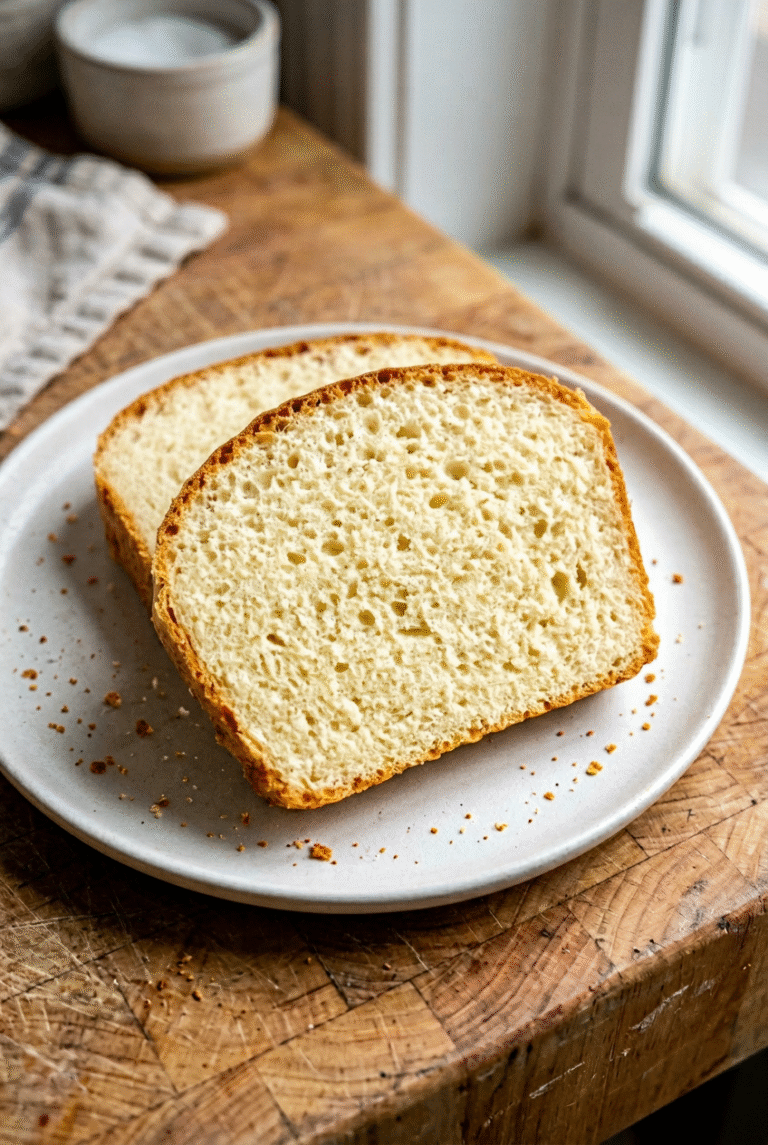
Homemade Bread
🍞 A warm, crusty homemade bread loaf straight from your oven, filling your home with irresistible aroma and delivering fresh, wholesome slices perfect for any meal or snack.
🥖 This simple recipe creates soft, fluffy interior with no additives, offering therapeutic baking joy and cost savings while providing customizable nutrition for daily enjoyment.
- Total Time: 2 hours 25 minutes
- Yield: 1 loaf (12 servings)
Ingredients
– 2 cups warm water (105-115 degrees) for activating yeast and hydrating dough
– 1 tablespoon active dry yeast for enabling dough to rise
– 1/4 cup honey or sugar for sweetening and feeding yeast
– 2 teaspoons salt for enhancing flavor and structure
– 2 tablespoons oil for providing moisture and shine
– 4 to 5 1/2 cups flour for building the dough’s body
Notes
🌡️ Measure the water temperature carefully—too hot kills the yeast, too cold slows activation; aim for 105-115°F for best results.
👐 Knead the dough until smooth and elastic, about 5-8 minutes, as this develops gluten for a light, airy texture without dense bread.
🔥 For a softer crust, brush the top of the loaf with butter right after baking, or tent with foil if it browns too quickly during oven time.
- Prep Time: 20 minutes
- Rising Time: 1 hour 30 minutes
- Cook Time: 35 minutes
- Category: Breads
- Method: Baking
- Cuisine: American
- Diet: Vegetarian, Vegan
Nutrition
- Serving Size: 1 slice
- Calories: 180
- Sugar: 3g
- Sodium: 300mg
- Fat: 3g
- Saturated Fat: 0g
- Unsaturated Fat: 3g
- Trans Fat: 0g
- Carbohydrates: 35g
- Fiber: 1g
- Protein: 4g
- Cholesterol: 0mg