
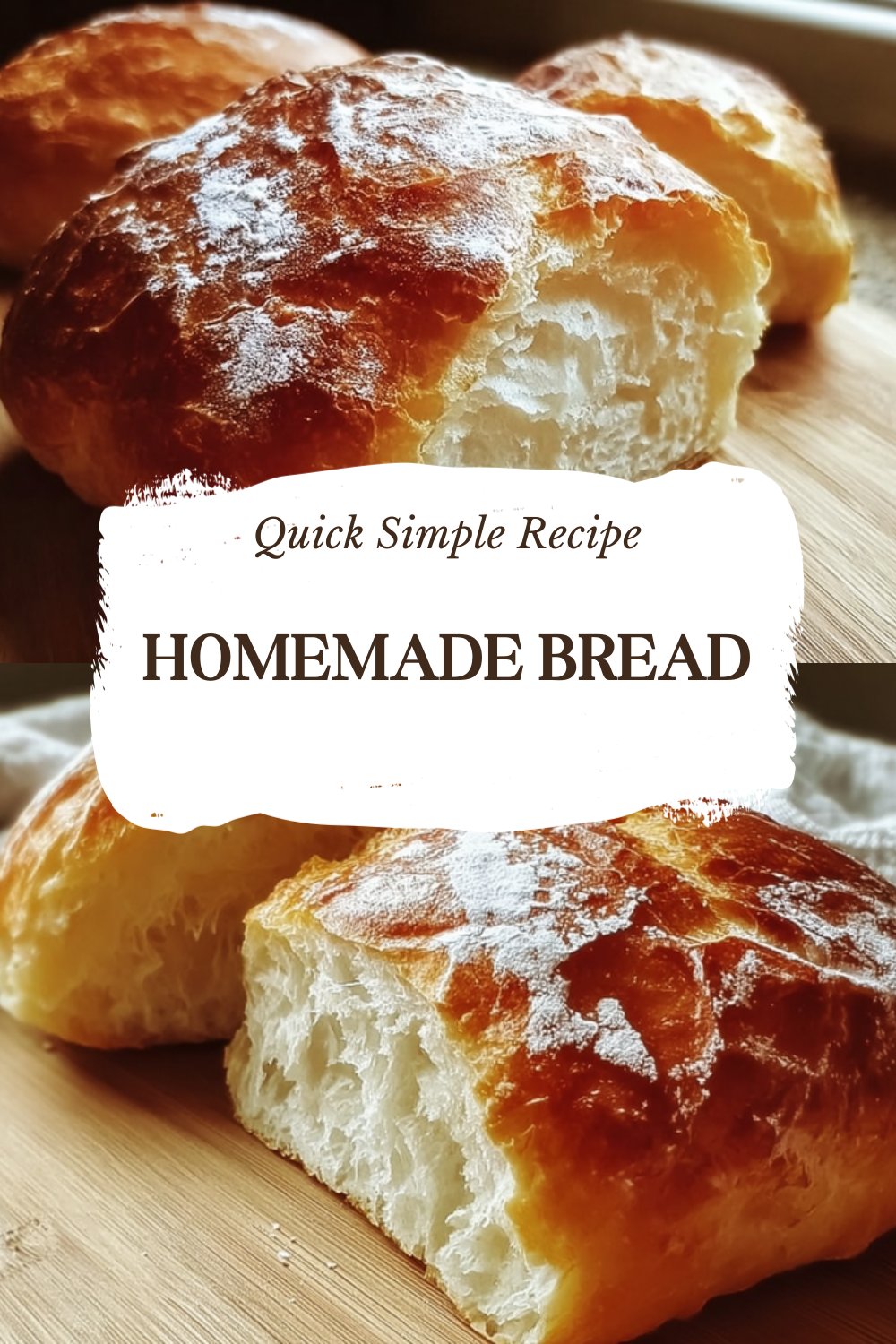
Why You'll Love This Homemade Bread
Nothing beats the smell of homemade bread baking in your kitchen. This bread recipe delivers fresh bread with a crispy crust and soft interior using basic pantry items. Perfect for beginners, it fits busy schedules while offering a rewarding baking experience.
Fresh loaves straight from your oven turn everyday meals into special occasions.
This recipe stands out for its reliability and appeal to home cooks, parents, and baking fans. You get control over ingredients for better taste and nutrition. Let's break down the key reasons it shines.
- Ease of preparation: Mix ingredients in minutes with no special tools needed. Total active time stays under 20 minutes, ideal for students or working professionals. Rise times fit around your day, yielding loaves in about 2.5 hours.
- Health benefits: Skip store additives and preservatives. Use whole wheat flour for fiber and nutrients. Lower sodium options keep it diet-friendly for seniors or health-focused eaters. Each slice packs wholesome goodness without processed extras. Check this homemade bread is better, healthier, and more affordable discussion for real insights.
- Versatility: Slice for toast, sandwiches, or alongside soups. Adapt for vegan, gluten-free, or whole grain diets. Travelers and newlyweds appreciate portable snacks; party hosts love it for crowds. Pair slices with your favorite spreads or use in recipes like a slow cooker French dip sandwich.
- Distinctive flavor: Warm yeast notes and subtle sweetness create unmatched taste. Golden crust cracks satisfyingly, unlike store-bought. Customize with herbs for unique twists that impress food enthusiasts.
These perks make this easy bread a go-to. Families enjoy the process, building memories through baking together.
Jump to:
- Why You'll Love This Homemade Bread
- Essential Ingredients for Homemade Bread
- How to Prepare the Perfect Homemade Bread: Step-by-Step Guide
- First Step: Activate the Yeast (Proofing)
- Second Step: Mix the Dough
- Third Step: Knead the Dough
- Fourth Step: First Rise (Bulk Fermentation)
- Fifth Step: Shape the Loaf
- Final Step: Bake and Cool
- Dietary Substitutions to Customize Your Homemade Bread
- Protein and Main Component Alternatives
- Vegetable, Sauce, and Seasoning Modifications
- Mastering Homemade Bread: Advanced Tips and Variations
- How to Store Homemade Bread: Best Practices
- FAQs: Frequently Asked Questions About Homemade Bread
- How do I make simple homemade bread at home?
- What ingredients do I need for basic homemade bread?
- Why doesn’t my homemade bread rise properly?
- How long does homemade bread take to make?
- How do I store homemade bread to keep it fresh?
- Homemade Bread
- Ingredients
- Instructions
- Last Step:
- Notes
- Nutrition
- Did you make this recipe?
Essential Ingredients for Homemade Bread
Gather simple staples for this homemade bread recipe beginners can master. Focus on quality for best rise and texture. Below is the precise list with purposes.
Main Ingredients:
- 3 cups all-purpose flour – Forms structure and provides gluten for chewy texture; spoon and level to avoid dense loaves.
- 1 cup warm water (110°F) – Activates yeast; too hot kills it, too cold slows rise; use filtered if tap water is chlorinated.
- 2 tablespoons sugar – Feeds yeast for foamy activation and adds mild sweetness to balance flavors.
- 1 teaspoon salt – Enhances taste and controls yeast activity for proper rise.
- 2 1/4 teaspoons active dry yeast – Leavening agent; proof first to ensure freshness for fluffy results.
- 2 tablespoons olive oil – Keeps dough soft, adds richness, and prevents sticking during rises.
For a larger loaf or variations (as in basic recipes), scale up:
- 4 cups all-purpose flour (or bread flour for better rise) – Increases yield to one large or two small loaves.
- 1 1/2 cups warm water – Maintains hydration ratio for optimal dough consistency.
- 2 tsp salt – Adjusts seasoning proportionally.
- 1 tbsp sugar or honey – Sweetens naturally; honey adds moisture.
- 1 packet (2 1/4 tsp) instant yeast – Faster activation, skips proofing step.
- 2 tbsp butter or oil – Butter for richer flavor, oil for vegan option.
- Seeds or herbs (optional) – Boosts nutrition and taste, like sesame for crunch.
Special Dietary Options:
- Vegan: Stick with olive oil or plant-based oil; skip butter if using variation.
- Gluten-free: Swap all-purpose flour for 1:1 gluten-free blend; add xanthan gum for binding.
- Low-calorie: Reduce sugar to 1 tbsp, use half oil and half water; opt for whole wheat to increase fiber.
How to Prepare the Perfect Homemade Bread: Step-by-Step Guide
This simple steps make bread guide ensures success for fresh loaves at home. Prep time: 15 minutes. Rise: 1.5 hours. Bake: 30-35 minutes. Total: 2.5 hours. Follow closely for artisan results.
First Step: Activate the Yeast (Proofing)
Measure 1 cup warm water at 110°F into a large bowl. Stir in 2 tablespoons sugar and 2 1/4 teaspoons active dry yeast. Let sit 5-10 minutes until foamy on top. This confirms yeast is alive. No foam? Replace yeast. Tip: Microwave water 10-15 seconds if needed, but check temperature with a thermometer for beginners.
Second Step: Mix the Dough
Add 1 teaspoon salt and 2 tablespoons olive oil to the yeast mixture. Stir in 2 cups flour gradually with a wooden spoon. Mix until smooth, then add remaining 1 cup flour. Dough will be sticky at first. This builds hydration for airy crumb. Avoid rushing; lumps dissolve with stirring.
Third Step: Knead the Dough
Turn dough onto a lightly floured surface. Knead 8-10 minutes, folding and pressing until smooth and elastic. It passes the windowpane test: stretch thin without tearing. Gluten development here creates structure. Hands-on fun for families; kids love helping. If sticky, add flour 1 tablespoon at a time.
Fourth Step: First Rise (Bulk Fermentation)
Oil a clean bowl lightly. Place dough seam-side down, cover with damp cloth or plastic. Let rise in warm spot (75-85°F) for 1 hour until doubled. Oven with light on works great. Poke test: finger imprint stays. Patience pays off for volume.
Fifth Step: Shape the Loaf
Punch down risen dough gently to release gas. Shape into loaf by folding edges under for tension. Place in greased 9×5-inch pan seam down. Cover and rise 30 minutes until nearly doubled. Score top lightly for even expansion. Preheat oven now to 375°F.
Final Step: Bake and Cool
Bake 30-35 minutes until golden brown. Internal temp 190-200°F or hollow tap sound. Cool on wire rack 1 hour minimum. Slicing too soon steams interior. Enjoy warm or store. Yields one loaf, perfect for toast or soft homemade bread recipe uses.
Common pitfalls: Overproofing collapses loaves; underbaking leaves doughy center. Practice builds skill. For yeast bread mastery, weigh ingredients: 360g flour, 240ml water roughly scales accurately.
| Step | Time | Tips |
|---|---|---|
| Proof Yeast | 5-10 min | Foamy top confirms activity |
| Knead | 8-10 min | Smooth, elastic feel |
| First Rise | 1 hour | Doubled size |
| Shape & Second Rise | 30 min | Pan 3/4 full |
| Bake | 30-35 min | Golden, hollow sound |

Dietary Substitutions to Customize Your Homemade Bread
Protein and Main Component Alternatives
Flour serves as the main component. Swap all-purpose for whole wheat flour (up to 50%) for nutty flavor and extra protein from grains. Add chia seeds (2 tbsp) or vital wheat gluten (1 tbsp) to boost protein without changing texture much. Bread flour rises higher due to higher protein content. For low-protein diets, use cake flour sparingly. These keep the basic bread baking recipe adaptable for diet-conscious folks.
Vegetable, Sauce, and Seasoning Modifications
Bread has minimal veggies, but mix in grated zucchini (1/2 cup, drained) for moisture and nutrition. No sauces typically, but brush with garlic-infused oil post-bake. Season with rosemary (1 tsp) or garlic powder for savory twists. Seasonal: pumpkin puree (1/4 cup) in fall for whole wheat bread. Reduce salt for low-sodium; honey swap for sugar suits preferences. These mods cater to travelers using local finds.
Mastering Homemade Bread: Advanced Tips and Variations
Take your artisan bread homemade skills further with these pointers. Build confidence for consistent wins.
- Pro cooking techniques: Use steam in oven (ice cubes in pan) for crustier loaves. Windowpane test ensures perfect gluten. For no knead bread, mix and rest 12 hours overnight; less effort, great results.
- Flavor variations: Cinnamon swirl: roll dough with butter-sugar mix. Olive-herb: knead in chopped olives. Sourdough bread starter swap for tangier taste.
- Presentation tips: Dust with flour pre-bake for rustic look. Slice diagonally for platters. Serve with dips for parties.
- Make-ahead options: Dough refrigerates 24 hours for slow rise. Freeze shaped loaves pre-rise, thaw overnight. Batch bake Sundays for week.
Track progress in a journal. Warm kitchens speed rises; cooler slows for flavor depth.
The joy comes from experimenting once basics click.
Compare storebought vs homemade bread calories to see homemade wins on freshness.
How to Store Homemade Bread: Best Practices
Proper storage keeps your easy homemade bread no yeast alternatives fresh longer. Act quick post-cooling to prevent staleness.
- Room Temperature (Short-term): Paper bag or bread box 2-3 days. Crust stays crisp, interior soft. Avoid plastic to dodge mold.
- Refrigeration: Not ideal; speeds staling. If humid, wrap loosely 1-2 days max.
- Freezing (Long-term): Slice, airtight bags up to 3 months. Thaw room temp or toast. Underbake slightly for best post-thaw.
- Reheating: Sprinkle water, 350°F 10 minutes. Microwave single slices briefly. Revives aroma.
Meal prep: Freeze portions for sandwiches. Sourdough lasts longer naturally. Discard if moldy or off-smelling. Seniors appreciate easy access tips.
FAQs: Frequently Asked Questions About Homemade Bread
How do I make simple homemade bread at home?
Making simple homemade bread starts with basic ingredients: 3 cups flour, 1 cup warm water (110°F), 2 tablespoons sugar, 1 teaspoon salt, 2 1/4 teaspoons active dry yeast, and 2 tablespoons olive oil. Dissolve yeast and sugar in warm water, let sit 5-10 minutes until foamy. Mix in salt, oil, and 2 cups flour; knead in remaining flour for 8-10 minutes until smooth. Place in oiled bowl, cover, and let rise 1 hour until doubled. Punch down, shape into loaf, rise again 30 minutes. Bake at 375°F for 30-35 minutes until golden and hollow-sounding when tapped. Cool on rack. This no-knead method yields a crusty, soft loaf perfect for sandwiches. Total time: about 2.5 hours. Experiment with whole wheat flour for variety. (92 words)
What ingredients do I need for basic homemade bread?
For basic homemade bread, gather these pantry staples: 4 cups all-purpose flour (or bread flour for better rise), 1 1/2 cups warm water, 1 packet (2 1/4 tsp) instant yeast, 2 tsp salt, 1 tbsp sugar or honey, and 2 tbsp butter or oil. Optional add-ins: seeds or herbs for flavor. Measure flour accurately to avoid dense loaves—spoon and level it. Use filtered water if your tap is chlorinated, as it can kill yeast. Warm liquids activate yeast without scalding it (aim for 100-110°F). This recipe makes one large loaf or two small ones. Scale up for family batches. Always check yeast freshness by proofing it first. Fresh ingredients guarantee fluffy texture every time. (112 words)
Why doesn’t my homemade bread rise properly?
Homemade bread fails to rise due to dead yeast, cold dough, or too much flour. Test yeast by mixing with warm water and sugar—if no foam in 10 minutes, replace it. Keep rising spots at 75-85°F; use oven with light on or proofing box. Don’t over-knead or add flour excessively—dough should be slightly sticky. Weigh ingredients for precision: 500g flour to 350ml water ratio works well. Under-knead and gluten won’t develop; aim for windowpane test where dough stretches thin without tearing. Let dough double fully before baking. If still issues, humidity affects rise—mist dough in dry climates. Fix with warmer proofing next time for tall, airy loaves. (108 words)
How long does homemade bread take to make?
Homemade bread takes 2-4 hours total, depending on recipe and rises. Quick versions like no-knead take 12-18 hours passive time but minimal hands-on (5 minutes mix, bake next day). Standard yeast bread: 10 minutes prep, 1-2 hours first rise, 30 minutes shape and second rise, 30-40 minutes bake. Factors like yeast type (instant is faster) and room temp speed it up—warm kitchens cut rise by 30%. For same-day bread, use rapid-rise yeast and preheat oven during proofing. Track with timer: dough doubles every 45-60 minutes ideally. Slice after 1-hour cool for best texture. Plan ahead for effortless baking that fills your home with fresh aroma. (114 words)
How do I store homemade bread to keep it fresh?
Store homemade bread in a paper bag or bread box at room temp for 2-3 days to maintain crusty exterior and soft interior. Avoid plastic bags—they trap moisture, causing mold. For longer storage, slice and freeze in airtight bags up to 3 months; thaw at room temp or toast directly. Revive day-old bread by sprinkling water and baking 10 minutes at 350°F. Keep away from heat/humidity. Sourdough lasts longer due to acidity. Track freshness: if it smells off or shows spots, discard. Pro tip: underbake slightly for freezing to avoid gumminess post-thaw. Proper storage preserves flavor and texture from your kitchen efforts. (102 words)
Homemade Bread
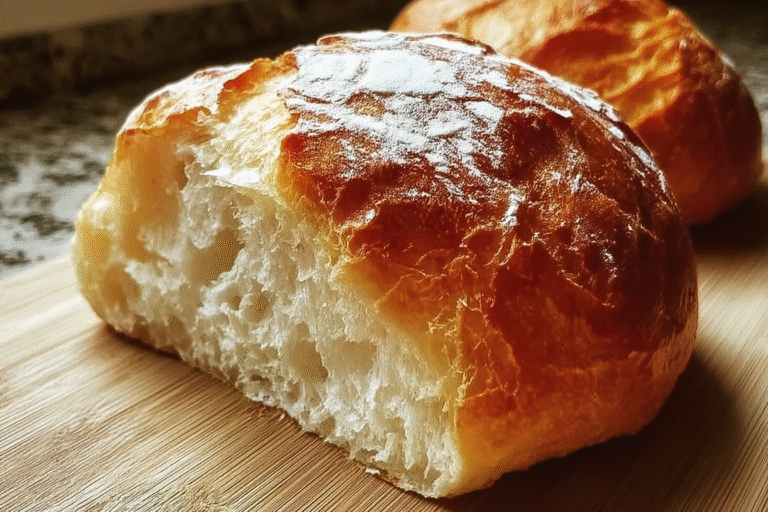
🍞 Experience the incredible satisfaction of baking your own fresh bread with this simple, foolproof recipe that delivers bakery-quality results
🥖 Fill your home with the irresistible aroma of freshly baked bread and enjoy warm, crusty loaves perfect for any meal
- Total Time: 3 hours
- Yield: 1 loaf (12 slices) 1x
Ingredients
3 cups all-purpose flour for structure and gluten
1 cup warm water for activating yeast
2 tablespoons sugar for feeding yeast
1 teaspoon salt for taste and controlling yeast
2 1/4 teaspoons active dry yeast for leavening
2 tablespoons olive oil for softness and richness
4 cups all-purpose flour for increasing yield
1 1/2 cups warm water for hydration
2 tsp salt for seasoning
1 tbsp sugar or honey for sweetening
1 packet instant yeast for faster activation
2 tbsp butter or oil for flavor
Seeds or herbs for nutrition and taste
Instructions
1-First Step: Activate the Yeast (Proofing) Measure 1 cup warm water at 110°F into a large bowl. Stir in 2 tablespoons sugar and 2 1/4 teaspoons active dry yeast. Let sit 5-10 minutes until foamy on top. This confirms yeast is alive. No foam? Replace yeast. Tip: Microwave water 10-15 seconds if needed, but check temperature with a thermometer for beginners.
2-Second Step: Mix the Dough Add 1 teaspoon salt and 2 tablespoons olive oil to the yeast mixture. Stir in 2 cups flour gradually with a wooden spoon. Mix until smooth, then add remaining 1 cup flour. Dough will be sticky at first. This builds hydration for airy crumb. Avoid rushing; lumps dissolve with stirring.
3-Third Step: Knead the Dough Turn dough onto a lightly floured surface. Knead 8-10 minutes, folding and pressing until smooth and elastic. It passes the windowpane test: stretch thin without tearing. Gluten development here creates structure. Hands-on fun for families; kids love helping. If sticky, add flour 1 tablespoon at a time.
4-Fourth Step: First Rise (Bulk Fermentation) Oil a clean bowl lightly. Place dough seam-side down, cover with damp cloth or plastic. Let rise in warm spot (75-85°F) for 1 hour until doubled. Oven with light on works great. Poke test: finger imprint stays. Patience pays off for volume.
5-Fifth Step: Shape the Loaf Punch down risen dough gently to release gas. Shape into loaf by folding edges under for tension. Place in greased 9×5-inch pan seam down. Cover and rise 30 minutes until nearly doubled. Score top lightly for even expansion. Preheat oven now to 375°F.
6-Final Step: Bake and Cool Bake 30-35 minutes until golden brown. Internal temp 190-200°F or hollow tap sound. Cool on wire rack 1 hour minimum. Slicing too soon steams interior. Enjoy warm or store. Yields one loaf, perfect for toast or soft homemade bread recipe uses.
Last Step:
Please leave a rating and comment letting us know how you liked this recipe! This helps our business to thrive and continue providing free, high-quality recipes for you.Notes
🌡️ For best results, use a kitchen thermometer to ensure water temperature is between 110-115°F for proper yeast activation
👐 Don’t add too much flour – the dough should be slightly sticky but manageable for the best texture
⏰ Let the bread cool completely before slicing for clean cuts and better flavor development
- Prep Time: 20 minutes
- Rising time: 2 hours
- Cook Time: 40 minutes
- Category: Bread
- Method: Baked
- Cuisine: American
- Diet: Vegetarian
Nutrition
- Serving Size: 1 slice
- Calories: 150
- Sugar: 2g
- Sodium: 290mg
- Fat: 3g
- Saturated Fat: 0.5g
- Unsaturated Fat: 2g
- Trans Fat: 0g
- Carbohydrates: 28g
- Fiber: 1g
- Protein: 4g
- Cholesterol: 0mg