
Why You’ll Love This Jambalaya
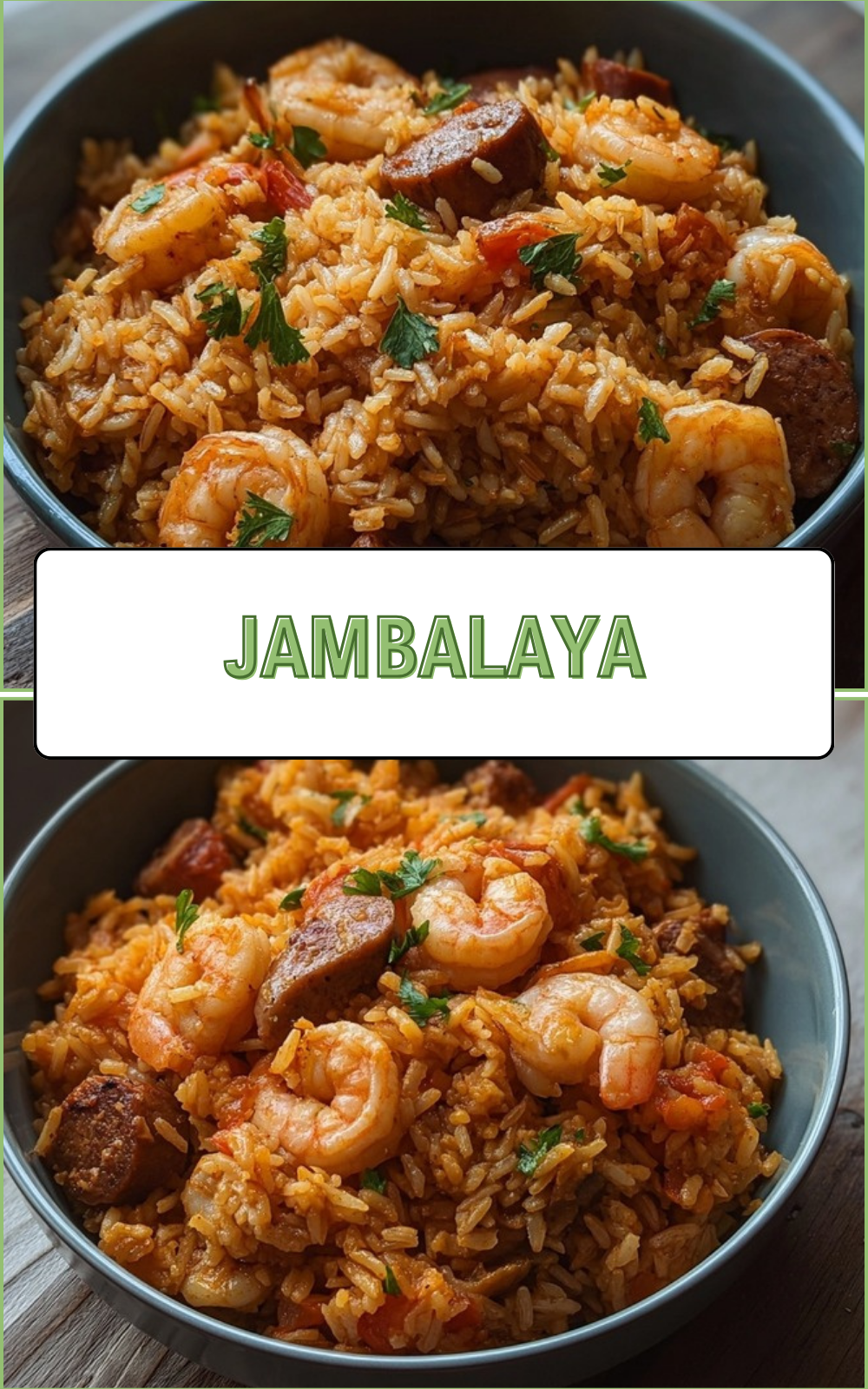
Jambalaya is the kind of meal that makes busy nights feel easier. It is a hearty one-pan dish packed with chicken, sausage, vegetables, and bold Cajun flavors, so you get a full dinner without a pile of dishes. This easy one pot jambalaya also comes together in about 55 minutes total, with 20 minutes of prep and 35 minutes of cooking, which makes it a smart pick for home cooks, parents, students, and anyone who wants a filling meal fast.
- Easy to make: Everything cooks in one large skillet with a fitted lid, so the steps stay simple and cleanup stays light.
- High in protein: With chicken and andouille sausage, this jambalaya delivers a filling meal that keeps you satisfied. Each serving has 45g protein.
- Full of vegetables: Onion, green onions, garlic, celery, bell pepper, and tomatoes add color, texture, and balance to the rice.
- Bold Cajun flavor: Cajun seasoning, basil, pepper, and a little cayenne bring the warm, smoky taste people love in classic jambalaya.
When you want a dinner that feels comforting, hearty, and practical, jambalaya is a great choice for both weeknights and casual gatherings.
This recipe also works well for meal prep, potlucks, and family dinners because it makes 6 servings and reheats nicely. If you enjoy easy comfort food with a little kick, this one is worth keeping in your regular rotation. For another comforting recipe idea, you can also browse our easy homemade banana bread recipe for a simple crowd-pleaser to make later in the week.
Jump to:
- Why You’ll Love This Jambalaya
- Essential Ingredients for Jambalaya
- Special Dietary Options
- How to Prepare the Perfect Jambalaya: Step-by-Step Guide
- First Step: Brown the chicken
- Second Step: Brown the sausage
- Third Step: Build the savory base
- Fourth Step: Season the mixture
- Fifth Step: Add the rice and broth
- Sixth Step: Return the meats and cook
- Final Step: Rest, fluff, and serve
- Dietary Substitutions to Customize Your Jambalaya
- Protein and Main Component Alternatives
- Vegetable, Sauce, and Seasoning Modifications
- Mastering Jambalaya: Advanced Tips and Variations
- Pro cooking techniques
- Flavor variations
- Presentation tips
- Make-ahead options
- How to Store Jambalaya: Best Practices
- FAQs: Frequently Asked Questions About Jambalaya
- What is jambalaya and what’s the main difference between jambalaya and gumbo?
- Can you substitute sausage in a jambalaya recipe?
- How do you add shrimp to jambalaya?
- Can you make jambalaya gluten-free?
- Can you cook jambalaya ahead and reheat it?
- Jambalaya
- Ingredients
- Instructions
- Last Step:
- Notes
- Nutrition
- Did you make this recipe?
Essential Ingredients for Jambalaya
Here is everything you need for this easy one pot jambalaya. The ingredients build a rich, savory base, and each one plays an important part in the final dish. If you need a different version, the substitutions section below can help.
- 1 tablespoon vegetable or canola oil – Helps brown the chicken and sausage without sticking.
- 1 pound andouille sausage, sliced into 1/4-inch slices – Adds smoky, spicy flavor and richness.
- 1.5 pounds boneless skinless chicken breasts, cut into bite-sized pieces – Brings lean protein and makes the dish hearty.
- 2 tablespoons butter – Adds flavor and helps create the roux-like base.
- 2 tablespoons flour – Thickens the sauce slightly and helps coat the vegetables.
- 1 chopped yellow or white onion – Builds the savory base flavor.
- 4 chopped green onions – Add freshness and a mild onion taste.
- 4 finely minced garlic cloves – Give the dish a deeper, savory aroma.
- 3 chopped celery ribs – Add classic Cajun texture and flavor.
- 1 chopped green bell pepper – Brings sweetness and color.
- 1.5 teaspoons basil – Adds a gentle herbal note.
- 1.5 teaspoons Cajun seasoning – Gives the dish its signature Cajun flavor.
- 1 teaspoon salt – Balances the flavors.
- 1/2 teaspoon ground black pepper – Adds mild heat and depth.
- 1/4 teaspoon cayenne pepper, optional – For extra spice if you want it.
- 1 14.5-ounce can diced tomatoes – Adds moisture, color, and tang.
- 2.5 cups chicken broth – Cooks the rice and brings everything together.
- 1.25 cups rice – Soaks up the broth and turns the dish into a complete meal.
Special Dietary Options
- Vegetarian: Skip the chicken and sausage, then use vegetable broth and extra vegetables like mushrooms or zucchini.
- Gluten-free: Use gluten-free flour instead of regular flour and check that your sausage and broth are labeled gluten-free.
- Lower calorie: Use less sausage, choose chicken breast only, or increase the vegetables while slightly reducing the rice.
- Milder flavor: Use Polska Kielbasa instead of andouille for a less spicy version.
If you like checking other comforting recipes while planning dinner, you may also enjoy our easy blackberry cobbler recipe for a simple sweet finish after a spicy meal.
| Recipe Details | Info |
|---|---|
| Servings | 6 |
| Total Time | 55 minutes |
| Prep Time | 20 minutes |
| Cook Time | 35 minutes |
| Style | One-pot Cajun dinner |
| Main Proteins | Chicken and andouille sausage |
How to Prepare the Perfect Jambalaya: Step-by-Step Guide
First Step: Brown the chicken
Heat 1 tablespoon vegetable or canola oil in a large skillet with a fitted lid over medium-high heat. Add the bite-sized chicken pieces and brown them on all sides. You do not want to cook them through at this stage, just give them color. This step adds flavor to the pan and helps build the base for the jambalaya.
Second Step: Brown the sausage
Remove the chicken to a plate, then add the sliced andouille sausage to the hot skillet. Brown it well so it picks up color and releases some of its smoky fat. Add the sausage to the chicken and keep both aside for later. This gives the finished dish a deeper, richer flavor.
Third Step: Build the savory base
Lower the heat to medium. Add the butter and flour to the skillet, then stir well while scraping up the browned bits from the bottom of the pan. Those bits add a lot of flavor. Next, add the chopped onion, minced garlic, celery, and green bell pepper. Cook for about 3 minutes, stirring often, until the vegetables start to soften and smell fragrant.
Fourth Step: Season the mixture
Stir in the basil, Cajun seasoning, diced tomatoes, salt, black pepper, and optional cayenne. Mix everything well so the vegetables get coated in the seasonings. This is where the jambalaya gets its bold, familiar flavor. If you like a milder pot, keep the cayenne out. If you want more heat, add a little extra at the end.
Fifth Step: Add the rice and broth
Pour in the chicken broth and add the rice. Stir everything together, then bring the mixture to a gentle boil. Make sure the rice is evenly distributed through the pot. At this point, the liquid should look well mixed and ready to simmer into a full meal.
Sixth Step: Return the meats and cook
Add the reserved chicken and sausage back into the skillet. Stir gently, then cover the pan with the fitted lid. Cook over medium to medium-low heat for 20 minutes. Keep the heat gentle so the rice cooks evenly and the bottom does not scorch. If you are using a different sausage, like turkey sausage or Polska Kielbasa, the timing stays the same.
Final Step: Rest, fluff, and serve
Once the 20 minutes are up, remove the skillet from the heat but keep it covered. Let it rest for 10 minutes so the rice finishes steaming. Then fluff the rice gently with a fork. Cover it again and let it sit for another 5 minutes before serving. This final rest helps the rice settle and keeps the texture light instead of sticky.
Good jambalaya needs a little patience at the end. The resting time helps the rice absorb the last bit of steam and brings the dish together.
For the best results, avoid stirring too much once the rice begins cooking. That helps keep the grains from breaking. If you enjoy recipes with a similar cozy, family-friendly feel, you might also like our homemade peach crisp recipe for an easy dessert idea after dinner.

Dietary Substitutions to Customize Your Jambalaya
Protein and Main Component Alternatives
One reason jambalaya works so well for busy households is how easy it is to adjust. You can swap the meat, change the broth, or go meatless without losing the heart of the dish. If you want a lighter version, use only chicken breast or reduce the sausage amount. Turkey sausage also works well if you want something leaner.
For a milder flavor, try Polska Kielbasa instead of andouille sausage. It still gives you that smoky feel but with less heat. If you want seafood, add jumbo shrimp with the rice during the last 10 to 15 minutes of cooking, or stir in cooked shrimp at the very end. You can also make a vegetarian jambalaya by leaving out the meats and using vegetable broth with extra vegetables.
Vegetable, Sauce, and Seasoning Modifications
The vegetables and seasonings are flexible too. If you do not have green bell pepper, use red or yellow bell pepper for a sweeter flavor. You can add okra, mushrooms, zucchini, or extra celery if you want more vegetables in the pot. For a richer tomato base, use fire-roasted diced tomatoes.
If you need a gluten-free jambalaya, use gluten-free flour in place of regular flour and check your broth and sausage labels. For a milder version, reduce the Cajun seasoning and leave out the cayenne. For a stronger Cajun taste, add a little extra seasoning or a pinch of smoked paprika. The recipe still works beautifully as long as you keep the rice, broth, and cooking time balanced.
Mastering Jambalaya: Advanced Tips and Variations
Pro cooking techniques
Brown the meat well at the start because that flavor carries through the whole pot. Do not skip scraping the browned bits when you add the butter and flour. That step helps build a deeper flavor without needing extra ingredients. Also, keep the rice at a gentle boil before covering the pan, then lower the heat so the liquid simmers softly.
If your stove runs hot, check the pot once or twice during cooking to make sure the rice is not sticking. A fitted lid matters because it traps steam and helps the rice cook evenly. If you need to stir, do it gently and only when needed.
Flavor variations
You can change the flavor profile in small ways without losing the spirit of the dish. Add shrimp for a seafood twist, or mix in chopped okra for extra Cajun style. Try a little smoked paprika if you want a deeper smoky note. Fresh parsley or extra green onions on top also add brightness.
Presentation tips
Serve jambalaya straight from the skillet for a rustic look. A few chopped green onions on top make the colors pop. If you want a little freshness on the side, a simple green salad or cornbread works well. This dish is hearty enough to stand on its own, but a light side can round out the meal.
Make-ahead options
You can cook jambalaya ahead, cool it fully, and store it in the fridge until you are ready to reheat it. That makes it a strong option for meal prep, potlucks, and busy weeknights. If you are looking for more make-ahead recipe ideas for later in the week, our easy icebox cake recipe is another simple favorite to keep in mind.
Nutrition per serving: 628 calories, 43g carbohydrates, 45g protein, 31g fat, 148mg cholesterol, 1222mg sodium, 1103mg potassium, 3g fiber, 4g sugar, 788 IU vitamin A, 28mg vitamin C, 81mg calcium, and 3mg iron.
| Nutrient | Amount per Serving |
|---|---|
| Calories | 628 |
| Carbohydrates | 43g |
| Protein | 45g |
| Fat | 31g |
| Fiber | 3g |
| Sodium | 1222mg |
How to Store Jambalaya: Best Practices
Jambalaya stores well, which makes it a practical meal for busy weeks. Let it cool completely before packing it away so the steam does not create extra moisture. Store leftovers in an airtight container in the refrigerator for up to 4 days.
For longer storage, freeze portions in freezer-safe containers or heavy freezer bags for up to 3 months. If you plan to freeze it, keep in mind that rice can soften a little after thawing, but the flavor still holds up well. When reheating, add a splash of broth or water to bring back moisture.
To reheat on the stovetop, warm it over medium heat with a little broth, stirring until hot. You can also reheat it in the microwave in covered portions. For a crockpot method, add a bit of extra broth and stir occasionally until heated through. This works especially well for batch cooking and make-ahead lunches.
If the rice looks a little dry after storing, a small splash of broth can bring the texture right back.
FAQs: Frequently Asked Questions About Jambalaya
What is jambalaya and what’s the main difference between jambalaya and gumbo?
Jambalaya is a hearty one-pot rice dish from Louisiana, featuring the Cajun holy trinity of onions, bell peppers, and celery, plus proteins like sausage, chicken, or shrimp, all cooked together with rice, tomatoes, and spices for bold flavors. Gumbo, by contrast, is a thicker stew with a roux base, the same holy trinity, and okra for thickening, typically served over separate rice. Jambalaya cooks rice in the pot for a complete meal, while gumbo is soupier. Both share roots in Creole and Cajun cuisine, but jambalaya suits potlucks and gumbo warmer evenings. Pro tip: Start with andouille sausage for authentic smoky heat. This distinction helps when choosing recipes—jambalaya for easy batch cooking. (98 words)
Can you substitute sausage in a jambalaya recipe?
Yes, swap sausage easily to match your taste or diet. Use mild Polska kielbasa, turkey sausage, or chorizo for spice; vegetarians can try plant-based links like Beyond Sausage. Keep 1-1.5 lbs for a standard recipe serving 6-8. Brown it first in the pot for flavor, then proceed with veggies and rice. Chicken or ham works too, but sausage adds fat for richness—add oil if leaner. Test mild for kids, spicy for heat lovers. This flexibility makes jambalaya forgiving; always season with Cajun blend, garlic, and thyme. Pairs well with cornbread—link to our sausage alternatives guide for more swaps. (102 words)
How do you add shrimp to jambalaya?
Add 1 lb peeled, deveined jumbo shrimp (raw or thawed) toward the end to avoid toughness. Stir in with rice and broth during the last 10-15 minutes of simmering, or sauté separately and fold in after cooking for plump texture. Use 16-20 count per pound for best size. Season shrimp with Cajun spice first. If pre-cooked, add in the final 2-3 minutes just to heat. Shrimp brings briny sweetness balancing sausage’s smoke—total protein per serving hits 25g. Watch for pink curl as doneness cue. Freezes well; see our shrimp storage tips for longer meal prep. (96 words)
Can you make jambalaya gluten-free?
Absolutely—jambalaya is naturally mostly gluten-free, but tweak the roux. Skip wheat flour; use 2 tbsp cornstarch, arrowroot, or gluten-free flour blend whisked into broth for thickening. Verify sausage and broth labels (many like Zatarain’s are GF). Rice, veggies, and proteins stay safe. Yields same creamy texture without grit. For 8 servings, this cuts carbs slightly too. Celiac-friendly and ready in 45 minutes stovetop. Test with a small batch. Pairs with our gluten-free cornbread recipe—link here for full adaptations. Over 70% of home cooks adapt classics like this successfully per food trend data. (92 words)
Can you cook jambalaya ahead and reheat it?
Yes, jambalaya tastes even better next day as flavors meld. Cook fully, cool, and fridge in airtight container up to 4 days or freeze 3 months. Reheat on stovetop over medium with 1/4 cup broth per 4 servings, stirring 10-15 minutes till 165°F internal. Slow cooker on low 2 hours works too—add broth to loosen. Microwave in portions, covered, 2-3 minutes per bowl. Avoid sogginess by undercooking rice slightly if prepping far ahead. Serves crowds perfectly; one pot feeds 8-10. Check our meal prep freezer guide for portion tips. (94 words)
Jambalaya
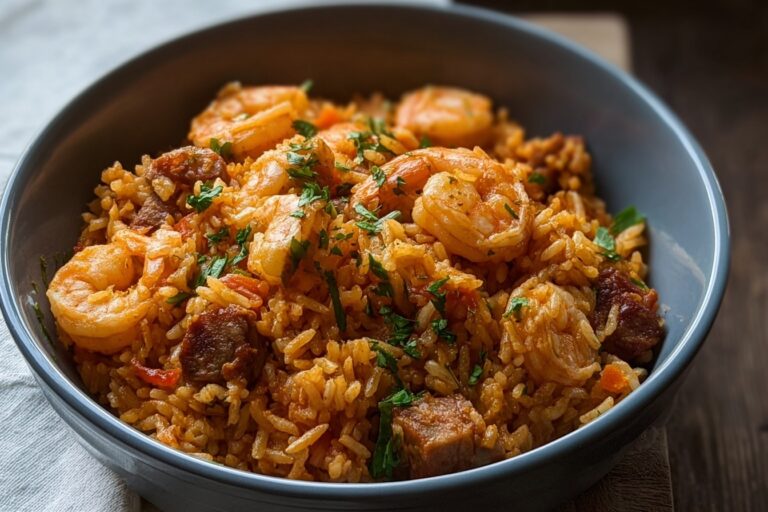
🍲 Hearty one-pot jambalaya bursting with chicken, sausage, rice, and bold Cajun spices – high-protein meal for 6, ready in 55 minutes with minimal cleanup!
🌶️ Packed with fresh veggies and customizable heat, it’s a flavorful family favorite perfect for weeknights or gatherings.
- Total Time: 55 minutes
- Yield: 6 servings
Ingredients
– 1 tablespoon vegetable or canola oil for browning the chicken and sausage without sticking
– 1 pound andouille sausage, sliced into 1/4-inch slices for smoky, spicy flavor and richness
– 1.5 pounds boneless skinless chicken breasts, cut into bite-sized pieces for lean protein and heartiness
– 2 tablespoons butter for flavor and creating the roux-like base
– 2 tablespoons flour for thickening the sauce slightly and coating the vegetables
– 1 chopped yellow or white onion for building the savory base flavor
– 4 chopped green onions for freshness and mild onion taste
– 4 finely minced garlic cloves for deeper, savory aroma
– 3 chopped celery ribs for classic Cajun texture and flavor
– 1 chopped green bell pepper for sweetness and color
– 1.5 teaspoons basil for gentle herbal note
– 1.5 teaspoons Cajun seasoning for signature Cajun flavor
– 1 teaspoon salt for balancing the flavors
– 1/2 teaspoon ground black pepper for mild heat and depth
– 1/4 teaspoon cayenne pepper, optional for extra spice
– 1 14.5-ounce can diced tomatoes for moisture, color, and tang
– 2.5 cups chicken broth for cooking the rice and bringing everything together
– 1.25 cups rice for soaking up the broth and completing the meal
Instructions
1-First Step: Brown the chicken Heat 1 tablespoon vegetable or canola oil in a large skillet with a fitted lid over medium-high heat. Add the bite-sized chicken pieces and brown them on all sides. You do not want to cook them through at this stage, just give them color. This step adds flavor to the pan and helps build the base for the jambalaya.
2-Second Step: Brown the sausage Remove the chicken to a plate, then add the sliced andouille sausage to the hot skillet. Brown it well so it picks up color and releases some of its smoky fat. Add the sausage to the chicken and keep both aside for later. This gives the finished dish a deeper, richer flavor.
3-Third Step: Build the savory base Lower the heat to medium. Add the butter and flour to the skillet, then stir well while scraping up the browned bits from the bottom of the pan. Those bits add a lot of flavor. Next, add the chopped onion, minced garlic, celery, and green bell pepper. Cook for about 3 minutes, stirring often, until the vegetables start to soften and smell fragrant.
4-Fourth Step: Season the mixture Stir in the basil, Cajun seasoning, diced tomatoes, salt, black pepper, and optional cayenne. Mix everything well so the vegetables get coated in the seasonings. This is where the jambalaya gets its bold, familiar flavor. If you like a milder pot, keep the cayenne out. If you want more heat, add a little extra at the end.
5-Fifth Step: Add the rice and broth Pour in the chicken broth and add the rice. Stir everything together, then bring the mixture to a gentle boil. Make sure the rice is evenly distributed through the pot. At this point, the liquid should look well mixed and ready to simmer into a full meal.
6-Sixth Step: Return the meats and cook Add the reserved chicken and sausage back into the skillet. Stir gently, then cover the pan with the fitted lid. Cook over medium to medium-low heat for 20 minutes. Keep the heat gentle so the rice cooks evenly and the bottom does not scorch. If you are using a different sausage, like turkey sausage or Polska Kielbasa, the timing stays the same.
7-Final Step: Rest, fluff, and serve Once the 20 minutes are up, remove the skillet from the heat but keep it covered. Let it rest for 10 minutes so the rice finishes steaming. Then fluff the rice gently with a fork. Cover it again and let it sit for another 5 minutes before serving. This final rest helps the rice settle and keeps the texture light instead of sticky.
Last Step:
Please leave a rating and comment letting us know how you liked this recipe! This helps our business to thrive and continue providing free, high-quality recipes for you.Notes
🌾 Swap regular flour for gluten-free to make it GF-friendly.
🦐 Add jumbo shrimp with the rice or cooked shrimp at the end for a seafood twist.
🍲 Prepare ahead, refrigerate, and reheat in a crockpot with extra broth for easy meals.
- Prep Time: 20 minutes
- Cook Time: 35 minutes
- Category: Main Course
- Method: One Pot
- Cuisine: Cajun
- Diet: High-Protein
Nutrition
- Serving Size: 1 serving
- Calories: 628 kcal
- Sugar: 4 g
- Sodium: 1222 mg
- Fat: 31 g
- Saturated Fat: 10 g
- Unsaturated Fat: 17 g
- Trans Fat: 0.4 g
- Carbohydrates: 43 g
- Fiber: 3 g
- Protein: 45 g
- Cholesterol: 148 mg