
Why You’ll Love This Japanese Pancakes
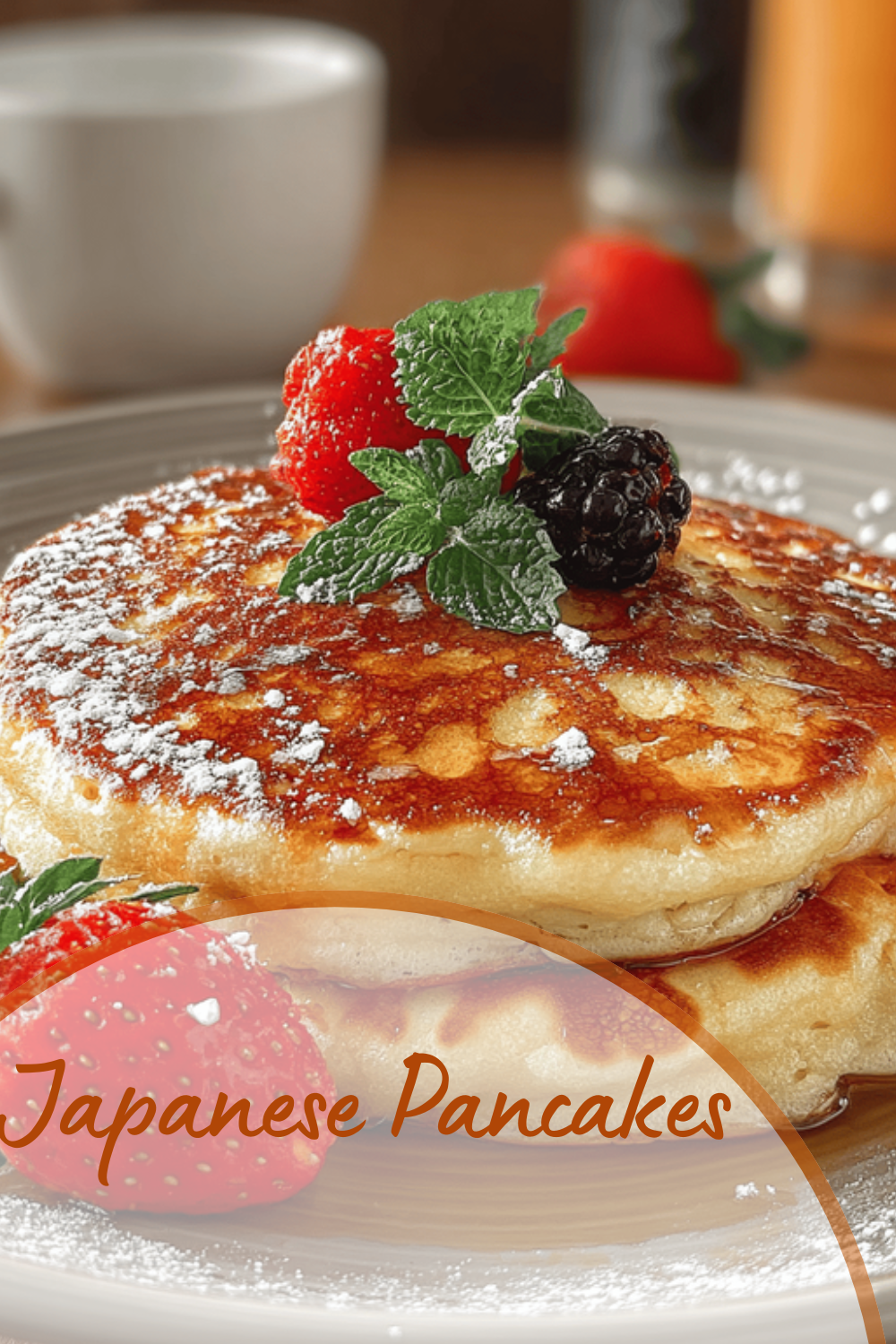
Imagine starting your day with something light and airy that feels like a little cloud on your plate. Japanese pancakes bring that joy, offering a soufflé-style treat packed with fluffiness and a sweet taste that keeps you coming back. Not only are they simple to whip up, but they also fit into busy schedules without a hassle.
One reason you’ll adore this recipe is its ease of preparation, making it perfect for busy mornings or quick snacks. These pancakes boast health benefits too, with low-calorie options and wholesome ingredients that support your wellness goals. Plus, they’re versatile for all kinds of diets, including vegan and gluten-free swaps, so everyone can enjoy the fun.
What sets Japanese pancakes apart is their distinctive flavor and texture, providing a unique twist on your everyday breakfast. I remember my first try in the kitchen when these fluffy stacks rose high, and it felt like magic now, it’s my go-to for making ordinary days feel special. Whether you’re a home cook or a baking enthusiast, this recipe will quickly become a favorite in your routine.
Jump to:
- Why You’ll Love This Japanese Pancakes
- Essential Ingredients for Japanese Pancakes
- For the Yolks:
- For the Whites:
- How to Prepare the Perfect Japanese Pancakes: Step-by-Step Guide
- Dietary Substitutions to Customize Your Japanese Pancakes
- Mastering Japanese Pancakes: Advanced Tips and Variations
- How to Store Japanese Pancakes: Best Practices
- FAQs: Frequently Asked Questions About Japanese Pancakes
- Why are my Japanese pancakes flat instead of fluffy?
- How do I properly whip egg whites for Japanese pancakes?
- Can I prepare Japanese pancakes in advance?
- What can I use instead of cream of tartar when making Japanese pancakes?
- What makes Japanese soufflé pancakes different from regular pancakes?
- Japanese Pancakes
- Ingredients
- Instructions
- Last Step:
- Notes
- Nutrition
- Did you make this recipe?
Essential Ingredients for Japanese Pancakes
When it comes to creating those signature fluffy Japanese pancakes, the ingredients are key to getting the perfect rise and taste. Based on the detailed recipe, we’ll break it down into clear groups to make it straightforward. Remember, using precise measurements ensures your pancakes come out light and airy every time.
For the Yolks:
- 1 egg yolk (18g)
- 1 tablespoon sugar (12g)
- 2 tablespoons milk (30g)
- 3 tablespoons flour (30g)
- 1/4 teaspoon baking powder (1g)
For the Whites:
- 2 large egg whites (60g)
- 1/8 teaspoon cream of tartar (0.4g)
- 1.5 tablespoons sugar (18g)
This setup keeps things simple yet effective, pulling from the traditional recipe to build that jiggly texture we love. For special needs, you can adapt with vegan swaps or gluten-free flour, but stick to these basics for the best results.
How to Prepare the Perfect Japanese Pancakes: Step-by-Step Guide
Getting those tall, fluffy Japanese pancakes just right is all about following simple steps with care. Start by gathering everything you need, like a clean bowl and a non-stick pan, to keep things smooth. This guide draws from proven methods to help you achieve that perfect texture, much like preparing other easy home recipes.
First, grab a bowl and whisk 1 egg yolk (18g) with 1 tablespoon sugar (12g) until it’s pale and frothy. Next, stir in 2 tablespoons milk (30g) gradually, then sift 3 tablespoons flour (30g) and 1/4 teaspoon baking powder (1g) over the mix and whisk until smooth don’t rush this to keep it airy. In another clean bowl, whip 2 large egg whites (60g) with 1/8 teaspoon cream of tartar (0.4g) until frothy, then add 1.5 tablespoons sugar (18g) slowly while whipping to form a glossy meringue with stiff peaks.
Now, fold one-third of the meringue into the yolk mixture gently, then add the rest in batches to avoid deflating the batter this step is crucial for that light feel. Heat your non-stick pan on low, oil it lightly, and scoop in about 1/4 to 1/2 cup of batter per pancake, cover, and cook for 4-5 minutes. Add more batter on top, cover again for another 4-5 minutes, then flip carefully and cook covered for 5-6 minutes until golden.
Serve them right away with toppings like butter or maple syrup, and remember they’ll deflate as they cool that’s normal! For adaptations, swap in plant-based milk and flaxseed eggs for vegan versions, or use gluten-free flour blends to keep it inclusive.

Dietary Substitutions to Customize Your Japanese Pancakes
Making Japanese pancakes fit your lifestyle is a breeze with a few smart swaps. Whether you’re going vegan or cutting calories, these changes keep the fluffiness intact while adding your personal touch. It’s all about experimenting in the kitchen to match what works for you.
For protein and main components, swap eggs with flaxseed or chia seed mixes to go vegan it’s a game-changer for plant-based eaters. Use almond, soy, or oat milk instead of regular milk for dairy-free options that still make the batter creamy. When it comes to vegetables and seasonings, toss in shredded zucchini or carrots for a nutrient boost, and switch sweet syrups with fruit compotes or try vanilla extract for a flavor twist.
This flexibility means you can enjoy Japanese pancakes no matter your diet, turning a simple recipe into something tailored just for you like when I added matcha for a fun green version that wowed my friends at brunch!
Mastering Japanese Pancakes: Advanced Tips and Variations
Once you’re comfortable with the basics, leveling up your Japanese pancakes adds even more excitement. Start with pro cooking techniques like using low heat and a lid to trap steam, which helps them rise tall and stay fluffy just like the experts suggest. For flavor variations, mix in matcha, cocoa powder, or fruit purees to create unique twists that surprise your taste buds.
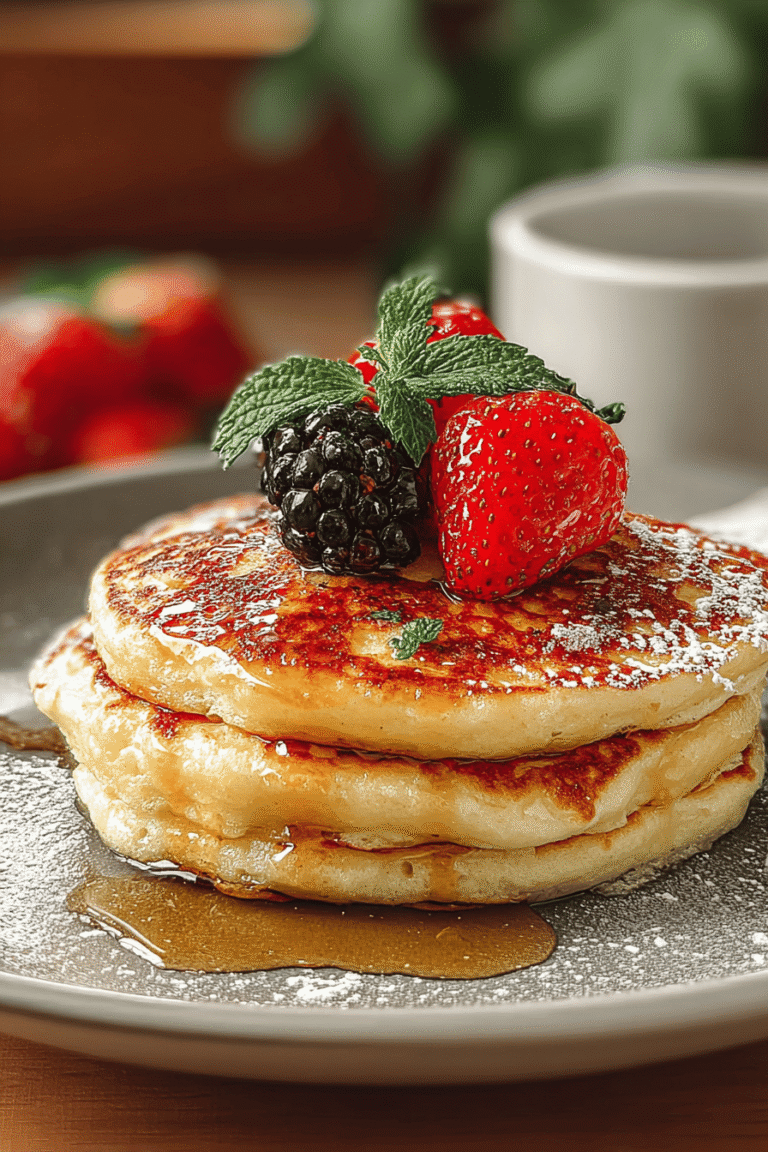
Presentation is key too, so stack your pancakes high and dust them with powdered sugar or top with fresh berries for a stunning look. If you’re prepping ahead, make the batter the night before and store it in the fridge for easy mornings. These tips, combined with the recipe’s original advice like using clean bowls for whipping egg whites, ensure your pancakes turn out perfectly every time.
Here’s a quick table to sum up some variations for easy reference:
| Variation | Ingredient Swap | Benefit |
|---|---|---|
| Matcha Flavor | Add 1 teaspoon matcha powder to batter | Earthy, vibrant green color |
| Fruit-Infused | Mix in 2 tablespoons fruit puree | Extra sweetness and moisture |
| Vegan Option | Use flaxseed mix for eggs | Suitable for plant-based diets |
How to Store Japanese Pancakes: Best Practices
Keeping your Japanese pancakes fresh is important, especially since they lose their fluff quickly. Store them in an airtight container in the fridge for up to 2 days to maintain that soft texture. For longer storage, wrap each one in plastic and pop them in a freezer-safe bag they’ll last about a month.
When it’s time to reheat, use a toaster or a skillet on low heat to bring back that warmth without drying them out. This makes meal prep simple, so you can have a quick breakfast ready on busy days. Remember, these pancakes are best enjoyed fresh, but with these tips, you won’t waste a bite.
FAQs: Frequently Asked Questions About Japanese Pancakes
Why are my Japanese pancakes flat instead of fluffy?
Flat Japanese pancakes usually result from underwhipped egg whites or overmixing the batter. For fluffy pancakes, egg whites need to be whipped until they form stiff, glossy peaks to create a stable meringue. When folding the meringue into the yolk batter, do so gently to avoid deflating the air pockets. Using cream of tartar or a small amount of lemon juice can help stabilize the egg whites. Avoid overmixing to maintain the light, airy texture that is key to these pancakes.
How do I properly whip egg whites for Japanese pancakes?
Start with clean, dry utensils and separate eggs carefully to avoid yolk contamination. Use a glass or metal bowl and whisk the egg whites on medium speed. Add a pinch of cream of tartar or lemon juice to stabilize the mixture. Whip until stiff, glossy peaks form—when the mixture holds its shape without drooping. This step is crucial for achieving the signature fluffiness and jiggly texture of Japanese pancakes.
Can I prepare Japanese pancakes in advance?
It is not recommended to make Japanese pancakes ahead of time because they tend to lose their volume and become dense as they cool. The delicate air bubbles in the batter deflate quickly, causing the pancakes to collapse. For the best texture and taste, serve Japanese pancakes immediately after cooking while they are still warm and fluffy.
What can I use instead of cream of tartar when making Japanese pancakes?
Cream of tartar helps stabilize egg whites, but if you don’t have it, you can substitute with a few drops of lemon juice or white vinegar per egg white. While these alternatives aid in stabilizing the meringue, the pancakes may not be quite as fluffy. Be sure not to add too much acid, as it can alter the flavor slightly.
What makes Japanese soufflé pancakes different from regular pancakes?
Japanese soufflé pancakes stand out because of their light, airy texture achieved by folding whipped egg whites into the batter, much like a soufflé. Unlike regular pancakes, which rely on baking powder or soda, soufflé pancakes depend on the meringue for rise and softness. This results in tall, jiggly pancakes that are tender and melt in your mouth. They are typically cooked slowly over low heat to prevent browning and retain moisture.
Japanese Pancakes
🥞 These Japanese Pancakes Soufflé are incredibly fluffy and light, offering a unique airy texture that feels like a cloud in every bite.
🍯 They make a delightful breakfast or dessert option, perfect for impressing guests or treating yourself to a special homemade delicacy.
- Total Time: 30 minutes
- Yield: 4-6 pancakes
Ingredients
– 1 egg yolk (18g)
– 1 tablespoon sugar (12g)
– 2 tablespoons milk (30g)
– 3 tablespoons flour (30g)
– 1/4 teaspoon baking powder (1g)
– 2 large egg whites (60g)
– 1/8 teaspoon cream of tartar (0.4g)
– 1.5 tablespoons sugar (18g)
Instructions
1-First, grab a bowl and whisk 1 egg yolk (18g) with 1 tablespoon sugar (12g) until it’s pale and frothy.
2-Next, stir in 2 tablespoons milk (30g) gradually, then sift 3 tablespoons flour (30g) and 1/4 teaspoon baking powder (1g) over the mix and whisk until smooth don’t rush this to keep it airy.
3-In another clean bowl, whip 2 large egg whites (60g) with 1/8 teaspoon cream of tartar (0.4g) until frothy, then add 1.5 tablespoons sugar (18g) slowly while whipping to form a glossy meringue with stiff peaks.
4-Now, fold one-third of the meringue into the yolk mixture gently, then add the rest in batches to avoid deflating the batter this step is crucial for that light feel.
5-Heat your non-stick pan on low, oil it lightly, and scoop in about 1/4 to 1/2 cup of batter per pancake, cover, and cook for 4-5 minutes.
6-Add more batter on top, cover again for another 4-5 minutes, then flip carefully and cook covered for 5-6 minutes until golden.
7-Serve them right away with toppings like butter or maple syrup, and remember they’ll deflate as they cool that’s normal!
Last Step:
Please leave a rating and comment letting us know how you liked this recipe! This helps our business to thrive and continue providing free, high-quality recipes for you.Notes
🥄 Use clean, grease-free bowls and utensils for whipping egg whites to achieve stiff peaks.
🔥 Cook on low heat with a lid to generate steam for extra fluffiness, adding batter in layers for height.
⏰ Serve immediately as these pancakes will deflate when cooled.
- Prep Time: 15 minutes
- Cook Time: 15 minutes
- Category: Breakfast
- Method: Whipping and pan-frying
- Cuisine: Japanese
- Diet: Vegetarian
Nutrition
- Serving Size: 1-2 pancakes
- Calories: 303
- Sugar: 32g
- Sodium: 91mg
- Fat: 5.5g
- Saturated Fat: 2g
- Carbohydrates: 51.3g
- Fiber: 0.7g
- Protein: 13.3g
- Cholesterol: 212mg