
Why You Will Love This Japanese Soba Noodles Recipe
If you need a fast, tasty meal that fits into a busy day, Japanese Soba Noodles are a great choice. This simple dish comes together in about 15 minutes, and it has the kind of balance that makes it feel satisfying without being heavy. It is the kind of recipe I like to make when I want something fresh, quick, and full of flavor.
- Easy to make: The noodles cook in about 4 to 5 minutes, and the sauce comes together in one bowl. That makes Japanese soba noodles perfect for busy parents, students, and working professionals who want dinner fast.
- Light but filling: Buckwheat soba noodles have a hearty bite and a naturally nutty taste, so this dish feels comforting while still staying light enough for lunch, a side dish, or a simple dinner.
- Flexible for many diets: This recipe is naturally vegan, plant-based, dairy-free, and can be gluten-free if you choose 100% buckwheat soba noodles. It also works well with tofu, eggs, shrimp, salmon, or vegetables.
- Bright, savory flavor: The mix of soy sauce, toasted sesame oil, rice vinegar, miso, garlic, and a little honey gives these Japanese Soba Noodles a deep savory taste with just the right touch of sweetness.
When a recipe is this fast and this flexible, it is easy to keep the ingredients on hand and make it again and again.
For another easy dish that pairs well with a quick meal plan, you may also like this simple banana bread recipe for a make-ahead treat.
Jump to:
- Why You Will Love This Japanese Soba Noodles Recipe
- Essential Ingredients for Japanese Soba Noodles
- Optional Add-Ins to Make It a Meal
- Special Dietary Options
- How to Prepare the Perfect Japanese Soba Noodles: Step-by-Step Guide
- Step 1: Cook the noodles the right way
- Step 2: Make the sauce
- Step 3: Prepare the green onions
- Step 4: Bring everything together
- Step 5: Finish and serve
- Dietary Substitutions to Customize Your Japanese Soba Noodles
- Protein and Main Component Alternatives
- Vegetable, Sauce, and Seasoning Modifications
- Mastering Japanese Soba Noodles: Advanced Tips and Variations
- Pro cooking techniques
- Flavor variations
- Presentation tips
- Make-ahead options
- How to Store Japanese Soba Noodles: Best Practices
- FAQs: Frequently Asked Questions About Japanese Soba Noodles
- What are Japanese soba noodles made of?
- What’s the difference between soba noodles and pasta?
- Are soba noodles gluten-free?
- How do you cook Japanese soba noodles?
- Can you make soba noodle dishes ahead of time?
- Japanese Soba Noodles
- Ingredients
- Instructions
- Last Step:
- Notes
- Nutrition
- Did you make this recipe?
Essential Ingredients for Japanese Soba Noodles
These Japanese Soba Noodles use a short list of pantry-friendly ingredients, which is part of why the recipe works so well on a weeknight. Every item plays a role in building the flavor, texture, and color of the finished dish.
- 8 ounces soba noodles – The base of the recipe. Look for soba made with buckwheat for that classic nutty taste.
- 1/4 cup regular soy sauce – Adds the savory, salty backbone of the sauce. Tamari or coconut aminos can be used instead.
- 3 tablespoons toasted sesame oil – Gives the dish a rich, nutty aroma and helps coat the noodles beautifully.
- 2 tablespoons rice vinegar – Brings brightness and a little tang to balance the sauce.
- 1 tablespoon honey or maple syrup – Adds a touch of sweetness to round out the salty and tangy flavors.
- 1 tablespoon miso – White or yellow miso deepens the sauce with extra umami.
- 1 teaspoon grated garlic – Adds a fresh, savory bite that gives the noodles more character.
- 4 green onions – Slice these thinly for freshness, color, and a mild onion flavor.
- Sriracha, to taste – Optional, for anyone who wants a little heat.
- Toasted sesame seeds, for garnish – Add crunch and a nice finishing touch.
Optional Add-Ins to Make It a Meal
If you want to turn these Japanese soba noodles into a fuller meal, add one of these:
- Fried egg
- Soft-boiled egg
- Pan-fried tofu
- Marinated tofu
- Baked tofu
- Pan-fried shrimp
- Seared scallops
- Salmon
- Stir-fried vegetables
- Cucumbers
- Carrots
- Avocado
Special Dietary Options
Vegan: Use maple syrup instead of honey. The base recipe is already vegan-friendly.
Gluten-free: Choose soba noodles made from 100% buckwheat and check the package label carefully.
Low-calorie: Keep the sauce light, skip the Sriracha if desired, and add extra vegetables for volume.
| Ingredient | Role in the Dish | Swap Option |
|---|---|---|
| Soba noodles | Main base | 100% buckwheat soba for gluten-free needs |
| Soy sauce | Salt and umami | Tamari or coconut aminos |
| Honey | Sweetness | Maple syrup |
| Miso | Depth and umami | Pinch of extra salt if omitted |
For a dessert idea to serve after a Japanese-inspired meal, try this lemon cream pie recipe.
How to Prepare the Perfect Japanese Soba Noodles: Step-by-Step Guide
Step 1: Cook the noodles the right way
Bring a pot of water to a boil and cook the 8 ounces soba noodles according to the package instructions, which usually takes about 4 to 5 minutes. Keep an eye on them because soba noodles cook quickly, and overcooking can make them soft and sticky. Stir gently while they cook so they do not clump together.
Once the noodles are done, drain them right away in a strainer. Rinse them under cool running water while tossing them with your hands or a utensil to remove the starch. This step matters because it keeps the noodles from becoming gummy. Shake off the extra water well.
Step 2: Make the sauce
In a medium bowl, whisk together the 1/4 cup soy sauce, 3 tablespoons toasted sesame oil, 2 tablespoons rice vinegar, 1 tablespoon honey or maple syrup, 1 tablespoon miso, and 1 teaspoon grated garlic. Whisk until the miso breaks down and the sauce looks smooth. If you like a little heat, add Sriracha to taste.
This sauce is simple, but it has a lot going on. The soy sauce brings salt, the sesame oil brings richness, the vinegar adds freshness, the sweetener softens the sharp edges, and the miso gives the sauce more depth.
Step 3: Prepare the green onions
Thinly slice the 4 green onions on the bias, using both the white and dark green parts. Slicing them at an angle gives the noodles a nicer look and helps release a bit more flavor. If you want a stronger onion taste, save some of the darker green tops for garnish.
Step 4: Bring everything together
Return the rinsed noodles to the pan or a large bowl. Stir in the sauce and the green onions until the noodles are coated evenly. If the noodles seem a little dry, add a tiny splash of water to help the sauce spread more easily. Taste and adjust with a bit more soy sauce or Sriracha if needed.
At this point, you can serve the noodles at room temperature, cold, or warm them briefly under warm water if you want a softer temperature. This flexibility makes Japanese soba noodles especially useful for quick lunches or warm-weather meals.
Step 5: Finish and serve
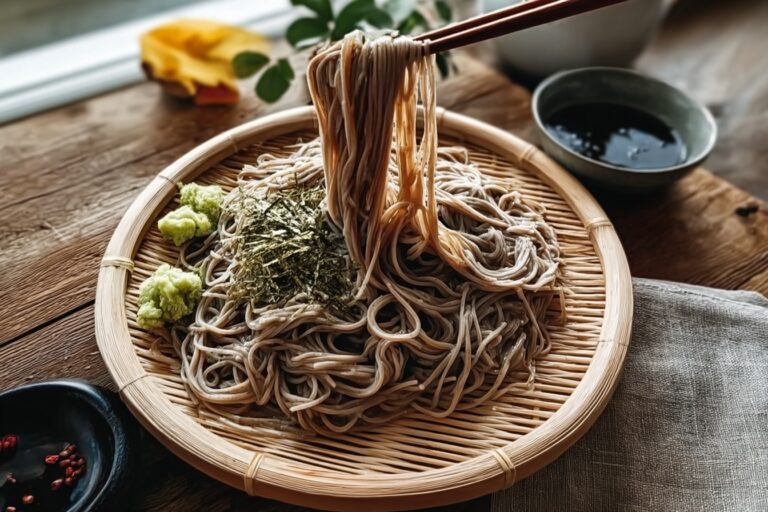
Spoon the noodles into serving bowls and top with toasted sesame seeds. If you want to make the dish more filling, add a fried egg, soft-boiled egg, tofu, shrimp, salmon, or fresh vegetables like cucumbers, carrots, or avocado.
For the best texture, rinse soba noodles as soon as they finish cooking. That one habit makes a huge difference.

Dietary Substitutions to Customize Your Japanese Soba Noodles
Protein and Main Component Alternatives
One of the best things about Japanese Soba Noodles is how easy they are to adapt. If you want more protein, pan-fried tofu, marinated tofu, baked tofu, shrimp, scallops, salmon, or eggs all work well. These options make the dish feel more complete without changing the cooking method much.
For a fully plant-based bowl, stick with tofu and vegetables. For a pescatarian version, add salmon, shrimp, or scallops. If you are packing leftovers for lunch, tofu and vegetables hold up especially well.
Vegetable, Sauce, and Seasoning Modifications
You can also change the vegetables based on the season or what you already have in the fridge. Stir-fried vegetables, cucumbers, carrots, and avocado all fit nicely with the nutty, savory flavor of soba noodles. Cucumber adds crunch, carrots add color, and avocado adds creaminess.
If you do not have miso, add a pinch of extra salt to the sauce. If you want a sweeter finish, use maple syrup instead of honey. If you do not eat soy, tamari or coconut aminos make useful swaps for the soy sauce. These simple changes let you keep the same style of dish while matching your needs.
Mastering Japanese Soba Noodles: Advanced Tips and Variations
Pro cooking techniques
Use plenty of water when cooking soba so the noodles have room to move. Stir gently in the first minute to keep them from sticking. If you want the best texture, rinse them right away and shake off as much water as possible before mixing with the sauce. You can also taste different brands of soba noodles to find the texture you like best, since some are firmer and some are softer.
Flavor variations
For a bolder version, add a little more Sriracha or a splash of extra soy sauce. For a softer, slightly sweeter bowl, increase the honey or maple syrup by a small amount. If you want more depth, lightly toast the sesame seeds in a pan for about 3 minutes before using them. That quick step brings out a warm, nutty taste that works so well with Japanese soba noodles.
Presentation tips
Serve the noodles in wide bowls so the sauce and toppings are easy to see. Sprinkle sesame seeds over the top, then add sliced green onions and your chosen protein or vegetables. A neat pile of cucumbers, carrots, or avocado on one side of the bowl makes the dish look fresh and inviting.
Make-ahead options
The sauce can be made up to 3 days in advance and kept in the refrigerator. You can also cook the noodles ahead of time, but they are best when freshly made. If you do store them, keep them cold and re-rinse before serving. This makes the recipe very handy for meal prep, travel lunches, or quick weeknight dinners.
How to Store Japanese Soba Noodles: Best Practices
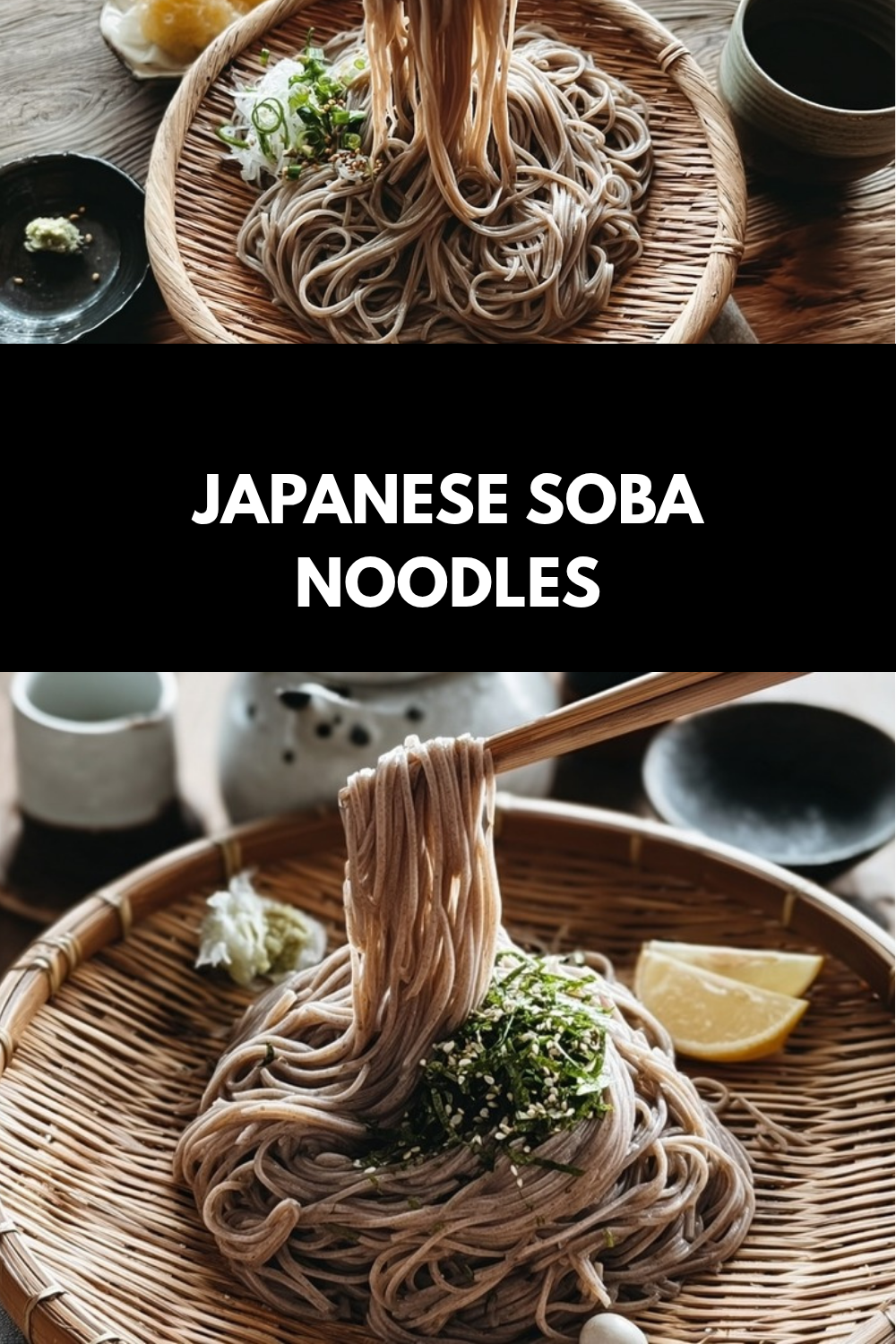
Leftover Japanese Soba Noodles keep well, which is another reason this recipe works so nicely for busy schedules. Store them in an airtight container in the refrigerator for up to 3 days. They taste good cold or at room temperature, so you may not even need to reheat them.
If the noodles seem a little dry after chilling, add a tiny splash of water or a little extra sauce before serving. The sauce can also be stored separately for a fresher texture. Freezing is not the best choice for cooked soba because the noodles can lose their texture, but the sauce can be frozen in a small container if needed.
For meal prep, keep the noodles, sauce, and toppings separate until you are ready to eat. That helps the noodles stay springy and keeps vegetables crisp. If you plan to add tofu, eggs, shrimp, or salmon, store those toppings in separate containers too.
FAQs: Frequently Asked Questions About Japanese Soba Noodles
What are Japanese soba noodles made of?
Japanese soba noodles are primarily made from buckwheat flour, which gives them a distinct nutty flavor and grayish-brown color. Traditional soba uses 100% buckwheat, but many commercial versions blend it with wheat flour (often 80% buckwheat and 20% wheat) for better texture and easier handling. Buckwheat is naturally gluten-free and packed with nutrients like protein, fiber, magnesium, and antioxidants. When shopping, check labels for “juwari soba” (100% buckwheat) if you want pure buckwheat. This simple ingredient list makes soba a staple in Japanese cuisine, served hot in winter broths or cold with dipping sauce in summer. Prep tip: Always rinse cooked soba under cold water to remove excess starch and prevent sticking. (92 words)
What’s the difference between soba noodles and pasta?
Soba noodles and regular pasta differ in ingredients, texture, and preparation. Soba is made from buckwheat flour (with or without wheat), offering a nutty, earthy taste and slightly chewy, delicate texture. Pasta is wheat-based (durum semolina), milder in flavor, and firmer. Soba cooks faster (3-5 minutes) and must be rinsed after boiling to wash away starch, while pasta doesn’t. Nutritionally, soba has more protein, fiber, and minerals from buckwheat. In Japanese meals, soba is often served cold (zaru soba) or in light broths, unlike pasta’s hearty sauces. For best results, avoid overcooking soba to maintain its springy bite. (98 words)
Are soba noodles gluten-free?
Not all soba noodles are gluten-free—many contain wheat flour blended with buckwheat for elasticity, making them unsuitable for gluten-sensitive diets. Opt for “100% buckwheat soba” or “juwari soba,” clearly labeled as gluten-free. These pure versions are naturally gluten-free since buckwheat is a seed, not a grain, and provide about 6-8 grams of protein per serving without gluten. Check for cross-contamination warnings, especially in shared facilities. They’re widely available online or in Asian markets. Cooking note: Pure buckwheat soba can be fragile, so cook in plenty of boiling water and rinse immediately. Pair with veggies and tofu for a gluten-free meal. (102 words)
How do you cook Japanese soba noodles?
To cook soba noodles perfectly: Boil 4 quarts of water per 8 oz of noodles (no salt needed). Add soba and stir gently to prevent sticking—cook 3-5 minutes until al dente (test by biting; they firm up when cooled). Drain immediately and rinse under cold running water for 30-60 seconds to remove starch, stopping the cooking and improving texture. For hot soba, briefly dip in hot water post-rinse; for cold, plunge into ice water. Shake off excess water before serving. Common mistake: Overcrowding the pot—cook in batches if needed. This method yields slippery, bouncy noodles ideal for dipping sauces or soups. Yields 2-4 servings. (108 words)
Can you make soba noodle dishes ahead of time?
Yes, but handle components separately for best results. Prepare sauces or broths up to 3 days ahead and refrigerate in airtight containers—they develop deeper flavors. Cook noodles fresh right before serving to preserve their tender, springy texture; pre-cooked soba gets mushy. For cold dishes like zaru soba, assemble toppings (scallions, wasabi, nori) in advance. If meal-prepping, store cooked, rinsed noodles in water in the fridge for up to 1 day, then drain and re-rinse before use. Reheat gently in hot broth to avoid sogginess. This approach keeps dishes restaurant-quality. Pro tip: Freeze dry noodles for longer storage, then boil as usual. (105 words)
Japanese Soba Noodles
🍜 Savor authentic Japanese flavors with this quick soba noodles recipe that’s ready in just minutes for a fresh and zesty side dish!
🥢 Easily customize with proteins or veggies to turn it into a complete, healthy vegan meal packed with umami goodness!
- Total Time: 15 minutes
- Yield: 4 servings
Ingredients
– 8 ounces soba noodles
– 1/4 cup regular soy sauce
– 3 tablespoons toasted sesame oil
– 2 tablespoons rice vinegar
– 1 tablespoon honey or maple syrup
– 1 tablespoon miso
– 1 teaspoon grated garlic
– 4 green onions
– Sriracha, to taste
– Toasted sesame seeds, for garnish
Instructions
1-Step 1: Cook the noodles the right way. Bring a pot of water to a boil and cook the 8 ounces soba noodles according to the package instructions, which usually takes about 4 to 5 minutes. Keep an eye on them because soba noodles cook quickly, and overcooking can make them soft and sticky. Stir gently while they cook so they do not clump together. Once the noodles are done, drain them right away in a strainer. Rinse them under cool running water while tossing them with your hands or a utensil to remove the starch. This step matters because it keeps the noodles from becoming gummy. Shake off the extra water well.
2-Step 2: Make the sauce. In a medium bowl, whisk together the 1/4 cup soy sauce, 3 tablespoons toasted sesame oil, 2 tablespoons rice vinegar, 1 tablespoon honey or maple syrup, 1 tablespoon miso, and 1 teaspoon grated garlic. Whisk until the miso breaks down and the sauce looks smooth. If you like a little heat, add Sriracha to taste. This sauce is simple, but it has a lot going on. The soy sauce brings salt, the sesame oil brings richness, the vinegar adds freshness, the sweetener softens the sharp edges, and the miso gives the sauce more depth.
3-Step 3: Prepare the green onions. Thinly slice the 4 green onions on the bias, using both the white and dark green parts. Slicing them at an angle gives the noodles a nicer look and helps release a bit more flavor. If you want a stronger onion taste, save some of the darker green tops for garnish.
4-Step 4: Bring everything together. Return the rinsed noodles to the pan or a large bowl. Stir in the sauce and the green onions until the noodles are coated evenly. If the noodles seem a little dry, add a tiny splash of water to help the sauce spread more easily. Taste and adjust with a bit more soy sauce or Sriracha if needed. At this point, you can serve the noodles at room temperature, cold, or warm them briefly under warm water if you want a softer temperature. This flexibility makes Japanese soba noodles especially useful for quick lunches or warm-weather meals.
5-Step 5: Finish and serve. Spoon the noodles into serving bowls and top with toasted sesame seeds. If you want to make the dish more filling, add a fried egg, soft-boiled egg, tofu, shrimp, salmon, or fresh vegetables like cucumbers, carrots, or avocado.
Last Step:
Please leave a rating and comment letting us know how you liked this recipe! This helps our business to thrive and continue providing free, high-quality recipes for you.Notes
💧 Rinse soba noodles immediately after cooking under cool water to remove starch and prevent them from becoming gummy.
🌰 Use toasted sesame oil for strong flavor and toast sesame seeds in a pan for 3 minutes to enhance nutty taste.
🧊 Store leftovers in the refrigerator for up to 3 days and enjoy cold or at room temperature.
- Prep Time: 10 minutes
- Cook Time: 5 minutes
- Category: side dish
- Method: stovetop
- Cuisine: Japanese
- Diet: vegan
Nutrition
- Serving Size: 1 bowl
- Calories: 355 kcal
- Sugar: 5 g
- Sodium: 1000 mg
- Fat: 12 g
- Saturated Fat: 2 g
- Unsaturated Fat: 9 g
- Trans Fat: 0 g
- Carbohydrates: 45 g
- Fiber: 3 g
- Protein: 9 g
- Cholesterol: 0 mg