
Why You’ll Love This Korean Bbq Steak Rice Bowls
Korean Bbq Steak Rice Bowls offer a quick and satisfying meal that’s perfect for busy evenings. They come together in just 15-20 minutes of prep and 10 minutes of cooking, using simple ingredients that you likely already have on hand. This makes them a great choice for anyone, from beginner cooks to experienced food enthusiasts, while still capturing that bold, tangy-sweet taste.
These bowls pack in plenty of nutrients to keep you energized. Lean flank steak provides protein, iron, and B vitamins, while veggies like kimchi and carrots add fiber, vitamin C, and other healthy elements. Opting for brown rice boosts the fiber content, supporting overall wellness and making the dish a smart pick for health-conscious eaters.
You can easily tweak these Korean Bbq Steak Rice Bowls to fit different needs. Swap rice for quinoa, trade steak for tofu, or adjust the spice level to make it your own. This flexibility means it’s ideal for various diets, from gluten-free to vegan, and it’s simple to prepare ahead for lunches or meals on the go.
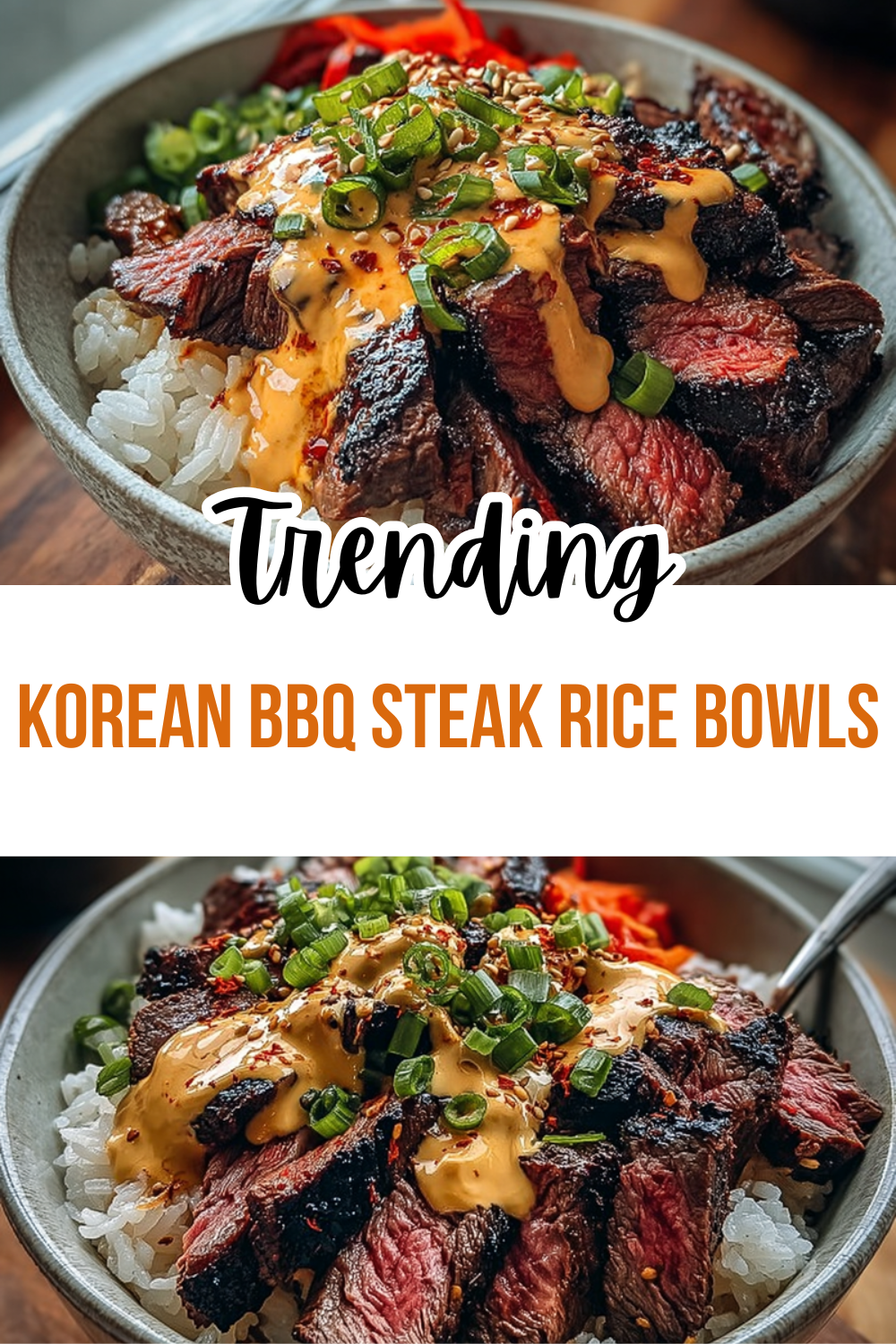
The flavors truly shine with a mix of savory notes from soy and sesame, sweetness from brown sugar, and a touch of heat. When grilled just right, the steak gets a smoky edge that makes every bite addictive. It’s no wonder this dish has become a favorite for its ease, health perks, and customizable fun.
Jump to:
- Why You’ll Love This Korean Bbq Steak Rice Bowls
- Essential Ingredients for Korean Bbq Steak Rice Bowls
- How to Prepare the Perfect Korean Bbq Steak Rice Bowls: Step-by-Step Guide
- First Step: Prepare the Ingredients and Mise en Place
- Second Step: Marinate the Steak
- Third Step: Cook the Steak
- Fourth Step: Assemble the Bowls
- Fifth Step: Storage and Reheating Tips
- Dietary Substitutions to Customize Your Korean Bbq Steak Rice Bowls
- Protein and Main Component Alternatives
- Vegetable, Sauce, and Seasoning Modifications
- Mastering Korean Bbq Steak Rice Bowls: Advanced Tips and Variations
- Pro Cooking Techniques
- Flavor Variations
- Presentation Tips
- Make-Ahead Options
- How to Store Korean Bbq Steak Rice Bowls: Best Practices
- FAQs: Frequently Asked Questions About Korean Bbq Steak Rice Bowls
- What type of rice works best for Korean BBQ steak rice bowls?
- How long should I marinate flank steak for the best flavor?
- What is the best way to check the doneness of flank steak for Korean BBQ bowls?
- Can I replace pickled carrots with another ingredient in Korean BBQ steak rice bowls?
- How should I pack Korean BBQ steak rice bowls to keep the ingredients fresh for lunch?
- Korean Bbq Steak Rice Bowls
- Ingredients
- Instructions
- Last Step:
- Notes
- Nutrition
- Did you make this recipe?
Essential Ingredients for Korean Bbq Steak Rice Bowls
- For the Flank Steak:
- 2 to 3 pounds flank steak
- 1 cup Korean Barbecue Sauce
- For the Korean BBQ Steak Rice Bowls:
- 2 cups uncooked sweet brown or sweet white rice (cooked according to package instructions)
- 2 cups kimchi
- 2 cups cucumber slices or 16 cucumber roses
- 2 cups pickled carrots or steamed carrots
- 8 green onions (trimmed of the roots and thinly sliced)
- 2 tablespoons sesame seeds
- 1/2 cup Korean Barbecue Sauce
These ingredients come together to create a balanced and flavorful meal. Each one plays a key role, from the marinated steak that brings the main protein to the fresh veggies that add crunch and nutrition. Don’t skip the sesame seeds they offer a nice nutty finish that ties everything together.
For special dietary options, you can make adjustments easily. If you’re going vegan, swap the steak with 1 pound of extra-firm tofu or tempeh, and use tamari instead of soy sauce while opting for maple syrup over honey. For gluten-free versions, stick with tamari and ensure your Korean Barbecue Sauce is certified gluten-free to keep things simple and safe.
How to Prepare the Perfect Korean Bbq Steak Rice Bowls: Step-by-Step Guide
First Step: Prepare the Ingredients and Mise en Place
Start by gathering and prepping everything you need for these Korean Bbq Steak Rice Bowls to make cooking smooth. Trim 2 to 3 pounds of flank steak and slice it thinly across the grain for tender results. Mix your marinade with 1 cup of Korean Barbecue Sauce, then cook 2 cups of uncooked sweet brown or sweet white rice as per the package.
While the rice cooks, get your veggies ready. Julienne the carrots for pickling or steaming, slice the cucumbers into 2 cups of pieces or shape them into 16 roses, and trim and slice 8 green onions. If you’re adapting for dietary needs, press and slice tofu now or prep cauliflower rice for a low-calorie twist.
Second Step: Marinate the Steak
Place the sliced flank steak in a resealable bag and pour in the 1 cup of Korean Barbecue Sauce to coat it fully. Seal the bag, remove the air, and refrigerate for at least 8 hours up to 24 hours for the best flavor absorption. This step is key to making the steak juicy and full of that signature Korean Bbq taste.
For alternatives like tofu, let it marinate longer to soak up the flavors. If you’re making a gluten-free version, double-check your sauce options to keep it on track.
Third Step: Cook the Steak
Preheat a grill pan over high heat as directed. Remove the steak from the marinade and grill it for 3 minutes on each side, rotating for even char. Aim for your preferred doneness, then let it rest for 10-15 minutes to lock in juices.
This high-heat method gives the steak that perfect smoky edge, enhancing the overall Korean Bbq Steak Rice Bowls experience.
Fourth Step: Assemble the Bowls
In each bowl, add 1 cup of cooked rice as the base. Top with 1/4 cup each of kimchi, cucumber slices or roses, and pickled or steamed carrots. Slice the rested steak and add 6-8 pieces per bowl, then drizzle with 1 tablespoon of Korean Barbecue Sauce and sprinkle 2 tablespoons of sesame seeds and the sliced green onions.
Serve right away for the freshest taste. This assembly keeps the textures vibrant and the flavors balanced.
This dish is all about layering flavors and textures, just like building your favorite dessert. For more sweet treats, check out our chewy brownies recipe to end your meal on a high note.
Fifth Step: Storage and Reheating Tips
Keep components separate for leftovers to maintain freshness. Store the cooked steak in an airtight container for up to 3-4 days, and reheat gently to avoid drying it out.
These tips help preserve the dish’s appeal for meal prep, making Korean Bbq Steak Rice Bowls a reliable option for busy days.

Dietary Substitutions to Customize Your Korean Bbq Steak Rice Bowls
Protein and Main Component Alternatives
Switch up the protein to fit your preferences or dietary needs in these Korean Bbq Steak Rice Bowls. For instance, use thin-sliced chicken instead of steak, cooking it to 165°F for safety, or go for shrimp that cooks in just 2-3 minutes.
Plant-based swaps like tofu or tempeh work great too, especially if you’re aiming for vegan options. For low-carb versions, swap rice for cauliflower rice or greens to keep things light and fresh.
Vegetable, Sauce, and Seasoning Modifications
Veggies can change with the seasons; try roasted sweet potatoes in fall or pickled daikon for a winter twist. Adjust sauces by using tamari for gluten-free needs or miso for extra umami without soy.
These changes let you personalize the bowls while keeping the core flavors intact, making it fun to experiment at home.
Mastering Korean Bbq Steak Rice Bowls: Advanced Tips and Variations
Pro Cooking Techniques
To get that perfect sear, use a hot cast-iron pan and cook in small batches. Baste the steak with reduced marinade for a glossy finish, ensuring it’s safe by boiling it first.
Flavor Variations
Play with tastes by adding pear for sweetness or chili oil for heat. For vegetarian bowls, roasted mushrooms can boost the umami.
Presentation Tips
Arrange ingredients for visual appeal, like colorful veggie sections around the rice. Offer extra sauces on the side for customization.
Make-Ahead Options
Marinate ahead and store components separately for easy prep. This keeps the dish fresh and ready for quick meals, enhancing its versatility.
For more baking ideas that pair well, visit our banana bread page for a simple treat.
| Variation | Key Change | Benefit |
|---|---|---|
| Vegan Option | Replace steak with tofu | Increases plant-based protein |
| Low-Carb Version | Use cauliflower rice | Reduces carbs and calories |
How to Store Korean Bbq Steak Rice Bowls: Best Practices
- Store components like steak and rice separately in the fridge for up to 4 days.
- Freeze proteins for longer storage, thawing before reheating.
- Reheat gently to keep textures intact, adding a bit of sauce for moisture.
These practices help maintain the dish’s quality, making it ideal for meal prep routines.
FAQs: Frequently Asked Questions About Korean Bbq Steak Rice Bowls
What type of rice works best for Korean BBQ steak rice bowls?
The best rice for Korean BBQ steak rice bowls is short-grain Korean-style rice, such as sweet brown or sweet white rice. This rice has a slightly sticky texture that helps it clump together, making it easier to eat with chopsticks and mix with other ingredients. Avoid using instant rice, as it tends to be less sticky and can affect the overall texture of the bowl.
How long should I marinate flank steak for the best flavor?
Flank steak should be marinated for at least 6 hours to absorb the flavors fully, but marinating it up to 24 hours can deepen the taste further. A longer marinade allows the soy sauce, garlic, and other seasonings to tenderize the meat, resulting in a juicier and more flavorful steak when grilled.
What is the best way to check the doneness of flank steak for Korean BBQ bowls?
Use a meat thermometer to check the steak’s internal temperature and remove it from heat about 5°F before reaching your preferred doneness. For example, pull the steak at 125°F for rare, 135°F for medium-rare, and up to 160°F for well done. Letting the steak rest a few minutes afterward ensures juices redistribute for tender bites.
Can I replace pickled carrots with another ingredient in Korean BBQ steak rice bowls?
Yes, if pickled carrots aren’t available, you can substitute steamed or raw julienned carrots. While pickled carrots add a tangy crunch, steamed carrots provide softness, and raw carrots offer freshness. Adding a splash of rice vinegar to steamed carrots can mimic the tanginess of pickled versions.
How should I pack Korean BBQ steak rice bowls to keep the ingredients fresh for lunch?
To keep your lunch fresh, pack each component separately: rice, sliced steak, pickled vegetables, cucumbers, and kimchi in individual containers. Bring small containers of sauce and toppings like sesame seeds or green onions. Assemble the bowl just before eating to prevent sogginess and keep flavors vibrant.
Korean Bbq Steak Rice Bowls
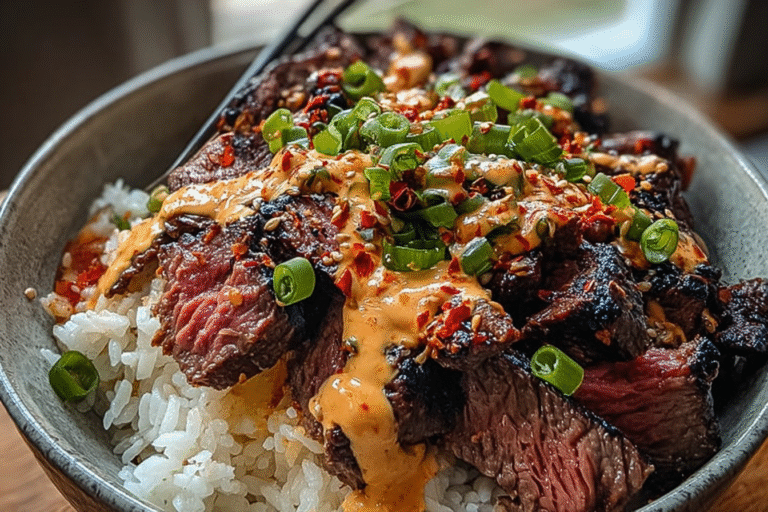
🥩 Savor the rich and tangy flavors of Korean BBQ steak paired with fresh veggies for a nutritious and satisfying meal.
🍚 This recipe combines hearty flank steak marinated in savory Korean BBQ sauce with wholesome rice and crunchy pickled vegetables for a balanced dish that’s perfect any day.
- Total Time: 8 hours 45 minutes
- Yield: 4 servings 1x
Ingredients
2 to 3 pounds flank steak
1 cup Korean Barbecue Sauce
2 cups uncooked sweet brown or sweet white rice (cooked according to package instructions)
2 cups kimchi
2 cups cucumber slices or 16 cucumber roses
2 cups pickled carrots or steamed carrots
8 green onions (trimmed of the roots and thinly sliced)
2 tablespoons sesame seeds
1/2 cup Korean Barbecue Sauce
Instructions
1-First Step: Prepare the Ingredients and Mise en Place Start by gathering and prepping everything you need for these Korean Bbq Steak Rice Bowls to make cooking smooth. Trim 2 to 3 pounds of flank steak and slice it thinly across the grain for tender results. Mix your marinade with 1 cup of Korean Barbecue Sauce, then cook 2 cups of uncooked sweet brown or sweet white rice as per the package. While the rice cooks, get your veggies ready. Julienne the carrots for pickling or steaming, slice the cucumbers into 2 cups of pieces or shape them into 16 roses, and trim and slice 8 green onions. If you’re adapting for dietary needs, press and slice tofu now or prep cauliflower rice for a low-calorie twist.
2-Second Step: Marinate the Steak Place the sliced flank steak in a resealable bag and pour in the 1 cup of Korean Barbecue Sauce to coat it fully. Seal the bag, remove the air, and refrigerate for at least 8 hours up to 24 hours for the best flavor absorption. This step is key to making the steak juicy and full of that signature Korean Bbq taste. For alternatives like tofu, let it marinate longer to soak up the flavors. If you’re making a gluten-free version, double-check your sauce options to keep it on track.
3-Third Step: Cook the Steak Preheat a grill pan over high heat as directed. Remove the steak from the marinade and grill it for 3 minutes on each side, rotating for even char. Aim for your preferred doneness, then let it rest for 10-15 minutes to lock in juices. This high-heat method gives the steak that perfect smoky edge, enhancing the overall Korean Bbq Steak Rice Bowls experience.
4-Fourth Step: Assemble the Bowls In each bowl, add 1 cup of cooked rice as the base. Top with 1/4 cup each of kimchi, cucumber slices or roses, and pickled or steamed carrots. Slice the rested steak and add 6-8 pieces per bowl, then drizzle with 1 tablespoon of Korean Barbecue Sauce and sprinkle 2 tablespoons of sesame seeds and the sliced green onions. Serve right away for the freshest taste. This assembly keeps the textures vibrant and the flavors balanced.
5-Fifth Step: Storage and Reheating Tips Keep components separate for leftovers to maintain freshness. Store the cooked steak in an airtight container for up to 3-4 days, and reheat gently to avoid drying it out. These tips help preserve the dish’s appeal for meal prep, making Korean Bbq Steak Rice Bowls a reliable option for busy days.
Last Step:
Please leave a rating and comment letting us know how you liked this recipe! This helps our business to thrive and continue providing free, high-quality recipes for you.Notes
🌾 Use sweet brown or sweet white rice for a sticky texture that’s easier to eat with chopsticks.
🍯 Make Korean Barbecue Sauce from scratch for the best flavor and freeze leftovers for later use.
⏲️ Marinate steak for at least 6 hours and rest it after grilling to keep it tender and juicy.
- Prep Time: 15 minutes
- Marination Time: 8 hours
- Cook Time: 30 minutes
- Category: Main Dish
- Method: Grilling
- Cuisine: Korean
- Diet: Omnivore
Nutrition
- Serving Size: 1 bowl
- Calories: 550 kcal
- Sugar: 8 g
- Sodium: 700 mg
- Fat: 18 g
- Saturated Fat: 5 g
- Unsaturated Fat: 10 g
- Trans Fat: 0 g
- Carbohydrates: 60 g
- Fiber: 5 g
- Protein: 40 g
- Cholesterol: 85 mg