
Why You’ll Love This Macaron Food Coloring
Discovering the right way to handle macaron food coloring can transform your baking routine into something truly exciting and rewarding. This approach uses natural ingredients that make it simple for home cooks, busy parents, and baking enthusiasts to create vibrant colors without the hassle. Whether you’re aiming for eye-catching desserts or experimenting with dietary needs, macaron food coloring offers straightforward benefits that align with everyday life.
One key advantage is the ease of preparation. This macaron food coloring recipe is straightforward, requiring simple steps and quick cooking time, perfect for bakers looking for efficient methods to achieve vibrant colors without fuss. Additionally, it brings health benefits by using natural ingredients, supporting wellness by avoiding artificial dyes and contributing to a healthier baking experience that aligns with nutritional advantages. Its versatility stands out, as it’s adaptable to various dietary needs, including vegan and gluten-free diets, making it easy to tailor seamlessly to different baking recipes while enhancing macarons with a subtle yet unique taste for a perfect balance of color and flavor.
As you dive into macaron food coloring, you’ll appreciate how it adds a fun element to your kitchen adventures. For instance, natural powders like those mentioned help maintain the integrity of your batter. If you’re interested in exploring other easy baking ideas, check out this simple muffin recipe that complements colorful treats. Overall, this method ensures your macarons not only look amazing but also fit into a balanced lifestyle, making it a go-to choice for food enthusiasts and party hosts alike.
Jump to:
- Why You’ll Love This Macaron Food Coloring
- Essential Ingredients for Macaron Food Coloring
- How to Prepare the Perfect Macaron Food Coloring: Step-by-Step Guide
- Dietary Substitutions to Customize Your Macaron Food Coloring
- Mastering Macaron Food Coloring: Advanced Tips and Variations
- Pro Cooking Techniques
- Flavor Variations and Presentation
- How to Store Macaron Food Coloring: Best Practices
- FAQs: Frequently Asked Questions About Macaron Food Coloring
- Can I use liquid food coloring when making macarons?
- When is the best time to add food coloring during the macaron batter preparation?
- How can I get bright, vibrant colors in my macaron shells?
- How do I prevent my macarons from browning and losing color in the oven?
- What is the best way to make black macarons with food coloring?
- Macaron Food Coloring
- Ingredients
- Instructions
- Last Step:
- Notes
- Did you make this recipe?
Essential Ingredients for Macaron Food Coloring
Gathering the right ingredients is crucial for achieving beautiful, natural colors in your macaron food coloring efforts. Below is a comprehensive, structured list of all the ingredients needed, based on the details provided. Each one is listed with its precise measurement to ensure accuracy and ease of use.
- 2 tablespoons beetroot powder – Provides natural red pigmentation and antioxidants.
- 1 teaspoon turmeric powder – Adds vibrant yellow color and anti-inflammatory properties.
- 1 teaspoon blue spirulina powder – Offers natural blue hues and essential nutrients.
For special dietary options, you can make adjustments as follows:
- Vegan: Use plant-based powders exclusively, ensuring no animal-derived components.
- Gluten-free: All ingredients are gluten-free, making it suitable for gluten-intolerant individuals.
- Low-calorie: Natural powders used impart color without adding significant calories.
Synthetic colorings, such as gel or powder forms, add negligible calories or nutrients, while natural powders like these may add trace elements but are used in very small amounts, having minimal overall nutritional impact. This setup keeps your macaron food coloring both effective and health-conscious.
How to Prepare the Perfect Macaron Food Coloring: Step-by-Step Guide
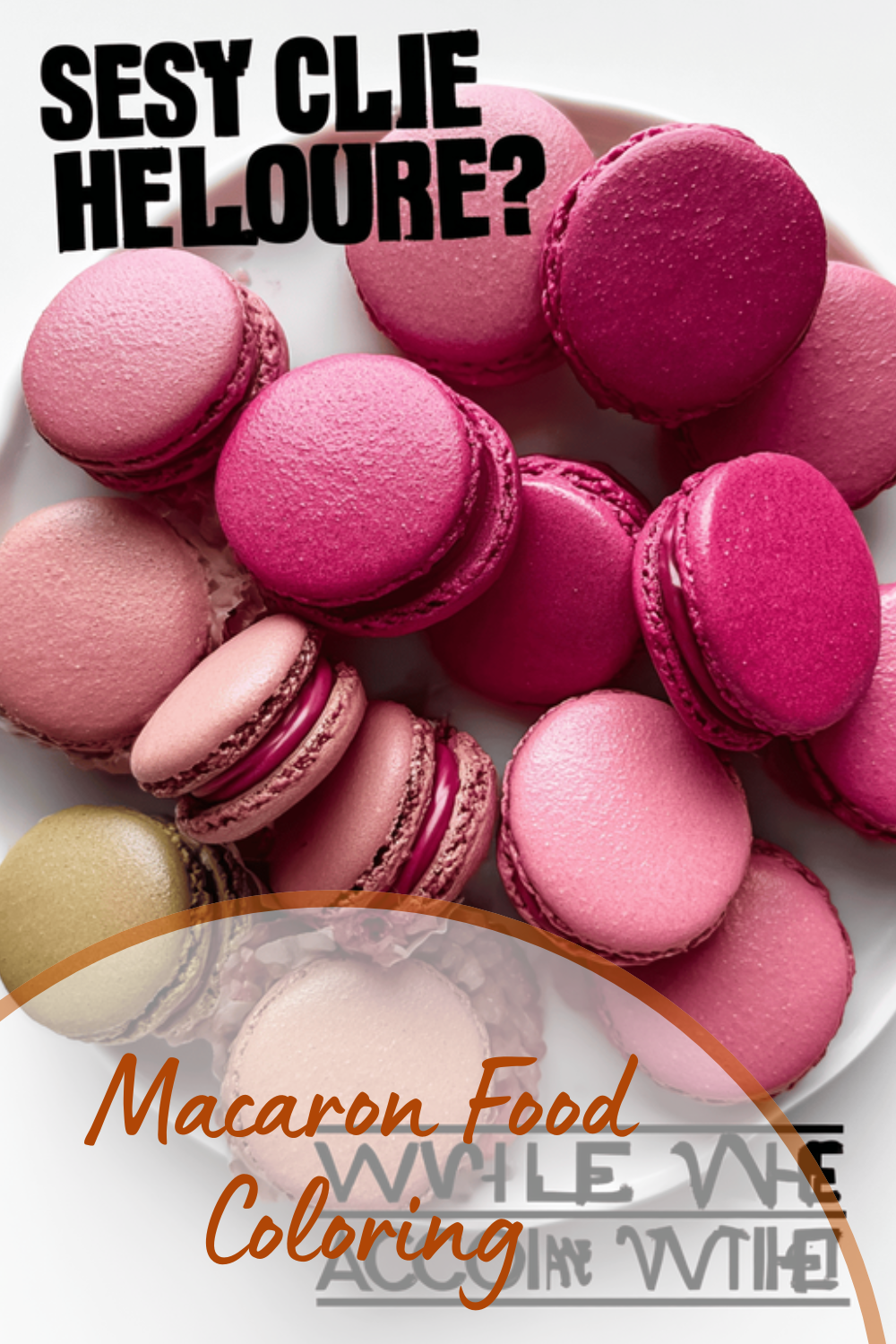
Getting macaron food coloring just right involves understanding the types available, like gel, liquid, powder, and natural options, and following precise steps to avoid common pitfalls. Gel coloring is often the favored choice because it’s highly concentrated and better maintains batter consistency, while powder coloring requires about 15 minutes for full color development and should be added early, such as with egg whites before whipping.
First, gather all natural color powders and measure precise quantities to ensure consistent coloring. Second, sift powders to remove any lumps, ensuring smooth incorporation. Third, mix the powders with a small amount of water or lemon juice to create a smooth paste, keeping in mind that natural coloring is prone to fading or color shifting during baking, so use minimal amounts and experiment cautiously.
Fourth, gradually add the paste to your macaron batter while folding gently to maintain texture; for vibrant colors, larger quantities of gel or powder may be needed, but excessive amounts risk altering batter texture. Fifth, adjust the intensity of the color by adding more paste if desired. Sixth, bake macarons following your base recipe’s guidelines, noting timing and temperature standard baking is 15-20 minutes, and covering with foil during the last half prevents browning and color fading.
Seventh, for multiple colors, fold dry ingredients into meringue first, then divide batter into separate bowls and add different colorings quickly to avoid overmixing. Finally, allow macarons to cool fully before serving to appreciate vibrant colors and distinct flavors. For dietary adaptations, substitute liquids with plant-based or gluten-free alternatives as required, and remember that liquid coloring is not recommended for most bakers as it adds moisture and disrupts meringue protein bonds.

Dietary Substitutions to Customize Your Macaron Food Coloring
Customizing macaron food coloring for different dietary needs can make your baking more inclusive and enjoyable. Natural options include fruit powders, turmeric, hibiscus, and beetroot powder, which are versatile for various substitutions.
- Protein and main component alternatives: Substitute egg whites with aquafaba for a vegan option without sacrificing texture, or use aquafaba or commercial egg replacers to accommodate allergies.
- Vegetable, sauce, and seasoning modifications: Swap beetroot powder with pomegranate powder for a different red hue and antioxidant boost, replace turmeric with saffron for a unique yellow tone and flavor, or modify seasoning with natural vanilla or almond extracts to enhance taste without artificial additives.
These changes ensure that synthetic colorings’ negligible nutritional impact remains intact, while natural powders add only trace elements. Always use these sparingly to avoid weakening the meringue or altering the batter structure.
Mastering Macaron Food Coloring: Advanced Tips and Variations
Pro Cooking Techniques
Advanced techniques for macaron food coloring involve careful handling of different forms like gel and powder to achieve reliable results. Use temperature-controlled whipping of egg whites to achieve perfect meringue consistency before adding coloring, and for vibrant colors, opt for gel or powder synthetic colorings as they provide the most reliable outcomes.
Avoid liquid coloring unless you’re highly experienced, as it can disrupt meringue protein bonds. When working with multiple colored batches, work swiftly when dividing and coloring to achieve hues without overmixing, and avoid excessive stirring or folding after adding color to prevent batter breakdown.
Flavor Variations and Presentation
Combine natural color powders with complementary flavor extracts like lavender or rose for unique taste profiles that enhance your macarons. For presentation, garnish finished macarons with edible gold leaf or dried flower petals to make them visually appealing. Remember, natural color limitations mean you should expect potential fading or color change, so use them sparingly and avoid large quantities that could interfere with batter structure.
Preparation times are key: drying takes 1-2+ hours depending on color intensity, and colored macarons need longer resting times to prevent cracking, especially with heavy colors. If you’re looking for more baking inspiration, try this delicious bread recipe that pairs well with your colorful creations.
| Color Type | Best Usage Tip | Potential Impact |
|---|---|---|
| Gel Coloring | Add alongside dry ingredients | Maintains batter consistency |
| Powder Coloring | Add early with egg whites | Minimal moisture, requires 15 minutes development |
| Natural Coloring | Use minimal amounts | May cause fading or texture issues |
How to Store Macaron Food Coloring: Best Practices
Proper storage of macaron food coloring ensures it stays fresh and effective for your next baking session. Synthetic colorings like gel or powder have negligible nutritional impact, making them easy to store without worry.
- Refrigeration: Store prepared coloring paste in airtight containers in the refrigerator for up to one week to maintain freshness.
- Freezing: For long-term storage, freeze the paste in small portions using ice cube trays and thaw as needed.
- Reheating: Gently bring frozen paste to room temperature before use to avoid texture changes.
- Meal prep considerations: Batch prepare coloring paste to streamline baking sessions while ensuring color quality and vibrancy, especially since powder coloring needs time to develop fully.
For black macarons, gel coloring yields vibrant results with minimal texture impact, but remember that heavier colors may extend drying times. Always avoid overmixing to preserve the batter’s structure during storage and later use.
FAQs: Frequently Asked Questions About Macaron Food Coloring
Can I use liquid food coloring when making macarons?
It’s generally not recommended to use liquid food coloring for macarons because the added moisture can break down the delicate meringue structure, resulting in a runny or flat batter. Beginners should avoid liquid colors to prevent issues with texture. Instead, gel or powder food colorings are better choices as they add vibrant color without affecting the consistency of the batter.
When is the best time to add food coloring during the macaron batter preparation?
The best time to add food coloring is during the final mixing stages, either by folding it in with the dry ingredients or blending it into the meringue once it’s nearly whipped. Adding it earlier, such as before whipping the egg whites, can work for experienced bakers but risks uneven color and texture. Adding color later allows you to adjust the shade as needed.
How can I get bright, vibrant colors in my macaron shells?
To achieve vibrant macaron shells, use gel or powder food colorings made with synthetic dyes, as natural colors tend to fade during baking. Don’t hesitate to add a generous amount—strong colors like red may require multiple teaspoons. Also, avoid overmixing the batter after adding color to maintain smooth texture and vivid hues.
How do I prevent my macarons from browning and losing color in the oven?
To keep light or pale-colored macarons from browning, loosely cover them with a piece of foil halfway through baking to shield them from direct heat. Using synthetic food color powders instead of natural ones helps maintain color intensity, as natural pigments often change or fade when exposed to oven temperatures.
What is the best way to make black macarons with food coloring?
For deep black macarons, use a high-quality gel food coloring like Americolor Super Black. You’ll need to add at least half a teaspoon gradually, checking the batter’s color after each addition. Be aware that adding large amounts of food coloring can increase drying time before baking. While black cocoa powder is an option, it may cause shell wrinkling in some cases.
Macaron Food Coloring
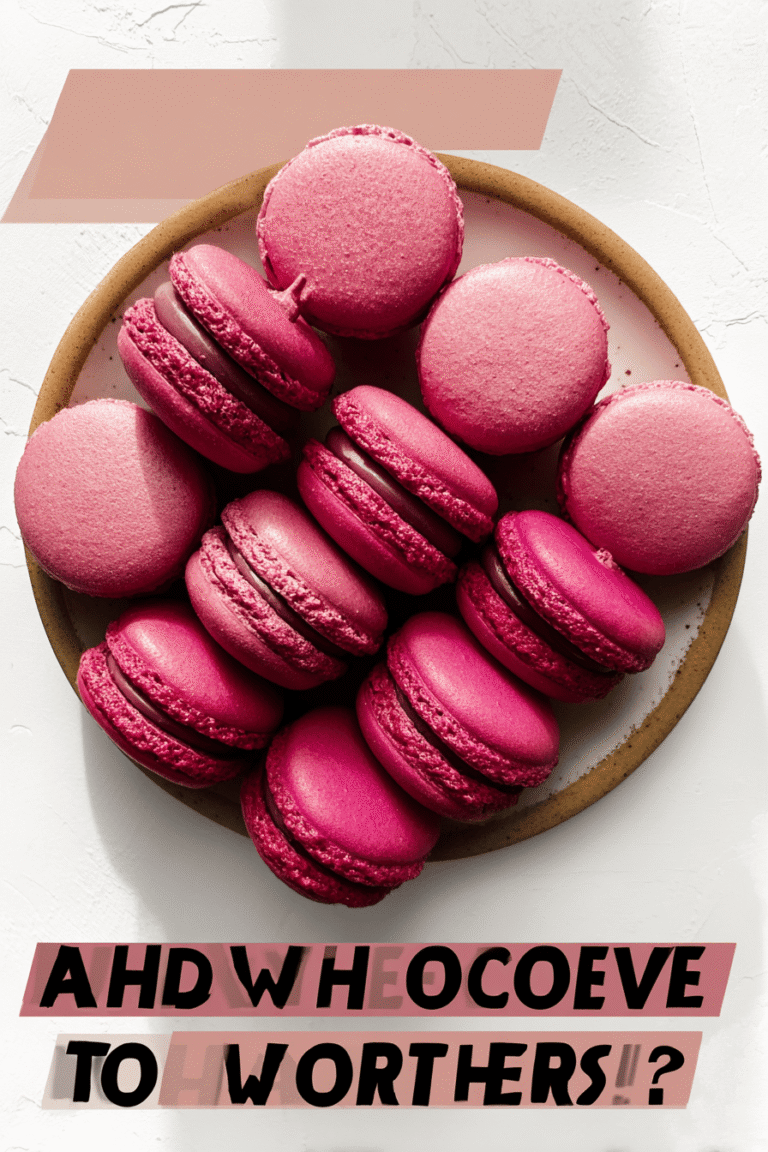
🎨 Achieve perfectly vibrant and smooth macarons by choosing the right type of food coloring.
🖌️ These tips help preserve your batter’s consistency while producing stunning colors that bake beautifully.
- Total Time: 1 hour 30 minutes including drying and baking
Ingredients
2 tablespoons beetroot powder Provides natural red pigmentation and antioxidants.
1 teaspoon turmeric powder Adds vibrant yellow color and anti-inflammatory properties.
1 teaspoon blue spirulina powder Offers natural blue hues and essential nutrients.
Instructions
1-First, gather all natural color powders and measure precise quantities to ensure consistent coloring.
2-Second, sift powders to remove any lumps, ensuring smooth incorporation.
3-Third, mix the powders with a small amount of water or lemon juice to create a smooth paste, keeping in mind that natural coloring is prone to fading or color shifting during baking, so use minimal amounts and experiment cautiously.
4-Fourth, gradually add the paste to your macaron batter while folding gently to maintain texture; for vibrant colors, larger quantities of gel or powder may be needed, but excessive amounts risk altering batter texture.
5-Fifth, adjust the intensity of the color by adding more paste if desired.
6-Sixth, bake macarons following your base recipe’s guidelines, noting timing and temperature standard baking is 15-20 minutes, and covering with foil during the last half prevents browning and color fading.
7-Seventh, for multiple colors, fold dry ingredients into meringue first, then divide batter into separate bowls and add different colorings quickly to avoid overmixing.
8-Finally, allow macarons to cool fully before serving to appreciate vibrant colors and distinct flavors. For dietary adaptations, substitute liquids with plant-based or gluten-free alternatives as required, and remember that liquid coloring is not recommended for most bakers as it adds moisture and disrupts meringue protein bonds.
Last Step:
Please leave a rating and comment letting us know how you liked this recipe! This helps our business to thrive and continue providing free, high-quality recipes for you.Notes
🎨 Use gel or powder synthetic colorings for consistent and bright macaron colors.
⚠️ Avoid liquid colorings unless you are very experienced due to moisture risks.
⏳ Allow longer drying times for heavily colored macarons to achieve perfect smooth shells.
- Prep Time: 10 minutes
- Drying Time: 1-2+ hours
- Cook Time: 15-20 minutes
- Category: Baking Tips
- Method: Mixing and Baking
- Cuisine: French