
Why You’ll Love This Nepali Momo
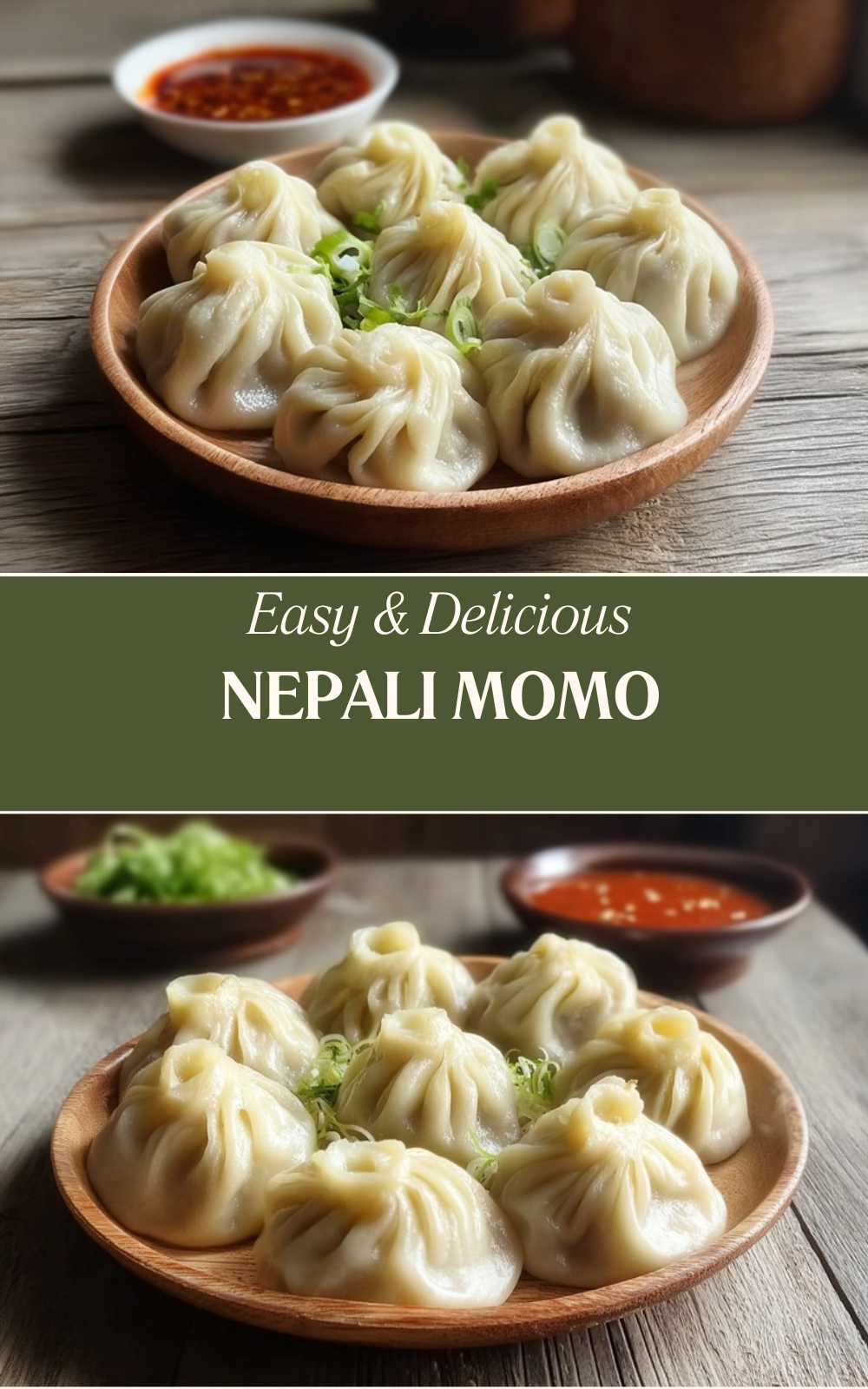
Nepali Momo is a steamed dumpling with a long culinary history across Tibetan and Nepali cuisine, and it is also widely enjoyed in Bhutan, Sikkim, and parts of India. This momo recipe follows the familiar round shape, with a tender wrapper, a juicy filling, and a sharp chili garlic sauce for serving. For readers looking for authentic Nepali momo recipe instructions, this format offers a practical method that suits home kitchens of many sizes.
- Ease of preparation: The dough needs only flour, water, and a short rest, while the filling comes together quickly with common aromatics and spices. Once the wrappers are rolled, the dumplings steam in 10 to 15 minutes.
- Health benefits: Steamed momo dumplings are lighter than fried snacks, and the vegetable version can be lower in calories while still providing fiber and satisfying texture.
- Versatility: The filling may be made with chicken, buffalo, pork, cabbage, mushrooms, paneer, or potatoes, which makes the dish adaptable for mixed households and different dietary needs.
- Distinctive flavor: The combination of cumin, black pepper, garlic, ginger, coriander, and spicy chili sauce gives Nepali dumplings a bold, savory profile that remains recognizable across regions.
In Nepal, momos are more than a snack. They are a daily street food, a tea-house meal, and a home-cooked dish often served with pickled vegetables or jhol momo soup.
Readers who enjoy globally inspired recipes may also like this ginger-forward sweet recipe from the site, which pairs well with the warming spices often found in savory dishes.
Jump to:
- Why You’ll Love This Nepali Momo
- Essential Ingredients for Nepali Momo
- Dough
- Meat Filling
- Vegetarian Filling
- Chili Garlic Sauce
- Special Dietary Options
- How to Prepare the Perfect Nepali Momo: Step-by-Step Guide
- First Step: Prepare the dough
- Second Step: Mix the filling
- Third Step: Shape the momos
- Fourth Step: Arrange and steam
- Final Step: Make the sauce and serve
- Dietary Substitutions to Customize Your Nepali Momo
- Protein and Main Component Alternatives
- Vegetable, Sauce, and Seasoning Modifications
- Mastering Nepali Momo: Advanced Tips and Variations
- Pro cooking techniques
- Flavor variations
- Make-ahead options
- How to Store Nepali Momo: Best Practices
- FAQs: Frequently Asked Questions About Nepali Momo
- What are Nepali momos?
- What fillings go in Nepali momos?
- How do you make momos at home?
- What are the different types of Nepali momos?
- What do you eat with Nepali momos?
- Nepali Momo
- Ingredients
- Instructions
- Last Step:
- Notes
- Nutrition
- Did you make this recipe?
Essential Ingredients for Nepali Momo
The ingredients below are listed for about 30 momos, and the measurements are given exactly so the dough, filling, and sauce can be prepared without guesswork. This structure works for both the classic meat version and the vegetarian version of traditional Nepali momo.
Dough
- 500g all-purpose white flour, the base for soft, pliable wrappers.
- 250ml water, adjusted as needed to form a soft dough.
- 1 tbsp vegetable oil, optional, for a smoother dough texture.
- 1/2 tsp baking soda, optional, for added tenderness and a lighter bite.
Meat Filling
- 500g ground chicken, buffalo, or pork, preferably fatty, for a juicy filling.
- 200g finely chopped onions, about 2 medium, for sweetness and moisture.
- 50g finely chopped garlic, about 10 cloves, for pungent depth.
- 30g grated ginger, about 1-inch piece, for warmth and aroma.
- 50g chopped coriander leaves, for freshness and color.
- 1 tsp ground cumin, for earthy seasoning.
- 1 tsp black pepper, for a sharp finish.
- 2 tsp salt, or to taste, for balance.
- 2 tbsp vegetable oil, for juiciness and richness.
Vegetarian Filling
- 400g finely chopped cabbage, for volume and texture.
- 150g chopped green beans or mushrooms, for moisture and bite.
- 100g paneer cheese or boiled potatoes, mashed, for body and softness.
- 200g finely chopped onions, the same aromatic base used in the meat filling.
- 50g finely chopped garlic, for the same savory backbone.
- 30g grated ginger, for fragrance and warmth.
- 50g chopped coriander leaves, for freshness.
- 1 tsp ground cumin, for earthy flavor.
- 1 tsp black pepper, for heat.
- 2 tsp salt, or to taste, for seasoning.
- 2 tbsp vegetable oil, for moisture and richness.
Chili Garlic Sauce
- 100g fresh red chilies, for the main heat.
- 50g garlic cloves, for sharp savoriness.
- 1 tsp salt, for seasoning.
- 2 tbsp vegetable oil, for tempering.
- Juice of 1 lemon, optional, for brightness and acidity.
Special Dietary Options
- Vegan: Replace paneer with mashed potatoes, extra mushrooms, or crumbled tofu, and keep the oil-based dough.
- Gluten-free: Use a gluten-free flour blend that behaves like wheat flour, though the wrapper may be less elastic and require careful handling.
- Low-calorie: Use the vegetable filling, reduce added oil slightly, and serve with a lighter chili dip made with less tempering oil.
| Component | Main Purpose | Notes |
|---|---|---|
| Dough | Wrapper | Soft, thin, and easy to pleat |
| Meat filling | Savory center | Best with fatty meat for juiciness |
| Vegetarian filling | Plant-based center | Uses cabbage, beans, mushrooms, paneer, or potatoes |
| Chili garlic sauce | Serving sauce | Sharp, spicy, and aromatic |
For another recipe that uses a careful balance of texture and flavor, see this well-structured homemade dessert recipe. While very different from momo, it shows how clear measurements support consistent results.
How to Prepare the Perfect Nepali Momo: Step-by-Step Guide
First Step: Prepare the dough
Place 500g all-purpose white flour in a large bowl and add 250ml water gradually, mixing as you go. Add 1 tbsp vegetable oil if using, and 1/2 tsp baking soda if you want a softer texture. Knead the mixture for 5 to 10 minutes until it becomes smooth, soft, and non-sticky. The dough should feel elastic but not wet, since a firm dough makes pleating difficult and a dry dough can crack during shaping.
After kneading, cover the dough with a damp cloth or bowl lid and let it rest for 30 minutes. This resting period relaxes the gluten, which helps the wrappers roll out thinly without springing back. During this time, prepare the filling so the workflow stays efficient. This approach is especially useful for home cooks, students, and working professionals who need clear timing.
Second Step: Mix the filling
In a separate bowl, combine your chosen filling ingredients. For the meat version, mix 500g ground chicken, buffalo, or pork with 200g onions, 50g garlic, 30g ginger, 50g coriander leaves, 1 tsp ground cumin, 1 tsp black pepper, 2 tsp salt, and 2 tbsp vegetable oil. For the vegetarian version, combine 400g cabbage, 150g green beans or mushrooms, 100g paneer or mashed potatoes, and the same aromatics and spices.
The filling should look moist and cohesive rather than dry. Traditional Nepali momo fillings often rely on finely chopped onion and a generous amount of oil for juiciness, which is important because steaming does not brown the filling. If the mixture looks too loose, let it sit for a few minutes so the vegetables release and absorb some liquid. If it looks too dry, add a small splash of oil.
A juicy filling is one of the main signs of well-made steamed momo. Dry filling usually means the dumpling will taste flat after steaming.
Third Step: Shape the momos
Divide the rested dough into small portions weighing about 30g each. Roll each piece into a thin circle about 10cm across. The center should be slightly thicker than the edges if possible, because the center holds the filling while the edges must pleat cleanly. Keep the circles covered while you work so they do not dry out.
Place about 1 tbsp filling in the center of each wrapper. Fold the dough over the filling and pinch the edges together to create a sealed pocket. Traditional Nepali momos are often round, though pleated half-moon shapes are also common in many households. The important point is that the seal must be tight so the juices stay inside during steaming. If the dough tears, patch it with a small piece of extra dough and a little water.
Fourth Step: Arrange and steam
Grease a steamer basket lightly so the momos do not stick. Place the dumplings inside the basket with small gaps between them, since overcrowding can trap moisture and make the wrappers soggy. Bring the water below the steamer to a steady simmer, not a violent boil, because a calm steam cooks the dumplings evenly. Set the basket over the pot and steam for 10 to 15 minutes.
Check for doneness by looking for translucent dough and a firm filling. Meat fillings should be fully cooked, while vegetable fillings should be tender but not collapsed. If making multiple batches, keep the cooked momos covered while the remaining ones steam. This method works well for busy parents and party hosts because the dumplings can be cooked in stages without losing quality.
Final Step: Make the sauce and serve
To prepare the chili garlic sauce, blend 100g fresh red chilies, 50g garlic cloves, and 1 tsp salt. Heat 2 tbsp vegetable oil, then pour it over the blended mixture to temper the aromatics. Add the juice of 1 lemon if you want a brighter finish. The sauce should taste hot, savory, and slightly sharp.
Serve the momos hot with the chili garlic sauce, pickled vegetables, or jhol momo soup. For a Nepali momo steamed dumplings guide that includes a crisp base, pan-fry the steamed momos for 2 to 3 minutes to make kothey style momo. For a soup-style serving, simmer the steamed dumplings in a spicy broth with vegetables.
If you want to compare this method with another detailed dumpling guide, you may find this homemade momo recipe reference useful for additional folding and steaming ideas.

Dietary Substitutions to Customize Your Nepali Momo
Protein and Main Component Alternatives
The filling in how to make Nepali momo recipes can shift easily according to taste, religion, budget, or dietary preference. Chicken is widely used because it is accessible and cooks quickly. Buffalo remains a classic choice in Nepal because of its texture and deep flavor, while pork is often selected for richer fat content. For a vegetarian or mixed plate, paneer gives a firmer bite, and mashed potatoes create a softer, more traditional comfort-food profile.
If you do not have access to these proteins, tofu, finely minced soy chunks, or a blend of mushrooms and cabbage can fill the same role. The main goal is to maintain a juicy texture so the filling does not dry out during steaming. Busy cooks may also prepare the filling a few hours ahead and chill it before wrapping, which makes shaping easier.
Vegetable, Sauce, and Seasoning Modifications
Vegetable combinations can be changed according to season and availability. Cabbage, carrots, leeks, green beans, and mushrooms are common options, while spinach and grated squash may be used in lighter variations. If the filling tastes too mild, increase black pepper slightly or add a small amount of minced green chili. If you prefer less heat, reduce the chilies in the sauce and rely more on garlic, lemon, or a sesame-style dip.
The sauce can also shift. A tomato-based achar, sesame dip, or peanut sauce pairs well with steamed momo dumplings. For a lighter meal, skip the pan-frying step and serve the dumplings with fresh pickled vegetables. For a more indulgent version, make kothey momo by searing the base after steaming. This flexibility is one reason the dish remains popular across homes, tea shops, and street stalls.
Mastering Nepali Momo: Advanced Tips and Variations
Pro cooking techniques
The most reliable results come from soft dough, finely chopped filling, and steady steam. Keep the dough covered at all times so the surface does not dry out while you shape. Use low boil steam rather than an aggressive boil, because strong bubbling can cause condensation to drip onto the momos and soften the wrappers. If you are making large batches, steam in smaller rounds so each dumpling has enough room for even heat circulation.
Another useful technique is to test one momo before steaming the full batch. If the wrapper tears, the dough may need a little more resting time. If the filling seems flat, add more salt, garlic, or coriander in the next batch. These small adjustments are common in household cooking, where family preference often matters as much as strict measurement.
Flavor variations
Traditional Nepali momo can be adapted with mushrooms, leeks, carrots, cheese, or extra ginger for a sharper profile. Some cooks add a small amount of turmeric to the filling for color, although it is not required in the base recipe. A little soy sauce in fusion versions adds saltiness, but classic momo usually depends on herbs, spices, and the serving sauce rather than heavy seasoning inside the filling.
For presentation, arrange the dumplings in a circular pattern on a warm plate and place the sauce in a small bowl at the center. Scatter chopped coriander leaves or thinly sliced chilies on top for a fresh finish. Party hosts can serve steamed momo alongside pickled radish, cucumber, or a light soup so guests can choose their preferred style.
Make-ahead options
For meal planning, shape the dumplings and freeze them on a tray before transferring them to a bag. This method works well for students, newlyweds, and working professionals because it shortens weeknight cooking time. The filling can also be prepared a day ahead and chilled. If you want a weekend project, make a large batch and freeze part of it for later steaming or pan-frying.
These planning methods fit well with batch cooking and help preserve the fresh taste that makes Nepali dumplings so popular.
How to Store Nepali Momo: Best Practices
Fresh steamed momos are best eaten right away, but leftovers can be handled safely with proper storage. For short-term refrigeration, let the dumplings cool first, then place them in an airtight container. They usually keep well for 2 to 3 days. Store the sauce separately so the wrappers do not absorb excess moisture.
For freezing, arrange uncooked shaped momos on a tray and freeze until firm. Transfer them to a freezer-safe bag or container and label the date. They can be steamed from frozen, usually with a few extra minutes added to the cooking time. Cooked momos may also be frozen, although the wrapper texture is usually best when the dumplings are frozen before cooking.
To reheat steamed momo, use a steamer or covered pan with a small amount of water so the wrappers soften again without splitting. Microwaving can work in a pinch, but it often creates uneven texture. For meal prep, keep sauce, pickles, and dumplings in separate containers and assemble just before serving.
FAQs: Frequently Asked Questions About Nepali Momo
What are Nepali momos?
Nepali momos are steamed dumplings filled with meat or vegetables, a staple street food and home dish in Nepal inspired by Tibetan cuisine. They feature a thin dough wrapper made from flour and water, enclosing savory fillings like buffalo, chicken, or veggies such as cabbage and onions. Typically steamed in bamboo baskets, momos are juicy inside with a tender bite. In Nepal, they’re enjoyed daily, especially in cities like Kathmandu and Pokhara. Serve them hot with tomato-chili chutney or sesame achar for dipping. Popular at festivals and tea houses, momos reflect Nepal’s blend of Tibetan, Indian, and local flavors—perfect for a quick, flavorful meal. (78 words)
What fillings go in Nepali momos?
Common Nepali momo fillings include minced buffalo or chicken meat mixed with onions, garlic, ginger, cilantro, and spices like cumin and turmeric for a juicy, aromatic taste. Vegetarian options use cabbage, carrots, mushrooms, green beans, or paneer cheese. In Nepal, buffalo is a favorite for its tenderness, while veggies suit lacto-vegetarians. Prep tip: Sauté filling first to release moisture and boost flavor, then cool before wrapping to prevent soggy dough. Regional twists add potatoes or leeks. This versatility makes momos adaptable for diets—experiment with ratios for your perfect bite. (92 words)
How do you make momos at home?
To make Nepali momos at home, start with dough: mix 2 cups flour, ¾ cup water, and a pinch of salt; knead 10 minutes, rest 30 minutes. For filling, brown 1 lb minced meat or veggies with 1 chopped onion, 2 tsp ginger-garlic paste, salt, pepper, and cilantro. Roll dough into 3-inch circles, add 1 tbsp filling, pleat and seal. Steam in greased baskets over boiling water for 10-12 minutes until translucent. Fry bottoms for kothey style. Yields 30-40 momos. Pair with homemade achar: blend tomatoes, chilies, garlic, and sesame oil. Store uncooked in freezer up to 1 month. (104 words)
What are the different types of Nepali momos?
Nepali momos come in steamed (soft and juicy), fried (crispy exterior), kothey (steamed then pan-fried for crunchy base), and jhol momo (in spicy tomato-onion broth, ideal for cold days). Open momos bake with toppings like cheese. Fillings vary: meat (buffalo, chicken, pork) or veg. In Nepal, street vendors offer chili chicken or mushroom variants. Dessert momos with sweetened khoya exist rarely. Pick based on craving—steamed for health, fried for indulgence. Each type pairs with distinct sauces, like peanut achar for veg or garlic-tomato for meat. Try all for a full Nepali experience. (98 words)
What do you eat with Nepali momos?
Nepali momos pair best with spicy tomato-chili chutney (blend roasted tomatoes, dried chilies, garlic, cumin, and cilantro), sesame or peanut achar, or pickled radish. For jhol momo, sip the broth first. In Nepal, they’re a meal with beaten rice (chiura) or noodle soup. Drink options: hot ginger-lemon tea or lassi to cut spice. Nutrition tip: 10 steamed veg momos offer ~400 calories, high in protein and veggies—add for balanced diet. Avoid sweet drinks; opt for tangy to enhance flavors. Experiment: mix soy sauce for fusion twist. Perfect for parties or solo snacks. (96 words)
Nepali Momo
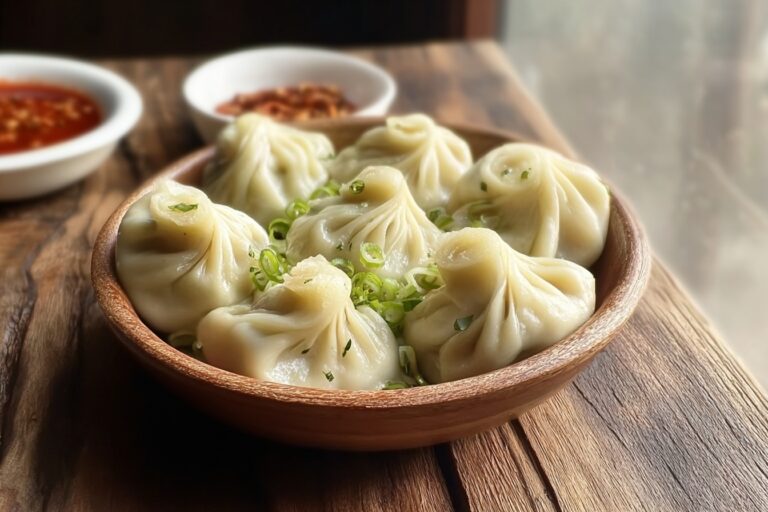
🥟 Juicy steamed Nepali dumplings with flavorful meat or veggie fillings – protein-rich, shareable appetizers that bring authentic Himalayan comfort to your table!
🔥 Paired with spicy chili garlic sauce, easy homemade version perfect for gatherings, customizable, and fun to shape for all ages.
- Total Time: 1 hour 30 minutes
- Yield: 30 momos (3-4 servings)
Ingredients
– 500g all-purpose white flour for soft, pliable wrappers
– 250ml water
– 1 tbsp vegetable oil (optional) for a smoother dough texture
– 1/2 tsp baking soda (optional) for added tenderness and a lighter bite
– 500g ground chicken, buffalo, or pork (preferably fatty) for a juicy filling
– 200g finely chopped onions (about 2 medium) for sweetness and moisture
– 50g finely chopped garlic (about 10 cloves) for pungent depth
– 30g grated ginger (about 1-inch piece) for warmth and aroma
– 50g chopped coriander leaves for freshness and color
– 1 tsp ground cumin for earthy seasoning
– 1 tsp black pepper for a sharp finish
– 2 tsp salt (or to taste) for balance
– 2 tbsp vegetable oil for juiciness and richness
– 400g finely chopped cabbage for volume and texture
– 150g chopped green beans or mushrooms for moisture and bite
– 100g paneer cheese or boiled potatoes mashed for body and softness
– 200g finely chopped onions
– 50g finely chopped garlic for the same savory backbone
– 30g grated ginger for fragrance and warmth
– 50g chopped coriander leaves for freshness
– 1 tsp ground cumin for earthy flavor
– 1 tsp black pepper for heat
– 2 tsp salt (or to taste) for seasoning
– 2 tbsp vegetable oil for moisture and richness
– 100g fresh red chilies for the main heat
– 50g garlic cloves for sharp savoriness
– 1 tsp salt for seasoning
– 2 tbsp vegetable oil for tempering
– Juice of 1 lemon (optional) for brightness and acidity
Instructions
1-First Step: Prepare the dough Place 500g all-purpose white flour in a large bowl and add 250ml water gradually, mixing as you go. Add 1 tbsp vegetable oil if using, and 1/2 tsp baking soda if you want a softer texture. Knead the mixture for 5 to 10 minutes until it becomes smooth, soft, and non-sticky. The dough should feel elastic but not wet, since a firm dough makes pleating difficult and a dry dough can crack during shaping. After kneading, cover the dough with a damp cloth or bowl lid and let it rest for 30 minutes. This resting period relaxes the gluten, which helps the wrappers roll out thinly without springing back. During this time, prepare the filling so the workflow stays efficient. This approach is especially useful for home cooks, students, and working professionals who need clear timing.
2-Second Step: Mix the filling In a separate bowl, combine your chosen filling ingredients. For the meat version, mix 500g ground chicken, buffalo, or pork with 200g onions, 50g garlic, 30g ginger, 50g coriander leaves, 1 tsp ground cumin, 1 tsp black pepper, 2 tsp salt, and 2 tbsp vegetable oil. For the vegetarian version, combine 400g cabbage, 150g green beans or mushrooms, 100g paneer or mashed potatoes, and the same aromatics and spices. The filling should look moist and cohesive rather than dry. Traditional Nepali momo fillings often rely on finely chopped onion and a generous amount of oil for juiciness, which is important because steaming does not brown the filling. If the mixture looks too loose, let it sit for a few minutes so the vegetables release and absorb some liquid. If it looks too dry, add a small splash of oil. A juicy filling is one of the main signs of well-made steamed momo. Dry filling usually means the dumpling will taste flat after steaming.
3-Third Step: Shape the momos Divide the rested dough into small portions weighing about 30g each. Roll each piece into a thin circle about 10cm across. The center should be slightly thicker than the edges if possible, because the center holds the filling while the edges must pleat cleanly. Keep the circles covered while you work so they do not dry out. Place about 1 tbsp filling in the center of each wrapper. Fold the dough over the filling and pinch the edges together to create a sealed pocket. Traditional Nepali momos are often round, though pleated half-moon shapes are also common in many households. The important point is that the seal must be tight so the juices stay inside during steaming. If the dough tears, patch it with a small piece of extra dough and a little water.
4-Fourth Step: Arrange and steam Grease a steamer basket lightly so the momos do not stick. Place the dumplings inside the basket with small gaps between them, since overcrowding can trap moisture and make the wrappers soggy. Bring the water below the steamer to a steady simmer, not a violent boil, because a calm steam cooks the dumplings evenly. Set the basket over the pot and steam for 10 to 15 minutes. Check for doneness by looking for translucent dough and a firm filling. Meat fillings should be fully cooked, while vegetable fillings should be tender but not collapsed. If making multiple batches, keep the cooked momos covered while the remaining ones steam. This method works well for busy parents and party hosts because the dumplings can be cooked in stages without losing quality.
5-Final Step: Make the sauce and serve To prepare the chili garlic sauce, blend 100g fresh red chilies, 50g garlic cloves, and 1 tsp salt. Heat 2 tbsp vegetable oil, then pour it over the blended mixture to temper the aromatics. Add the juice of 1 lemon if you want a brighter finish. The sauce should taste hot, savory, and slightly sharp. Serve the momos hot with the chili garlic sauce, pickled vegetables, or jhol momo soup. For a Nepali momo steamed dumplings guide that includes a crisp base, pan-fry the steamed momos for 2 to 3 minutes to make kothey style momo. For a soup-style serving, simmer the steamed dumplings in a spicy broth with vegetables. If you want to compare this method with another detailed dumpling guide, you may find this homemade momo recipe reference useful for additional folding and steaming ideas.
Last Step:
Please leave a rating and comment letting us know how you liked this recipe! This helps our business to thrive and continue providing free, high-quality recipes for you.Notes
🥩 Use fatty ground meat or add extra oil to keep the filling moist and juicy inside.
🍲 Keep the dough soft and rest it well for easy rolling and pliable wrappers.
💨 Steam over a gentle low boil to avoid soggy or undercooked momos.
- Prep Time: 45 minutes
- Dough Rest: 30 minutes
- Cook Time: 10-15 minutes
- Category: Appetizer
- Method: Steam
- Cuisine: Nepali
- Diet: Omnivore
Nutrition
- Serving Size: 10 momos
- Calories: 600 kcal
- Sugar: 5 g
- Sodium: 1200 mg
- Fat: 25 g
- Saturated Fat: 6 g
- Unsaturated Fat: 19 g
- Trans Fat: 0 g
- Carbohydrates: 50 g
- Fiber: 3 g
- Protein: 30 g
- Cholesterol: 80 mg