
Why You’ll Love This Pancit Bihon
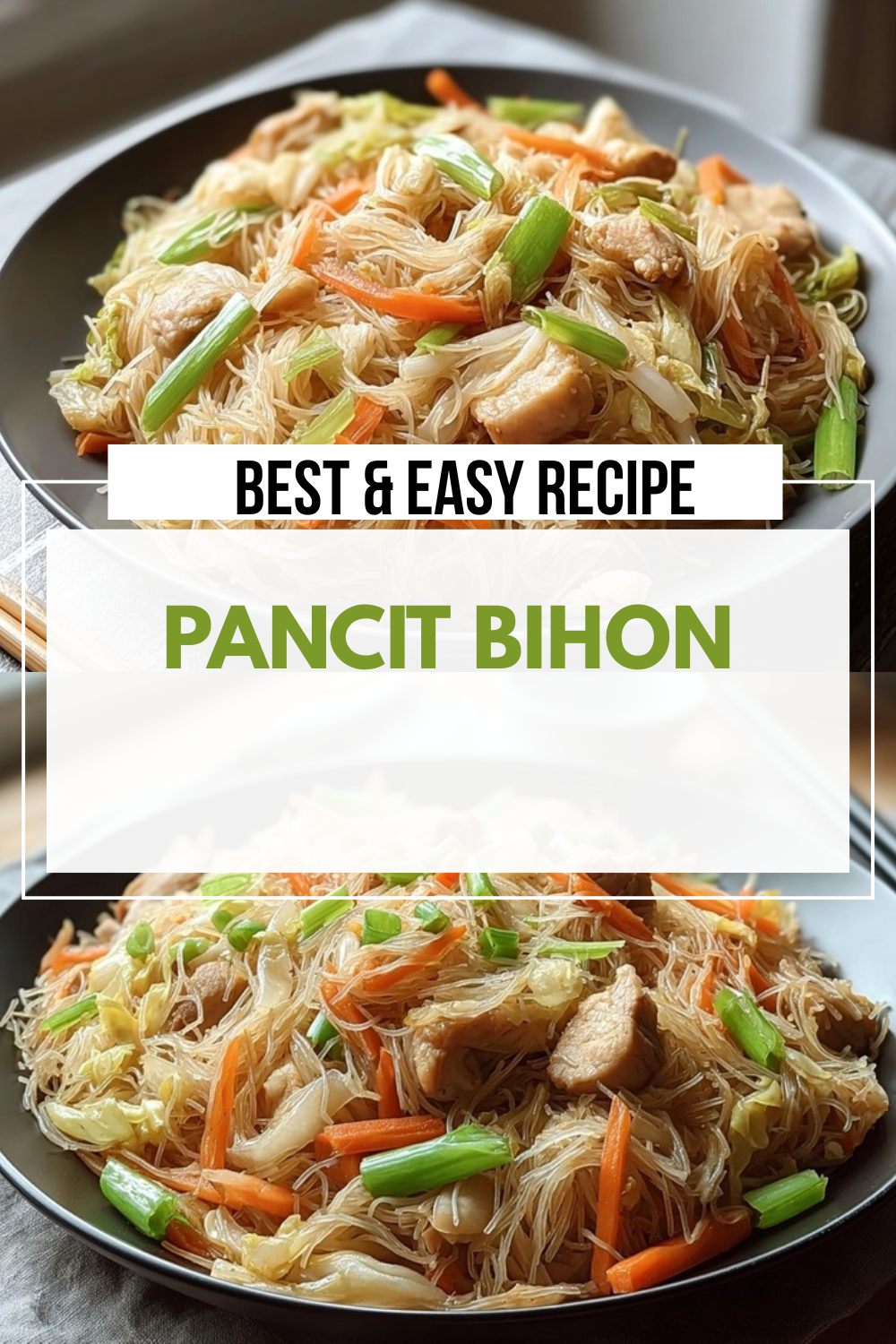
Pancit Bihon is one of those filipino pancit dishes that feels right at home on a busy weeknight or at a big family gathering. This pancit bihon recipe brings together tender noodles, savory meat, and crisp vegetables in a way that is simple, filling, and full of flavor. If you have been looking for an easy pancit bihon recipe, this one checks all the boxes.
- Easy to make: This bihon guisado comes together fast with basic pantry ingredients. Once the vegetables and proteins are prepped, the dish cooks in one pan, which makes cleanup easier for busy parents, students, and working professionals.
- Balanced and satisfying: With chicken, pork, cabbage, carrot, snow peas, and celery leaves, this filipino noodles dish gives you protein, fiber, and plenty of color in every bite. It feels hearty without being heavy.
- Flexible for different diets: You can adjust the meat, reduce the soy sauce, or add more vegetables to fit your needs. That makes this pancit bihon guisado recipe a smart choice for family meals, meal prep, or special occasions.
- Classic savory flavor: Garlic, onion, soy sauce, and chicken powder create that comforting taste people expect from authentic pancit bihon. The noodles soak up the sauce beautifully, so every forkful tastes rich and savory.
Pancit bihon is the kind of dish that tastes like home, even if it is your first time making it.
For readers who enjoy Filipino comfort food, this dish is a great starting point. If you also like simple savory meals, you may enjoy our home cooking recipes on Flavors by Design for more easy ideas that fit real life.
Jump to:
- Why You’ll Love This Pancit Bihon
- Essential Ingredients for Pancit Bihon
- Main ingredients
- Special dietary options
- How to Prepare the Perfect Pancit Bihon: Step-by-Step Guide
- Step 1: Prep all ingredients first
- Step 2: Soften the noodles
- Step 3: Sauté the aromatics
- Step 4: Cook the pork and chicken
- Step 5: Build the sauce
- Step 6: Add the vegetables
- Step 7: Add the noodles
- Step 8: Check the seasoning
- Step 9: Finish and serve
- Simple cooking timeline
- Dietary Substitutions to Customize Your Pancit Bihon
- Protein and main component alternatives
- Vegetable, sauce, and seasoning modifications
- Mastering Pancit Bihon: Advanced Tips and Variations
- Pro cooking techniques
- Flavor variations
- Presentation tips
- Make-ahead options
- How to Store Pancit Bihon: Best Practices
- Refrigeration
- Freezing
- Reheating
- Meal prep considerations
- FAQs: Frequently Asked Questions About Pancit Bihon
- What is pancit bihon?
- What ingredients do I need for pancit bihon?
- How do you make pancit bihon step by step?
- How do you store pancit bihon safely?
- How long does pancit bihon last in the fridge?
- Pancit Bihon
- Ingredients
- Instructions
- Last Step:
- Notes
- Nutrition
- Did you make this recipe?
Essential Ingredients for Pancit Bihon
One reason Pancit Bihon stays so popular is that it uses everyday ingredients that are easy to find. The combination of rice noodles, meat, vegetables, and a savory sauce gives you that classic pancit bihon recipe taste without needing anything fancy.
Main ingredients
- 1 pound pancit bihon rice noodles – These thin noodles are the base of the dish and soak up the sauce well.
- 1/2 pound pork cut into small thin slices – Adds rich flavor and a hearty bite to the pancit noodles.
- 1/2 pound chicken cooked, deboned, and cut into thin slices – Brings tender protein and a mild taste that works well with soy sauce.
- 1/8 pound snow peas – Adds a fresh crunch and bright color.
- 1 cup carrot – Gives sweetness, texture, and a nice golden color.
- 1/2 small cabbage chopped – Bulks up the dish with soft, tender greens.
- 1 cup celery leaves chopped finely – Adds a fresh, aromatic finish.
- 1 onion chopped – Builds the flavor base.
- 1/2 tablespoon garlic minced – Gives the dish its classic savory aroma.
- 2 teaspoons chicken powder – Deepens the broth flavor and adds extra savoriness.
- 5 tablespoons soy sauce – Seasons the noodles and gives the dish its signature color.
- 3 to 4 cups water – Helps cook and soften the noodles while blending the flavors.
- 3 tablespoons cooking oil – Used for sautéing the aromatics and proteins.
Special dietary options
- Vegan: Swap the pork and chicken for tofu, mushrooms, or tempeh. Use vegetable broth and a plant-based seasoning instead of chicken powder.
- Gluten-free: Choose pure rice noodles and check that your soy sauce is labeled gluten-free or use tamari.
- Low-calorie: Add extra cabbage, celery leaves, and snow peas while reducing the oil slightly and using lean chicken only.
For more background on the protein in this dish, you can read this helpful guide to the health benefits of chicken. If you are curious about noodle types, this rice noodle guide is also useful.
How to Prepare the Perfect Pancit Bihon: Step-by-Step Guide
Step 1: Prep all ingredients first
Start by gathering and measuring everything before you turn on the stove. Slice the pork thinly, shred or slice the cooked chicken, chop the onion, mince the garlic, cut the carrot into thin strips, chop the cabbage, and rinse the snow peas. Having everything ready makes this easy pancit bihon recipe move quickly once the pan gets hot.
Step 2: Soften the noodles
Place the 1 pound pancit bihon rice noodles in a bowl and set them aside for now. In many kitchens, bihon noodles are softened with warm water before cooking, but because this recipe uses broth-style liquid in the pan, you can let them hydrate as they cook. If your noodles feel very dry, a quick soak in warm water for a few minutes can help. Just do not let them get too soft, or they may break apart later.
Step 3: Sauté the aromatics
Heat 3 tablespoons cooking oil in a large wok or deep skillet over medium heat. Add the chopped onion and minced garlic, then cook for about 1 to 2 minutes until fragrant. This is the flavor base of the whole pancit bihon guisado recipe, so take your time here. The onions should soften, and the garlic should smell rich but not browned.
Step 4: Cook the pork and chicken
Add the 1/2 pound pork slices to the pan and stir-fry for 3 to 4 minutes. Then add the 1/2 pound cooked, deboned chicken slices and toss everything together. Since the chicken is already cooked, it only needs enough time to warm through and pick up the garlic-onion flavor. If you prefer a lighter dish, you can use more chicken and less pork, or skip the pork entirely and still make a tasty filipino noodles dish.
Step 5: Build the sauce
Pour in 5 tablespoons soy sauce, 2 teaspoons chicken powder, and 3 to 4 cups water. Stir well so the chicken powder dissolves completely. The liquid should look lightly brown and smell savory right away. Let it come to a gentle simmer. This is what gives the noodles their signature taste and helps create that classic authentic pancit bihon flavor.
Step 6: Add the vegetables
Add the carrot, cabbage, snow peas, and celery leaves. Stir them into the sauce and let them cook for 2 to 3 minutes. You want the vegetables tender but still a little crisp. Once you stirred in the veggies, let them simmer for a minute to soak up all that savory goodness and enjoy the burst of flavors in every bite. That little bit of texture is what makes filipino pancit so satisfying.
Step 7: Add the noodles
Place the pancit bihon noodles into the pan and gently mix them into the liquid. Use tongs or two spatulas to lift and turn the noodles so they absorb the sauce evenly. Keep stirring until the noodles soften and the liquid is mostly absorbed. This usually takes 3 to 5 minutes, depending on the brand of noodles and how much water is left in the pan.
Step 8: Check the seasoning
Taste the noodles and decide if you want more soy sauce or a little extra water. Some people like their pancit bihon a bit darker and saltier, while others prefer a lighter finish. If you are cooking for kids or diet-conscious eaters, go easy on the soy sauce and let the vegetables and chicken add most of the flavor.
Step 9: Finish and serve
When the noodles are tender and coated in sauce, turn off the heat. Transfer the pancit bihon to a serving plate or large bowl. Garnish with extra celery leaves or a squeeze of calamansi or lemon if you like a brighter finish. Serve it hot as a main meal or as part of a bigger Filipino spread.
Tip: Keep tossing the noodles gently so they do not clump together or break.
Simple cooking timeline
| Step | Time | What to look for |
|---|---|---|
| Sauté aromatics | 1 to 2 minutes | Fragrant onion and garlic |
| Cook pork and chicken | 3 to 4 minutes | Meat heated through |
| Simmer with liquid | 2 to 3 minutes | Light brown savory broth |
| Add noodles and finish | 3 to 5 minutes | Noodles soft and coated |

Dietary Substitutions to Customize Your Pancit Bihon
Protein and main component alternatives
If you want to make Pancit Bihon fit your pantry or diet, there are plenty of easy swaps. You can replace the pork with shrimp, chicken thighs, tofu, or even leftover rotisserie chicken. For a vegetarian version, skip the meat and add mushrooms, cabbage, snap peas, and extra carrots for a filling bowl of bihon guisado.
For a lighter meal, use all chicken and leave out the pork. That keeps the dish lean while still giving you the comforting taste people expect from pancit bihon recipe. If you need a gluten-free version, make sure your rice noodles and soy sauce are both certified gluten-free.
Vegetable, sauce, and seasoning modifications
Vegetables are easy to change based on what is fresh. Green beans, bell peppers, bok choy, pechay, or bean sprouts all work well in pancit noodles. If you want a stronger savory taste, add a little more soy sauce or a splash of broth. If you prefer a softer flavor, use less soy sauce and more water.
Chicken powder gives the dish extra depth, but you can replace it with vegetable bouillon or mushroom seasoning if needed. For people watching sodium, use low-sodium soy sauce and add herbs, garlic, and citrus at the table instead. These small changes let you keep the spirit of authentic pancit bihon while fitting your own needs.
Mastering Pancit Bihon: Advanced Tips and Variations
Pro cooking techniques
For the best texture, avoid overcooking the noodles. Pancit bihon should be tender but still springy. If your pan is small, cook in batches so the noodles have room to move. A wide wok works best because it helps the liquid coat everything evenly. If the noodles start to clump, splash in a little more water and gently loosen them with tongs.
Another smart trick is to keep the vegetables slightly crisp. That gives the dish a fresh bite and helps the final bowl feel lighter. For extra flavor, let the onion and garlic cook just long enough to turn fragrant before adding the meat. That one step makes a big difference in the overall taste of this filipino pancit.
Flavor variations
You can change the flavor profile without losing the heart of the dish. Add a little oyster sauce for a deeper savory note, or use calamansi juice at the table for brightness. Some cooks like to add shrimp for a seafood version, while others throw in leftover roast pork or sliced hot dog for a more festive feel. These changes still work well with the base pancit bihon guisado recipe.
If you like more color, add bell peppers or purple cabbage. If you want a more comforting version, add extra chicken and a bit more broth so the noodles stay moist. Small changes can make this easy pancit bihon recipe feel new every time you make it.
Presentation tips
Serve Pancit Bihon on a large platter so the noodles look inviting and easy to share. Top with celery leaves, sliced green onions, or lemon wedges for a fresh finish. A bright garnish makes the dish look festive, which is perfect for birthdays, potlucks, and holiday meals.
Make-ahead options
You can chop the vegetables, slice the meats, and measure the soy sauce earlier in the day. Store everything separately in the fridge until cooking time. If you are meal prepping, cook the noodles just until tender so they do not get mushy when reheated later. This makes the recipe practical for students, busy parents, and working professionals who want something fast after a long day.
How to Store Pancit Bihon: Best Practices
Refrigeration
Let Pancit Bihon cool before storing it, then place it in an airtight container. It keeps well in the refrigerator for 3 to 5 days. The noodles may absorb more sauce over time, so they can soften a little, but the flavor stays good.
Freezing
If you want to store it longer, portion the noodles into freezer-safe bags or containers. Freeze for up to 2 to 3 months. For best results, freeze smaller portions so they thaw more evenly and reheat faster.
Reheating
To reheat, place the noodles in a skillet with a splash of water or broth. Warm over medium heat, stirring gently until heated through. You can also use the microwave, but cover the dish and add a spoonful of liquid so the noodles do not dry out. Stir halfway through for even heating.
Meal prep considerations
Pancit bihon works well for meal prep because it holds up better than many other noodle dishes. Keep garnishes separate and add fresh citrus after reheating. If you are making a big batch for the week, store it in single portions so lunch or dinner is easy to grab and go.
FAQs: Frequently Asked Questions About Pancit Bihon
What is pancit bihon?
Pancit bihon is a popular Filipino noodle dish made with thin transparent rice noodles stir-fried with meat, seafood, and vegetables. It originated from Chinese influences in the Philippines and is a staple at celebrations like birthdays for its “long life” symbolism due to the long noodles. Key flavors come from soy sauce, garlic, onions, and citrus like calamansi or lemon squeezed on top. Common proteins include chicken, pork, or shrimp, paired with cabbage, carrots, green beans, and bell peppers. It’s quick to prepare, typically ready in 30 minutes, and serves as a complete meal. Avoid cutting the noodles before serving to preserve the tradition. This dish is gluten-free if using pure rice noodles and can be customized for vegetarian versions by skipping meat.
What ingredients do I need for pancit bihon?
For a standard pancit bihon serving 4-6 people, gather these ingredients: 8 oz dried bihon rice noodles, 1/2 lb chicken or pork (sliced thin), 1/2 lb shrimp (optional, peeled), 2 cups shredded cabbage, 1 carrot julienned, 1 cup green beans sliced, 1 bell pepper sliced, 4 garlic cloves minced, 1 onion sliced, 1/4 cup soy sauce, 2 tbsp oyster sauce, 2 cups chicken broth, 2 tbsp cooking oil, salt, pepper, and lemon wedges for serving. Soak noodles in warm water for 10 minutes until soft. Stir-fry proteins first, add veggies, then sauces and broth, finally tossing in drained noodles. Adjust soy sauce for saltiness. Total cost is budget-friendly at under $10.
How do you make pancit bihon step by step?
Start by soaking 8 oz bihon noodles in warm water for 10 minutes, then drain. Heat 2 tbsp oil in a wok over medium-high heat. Sauté 4 minced garlic cloves and 1 sliced onion until fragrant, about 2 minutes. Add 1/2 lb sliced chicken or pork; cook until browned, 5 minutes. Toss in shrimp if using, cook 2 minutes. Add veggies: 1 julienned carrot, 1 cup sliced green beans, 1 sliced bell pepper, and 2 cups shredded cabbage; stir-fry 3-4 minutes. Pour in 1/4 cup soy sauce, 2 tbsp oyster sauce, and 2 cups chicken broth. Simmer 2 minutes, then add noodles. Toss everything 3-5 minutes until sauce absorbs and noodles soften. Season with pepper. Serve hot with lemon wedges. Prep and cook time: 30 minutes.
How do you store pancit bihon safely?
To store pancit bihon safely, first cool it to room temperature within 2 hours of cooking to prevent bacterial growth—spread it out on a plate if needed. Transfer to an airtight container or zip-top bag, avoiding overcrowding. Refrigerate for up to 5 days; it stays fresh if kept at 40°F (4°C) or below. For best texture, reheat in a skillet with a splash of broth or water to loosen noodles, stirring over medium heat for 3-5 minutes. Do not leave at room temperature longer than 2 hours. Check for off smells or sliminess before eating. Freezing extends life to 2-3 months: portion into freezer bags, thaw overnight in fridge, then reheat. This keeps flavor and safety intact.
How long does pancit bihon last in the fridge?
Cooked pancit bihon lasts 3-5 days in the fridge when stored properly in an airtight container at 40°F (4°C) or colder. Noodles soften slightly over time due to moisture, but flavors hold up well. Consume within 3 days for peak taste and texture. Signs it’s gone bad: sour smell, discoloration, or mold. Reheat thoroughly to 165°F (74°C) internal temperature—use a skillet, microwave with damp paper towel, or steam. Add fresh veggies or lemon when reheating for revival. For longer storage, freeze in portions: it keeps 2-3 months without quality loss. Thaw in fridge overnight. USDA guidelines confirm leftovers safe for 3-4 days refrigerated, reducing food waste while prioritizing safety.
Pancit Bihon
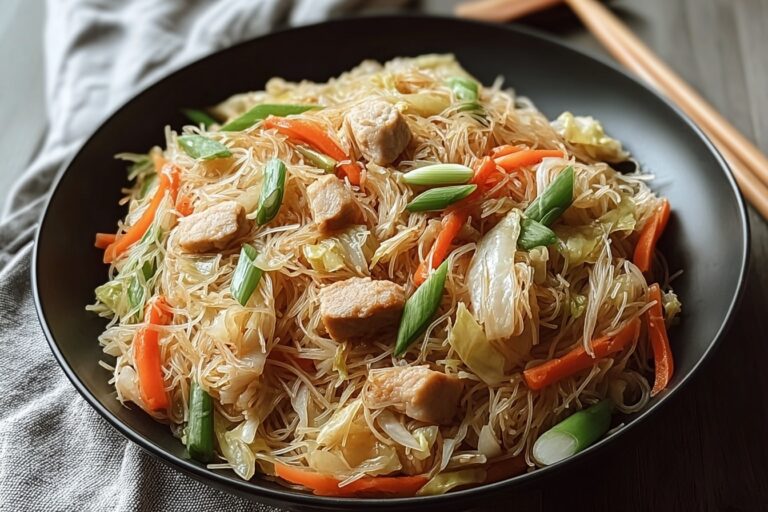
🍜 Savor this easy, one-pan Filipino noodle stir-fry brimming with tender meats, crisp veggies, and umami flavors for a fast family favorite!
🥢 Budget-friendly, customizable, and packed with nutrients, it’s the perfect simple authentic dish for busy weeknights or celebrations.
- Total Time: 35 minutes
- Yield: 6 servings
Ingredients
– 1 pound pancit bihon rice noodles
– 1/2 pound pork cut into small thin slices
– 1/2 pound chicken cooked, deboned, and cut into thin slices
– 1/8 pound snow peas
– 1 cup carrot
– 1/2 small cabbage chopped
– 1 cup celery leaves chopped finely
– 1 onion chopped
– 1/2 tablespoon garlic minced
– 2 teaspoons chicken powder
– 5 tablespoons soy sauce
– 3 to 4 cups water
– 3 tablespoons cooking oil
Instructions
1-Step 1: Prep all ingredients first Start by gathering and measuring everything before you turn on the stove. Slice the pork thinly, shred or slice the cooked chicken, chop the onion, mince the garlic, cut the carrot into thin strips, chop the cabbage, and rinse the snow peas. Having everything ready makes this easy pancit bihon recipe move quickly once the pan gets hot.
2-Step 2: Soften the noodles Place the 1 pound pancit bihon rice noodles in a bowl and set them aside for now. In many kitchens, bihon noodles are softened with warm water before cooking, but because this recipe uses broth-style liquid in the pan, you can let them hydrate as they cook. If your noodles feel very dry, a quick soak in warm water for a few minutes can help. Just do not let them get too soft, or they may break apart later.
3-Step 3: Sauté the aromatics Heat 3 tablespoons cooking oil in a large wok or deep skillet over medium heat. Add the chopped onion and minced garlic, then cook for about 1 to 2 minutes until fragrant. This is the flavor base of the whole pancit bihon guisado recipe, so take your time here. The onions should soften, and the garlic should smell rich but not browned.
4-Step 4: Cook the pork and chicken Add the 1/2 pound pork slices to the pan and stir-fry for 3 to 4 minutes. Then add the 1/2 pound cooked, deboned chicken slices and toss everything together. Since the chicken is already cooked, it only needs enough time to warm through and pick up the garlic-onion flavor. If you prefer a lighter dish, you can use more chicken and less pork, or skip the pork entirely and still make a tasty filipino noodles dish.
5-Step 5: Build the sauce Pour in 5 tablespoons soy sauce, 2 teaspoons chicken powder, and 3 to 4 cups water. Stir well so the chicken powder dissolves completely. The liquid should look lightly brown and smell savory right away. Let it come to a gentle simmer. This is what gives the noodles their signature taste and helps create that classic authentic pancit bihon flavor.
6-Step 6: Add the vegetables Add the carrot, cabbage, snow peas, and celery leaves. Stir them into the sauce and let them cook for 2 to 3 minutes. You want the vegetables tender but still a little crisp. Once you stirred in the veggies, let them simmer for a minute to soak up all that savory goodness and enjoy the burst of flavors in every bite. That little bit of texture is what makes filipino pancit so satisfying.
7-Step 7: Add the noodles Place the pancit bihon noodles into the pan and gently mix them into the liquid. Use tongs or two spatulas to lift and turn the noodles so they absorb the sauce evenly. Keep stirring until the noodles soften and the liquid is mostly absorbed. This usually takes 3 to 5 minutes, depending on the brand of noodles and how much water is left in the pan.
8-Step 8: Check the seasoning Taste the noodles and decide if you want more soy sauce or a little extra water. Some people like their pancit bihon a bit darker and saltier, while others prefer a lighter finish. If you are cooking for kids or diet-conscious eaters, go easy on the soy sauce and let the vegetables and chicken add most of the flavor.
9-Step 9: Finish and serve When the noodles are tender and coated in sauce, turn off the heat. Transfer the pancit bihon to a serving plate or large bowl. Garnish with extra celery leaves or a squeeze of calamansi or lemon if you like a brighter finish. Serve it hot as a main meal or as part of a bigger Filipino spread.
Last Step:
Please leave a rating and comment letting us know how you liked this recipe! This helps our business to thrive and continue providing free, high-quality recipes for you.Notes
🍜 Pre-soak rice noodles in warm water to ensure they cook evenly without breaking.
🥕 Introduce harder vegetables like carrots first, then softer greens to maintain crunch.
🔥 A hot wok on high heat prevents soggy noodles and enhances wok hei flavor.
- Prep Time: 15 minutes
- Cook Time: 20 minutes
- Category: Main Dishes
- Method: Stovetop
- Cuisine: Filipino
Nutrition
- Serving Size: 1 serving
- Calories: 450 kcal
- Sugar: 5g
- Sodium: 1200mg
- Fat: 15g
- Saturated Fat: 4g
- Unsaturated Fat: 10g
- Trans Fat: 0g
- Carbohydrates: 60g
- Fiber: 4g
- Protein: 25g
- Cholesterol: 50mg