
Why You Will Love These Peanut Butter Eggs
If you are looking for a quick treat that tastes like it came from a candy shop, these Peanut Butter Eggs are a great pick. This peanut butter eggs recipe uses simple pantry staples, comes together fast, and gives you that classic chocolate and peanut butter combo everyone loves.
- Easy to make: You only need a few ingredients and no oven. That makes this a great no bake peanut butter eggs recipe for busy days, holiday prep, or a last-minute dessert idea.
- Family friendly: Kids, teens, and adults all love the sweet filling and smooth chocolate shell. It is a fun recipe to make with helpers in the kitchen too.
- Budget friendly: Homemade peanut butter eggs use basic ingredients you may already have on hand, which makes them a smart choice for home cooks who want a special treat without spending much.
- Great for gifting: These chocolate peanut butter eggs look festive on a platter, in treat bags, or boxed up for Easter baskets and party favors.
For readers who enjoy candy-style desserts, this homemade peanut butter eggs recipe gives you the same creamy center and chocolate coating you expect from a peanut butter eggs Reece copycat style treat, without needing to buy packaged candy. If you like simple sweets, you may also enjoy our peanut butter and jelly pancakes for another peanut butter favorite.
If you are craving a quick treat, just mix peanut butter with butter and sugar, shape it into eggs, and dip them in melted chocolate for a homemade version of your favorite candy.
Jump to:
- Why You Will Love These Peanut Butter Eggs
- Essential Ingredients for Peanut Butter Eggs
- Special Dietary Options
- How to Prepare the Perfect Peanut Butter Eggs Step by Step
- First Step: Mix the filling
- Second Step: Chill the dough
- Third Step: Shape the eggs
- Fourth Step: Freeze before dipping
- Fifth Step: Melt the chocolate
- Sixth Step: Dip each egg
- Seventh Step: Add finishing touches
- Final Step: Serve and enjoy
- Protein and Main Component Alternatives
- Nut butter swaps
- Texture and sweetness adjustments
- Chocolate coating alternatives
- Better-for-you swaps
- Vegetable, Sauce, and Seasoning Modifications
- Chocolate and coating variations
- Flavor additions
- Seasonal ideas
- Mastering Peanut Butter Eggs: Advanced Tips and Variations
- Pro cooking techniques
- Flavor variations
- Presentation tips
- Make-ahead options
- How to Store Peanut Butter Eggs Best Practices
- Refrigeration
- Freezing
- Reheating
- Meal prep considerations
- FAQs: Frequently Asked Questions About Peanut Butter Eggs
- What ingredients are needed for homemade peanut butter eggs?
- Can I use different types of chocolate for peanut butter eggs?
- What can I use instead of peanut butter in peanut butter eggs?
- How long do homemade peanut butter eggs last and how should I store them?
- Can you freeze peanut butter eggs and how do you thaw them?
- Peanut Butter Eggs
- Ingredients
- Notes
- Nutrition
- Did you make this recipe?
Essential Ingredients for Peanut Butter Eggs
This simple peanut butter eggs recipe uses just six main ingredients. Each one matters, so use the measurements below for the best texture and flavor.
- 1 cup creamy peanut butter: Gives the filling its rich peanut flavor and smooth texture.
- 1/2 cup unsalted butter: Helps bind the filling and adds a soft, creamy bite.
- 2 cups powdered sugar: Sweetens the filling and gives it the firm shape needed for molding.
- 1/4 teaspoon salt: Balances the sweetness and makes the peanut butter taste deeper.
- 1 teaspoon vanilla extract: Adds warmth and rounds out the flavor.
- 2 cups milk chocolate for dipping: Creates the candy shell that makes these chocolate peanut butter eggs extra satisfying.
| Ingredient | Amount | Why It Matters |
|---|---|---|
| Creamy peanut butter | 1 cup | Builds the classic filling |
| Unsalted butter | 1/2 cup | Softens and holds the mixture together |
| Powdered sugar | 2 cups | Helps shape the eggs |
| Salt | 1/4 teaspoon | Balances sweetness |
| Vanilla extract | 1 teaspoon | Brings extra flavor |
| Milk chocolate | 2 cups | Forms the candy coating |
Special Dietary Options
Vegan: Use plant-based butter and dairy-free chocolate chips. Natural peanut butter can work too, but you may need a little extra powdered sugar for structure.
Gluten-free: This recipe is naturally gluten-free if your chocolate and vanilla are certified gluten-free.
Low-calorie: For a lighter version, reduce the filling size slightly and use dark chocolate in a thin layer. You can also make mini eggs instead of larger ones.
If you enjoy easy bakes and sweet snacks, you may also like our almond croissant bites for another simple treat idea.
How to Prepare the Perfect Peanut Butter Eggs Step by Step
First Step: Mix the filling
Start by placing the 1 cup creamy peanut butter, 1/2 cup softened unsalted butter, 2 cups powdered sugar, 1/4 teaspoon salt, and 1 teaspoon vanilla extract in a medium mixing bowl. Stir with a sturdy spoon or hand mixer until the mixture becomes thick, smooth, and dough-like. If it feels too soft to shape, add a little more powdered sugar, 1 tablespoon at a time. If it feels too dry, let it sit for a minute so the butter softens further. This step usually takes about 3 to 5 minutes.
Second Step: Chill the dough
Cover the bowl and chill the peanut butter mixture in the refrigerator for 20 to 30 minutes. Chilling makes the dough easier to handle and helps the eggs keep their shape. If you are in a hurry, you can place it in the freezer for about 10 to 15 minutes, but check it often so it does not harden too much. This is one of the best tricks for a quick and easy peanut butter eggs recipe because the filling becomes much easier to mold.
Third Step: Shape the eggs
Once the mixture is firm, scoop out tablespoon-sized portions and roll them into balls. Then gently shape each ball into an egg form by pinching one end a little narrower than the other. Place each shaped piece on a parchment-lined baking sheet. You should get about 20 small eggs, depending on size. If the mixture sticks to your hands, lightly coat your palms with powdered sugar.
Fourth Step: Freeze before dipping
Put the tray in the freezer for 15 to 20 minutes. This short freeze helps the eggs stay firm when they hit the melted chocolate. Cold filling also helps the coating set faster and makes dipping much easier. Do not skip this step if you want clean edges and a smooth finish. For more holiday candy ideas, you can also browse these year-round candy recipe ideas.
Fifth Step: Melt the chocolate
Place the 2 cups milk chocolate in a microwave-safe bowl. Heat it in 30-second bursts, stirring after each round until smooth. If the chocolate seems too thick, let it rest for 30 seconds and stir again. You can also melt it using a double boiler if you prefer more control. Smooth chocolate gives you the best coating for homemade peanut butter eggs.
Sixth Step: Dip each egg
Using a fork or dipping tool, lower one chilled egg into the melted chocolate. Turn it gently to coat all sides, then lift it out and let the excess chocolate drip off. Place it back on the parchment-lined tray. If you want a neater look, use a second fork to help slide the egg off the dipping fork. Work in small batches so the filling stays cold while you coat the rest.
Seventh Step: Add finishing touches
Before the chocolate sets, add sprinkles, a light drizzle of melted white chocolate, or a tiny pinch of sea salt if you want extra style. Then let the eggs sit at room temperature for a few minutes, or place them in the refrigerator for about 10 minutes to firm up completely. The result is a smooth, sweet treat with a creamy center and a crisp shell.
Final Step: Serve and enjoy
Once the chocolate is set, move the eggs to a serving plate or storage container. These are great for Easter trays, dessert boxes, lunchbox treats, and party platters. Because this is a no bake peanut butter eggs recipe, you can make them without heating up the kitchen. That is especially helpful for busy parents, students, and working professionals who want a fast dessert with very little cleanup.
Protein and Main Component Alternatives
Even though classic Peanut Butter Eggs use creamy peanut butter, you can still make a similar treat with a few swaps if needed. These options help with allergies, texture preferences, and ingredient availability.
Nut butter swaps
Almond butter, cashew butter, and sunflower seed butter all work well in place of peanut butter. Almond butter gives a slightly earthy taste, while cashew butter makes a milder, softer filling. Sunflower seed butter is a smart choice for nut-free homes, especially when you are packing treats for school events or mixed crowds.
Texture and sweetness adjustments
Some nut and seed butters are runnier than peanut butter, so you may need to add extra powdered sugar, 1 to 1/2 cup at a time, until the mixture is thick enough to shape. If the substitute tastes less sweet, a tiny extra pinch of salt can help balance the flavor. For a stronger candy texture, chill the dough a little longer before forming the eggs.
Chocolate coating alternatives
Milk chocolate is classic, but dark chocolate works well if you want a less sweet finish. White chocolate makes the eggs look pretty and festive, especially for spring. Candy melts are also easy to use because they set quickly and come in many colors. This makes the recipe flexible for party hosts and baking enthusiasts who like to match colors to an event theme.
Better-for-you swaps
If you want a lighter treat, choose a darker chocolate coating and make smaller eggs. You can also reduce the sugar a little, though the filling will be softer. For diet-conscious readers, this recipe still works well as an occasional sweet because the ingredient list is short and simple.
Vegetable, Sauce, and Seasoning Modifications
Peanut Butter Eggs are a sweet recipe, so there are no vegetables here, but there are plenty of ways to change the coating and flavoring. Small tweaks can make the treat fit different seasons, holidays, and taste preferences.
Chocolate and coating variations
Try dark chocolate for a richer bite, white chocolate for a lighter candy look, or colorful candy melts for Easter and spring trays. You can also drizzle contrasting chocolate over the top once the coating sets. This adds a bakery-style look without much effort.
Flavor additions
A tiny pinch of cinnamon can add warmth, while a splash of almond extract can give a more dessert-like flavor. If you like salty-sweet desserts, finish the tops with a few flakes of sea salt. For a festive touch, roll the shaped eggs in finely chopped peanuts before dipping, though that will add crunch.
Seasonal ideas
For Easter, decorate with pastel sprinkles. For winter holiday trays, use red and green candy melts. For school bake sales or birthday parties, drizzle the eggs with colored chocolate and package them in small paper cups. These small changes make the same basic recipe feel new each time.
If you enjoy easy comfort recipes with a sweet twist, you may also like our blueberry banana muffins for a simple homemade snack.
Mastering Peanut Butter Eggs: Advanced Tips and Variations
Pro cooking techniques
For the smoothest filling, make sure the butter is truly softened before mixing. Cold butter can leave little lumps, while overly warm butter can make the mixture too loose. If you want very clean edges, shape the eggs, then freeze them until they feel firm to the touch before dipping. Also, melt the chocolate slowly so it stays glossy and does not seize.
Flavor variations
You can stir mini chocolate chips into the filling for a crunchier bite, or mix in crushed pretzels for a sweet and salty twist. A little cocoa powder can make the center taste more like a candy truffle. For a peanut butter eggs recipe that feels even closer to a store-bought treat, use milk chocolate on the outside and keep the filling extra smooth.
Presentation tips
Place the finished eggs on a parchment-lined tray, then transfer them to a pretty plate once set. If you are serving them at a party, add paper candy cups for a neat look. A drizzle of white chocolate or a tiny sprinkle of colored sugar makes them feel special without much extra work.
Make-ahead options
This is one of the best desserts to prep ahead for holidays. You can make the filling a day early, shape the eggs, and chill them until you are ready to dip. You can also fully coat them and store them in the fridge for later. That makes homemade peanut butter eggs a smart choice for busy parents, students, and party hosts who want dessert ready before guests arrive.
Tip: If the filling starts to soften while you work, pop the tray back into the fridge for a few minutes. Cold centers are easier to dip and help the chocolate set faster.
How to Store Peanut Butter Eggs Best Practices
Proper storage keeps Peanut Butter Eggs tasting fresh and helps the chocolate stay smooth. Since the filling is soft, cool storage works best.
Refrigeration
Store the eggs in an airtight container in the refrigerator for up to 2 weeks. If you are stacking them, place parchment paper between layers so they do not stick together. This is the easiest option for short-term storage and everyday snacking.
Freezing
For longer storage, freeze the finished eggs in a single layer first. Once solid, move them to a freezer bag or freezer-safe container. They can last up to 3 months this way. To serve, thaw them in the refrigerator overnight so the chocolate stays in good shape and the filling keeps its texture.
Reheating
You do not need to reheat these treats. In fact, keeping them cold is the best way to protect the chocolate coating. If they have been stored in the freezer, let them thaw slowly in the fridge rather than on the counter.
Meal prep considerations
Make a double batch if you are preparing dessert for holidays, gifts, or potlucks. You can shape the filling in advance and dip later, or fully finish the candies and store them for easy grab-and-go treats. This simple system works well for working professionals and anyone who likes planning ahead.

FAQs: Frequently Asked Questions About Peanut Butter Eggs
What ingredients are needed for homemade peanut butter eggs?
Homemade peanut butter eggs require just six basic ingredients: 1 cup creamy peanut butter, 1/4 cup unsalted butter (softened), 2 cups powdered sugar, 1/4 teaspoon salt, 1 teaspoon vanilla extract, and 12 ounces milk chocolate chips or bars for coating. Mix the peanut butter, butter, powdered sugar, salt, and vanilla until a dough forms. Shape into eggs, chill, then dip in melted chocolate. This simple recipe yields about 20 eggs and takes under 30 minutes of active time. Adjust powdered sugar for firmer texture if needed. Store in the fridge for up to two weeks. No baking required—perfect for Easter or any treat occasion. (78 words)
Can I use different types of chocolate for peanut butter eggs?
Yes, swap milk chocolate for dark chocolate chips (for less sweetness) or white chocolate chips (ideal for Easter with pastel colors). Use candy melts for easy dipping and add spring designs like sprinkles or drizzles. Melt 12 ounces in the microwave in 30-second bursts, stirring until smooth, then dip chilled peanut butter eggs using a fork. Let excess drip off on a wire rack before setting on parchment paper. Refrigerate 10 minutes to harden. This keeps the recipe flexible while maintaining crisp coating. Avoid bittersweet if you prefer milder flavor. (92 words)
What can I use instead of peanut butter in peanut butter eggs?
Replace peanut butter with almond butter, cashew butter, or sunflower seed butter for a nut-free option. Use 1 cup for the same yield. Note that other butters may be runnier or less sweet, so add extra powdered sugar (up to 1/2 cup) and taste-test for balance. For example, unsweetened almond butter needs more sugar and a pinch of salt. Mix as directed, chill the dough 30 minutes for easier shaping, and proceed with chocolate coating. This tweak makes the eggs allergy-friendly without losing creaminess. Results in 20 eggs. (89 words)
How long do homemade peanut butter eggs last and how should I store them?
Store peanut butter eggs in an airtight container in the fridge for up to 2 weeks, or at room temperature for 3-5 days in cooler weather. Layer with parchment to prevent sticking. For longer storage, freeze in a single layer on a tray first, then transfer to a freezer bag for up to 3 months. Thaw in the fridge overnight—no sogginess. Avoid humid spots to keep chocolate shiny. Label bags with dates for freshness. This method preserves texture and flavor perfectly. (82 words)
Can you freeze peanut butter eggs and how do you thaw them?
Yes, freezing works great for peanut butter eggs. After coating and setting, flash-freeze on a parchment-lined tray for 2 hours, then store in freezer bags for 2-3 months. They stay fresh without absorbing odors. Thaw in the fridge for 4-6 hours or overnight—never at room temperature to avoid melting. Once thawed, the filling firms up like fresh. Great for holiday prep: make ahead and portion for gifts. Each egg has about 150 calories, with 12g sugar and 8g fat per serving. (84 words)
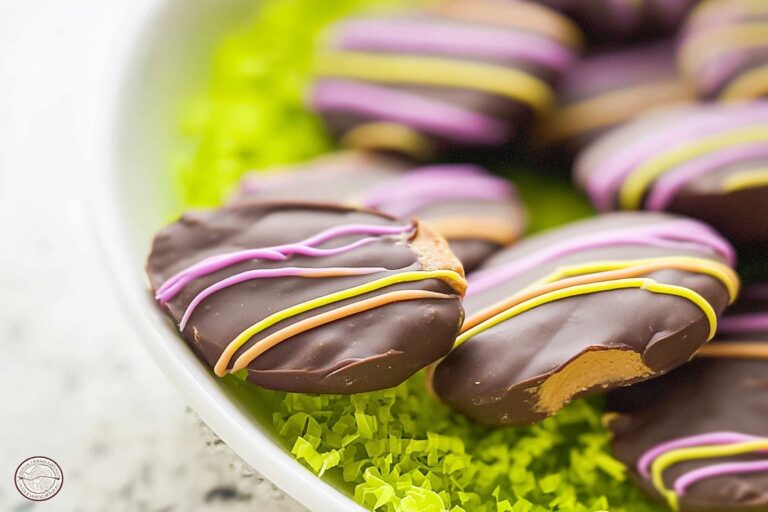
Peanut Butter Eggs
🥜 Satisfy cravings with quick Peanut Butter Eggs blending creamy PB filling and milk chocolate coating for a protein-packed, indulgent treat ready in under 30 minutes active time.
🍫 These no-bake homemade delights mimic Reese’s perfection—easy for holidays, parties, or snacking, with customizable shapes and simple pantry ingredients.
- Total Time: 1 hour 20 minutes
- Yield: 24 eggs
Ingredients
– 1 cup creamy peanut butter for building the classic filling
– 1/2 cup unsalted butter for softening and holding the mixture together
– 2 cups powdered sugar for helping shape the eggs
– 1/4 teaspoon salt for balancing sweetness
– 1 teaspoon vanilla extract for bringing extra flavor
– 2 cups milk chocolate for forming the candy coating
Notes
🥄 Sift powdered sugar if lumpy for ultra-smooth, creamy filling texture.
❄️ Chill PB eggs thoroughly before dipping to avoid melting and messy chocolate.
🍫 Temper chocolate or add 1 tsp coconut oil for shiny, snap-crackly coating.
- Prep Time: 20 minutes
- Chilling: 1 hour
- Category: Dessert
- Method: No Bake
- Cuisine: American
- Diet: Vegetarian
Nutrition
- Serving Size: 1 egg
- Calories: 180 calories
- Sugar: 16g
- Sodium: 100mg
- Fat: 10g
- Saturated Fat: 4g
- Unsaturated Fat: 6g
- Trans Fat: 0g
- Carbohydrates: 18g
- Fiber: 1g
- Protein: 3g
- Cholesterol: 5mg