
Why You’ll Love This Shamrock Cookies
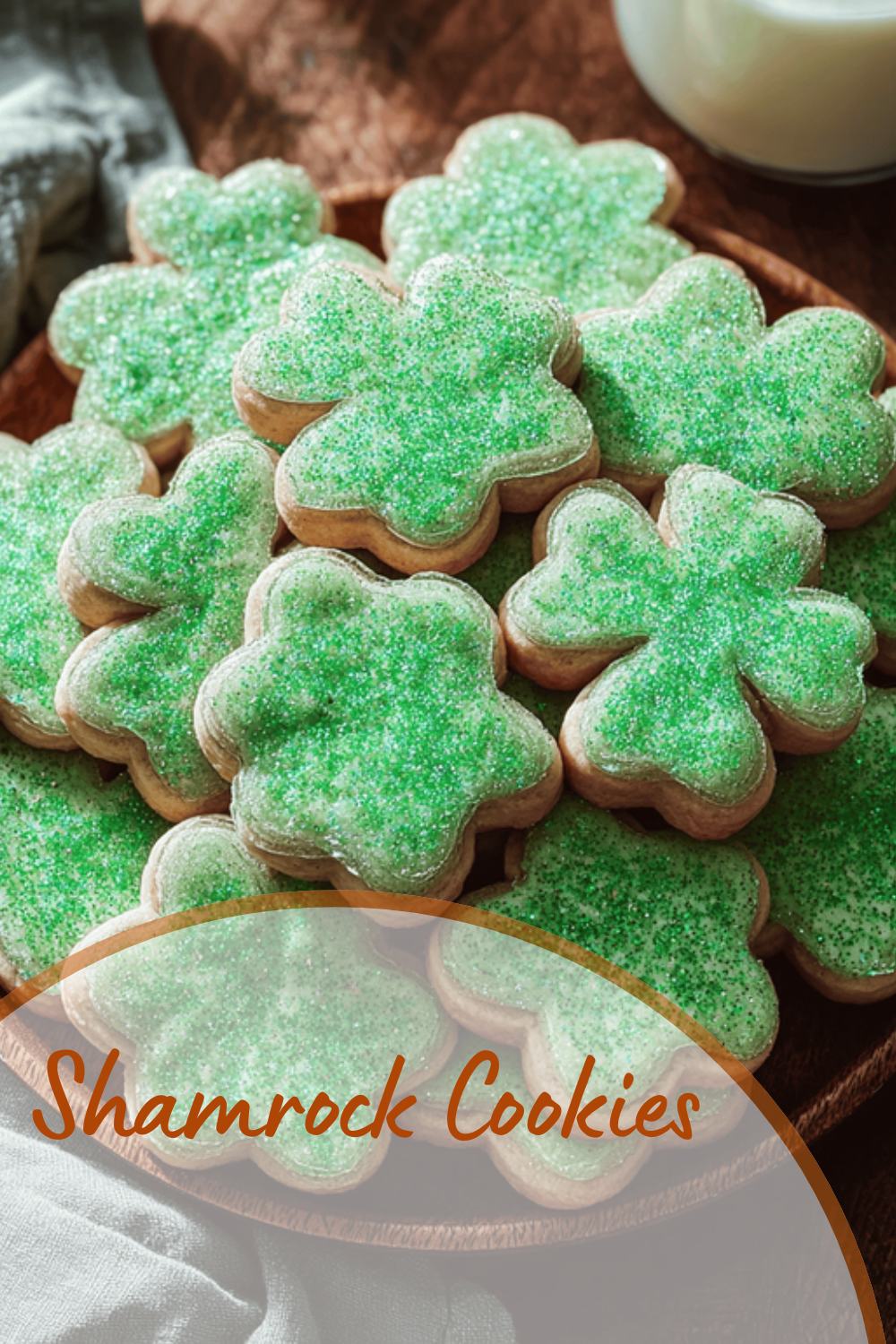
Imagine biting into a soft, buttery treat that’s perfect for St. Patrick’s Day celebrations, and that’s exactly what shamrock cookies bring to your table. These cookies are not only fun to shape with a shamrock cutter but also offer a real vanilla bean flavor that makes every bite feel special. Whether you’re baking for a family gathering or just for yourself, this recipe stands out for its ease and delicious results.
One of the best parts about shamrock cookies is how straightforward they are to make, using basic ingredients that you likely have on hand. They provide a healthier twist with natural elements that include antioxidants from the vanilla, making them a smart choice for those watching their diet. Plus, you can tweak the recipe to fit different needs, like going gluten-free or vegan, all while keeping that signature taste intact.
- Ease of preparation: This shamrock cookies recipe is straightforward and quick, requiring basic ingredients and minimal baking time to deliver fresh, delicious cookies fast.
- Health benefits: Made with nutritious components, these cookies offer a healthier treat option with natural ingredients that support wellness, including antioxidants and fiber-rich elements.
- Versatility: These shamrock cookies adapt well to various dietary needs, offering easy substitutions for vegan, gluten-free, and low-calorie preferences without compromising taste or texture.
- Distinctive flavor: The unique blend of flavors, highlighted by the shamrock-inspired ingredients, sets these cookies apart with a refreshing and memorable taste profile.
Above all, shamrock cookies are versatile for any occasion, making them a go-to recipe that brings joy and a touch of festivity to your kitchen. If you enjoy experimenting with baked goods, these cookies can be a fun starting point to build your baking skills.
Jump to:
- Why You’ll Love This Shamrock Cookies
- Essential Ingredients for Shamrock Cookies
- How to Prepare the Perfect Shamrock Cookies: Step-by-Step Guide
- Gathering and Mixing Ingredients
- Shaping and Baking
- Frosting and Finishing
- Dietary Substitutions to Customize Your Shamrock Cookies
- Mastering Shamrock Cookies: Advanced Tips and Variations
- How to Store Shamrock Cookies: Best Practices
- FAQs: Frequently Asked Questions About Shamrock Cookies
- Can I chill Shamrock cookie dough overnight, and does it affect the texture?
- What’s the best way to prevent Shamrock cookies from spreading too much while baking?
- Can I substitute vanilla extract if I don’t have vanilla beans or vanilla bean paste for Shamrock cookies?
- How should I store frosted and unfrosted Shamrock cookies to keep them fresh?
- Is gel food coloring the best option for tinting Shamrock cookie frosting?
- Shamrock Cookies
- Ingredients
- Instructions
- Last Step:
- Notes
- Nutrition
- Did you make this recipe?
Essential Ingredients for Shamrock Cookies
Getting the right ingredients is key to making shamrock cookies that are buttery, thick, and full of vanilla bean flavor. This recipe focuses on simple, high-quality items that help the cookies hold their shape and taste amazing. Let’s break down what you’ll need for both the cookies and the optional vanilla bean buttercream frosting to ensure your baking goes smoothly.
For the cookies, gather these precise measurements to create a dough that’s easy to work with and bakes up perfectly:
- 2 and 1/4 cups (281g) all-purpose flour, plus more for rolling
- 1/2 teaspoon baking powder
- 1/4 teaspoon salt
- 3/4 cup (170g) unsalted butter, softened
- 3/4 cup (150g) granulated sugar
- Seeds scraped from 1 whole vanilla bean
- 1 large egg at room temperature
- 2 teaspoons pure vanilla extract
And for the vanilla bean buttercream frosting, if you want to decorate your shamrock cookies, prepare these ingredients:
- 3/4 cup (170g) unsalted butter, softened
- Seeds scraped from 1/2 vanilla bean
- 3 cups (360g) confectioners’ sugar, sifted
- 3 tablespoons heavy cream, half-and-half, or whole milk, at room temperature
- 1 and 1/2 teaspoons pure vanilla extract
- Salt to taste
- Optional: Gel food coloring for tinting, sprinkles for decoration
Beyond the basics, this recipe allows for special dietary options to make shamrock cookies accessible to everyone. For instance, you can swap all-purpose flour with gluten-free alternatives or use plant-based margarine instead of butter. This flexibility ensures that shamrock cookies can be a hit no matter your preferences.
| Ingredient Category | Standard Option | Dietary Substitute |
|---|---|---|
| Flour | 2 and 1/4 cups all-purpose flour | Gluten-free blend like rice flour |
| Butter | 3/4 cup unsalted butter | Vegan margarine or coconut oil |
| Sweetener | 3/4 cup granulated sugar | Sugar substitute for low-calorie |
This table highlights how easy it is to customize shamrock cookies, keeping the recipe both fun and adaptable for all bakers.
How to Prepare the Perfect Shamrock Cookies: Step-by-Step Guide
Diving into making shamrock cookies is a rewarding process that results in soft-baked treats ideal for St. Patrick’s Day. Start by gathering your ingredients and following these clear steps to ensure your cookies turn out buttery and full of flavor. Remember, taking your time with each step helps maintain the cookies’ shape and enhances that vanilla bean taste.
Gathering and Mixing Ingredients
First, whisk together 2 and 1/4 cups (281g) of all-purpose flour, 1/2 teaspoon baking powder, and 1/4 teaspoon salt in a bowl; set it aside for later. In another bowl, beat 3/4 cup (170g) softened unsalted butter and 3/4 cup (150g) granulated sugar on high speed for about 3 minutes until it’s creamy, then add seeds from 1 whole vanilla bean and beat for 1-2 minutes more.
Next, add 1 large egg at room temperature and 2 teaspoons pure vanilla extract, beating on high until everything combines smoothly. Gradually mix in the dry ingredients on low speed until the dough forms; if it feels too sticky, add 1 tablespoon of flour to get the right consistency.
Shaping and Baking
Divide the dough in half, roll each portion on floured parchment or a silicone mat to about 1/4-inch thickness, and stack with parchment on top. For a link to another tasty recipe, check out our cinnamon bread for more baking inspiration. Refrigerate for 1-2 hours or up to 2 days to prevent spreading.
Preheat your oven to 350°F (177°C), cut the dough into shamrock shapes, and bake on lined sheets for 11-12 minutes until the edges lightly brown. Let the cookies cool on the sheets for 5 minutes, then transfer to wire racks. As an external resource, visit the perfect sugar cookie recipe for more tips on shaping cookies.
Frosting and Finishing
For the buttercream, beat 3/4 cup (170g) softened unsalted butter and seeds from 1/2 vanilla bean until creamy, then add 3 cups (360g) sifted confectioners’ sugar, 3 tablespoons heavy cream, 1 and 1/2 teaspoons pure vanilla extract, and salt to taste; beat until smooth. Frost the cooled cookies and add sprinkles if desired. This step-by-step approach makes shamrock cookies a breeze, even for beginners.

Dietary Substitutions to Customize Your Shamrock Cookies
Shamrock cookies are all about flexibility, so don’t hesitate to adjust the recipe to fit your needs. Whether you’re aiming for a vegan version or something lower in calories, simple swaps can keep the cookies tasting great. These changes ensure everyone can enjoy the fun of baking shamrock cookies without any fuss.
- Use flaxseed meal mixed with water as an egg replacement for a vegan option.
- Swap traditional butter with coconut oil or vegan margarine depending on preference.
- Employ almond or oat flour in place of wheat flour for gluten-free versions.
- Enhance herbal notes by adding mint or basil instead of shamrock leaves.
- Substitute vanilla extract with almond or maple flavoring for a different aroma.
- Adjust sweetness with natural syrups or sugar substitutes to accommodate low-calorie diets.
These substitutions help maintain the rich flavors of shamrock cookies while making them accessible. For more ideas on healthy twists, explore an external guide on vanilla extract benefits to see how it enhances your bakes.
Mastering Shamrock Cookies: Advanced Tips and Variations
Once you’re comfortable with the basics of shamrock cookies, try these advanced tips to take your baking to the next level. Chilling the dough is a simple trick that makes a big difference, helping to develop deeper flavors and keep cookies from spreading too much. Experimenting with flavors and presentations can turn your shamrock cookies into a signature treat.
- Pro cooking techniques: Chill the cookie dough for at least an hour before baking to develop deeper flavors and prevent spreading.
- Flavor variations: Experiment by adding lemon zest or crushed pistachios to complement the shamrock essence.
- Presentation tips: Garnish finished cookies with a light dusting of powdered sugar or a drizzle of white chocolate for elegance.
- Make-ahead options: Prepare and freeze dough balls ahead of time to bake fresh cookies on demand, perfect for busy schedules.
Roll the dough before chilling to prevent spreading, and divide it into smaller portions for easier handling. For a stronger vanilla flavor, substitute granulated sugar with homemade vanilla sugar on a 1:1 basis, which ties back to why these shamrock cookies are so irresistible.
How to Store Shamrock Cookies: Best Practices
Proper storage keeps your shamrock cookies fresh and tasty, so let’s cover the essentials. Whether you’re saving them for later or prepping in advance, these methods help maintain that soft texture and vanilla bean goodness. It’s all about keeping things simple and effective for your baking routine.
- Refrigeration: Store Shamrock Cookies in an airtight container in the fridge for up to one week to maintain softness.
- Freezing: For longer storage, freeze cookies in a sealed freezer bag for up to three months; thaw at room temperature before serving.
- Reheating: Warm cookies briefly in the oven at 300°F (150°C) for 5 minutes to refresh texture without drying out.
- Meal prep considerations: Batch bake Shamrock Cookies and portion them into containers for easy grab-and-go snacks that retain freshness through proper storage.
Both plain and frosted cookies freeze well for up to 3 months, making shamrock cookies a great option for planning ahead.
FAQs: Frequently Asked Questions About Shamrock Cookies
Can I chill Shamrock cookie dough overnight, and does it affect the texture?
Yes, you can refrigerate Shamrock cookie dough overnight. Chilling the dough for several hours or overnight helps firm up the butter, which reduces spreading during baking. This leads to thicker, more defined cookies with a tender texture. Just make sure to cover the dough tightly to prevent drying out.
What’s the best way to prevent Shamrock cookies from spreading too much while baking?
To prevent your Shamrock cookies from spreading, chill the dough thoroughly before baking, ideally for at least 2 hours. Use the exact type and amount of flour called for in the recipe. If you find your dough too soft, adding a tablespoon of flour can help. Also, bake cookies on a parchment-lined or silicone mat-covered baking sheet to promote even cooking.
Can I substitute vanilla extract if I don’t have vanilla beans or vanilla bean paste for Shamrock cookies?
Yes, you can substitute vanilla extract when you don’t have vanilla beans or vanilla bean paste. Use 2 teaspoons of pure vanilla extract as a replacement. If you want a stronger vanilla flavor, increase to 2½ teaspoons. This substitution won’t affect the dough’s texture, though the appearance won’t have the vanilla bean specks.
How should I store frosted and unfrosted Shamrock cookies to keep them fresh?
Store unfrosted Shamrock cookies in an airtight container at room temperature for up to 5 days. Frosted cookies should be kept covered at room temperature for 1 day, or refrigerated for up to 1 week to maintain frosting texture and prevent spoilage. For longer storage, both dough and baked cookies can be frozen for up to 3 months.
Is gel food coloring the best option for tinting Shamrock cookie frosting?
Gel food coloring is recommended for frosting Shamrock cookies because it provides vibrant color without thinning the frosting. Brands like Americolor are popular for their bright pigmentation and ease of use. Avoid liquid food coloring as it can alter the frosting’s consistency. Add gel colors gradually to achieve the desired shade.
Shamrock Cookies
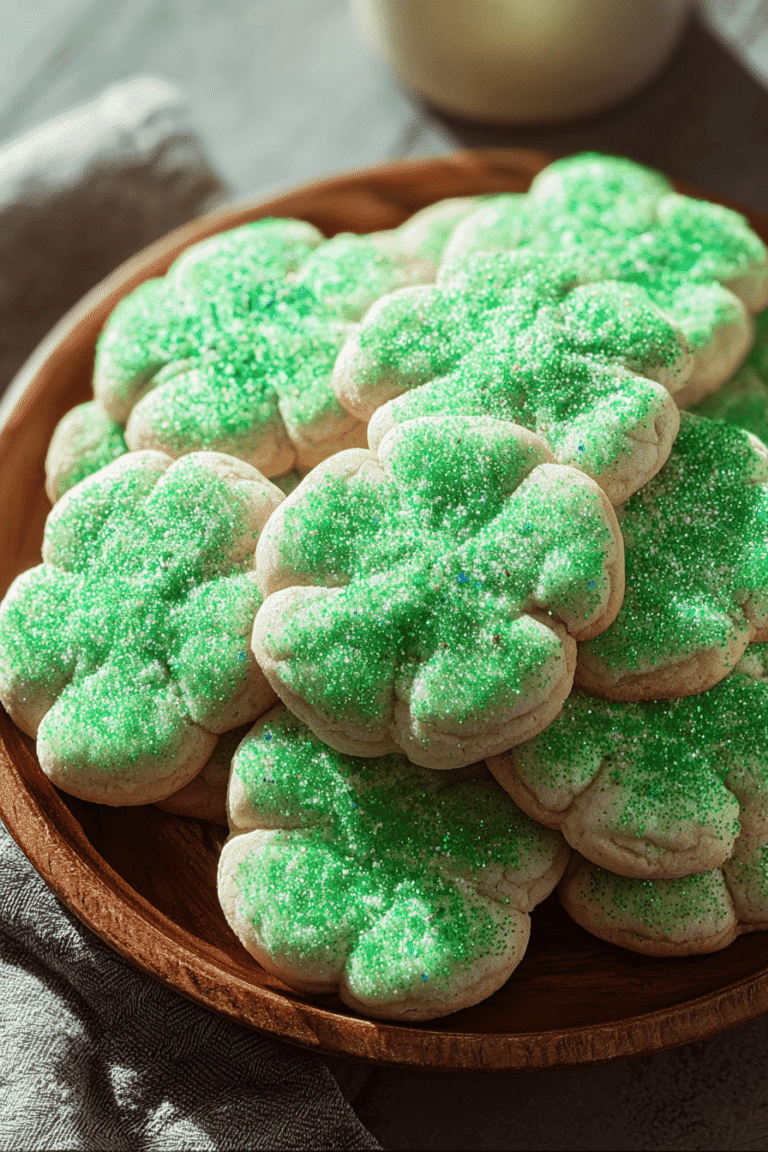
🍪 These Vanilla Bean Cookies bring a festive touch to your St. Patrick’s Day celebrations with a rich, creamy vanilla flavor.
🌿 Soft-baked and buttery, they’re perfect plain or beautifully decorated with vanilla bean buttercream and sprinkles.
- Total Time: 3 hours
- Yield: About 24 cookies (3–4 inch size) 1x
Ingredients
2 and 1/4 cups (281g) all-purpose flour, plus more for rolling
1/2 teaspoon baking powder
1/4 teaspoon salt
3/4 cup (170g) unsalted butter, softened
3/4 cup (150g) granulated sugar
Seeds scraped from 1 whole vanilla bean
1 large egg at room temperature
2 teaspoons pure vanilla extract
3/4 cup (170g) unsalted butter, softened
Seeds scraped from 1/2 vanilla bean
3 cups (360g) confectioners’ sugar, sifted
3 tablespoons heavy cream, half-and-half, or whole milk, at room temperature
1 and 1/2 teaspoons pure vanilla extract
Salt to taste
Gel food coloring for tinting
sprinkles for decoration
2 and 1/4 cups all-purpose flour
3/4 cup unsalted butter
3/4 cup granulated sugar
Instructions
1-Gathering and Mixing Ingredients: First, whisk together 2 and 1/4 cups (281g) of all-purpose flour, 1/2 teaspoon baking powder, and 1/4 teaspoon salt in a bowl; set it aside for later. In another bowl, beat 3/4 cup (170g) softened unsalted butter and 3/4 cup (150g) granulated sugar on high speed for about 3 minutes until it’s creamy, then add seeds from 1 whole vanilla bean and beat for 1-2 minutes more.
2-Gathering and Mixing Ingredients: Next, add 1 large egg at room temperature and 2 teaspoons pure vanilla extract, beating on high until everything combines smoothly. Gradually mix in the dry ingredients on low speed until the dough forms; if it feels too sticky, add 1 tablespoon of flour to get the right consistency.
3-Shaping and Baking: Divide the dough in half, roll each portion on floured parchment or a silicone mat to about 1/4-inch thickness, and stack with parchment on top. For a link to another tasty recipe, check out our cinnamon bread for more baking inspiration. Refrigerate for 1-2 hours or up to 2 days to prevent spreading.
4-Shaping and Baking: Preheat your oven to 350°F (177°C), cut the dough into shamrock shapes, and bake on lined sheets for 11-12 minutes until the edges lightly brown. Let the cookies cool on the sheets for 5 minutes, then transfer to wire racks. As an external resource, visit the perfect sugar cookie recipe for more tips on shaping cookies.
5-Frosting and Finishing: For the buttercream, beat 3/4 cup (170g) softened unsalted butter and seeds from 1/2 vanilla bean until creamy, then add 3 cups (360g) sifted confectioners’ sugar, 3 tablespoons heavy cream, 1 and 1/2 teaspoons pure vanilla extract, and salt to taste; beat until smooth. Frost the cooled cookies and add sprinkles if desired. This step-by-step approach makes shamrock cookies a breeze, even for beginners.
Last Step:
Please leave a rating and comment letting us know how you liked this recipe! This helps our business to thrive and continue providing free, high-quality recipes for you.Notes
🎨 Roll dough before chilling and divide into smaller portions for easier handling.
🌿 Substitute granulated sugar with vanilla sugar or use vanilla bean paste for a stronger vanilla flavor.
❄️ Both dough and cookies freeze well for up to 3 months.
- Prep Time: 2 hours
- Cook Time: 12 minutes
- Category: Dessert
- Method: Baking
- Cuisine: American
- Diet: Vegetarian
Nutrition
- Serving Size: 1 cookie
- Calories: 150 kcal
- Sugar: 12 g
- Sodium: 70 mg
- Fat: 8 g
- Saturated Fat: 5 g
- Unsaturated Fat: 3 g
- Trans Fat: 0 g
- Carbohydrates: 18 g
- Fiber: 0.5 g
- Protein: 2 g
- Cholesterol: 30 mg