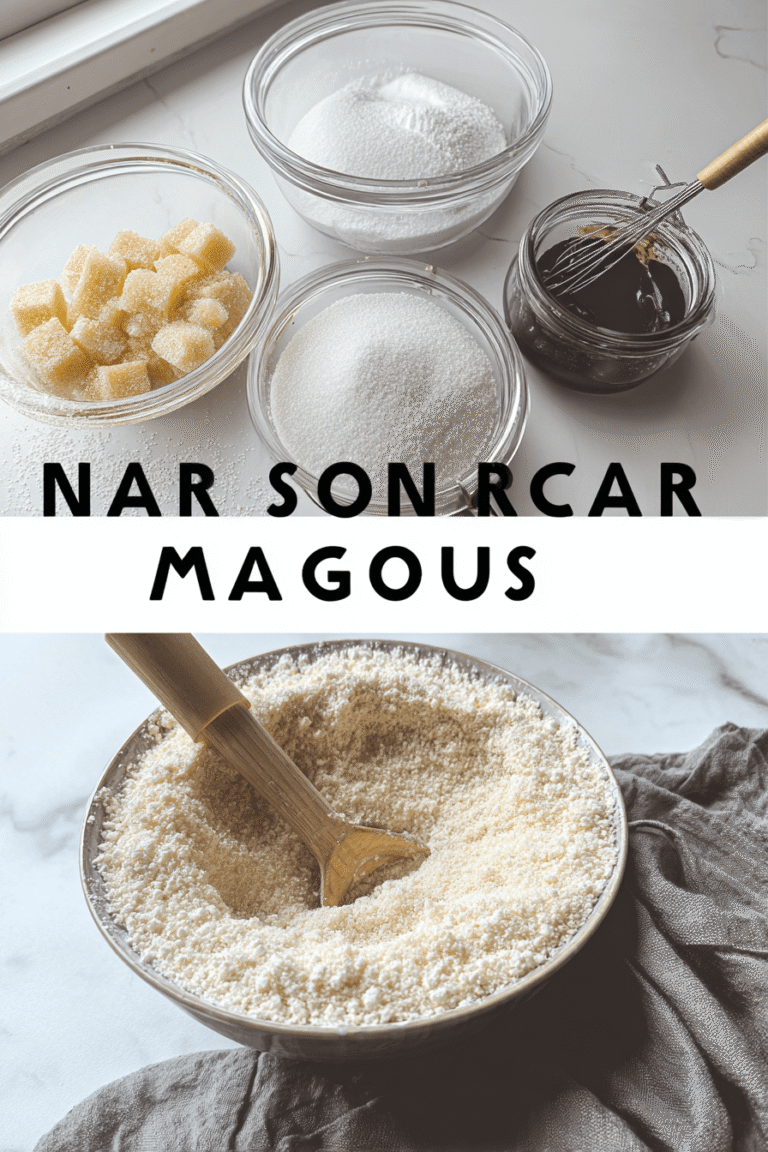
Ingredients
– Glucose A simple sugar (monosaccharide) that provides quick energy and is naturally present in plants, serving as a building block for metabolic processes
– Fructose Another monosaccharide found in fruits and plants, contributing to sweetness and offering a natural source for refined sugar production with benefits for flavor enhancement
– Galactose A monosaccharide that occurs in compound forms like lactose, supporting the structural integrity in dairy-related sugars and aiding in various culinary applications
– Sucrose A disaccharide known as table sugar, derived primarily from sugarcane and sugar beet, and widely used for baking, cooking, and sweetening beverages due to its familiar taste
– Lactose A disaccharide present in dairy, which adds natural sweetness and is utilized in foods like cereal toppings, while considering dietary adaptations
– Maltose A disaccharide formed from grains, employed in cooking for its role in fermentation and flavor development in beverages and baked items
Instructions
1-The preparation of sugar begins with understanding its extraction from natural sources like sugarcane and sugar beet, where refined forms are produced through controlled processes. First, all necessary components are assembled, ensuring accurate identification of sugars such as sucrose or glucose to maintain consistency in the final product. This step involves sourcing high-quality plant materials to achieve optimal purity and sweetness.
2-Second, the refining process is initiated by pressing the plant material to extract juice, followed by evaporation and purification to yield crystalline sugar structures. Third, monitoring of conditions like temperature and moisture is crucial to prevent degradation, allowing for adjustments that ensure the desired texture and solubility. Fourth, any modifications for dietary preferences, such as selecting fructose for lower glycemic options, are incorporated during this stage to customize the sugar’s properties.
3-Finally, the sugar is packaged or applied directly in culinary uses, such as baking or sweetening beverages, to guarantee peak flavor and presentation. These steps highlight sugar’s role in everyday cooking, from simple toppings on toast to complex recipes, making it indispensable for home mixologists. Advanced techniques can be explored in recipes like cinnamon bread, which utilizes sugar effectively.
Last Step:
Please leave a rating and comment letting us know how you liked this recipe! This helps our business to thrive and continue providing free, high-quality recipes for you.Notes
🍬 Sugar occurs naturally in plants and can be found in various forms impacting flavor and texture.
🧁 Refined table sugar (sucrose) is the most common and widely used sugar.
🌿 Alternatives to refined sugar can suit health preferences but may affect cooking outcomes differently.
- Category: Cooking Guide
- Method: Various