
Why You’ll Love This Mofongo
Mofongo stands out as a cherished staple in Puerto Rican cuisine, offering a delightful mix of simple preparation and rich flavors. This dish features green plantains as its base, which provide a hearty, starchy foundation that absorbs savory elements like garlic and pork. Its appeal lies in how quickly it comes together, making it ideal for home cooks seeking authentic tastes without complex steps.
One of the key attractions is the health benefits tied to its main ingredients. Green plantains supply essential carbohydrates and fiber that support digestive health, while additions like garlic contribute vitamins and minerals for overall wellness. Mofongo’s versatility allows for easy adaptations, ensuring it fits various dietary preferences and remains a go-to meal for busy families or individuals exploring new recipes.
Beyond nutrition, the distinctive flavor profile of mofongo draws from its cultural roots, blending influences from Taíno, West African, and Spanish traditions. This results in a dish that is not only satisfying but also a celebration of history in every bite. Whether served as a side or a main course, mofongo’s ability to pair with proteins like shrimp or chicken makes it endlessly adaptable for any meal.
Jump to:
- Why You’ll Love This Mofongo
- Essential Ingredients for Mofongo
- Main Ingredients
- Special Dietary Options
- How to Prepare the Perfect Mofongo: Step-by-Step Guide
- Dietary Substitutions to Customize Your Mofongo
- Mastering Mofongo: Advanced Tips and Variations
- Flavor and Variation Ideas
- How to Store Mofongo: Best Practices
- FAQs: Frequently Asked Questions About Mofongo
- What is mofongo and how is it made?
- Where does mofongo come from and what cultures influenced it?
- What variations of mofongo can I try?
- How can I serve mofongo for a complete meal?
- Is mofongo popular outside Puerto Rico?
- Mofongo
- Ingredients
- Instructions
- Last Step:
- Notes
- Nutrition
- Did you make this recipe?
Essential Ingredients for Mofongo
To create an authentic mofongo, selecting the right ingredients is crucial for achieving the traditional texture and taste. The preparation begins with green plantains, which form the core of this dish and offer a firm base that mashes into a dense ball. Drawing from time-honored methods, you’ll combine these with flavorful elements like garlic and pork to enhance the overall experience.
Main Ingredients
- 3 to 4 firm green plantains – The primary starch base that provides the dish’s traditional texture and flavor.
- 2 to 3 cloves minced garlic – Adds a pungent, aromatic element essential for the authentic taste.
- 100 grams of pork scraps or chicharrón – Contributes crunch and savory depth to the mixture.
- Salt to taste (about 1 teaspoon) – Enhances all flavors and balances the dish.
- 2 to 3 tablespoons of cooking fat such as olive oil, lard, or butter – Helps in mashing and binding the ingredients while keeping the mofongo moist and flavorful.
This structured list ensures you have every item needed, with precise measurements for clear guidance. For special dietary options, consider substitutes to maintain the dish’s integrity while accommodating preferences.
Special Dietary Options
- Vegan: Replace pork scraps with roasted chickpeas or tempeh for a plant-based crunch that mimics the original texture.
- Gluten-free: The core ingredients are naturally gluten-free, so verify that any added seasonings meet this standard.
- Low-calorie: Reduce cooking fat and swap pork for air-fried vegetables to lower calories without losing flavor.
Mofongo’s ingredients reflect its rich cultural significance, drawing from Caribbean traditions where a wooden pilón is used for mashing to achieve the perfect consistency.
How to Prepare the Perfect Mofongo: Step-by-Step Guide
Preparing mofongo involves a straightforward process that highlights the dish’s Puerto Rican heritage, typically taking under an hour from start to finish. Begin by handling the green plantains, which are peeled and cut into pieces before cooking. This method ensures the plantains fry or roast until golden, infusing them with a flavorful base for mashing.
First, peel the green plantains and cut them into 1-inch thick slices, then prepare your garlic by mincing it finely. Heat oil in a deep skillet to 350°F (175°C) and fry the slices until golden and tender, about 15 to 20 minutes, to develop the authentic texture. For an alternative, boil the plantains in 1 liter of chicken or veal broth for a similar duration, allowing them to absorb the broth’s flavors.
Next, in a wooden mortar called a pilón, mash the cooked plantains with the minced garlic, pork scraps, salt, and cooking fat until combined into a dense, stiff ball. Gradually add broth or meat juices during mashing to keep the mixture moist and enhance its taste, which is key to the dish’s appeal. Shape the mixture into balls or a dome and serve hot, optionally stuffing it with seafood or meats for added variety.
This step-by-step approach not only simplifies the process but also incorporates the cultural blending of Taíno and African techniques. Using a pilón ensures an authentic texture, making the final product a flavorful representation of Caribbean cuisine. For those interested in related banana-based recipes, check out our banana bread guide for more inspiration on using starchy fruits.

Dietary Substitutions to Customize Your Mofongo
Mofongo’s adaptability makes it a favorite for diverse dietary needs, allowing substitutions that maintain its essence while introducing new flavors. Traditionally made with green plantains and pork, you can swap ingredients to suit vegan, gluten-free, or low-calorie preferences. This flexibility stems from the dish’s historical evolution, influenced by various cultural practices across the Caribbean.
For protein alternatives, consider replacing pork scraps with fried shrimp, chicken, or ground beef to create versions like mofongo relleno. Vegan options include using seasoned tempeh or tofu, which provide a similar protein boost without animal products. These changes highlight mofongo’s role in modern kitchens, where it blends with fresh, seasonal ingredients for a personalized meal.
When modifying vegetables or seasonings, swap garlic for milder shallots or add herbs like cilantro for a fresh twist. To incorporate more variety, include sautéed peppers or spinach, drawing from regional influences that mix starches like cassava or sweet potato. This customization keeps mofongo nutritious, with plantains offering carbohydrates and added elements contributing protein and healthy fats.
Mastering Mofongo: Advanced Tips and Variations
To elevate your mofongo skills, focus on pro cooking techniques that refine the dish’s texture and flavor. Frying plantains twice first at a lower temperature to cook through, then at higher heat achieves a crisp exterior while keeping the inside tender, a method that echoes traditional practices. Using a wooden pilón for mashing remains essential for authenticity, as it helps incorporate ingredients like garlic and broth evenly.
Flavor and Variation Ideas
| Variation Type | Description | Key Ingredients |
|---|---|---|
| Starch Substitutions | Replace plantains with cassava or breadfruit for bifongo or trifongo styles. | Cassava (equal to plantain amount), breadfruit pieces |
| Stuffed Options | Create mofongo relleno with shrimp or poultry for added protein. | Shrimp (100 grams), cooked chicken |
| Bite-Sized Versions | Make mofonguito for appetizers by shaping smaller portions. | Reduced quantities of all ingredients |
Experiment with flavors by adding roasted red peppers or cheese, and consider spicy elements like chipotle to reflect the dish’s West African and Spanish roots. For related dessert ideas that use similar mashing techniques, explore our peach crisp recipe, which pairs well with mofongo’s themes. Mofongo’s cultural significance makes these variations not just tasty but a nod to diaspora communities.
How to Store Mofongo: Best Practices
Proper storage helps preserve mofongo’s fresh, hot-served quality, ensuring it remains enjoyable even after preparation. As a dish rich in carbohydrates and fats, mofongo benefits from quick refrigeration to maintain its texture and flavor. Follow these guidelines to extend its shelf life without compromising the authentic experience.
- Refrigerate leftovers in an airtight container for up to 3 days to keep the mixture fresh and prevent drying.
- Freeze portions in freezer-safe bags for up to 1 month, removing air to avoid freezer burn.
- Reheat gently in a skillet with broth or oil to restore moisture and the original dense consistency.
- Prepare in batches for meal prep, storing in single servings for easy weeknight meals.
This approach aligns with mofongo’s quick preparation time of under an hour, allowing busy individuals to enjoy its nutritional benefits anytime. The dish’s flavorful profile, enhanced by garlic and broth, holds up well when stored correctly, reflecting its role in everyday Caribbean meals.
FAQs: Frequently Asked Questions About Mofongo
What is mofongo and how is it made?
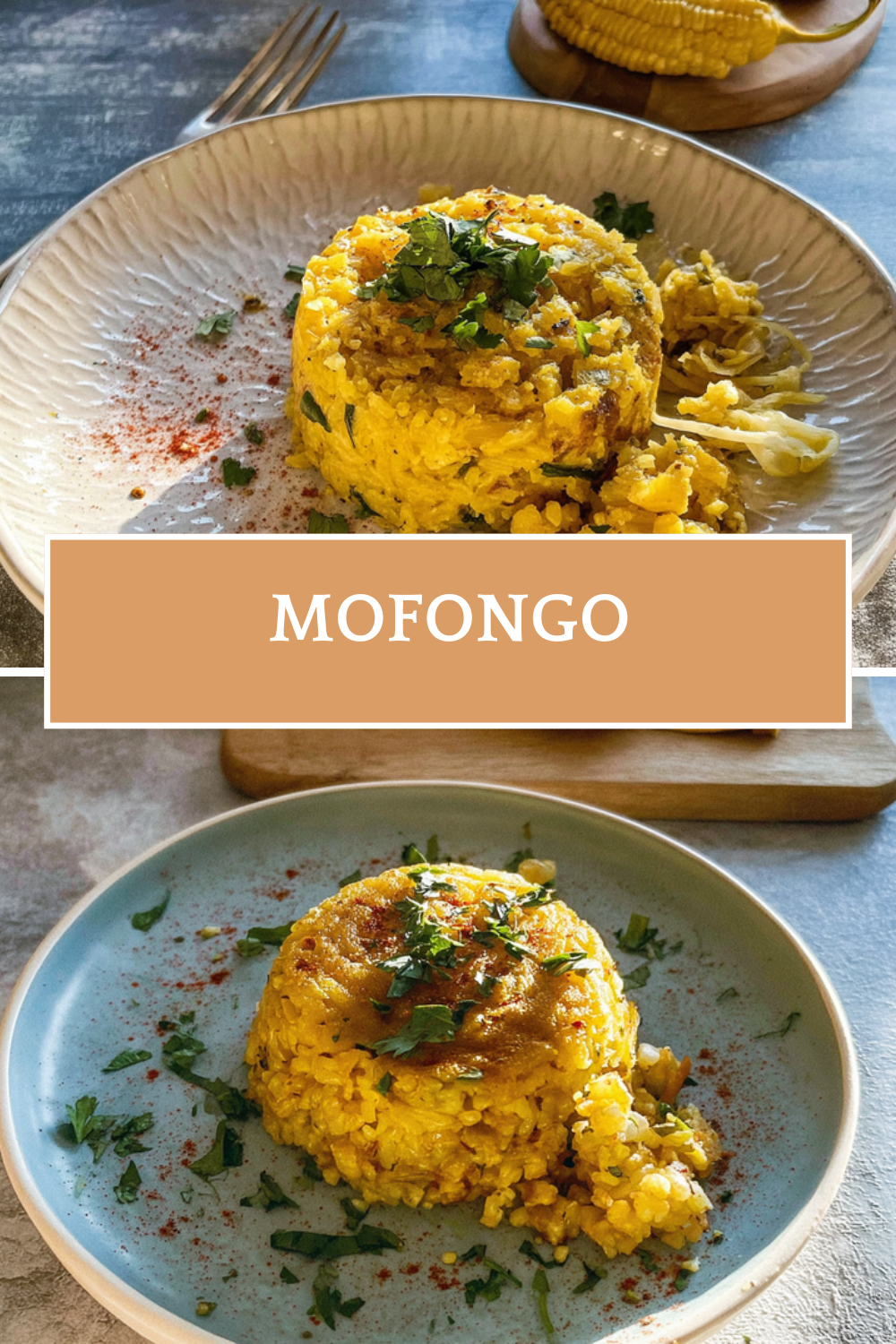
Mofongo is a traditional Puerto Rican dish made from green plantains that are fried or boiled, then mashed with garlic, pork cracklings or bacon, and broth. The mixture is shaped into a ball or mound, often using a wooden mortar called a pilón. Mofongo is typically served hot, accompanied by meat, seafood, or broth, allowing the flavors to blend with the mashed plantains.
Where does mofongo come from and what cultures influenced it?
Mofongo originates from Puerto Rico, with cultural roots that trace back to the indigenous Taíno people, West African cooking techniques, and Spanish influences. The dish reflects this blend through its ingredients and preparation methods, showcasing the island’s rich culinary heritage.
What variations of mofongo can I try?
Variations of mofongo include using different starches like cassava, breadfruit, or ripe plantains. Combinations of two or three starches are known as bifongo or trifongo. Fillings or toppings might include shrimp (known as camarofongo), chicken, or mixed seafood. These variations allow for a range of flavors and textures depending on personal taste or regional preferences.
How can I serve mofongo for a complete meal?
Mofongo is commonly paired with protein-rich dishes such as fried pork, chicken, shrimp, or fish. It is also served with savory broths or stews to add moisture and depth of flavor. For a balanced meal, consider serving mofongo alongside a fresh salad or vegetables and a flavorful sauce or gravy.
Is mofongo popular outside Puerto Rico?
Yes, mofongo has gained popularity beyond Puerto Rico, especially in cities with large Puerto Rican communities like New York City. It has also spread to other Caribbean countries and Latin American regions, including the Dominican Republic, Cuba, and Colombia. Its unique flavor and versatility make it a favorite in many Latin-inspired restaurants worldwide.
Mofongo
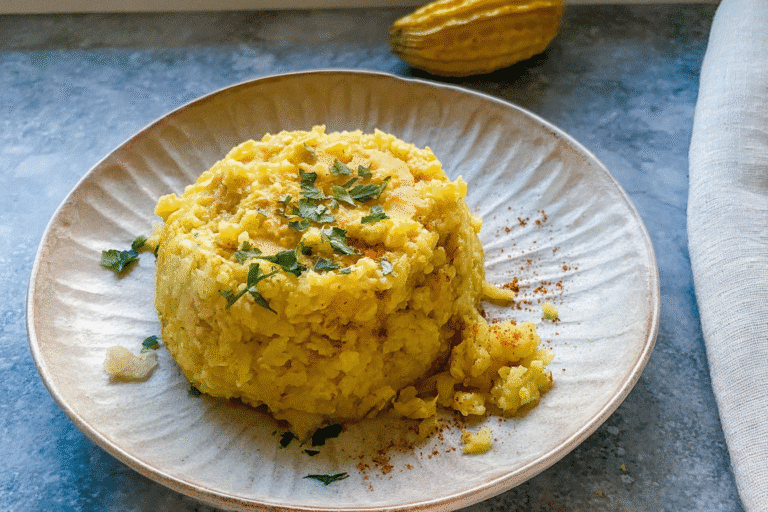
🌿 Experience the authentic taste of Puerto Rico with this traditional mofongo that brings together crispy plantains, savory pork, and aromatic garlic in every bite
🍴 Create a versatile dish that can be served as a hearty side or main course, perfect for sharing the rich cultural flavors of Caribbean cuisine
- Total Time: 35 minutes
- Yield: 4 servings
Ingredients
– 3 to 4 firm green plantains for the primary starch base
– 2 to 3 cloves minced garlic for a pungent, aromatic element
– 100 grams pork scraps or chicharrón for crunch and savory depth
– about 1 teaspoon salt to taste for enhancing flavors
– 2 to 3 tablespoons cooking fat for mashing and binding
Instructions
1-First, peel the green plantains and cut them into 1-inch thick slices, then prepare your garlic by mincing it finely. Heat oil in a deep skillet to 350°F (175°C) and fry the slices until golden and tender, about 15 to 20 minutes, to develop the authentic texture. For an alternative, boil the plantains in 1 liter of chicken or veal broth for a similar duration, allowing them to absorb the broth’s flavors.
2-Next, in a wooden mortar called a pilón, mash the cooked plantains with the minced garlic, pork scraps, salt, and cooking fat until combined into a dense, stiff ball. Gradually add broth or meat juices during mashing to keep the mixture moist and enhance its taste, which is key to the dish’s appeal. Shape the mixture into balls or a dome and serve hot, optionally stuffing it with seafood or meats for added variety.
Last Step:
Please leave a rating and comment letting us know how you liked this recipe! This helps our business to thrive and continue providing free, high-quality recipes for you.Notes
🌯 Using a traditional wooden pilón is essential for achieving the authentic texture and flavor of mofongo
💧 Add broth gradually while mashing to keep the mixture moist and prevent it from becoming too dry or crumbly
🔥 Fry plantains until they’re golden and crispy on the outside but still tender inside for the best texture contrast
- Prep Time: 15 minutes
- Cook Time: 20 minutes
- Category: Main Course
- Method: Mashing
- Cuisine: Puerto Rican
- Diet: Contains Pork
Nutrition
- Serving Size: 1 serving
- Calories: 380
- Sugar: 8
- Sodium: 680
- Fat: 18
- Saturated Fat: 6
- Unsaturated Fat: 10
- Trans Fat: 0
- Carbohydrates: 45
- Fiber: 3
- Protein: 12
- Cholesterol: 45