
Why You’ll Love This Gyu Kaku Sauce Recipe
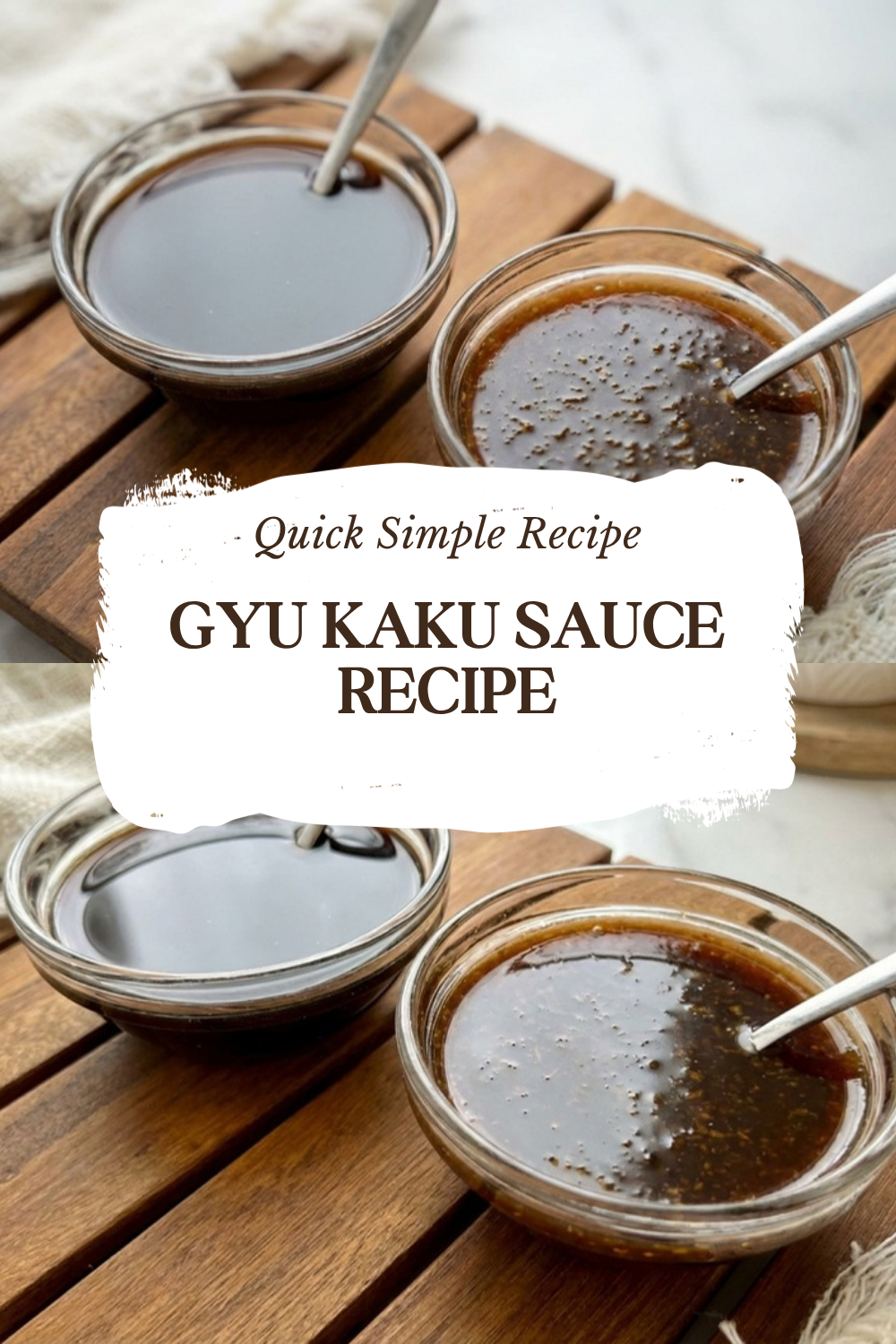
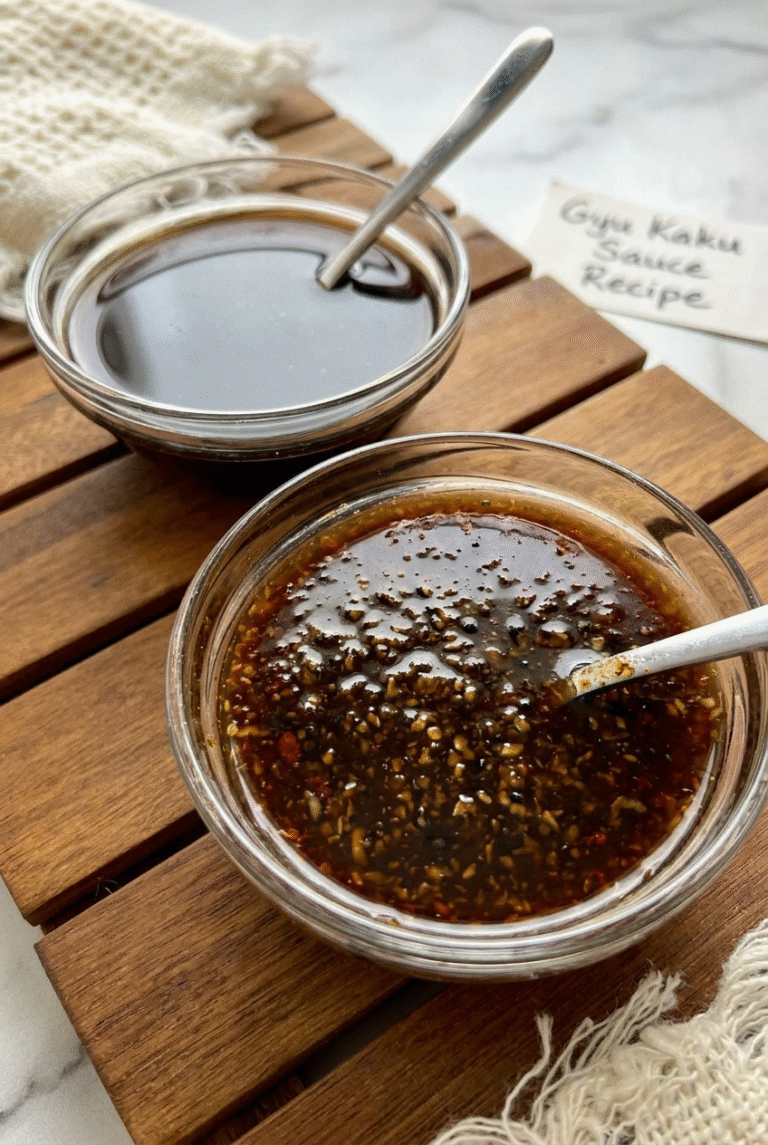
If you’re a fan of Japanese barbecue, the Gyu Kaku sauce recipe offers a simple way to bring that authentic flavor right into your kitchen. This sauce comes in two delicious versions: a sweet soy tare that’s perfect for glazing meats, and a hot and spicy option that adds some kick to your dishes. With just 20 minutes from start to finish, it’s an easy recipe that even busy parents or students can whip up without much hassle.
One reason you’ll adore this Gyu Kaku sauce recipe is its ease of preparation, which makes it ideal for home cooks looking for quick meals. Preparation takes only 10 minutes, and cooking is straightforward on the stovetop, so you can have a syrupy sauce ready to coat your favorite proteins in no time. This Gyu Kaku sauce recipe also uses common ingredients like soy sauce and honey, cutting down on the need for a special trip to the store.
Another benefit is the health aspects tied to this Gyu Kaku sauce recipe, as it highlights nutritional advantages from fresh ingredients like Asian pear and ginger. Per serving, you’re getting about 93 calories, 22 grams of carbohydrates, and essential nutrients such as vitamin C and iron, making it a lighter option for diet-conscious individuals. Plus, the low fat content at just 0.1 grams per serving helps it fit into various wellness routines without sacrificing taste.
The versatility of this Gyu Kaku sauce recipe stands out, allowing it to adapt to different dietary needs and uses. Whether you’re making it vegan by sticking to plant-based swaps or adjusting for gluten-free options, this sauce works wonders on grilled meats, veggies, or even as a dip. Its distinctive flavor, blending sweet, umami-rich notes from soy and sugar or the spicy heat from gochujang, makes every meal feel special and restaurant-quality at home.
- Ease of preparation means you can enjoy a Gyu Kaku sauce recipe in under 20 minutes, perfect for busy schedules.
- Health benefits include low fat and key nutrients that support a balanced diet.
- Versatility lets you tweak the Gyu Kaku sauce recipe for vegan or gluten-free preferences.
- The distinctive flavor elevates simple dishes with its syrupy texture and bold tastes.
Jump to:
- Why You’ll Love This Gyu Kaku Sauce Recipe
- Essential Ingredients for Gyu Kaku Sauce Recipe
- Main Ingredients for Sweet Soy Tare
- Main Ingredients for Hot and Spicy Sauce
- Special Dietary Options
- How to Prepare the Perfect Gyu Kaku Sauce Recipe: Step-by-Step Guide
- First Step: Prepare Your Ingredients
- Second Step: Combine Ingredients for Sweet Soy Tare
- Third Step: Heat the Mixture
- Fourth Step: Strain and Store
- Final Step: Use and Enjoy
- Dietary Substitutions to Customize Your Gyu Kaku Sauce Recipe
- Protein and Main Component Alternatives
- Vegetable, Sauce, and Seasoning Modifications
- Mastering Gyu Kaku Sauce Recipe: Advanced Tips and Variations
- Pro Cooking Techniques
- Presentation Tips
- How to Store Gyu Kaku Sauce Recipe: Best Practices
- FAQs: Frequently Asked Questions About Gyu Kaku Sauce Recipe
- What ingredients are in Gyu Kaku sweet soy tare sauce?
- How do you make Gyu Kaku sweet soy tare sauce?
- What ingredients go into Gyu Kaku hot and spicy sauce?
- Where can I find gochujang for Gyu Kaku spicy sauce?
- How long does homemade Gyu Kaku sauce last?
- Gyu Kaku Sauce Recipe
- Ingredients
- Instructions
- Last Step:
- Notes
- Nutrition
- Did you make this recipe?
Essential Ingredients for Gyu Kaku Sauce Recipe
Creating the perfect Gyu Kaku sauce recipe starts with gathering the right ingredients, which are simple and easy to find. We’ll break this down into the two versions: sweet soy tare and hot and spicy sauce. Each one uses fresh, everyday items to build that signature glaze, and I’ve included explanations for why they work so well.
Main Ingredients for Sweet Soy Tare
- 3 tablespoons soy sauce – This provides the umami base that makes the sauce savory and ties all flavors together.
- ¼ Asian pear or apple, grated – Adds natural sweetness and helps tenderize meats for a juicy finish.
- 5 tablespoons sugar – Balances the saltiness with a sweet note, creating that irresistible syrupy texture.
- 2 tablespoons water – Helps thin the mixture for even cooking and blending.
- ½ clove garlic, grated – Brings a subtle aromatic punch without overwhelming the other elements.
- ¼ teaspoon ginger, grated – Infuses a fresh, zesty warmth that enhances the overall flavor profile.
- ½ teaspoon cornstarch – Thickens the sauce to a glossy coat that clings perfectly to grilled foods.
Main Ingredients for Hot and Spicy Sauce
- 2 tablespoons soy sauce – Forms the salty foundation that pairs with other ingredients for depth.
- 4 tablespoons honey – Offers natural sweetness to offset the spice and create a smooth finish.
- 2 tablespoons rice vinegar – Adds a tangy brightness that cuts through the heat for balance.
- 1 tablespoon water – Aids in mixing and achieving the right consistency during heating.
- ¼ to 1 teaspoon gochujang (Korean chili paste) – Delivers adjustable heat and a fermented depth for that spicy kick.
- ½ clove garlic, grated – Contributes a mild garlicky aroma that complements the spiciness.
- ¼ teaspoon ginger, grated – Provides a warming note that boosts the sauce’s complexity.
- ½ teaspoon cornstarch – Ensures the sauce thickens to a syrupy state for better adhesion to foods.
Special Dietary Options
- Vegan: Use tamari instead of soy sauce to keep it plant-based while maintaining the same umami flavor.
- Gluten-free: Opt for gluten-free soy sauce or tamari to make this Gyu Kaku sauce recipe safe for those with sensitivities.
- Low-calorie: Reduce sugar or honey slightly and use a low-sodium soy sauce to lower the calorie count without losing taste.
For a full Gyu Kaku sauce recipe, these ingredients ensure you have everything needed for success. Remember, fresh grating of pear, garlic, and ginger makes a big difference in flavor.
How to Prepare the Perfect Gyu Kaku Sauce Recipe: Step-by-Step Guide
Diving into the Gyu Kaku sauce recipe is straightforward and fun, with steps that guide you from prep to a finished product in just 20 minutes. We’ll cover both the sweet soy tare and the hot and spicy versions, so you can choose based on your mood or meal. Start by gathering your ingredients and tools for smooth sailing.
First Step: Prepare Your Ingredients
Begin by grating the Asian pear or apple, garlic, and ginger as specified in the ingredients list. This Gyu Kaku sauce recipe relies on fresh elements for the best taste, so take a moment to measure everything out accurately. Having all items ready helps prevent any rushing, making it easier for home cooks or working professionals.
Second Step: Combine Ingredients for Sweet Soy Tare
Add 3 tablespoons soy sauce, ¼ grated Asian pear or apple, 5 tablespoons sugar, 2 tablespoons water, ½ grated garlic clove, ¼ teaspoon grated ginger, and ½ teaspoon cornstarch into a small saucepan. Stir gently to mix, ensuring the cornstarch dissolves evenly for that perfect Gyu Kaku sauce recipe texture. This step builds the base flavors without any heat yet.
Third Step: Heat the Mixture
Place the saucepan over medium heat and bring the mixture to a boil, stirring occasionally to avoid sticking. Once it boils, turn off the heat and let it sit for 10 minutes, allowing the flavors to meld. For the hot and spicy version, combine 2 tablespoons soy sauce, 4 tablespoons honey, 2 tablespoons rice vinegar, 1 tablespoon water, ¼ to 1 teaspoon gochujang, ½ grated garlic clove, ¼ teaspoon grated ginger, and ½ teaspoon cornstarch in another saucepan and follow the same heating process.
Fourth Step: Strain and Store
For the sweet soy tare, strain the sauce through a fine-mesh strainer to remove the pear pulp, resulting in a smooth, syrupy finish. Transfer the hot and spicy sauce directly to a jar. Both versions of this Gyu Kaku sauce recipe can be stored in the refrigerator for up to one week, but always let them cool first. If you’re adapting for dietary needs, like using gluten-free soy sauce, make the swap here.
Final Step: Use and Enjoy
Once cooled, brush the sauce onto your grilled meats or veggies during the last minute of cooking for that glossy coat. Timing is key: aim for medium heat to prevent burning, and adjust gochujang for desired spice levels. This Gyu Kaku sauce recipe pairs well with simple dinners, and for a twist, try it with a dessert from our site, like our apple cranberry crisp recipe for a sweet-savory combo, adding a fun layer to your meals.
For external insight, check out this guide on yakitori to see how these sauces shine in traditional dishes. Remember, this recipe totals 20 minutes, making it adaptable for everyone from seniors to party hosts.

Dietary Substitutions to Customize Your Gyu Kaku Sauce Recipe
Protein and Main Component Alternatives
If you’re tweaking the Gyu Kaku sauce recipe for different proteins, consider using tofu or tempeh instead of meat for a vegan option. These absorb the sauce well and maintain that syrupy coating. For those with allergies, swap soy sauce for coconut aminos to keep the umami without the soy.
Vegetable, Sauce, and Seasoning Modifications
Change things up by replacing the Asian pear with a grated apple if it’s more accessible, which still provides natural sweetness. For seasonings, reduce gochujang for a milder version or add more ginger for extra zest. External resources like health benefits of gochujang can help you decide on spice levels. These modifications keep the Gyu Kaku sauce recipe versatile for various tastes.
Mastering Gyu Kaku Sauce Recipe: Advanced Tips and Variations
Pro Cooking Techniques
To get the best results with this Gyu Kaku sauce recipe, stir constantly while heating to ensure even thickening. Advanced methods include using a double boiler for more precise temperature control, preventing scorching. For flavor variations, experiment with adding sesame oil for a nutty twist that enhances the sauce’s depth.
Presentation Tips
- Garnish with sesame seeds for a visual pop that makes your dish stand out.
- Discover more ideas in our blueberry cheesecake parfaits for creative pairings.
Make-ahead options let you prepare batches in advance, storing them for busy weeks.
How to Store Gyu Kaku Sauce Recipe: Best Practices
Proper storage keeps your Gyu Kaku sauce recipe fresh and safe, extending its usability beyond the initial cook. For short-term needs, refrigerate in an airtight jar for up to one week. Freezing in ice cube trays works for long-term, allowing you to thaw just what you need.
Reheating is simple: warm gently on the stove to maintain that syrupy texture. For meal prep, consider batch cooking and labeling containers for easy access. These practices ensure your Gyu Kaku sauce recipe stays delicious.
FAQs: Frequently Asked Questions About Gyu Kaku Sauce Recipe
What ingredients are in Gyu Kaku sweet soy tare sauce?
To recreate Gyu Kaku’s sweet soy tare sauce at home, gather these key ingredients: 1/2 cup soy sauce, 1/2 cup sugar, 1/4 cup grated Asian pear or apple (for natural sweetness and tenderizing), 2 cloves minced garlic, 1 teaspoon grated ginger, and 1 teaspoon cornstarch mixed with 1 tablespoon water for thickening. This balance creates the signature glossy, umami-rich glaze perfect for yakiniku. Measure soy sauce and sugar equally to avoid overpowering saltiness. Grate the fruit fresh for best juiciness, and mince garlic finely to blend smoothly. All items are common in grocery stores—soy sauce and sugar everywhere, pear or apple in produce, ginger and garlic in the international aisle. Prep time is under 10 minutes, yielding about 1 cup. Strain after cooking for a silky finish. (92 words)
How do you make Gyu Kaku sweet soy tare sauce?
Start by combining 1/2 cup soy sauce, 1/2 cup sugar, 1/4 cup grated Asian pear or apple, 2 minced garlic cloves, and 1 teaspoon grated ginger in a saucepan. Stir over medium heat until the sugar dissolves and it simmers, about 3-5 minutes. Mix 1 teaspoon cornstarch with 1 tablespoon water, add it in, and heat until boiling while stirring constantly—this thickens it to a syrupy coat for meats. Turn off heat, let sit 10 minutes, then strain through a fine mesh for smoothness. Cool and store. Avoid excess garlic or ginger to prevent bitterness. Use equal soy-sugar ratio for authentic mild sweetness. Brush on grilled beef or veggies during the last minute of cooking. Makes 1 cup; doubles easily for parties. Total time: 15 minutes. (118 words)
What ingredients go into Gyu Kaku hot and spicy sauce?
For Gyu Kaku’s hot and spicy sauce, use 1/2 cup soy sauce, 1/4 cup honey, 2 tablespoons rice vinegar, 2 minced garlic cloves, 1 teaspoon grated ginger, 2 tablespoons gochujang (Korean chili paste) for heat, and 1 teaspoon cornstarch slurry (cornstarch + water). This mix delivers bold spice, tangy vinegar kick, and honey’s smoothness to cut the burn. Gochujang provides fermented depth—find it in Asian markets or online; substitutes like sriracha work but alter flavor. Soy and honey balance salt-sweet, vinegar adds brightness. Prep garlic and ginger fresh. Yields 3/4 cup, ideal for dipping or marinating pork and chicken. Heat level is medium-spicy; adjust gochujang for milder taste. Common pantry staples make it accessible. (112 words)
Where can I find gochujang for Gyu Kaku spicy sauce?
Gochujang, the essential Korean chili paste for Gyu Kaku’s hot sauce, is widely available at Asian markets, Korean grocery stores, or the international aisle of major chains like Walmart, Kroger, or Whole Foods. Look for brands like Bibigo or Chung Jung One in tubes or jars—start with a small 10-oz size for recipes. Online, Amazon or H Mart ships quickly. If unavailable locally, mix 1 tablespoon miso, 1 tablespoon honey, and 1 teaspoon chili flakes as a quick sub, though it won’t match the fermented umami. Once open, store in fridge up to 6 months. For the recipe, 2 tablespoons give balanced heat without overpowering. Pair with fresh ingredients like garlic from any store. This sauce transforms simple BBQ into restaurant-style. (104 words)
How long does homemade Gyu Kaku sauce last?
Both sweet soy tare and hot spicy Gyu Kaku sauces keep in an airtight glass jar in the fridge for up to 1 week. For longer storage, freeze in ice cube trays for 3 months—pop out portions for easy use. Always cool completely before storing to prevent condensation and spoilage. Label with dates. Signs of bad sauce: off smell, mold, or separation that doesn’t whisk back. Cornstarch thickener holds up well chilled but stir before use. Reheat gently on stove or microwave to restore glaze. Pro tip: make small batches fresh weekly for peak flavor, as ginger and garlic intensify over time. Use on yakiniku, stir-fries, or as marinade—thaw cubes directly on hot grill meat. Yields versatile results matching restaurant taste. (108 words)
Gyu Kaku Sauce Recipe
🍖 Elevate your grilling game with this authentic Japanese Gyu Kaku sauce that adds a sweet and spicy glaze to meats for irresistible flavor.
🌶️ Experience the perfect balance of soy sweetness and heat in this versatile sauce, ideal for yakiniku nights at home.
- Total Time: 20 minutes
- Yield: About ½ cup per sauce
Ingredients
– 3 tablespoons soy sauce
– ¼ Asian pear or apple, grated
– 5 tablespoons sugar
– 2 tablespoons water
– ½ clove garlic, grated
– ¼ teaspoon ginger, grated
– ½ teaspoon cornstarch
– 2 tablespoons soy sauce
– 4 tablespoons honey
– 2 tablespoons rice vinegar
– 1 tablespoon water
– ¼ to 1 teaspoon gochujang (Korean chili paste)
– ½ clove garlic, grated
– ¼ teaspoon ginger, grated
– ½ teaspoon cornstarch
Instructions
1-First Step: Prepare Your Ingredients Begin by grating the Asian pear or apple, garlic, and ginger as specified in the ingredients list. This Gyu Kaku sauce recipe relies on fresh elements for the best taste, so take a moment to measure everything out accurately. Having all items ready helps prevent any rushing, making it easier for home cooks or working professionals.
2-Second Step: Combine Ingredients for Sweet Soy Tare Add 3 tablespoons soy sauce, ¼ grated Asian pear or apple, 5 tablespoons sugar, 2 tablespoons water, ½ grated garlic clove, ¼ teaspoon grated ginger, and ½ teaspoon cornstarch into a small saucepan. Stir gently to mix, ensuring the cornstarch dissolves evenly for that perfect Gyu Kaku sauce recipe texture. This step builds the base flavors without any heat yet.
3-Third Step: Heat the Mixture Place the saucepan over medium heat and bring the mixture to a boil, stirring occasionally to avoid sticking. Once it boils, turn off the heat and let it sit for 10 minutes, allowing the flavors to meld. For the hot and spicy version, combine 2 tablespoons soy sauce, 4 tablespoons honey, 2 tablespoons rice vinegar, 1 tablespoon water, ¼ to 1 teaspoon gochujang, ½ grated garlic clove, ¼ teaspoon grated ginger, and ½ teaspoon cornstarch in another saucepan and follow the same heating process.
4-Fourth Step: Strain and Store For the sweet soy tare, strain the sauce through a fine-mesh strainer to remove the pear pulp, resulting in a smooth, syrupy finish. Transfer the hot and spicy sauce directly to a jar. Both versions of this Gyu Kaku sauce recipe can be stored in the refrigerator for up to one week, but always let them cool first. If you’re adapting for dietary needs, like using gluten-free soy sauce, make the swap here.
5-Final Step: Use and Enjoy Once cooled, brush the sauce onto your grilled meats or veggies during the last minute of cooking for that glossy coat. Timing is key: aim for medium heat to prevent burning, and adjust gochujang for desired spice levels. This Gyu Kaku sauce recipe pairs well with simple dinners, and for a twist, try it with a dessert from our site, like our apple cranberry crisp recipe for a sweet-savory combo, adding a fun layer to your meals.
Last Step:
Please leave a rating and comment letting us know how you liked this recipe! This helps our business to thrive and continue providing free, high-quality recipes for you.Notes
⚖️ Maintain balance by using equal parts soy sauce and sugar in the sweet soy tare for the ideal flavor profile.
🧄 Keep garlic and ginger amounts minimal to avoid overpowering the subtle notes of the sauce.
🌿 The cornstarch ensures a glossy, coating texture that’s perfect for brushing onto grilling meats.
- Prep Time: 10 minutes
- Cook Time: 10 minutes
- Category: Sauce
- Method: Stovetop
- Cuisine: Japanese
- Diet: Vegan
Nutrition
- Serving Size: 2 tablespoons
- Calories: 93 kcal
- Sugar: 19 g
- Sodium: 1259 mg
- Fat: 0.1 g
- Saturated Fat: 0.01 g
- Unsaturated Fat: 0.04 g
- Trans Fat: 0 g
- Carbohydrates: 22 g
- Fiber: 1 g
- Protein: 3 g
- Cholesterol: 0 mg