
Why You’ll Love This Burnt Basque Cheesecake In A Loaf Pan
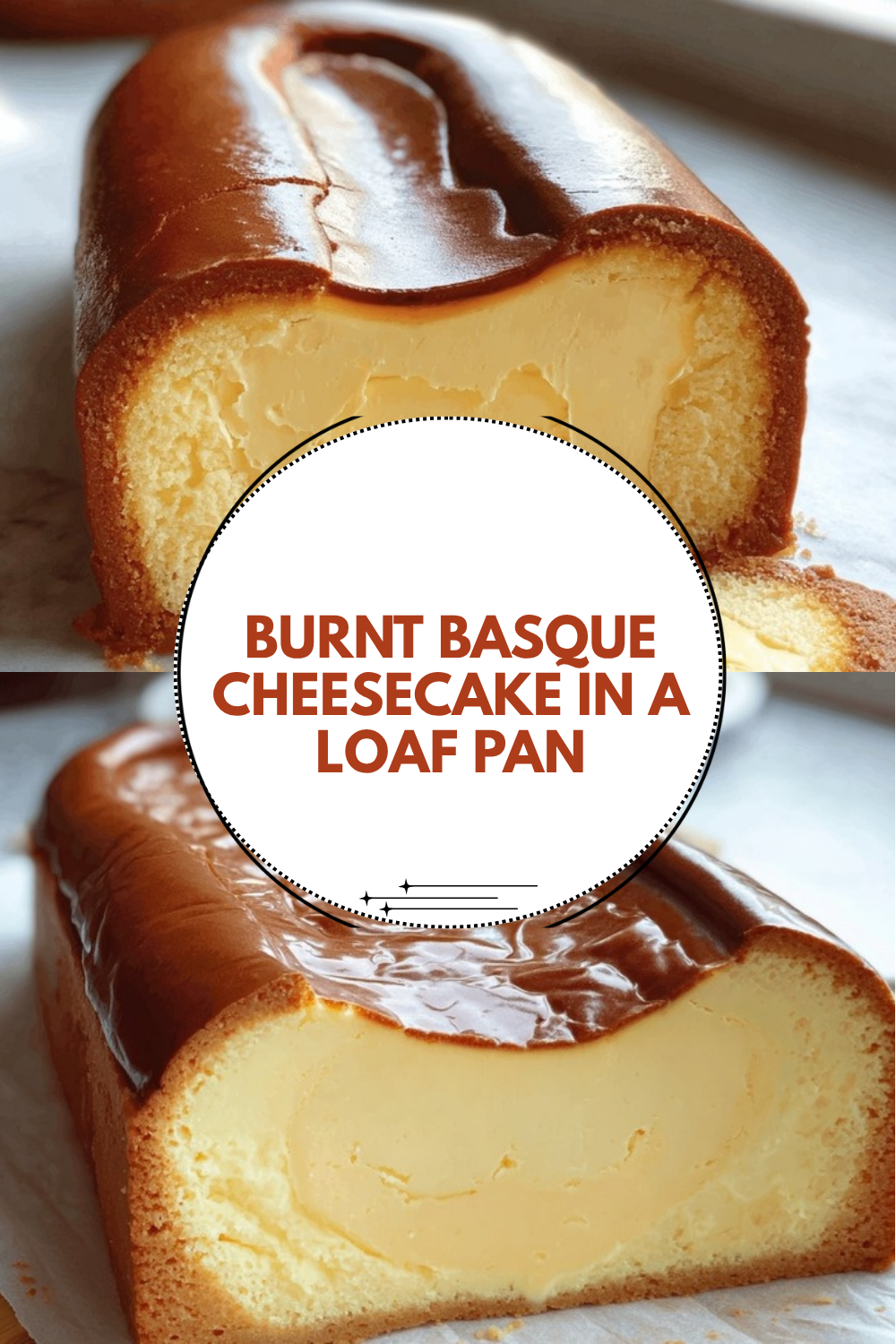
If you have been craving a dessert that looks dramatic but feels surprisingly simple to make, this Burnt Basque Cheesecake In A Loaf Pan is a great place to start. It brings together a deep caramelized top, a creamy center, and a bakery-style finish without a crust or water bath. Since it bakes in a loaf pan, the shape is smaller, neat, and perfect for slicing into easy portions.
- Easy to make: This recipe uses one bowl, a hand mixer, and a loaf pan, so it fits busy weeknights and last-minute dessert plans. The prep time is only 15 minutes, and the total time is about 60 minutes before chilling.
- Rich but satisfying: Each serving has 208 calories, 3 grams of protein, and 13 grams of fat, which makes it a decadent treat in a sensible portion size.
- Flexible for different homes: A loaf pan works well for smaller households, students, newlyweds, or anyone who does not want a huge cheesecake sitting in the fridge.
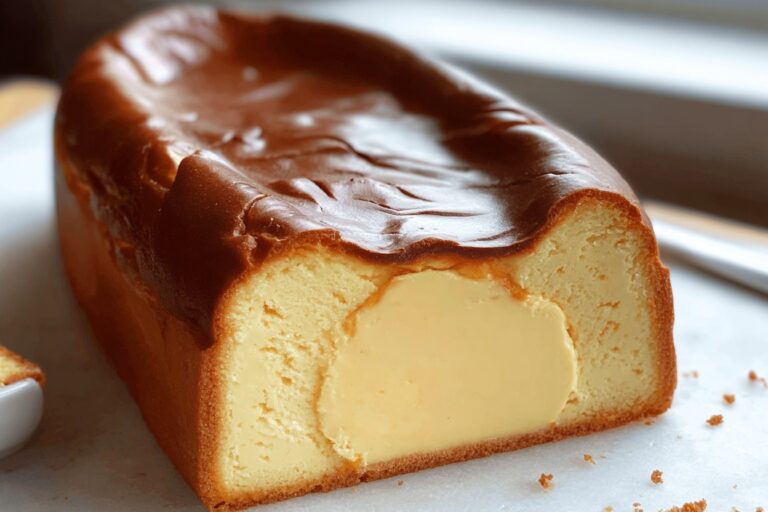
- Distinctive flavor and texture: The top turns dark and scorched while the inside stays silky and custardy. That contrast is what makes Basque cheesecake so memorable.
If you love desserts with a rustic look and a creamy bite, this loaf pan version gives you all the charm of classic Basque cheesecake in a smaller, easier format.
For readers who enjoy simple bakes with a cozy feel, this recipe sits nicely beside other easy treats like easy cinnamon bread for home bakers and quick almond croissant bites.
It also pairs beautifully with a cup of coffee, tea, or even a chilled drink after dinner, which makes it a nice fit for entertaining, meal planning, or a quiet night in.
Jump to:
- Why You’ll Love This Burnt Basque Cheesecake In A Loaf Pan
- Essential Ingredients for Burnt Basque Cheesecake In A Loaf Pan
- Main Ingredients
- Special Dietary Options
- How to Prepare the Perfect Burnt Basque Cheesecake In A Loaf Pan: Step-by-Step Guide
- First Step: Prepare the pan and oven
- Second Step: Beat the cream cheese and sugar
- Third Step: Add the eggs one at a time
- Fourth Step: Stir in the cream, vanilla, and salt
- Fifth Step: Add the flour gently
- Sixth Step: Pour and bake
- Final Step: Cool, chill, and serve
- Dietary Substitutions to Customize Your Burnt Basque Cheesecake In A Loaf Pan
- Protein and Main Component Alternatives
- Vegetable, Sauce, and Seasoning Modifications
- Mastering Burnt Basque Cheesecake In A Loaf Pan: Advanced Tips and Variations
- Pro cooking techniques
- Flavor variations
- Presentation tips
- Make-ahead options
- How to Store Burnt Basque Cheesecake In A Loaf Pan: Best Practices
- FAQs: Frequently Asked Questions About Burnt Basque Cheesecake In A Loaf Pan
- Can you make burnt Basque cheesecake in a loaf pan?
- What size loaf pan is best for Basque cheesecake?
- How do you bake burnt Basque cheesecake in a loaf pan?
- How long does Basque cheesecake in a loaf pan take to bake and cool?
- How should I store Basque cheesecake made in a loaf pan?
- Burnt Basque Cheesecake In A Loaf Pan
- Ingredients
- Instructions
- Last Step:
- Notes
- Nutrition
- Did you make this recipe?
Essential Ingredients for Burnt Basque Cheesecake In A Loaf Pan
This loaf pan Basque cheesecake recipe keeps the ingredient list short, but each item matters. Use the exact amounts below for the best texture and the deep, creamy flavor this dessert is known for.
Main Ingredients
- 1 and 3/4 pounds full-fat cream cheese bars, softened – This is the base of the cheesecake and gives it the rich, dense, creamy texture that Basque cheesecake is known for. Use bars, not spreadable tub-style cream cheese.
- 1 cup granulated sugar – Adds sweetness and helps the top caramelize while baking.
- 4 large eggs – Give the cheesecake structure and help the center set with that classic custardy texture.
- 1 and 2/3 cups heavy cream – Makes the filling silky and soft, which is a key part of the burnt cheesecake style.
- 1 teaspoon vanilla extract, optional – Adds a light warm flavor. You can skip it if you do not have any on hand.
- 1/4 teaspoon salt – Balances the sweetness and brings out the cream cheese flavor.
- 1/4 cup all-purpose flour – Helps the cheesecake hold together while still keeping the middle tender.
Special Dietary Options
- Vegan: Use a plant-based cream cheese, vegan heavy cream, egg replacer, and a gluten-free or standard flour substitute if needed. Texture will be softer, but it can still bake into a creamy dessert.
- Gluten-free: Swap the all-purpose flour for a 1:1 gluten-free baking blend. Keep the rest of the recipe the same.
- Low-calorie: Use a lighter cream cheese and reduced-fat cream substitute, though the cheesecake will be less rich and may not brown the same way.
| Ingredient | Amount | Role in the Recipe |
|---|---|---|
| Cream cheese bars | 1 and 3/4 pounds | Creates the creamy base |
| Granulated sugar | 1 cup | Sweetens and helps browning |
| Eggs | 4 large | Sets the custard structure |
| Heavy cream | 1 and 2/3 cups | Adds silkiness |
| Vanilla extract | 1 teaspoon | Optional flavor note |
| Salt | 1/4 teaspoon | Balances flavor |
| All-purpose flour | 1/4 cup | Helps the cheesecake hold shape |
For more ingredient inspiration and a better sense of how dairy-based baking works, you can also read this cream cheese nutrition guide.
How to Prepare the Perfect Burnt Basque Cheesecake In A Loaf Pan: Step-by-Step Guide
First Step: Prepare the pan and oven
Start by preheating your oven to 400 degrees Fahrenheit. This high heat is important because it gives the cheesecake its deep brown top and lightly scorched edges. Lightly butter a 9×5-inch loaf pan, then line it with parchment paper, leaving some overhang so you can lift the cheesecake out later. The butter helps the parchment stick to the sides, which makes assembly easier.
If your loaf pan fills close to the top, place it on a baking sheet before it goes into the oven. That extra step helps catch any overflow and gives you a little peace of mind while it bakes. This is a good move for anyone using a smaller or deeper pan.
Second Step: Beat the cream cheese and sugar
Add the softened cream cheese and granulated sugar to a large bowl. Using a hand mixer, beat them together for about 5 minutes until the mixture looks smooth and creamy. Take your time here, because this is where a lot of the final texture comes from. If the cream cheese is still lumpy, the cheesecake can bake unevenly.
This is also the stage where room temperature cream cheese matters most. Full-fat cream cheese bars blend more smoothly than spreadable versions, and they also give the dessert a richer finish.
Third Step: Add the eggs one at a time
Crack in the eggs one by one, mixing well after each addition. This helps the batter stay smooth and prevents the mixture from separating. Each egg should disappear fully before the next goes in. A steady pace here helps the cheesecake bake with a creamy center instead of a scrambled texture.
If you like a more classic Basque cheesecake structure, do not rush this step. Mixing after each egg gives the batter a glossy look and makes the final result more reliable.
Fourth Step: Stir in the cream, vanilla, and salt
Pour in the heavy cream, then add the vanilla extract if you are using it, and finish with the salt. Whisk until everything comes together. The batter will loosen and become smooth again. This is exactly what you want, because the heavy cream is what gives the cheesecake its soft, custard-like bite.
Vanilla is optional, so if you do not have it, the cheesecake will still taste wonderful. The salted note is subtle, but it keeps the dessert from tasting too sweet.
Fifth Step: Add the flour gently
Sift in the all-purpose flour gradually, then stir gently to incorporate it. Sifting helps prevent lumps, and adding it slowly keeps the batter light. Do not overmix once the flour is in. Overworking the batter can make the cheesecake firmer than intended.
Sift the flour slowly and stir with a light hand. That small bit of patience helps keep the final texture silky instead of heavy.
Sixth Step: Pour and bake
Pour the batter into the prepared loaf pan. It should settle evenly across the pan on its own. Slide it into the preheated oven and bake for 40 to 45 minutes. The cheesecake is ready when the edges are dark brown and the center is slightly lighter but still a little jiggly. That contrast is what gives burnt Basque cheesecake its signature look.
Do not worry if the top looks very dark. The surface should caramelize, and that deep color is part of the flavor. The inside will remain creamy even when the top looks bold and almost burned.
Final Step: Cool, chill, and serve
Remove the cheesecake from the oven and let it cool fully at room temperature. This step is important because the cheesecake continues to set as it cools. Once it reaches room temperature, move it to the refrigerator and chill for 2 to 4 hours, or overnight if you have the time. Chilling makes slicing much cleaner and gives the flavor time to settle.
When serving, lift the cheesecake from the loaf pan using the parchment paper, slice it with a clean knife, and serve it cold for the best texture. If you want a softer bite, let each slice sit out for a few minutes before eating.

Dietary Substitutions to Customize Your Burnt Basque Cheesecake In A Loaf Pan
Protein and Main Component Alternatives
If you need to adjust the recipe, there are a few practical swaps you can try. For the cream cheese, use a high-quality vegan cream cheese if you want a dairy-free version, though the flavor will be a little less tangy. For the eggs, a commercial egg replacer can work, but the cheesecake may be softer and less structured. If you want to reduce dairy richness, use a lighter cream, but expect a less creamy finish.
For gluten-free baking, replace the all-purpose flour with a gluten-free flour blend that includes xanthan gum if possible. That helps the cheesecake hold together without changing the method too much.
Vegetable, Sauce, and Seasoning Modifications
While this is a dessert, small flavor changes can still make it feel fresh. You can skip the vanilla for a more classic dairy-forward taste, or add a tiny bit of citrus zest if you want a brighter profile. A spoonful of berry sauce, roasted strawberries, or a dusting of cocoa on the side can also change the mood of the dessert without altering the base recipe.
For a lighter serving style, pair each slice with fresh fruit instead of a sweet sauce. This works well for diet-conscious readers and anyone who wants a simple finish after dinner.
Mastering Burnt Basque Cheesecake In A Loaf Pan: Advanced Tips and Variations
Pro cooking techniques
One of the best tricks for this recipe is to trust the process. The top should look dark, even a little intimidating, by the time it is done. That scorched crust is what gives a Scorched Crust Basque Cheesecake its charm. Keep an eye on the color, but do not pull it early just because the top looks dark before the center is set.
If your oven tends to run hot, start checking around the 40-minute mark. If the loaf pan is smaller or deeper than expected, the bake may need a few extra minutes. The best doneness check is a gently wobbly center with firm edges.
Flavor variations
Vanilla is optional, which means you can keep the flavor clean and simple. If you want a twist, try adding a little citrus zest, espresso powder, or a pinch of cinnamon. You can also top slices with fresh berries, jam, or a light spoonful of whipped cream.
For readers who like breakfast-style baked goods, this dessert pairs nicely with a cozy plate of muffins such as soft apple oat muffins or a fruit-forward treat like blueberry banana muffins.
Presentation tips
Serve the cheesecake straight from the fridge for tidy slices. The loaf shape already looks neat, so you do not need much decoration. A few berries, a light dusting of powdered sugar, or a drizzle of berry sauce is enough. The rustic cracks in the top are not a problem. In fact, they add to the homemade feel and make the dessert look even more inviting.
Make-ahead options
This is a very friendly dessert for planning ahead. Bake it the day before, chill overnight, and slice it when you are ready to serve. The flavor often tastes even better after resting. That makes it a smart choice for dinner parties, holidays, potlucks, or weekends when you want dessert ready without last-minute stress.
How to Store Burnt Basque Cheesecake In A Loaf Pan: Best Practices
Store leftover cheesecake in an airtight container in the refrigerator for up to 5 days. If you want to keep the slices neat, wrap them tightly in plastic wrap first, then place them in a container. This helps prevent drying and keeps the creamy center tasting fresh.
For longer storage, freeze individual slices in freezer-safe bags for up to 2 months. Thaw them overnight in the refrigerator before serving. If you prefer a warm bite, reheat slices gently in a 300 degrees Fahrenheit oven for 5 to 10 minutes. Avoid leaving the cheesecake out at room temperature for more than 2 hours because it is a dairy-based dessert.
If you are meal prepping desserts or making it for a crowd, slice the cheesecake after it chills and store portions separately. That makes serving easier later and helps each piece stay tidy.
FAQs: Frequently Asked Questions About Burnt Basque Cheesecake In A Loaf Pan
Can you make burnt Basque cheesecake in a loaf pan?
Yes, a loaf pan works great for burnt Basque cheesecake, creating a smaller, sliceable loaf shape perfect for 6-8 servings. Use an 8×4-inch or 9×5-inch metal loaf pan for even baking—line it fully with parchment paper overhanging the sides for easy removal. Prepare the batter with 16 oz cream cheese, 1/2 cup sugar, 2 eggs, 1/2 cup heavy cream, 1 tbsp flour, and 1 tsp vanilla. Blend until smooth, pour in, and bake at 425°F for 35-45 minutes until the top is deeply browned and jiggly in the center. Cool at room temp, then chill 4+ hours. This method yields the signature scorched top and creamy interior without a water bath. (92 words)
What size loaf pan is best for Basque cheesecake?
An 8×4-inch loaf pan is ideal for a standard single-loaf Basque cheesecake, yielding about 6-8 portions with perfect height and bake time. A 9×5-inch pan works for a slightly wider, shorter loaf—adjust bake time down by 5 minutes. Avoid glass or dark pans as they retain heat unevenly, risking overbrowning. Always line with two crossed parchment sheets for full coverage and easy lifting. This size keeps the batter 1.5-2 inches deep pre-bake, ensuring the high-heat method (425°F) creates the caramelized crust while the middle stays custardy. Test doneness by a 3-inch wobbly center. (102 words)
How do you bake burnt Basque cheesecake in a loaf pan?
Preheat oven to 425°F with rack in middle. Beat 16 oz softened cream cheese and 1/2 cup sugar until fluffy, add 2 eggs one at a time, then 1/2 cup heavy cream, 1 tbsp flour, and 1 tsp vanilla—mix just until smooth. Pour into parchment-lined 8×4-inch loaf pan. Bake 35-45 minutes; top will burn dark brown while center jiggles like Jell-O. Turn off oven, crack door, cool 30 minutes inside to avoid cracks. Room temp cool fully, then refrigerate 4-6 hours or overnight. Slice cold for clean cuts—reheats beautifully. No crust or water bath needed. (108 words)
How long does Basque cheesecake in a loaf pan take to bake and cool?
Bake at 425°F for 35-45 minutes in an 8×4-inch loaf pan—start checking at 35 minutes for a deeply burnt top and 3-inch jiggly center. Ovens vary, so use a thermometer: internal temp around 200°F is perfect. Cool in turned-off oven with door ajar for 30 minutes, then 1-2 hours at room temp. Refrigerate at least 4 hours (overnight best) for set texture. Total time from mixing to serving: 5-6 hours, mostly hands-off. Pro tip: if top isn’t burnt enough, broil 1-2 minutes watching closely. Yields creamy slices ready for fruit or coffee. (104 words)
How should I store Basque cheesecake made in a loaf pan?
Store whole or sliced Basque cheesecake loaf in an airtight container in the fridge up to 5 days—wrap tightly in plastic first to prevent drying. For longer storage, freeze slices individually in freezer bags up to 2 months; thaw overnight in fridge. Avoid room temp beyond 2 hours due to dairy. Leftovers reheat gently in 300°F oven 5-10 minutes for warm, gooey center. Label with date, and note it tastes even better day 2 as flavors meld. If gifting, include storage tips. Always use clean knife for slicing to maintain neat edges. (96 words)
Burnt Basque Cheesecake In A Loaf Pan
🍰🔥 Discover silky-smooth Basque cheesecake in an easy loaf pan—caramelized scorched crust with custardy center for indulgent, rustic dessert perfection!
🧀 No water bath needed, beginner-friendly bake yielding rich flavor and creamy texture everyone craves for parties or treats.
- Total Time: 5 hours
- Yield: 8 servings
Ingredients
– 1 and 3/4 pounds cream cheese bars for creating the creamy base
– 1 cup granulated sugar for sweetening and helping browning
– 4 large eggs for setting the custard structure
– 1 and 2/3 cups heavy cream for adding silkiness
– 1 teaspoon vanilla extract for optional flavor note
– 1/4 teaspoon salt for balancing flavor
– 1/4 cup all-purpose flour for helping the cheesecake hold shape
Instructions
1-First Step: Prepare the pan and oven. Start by preheating your oven to 400 degrees Fahrenheit. This high heat is important because it gives the cheesecake its deep brown top and lightly scorched edges. Lightly butter a 9×5-inch loaf pan, then line it with parchment paper, leaving some overhang so you can lift the cheesecake out later. The butter helps the parchment stick to the sides, which makes assembly easier. If your loaf pan fills close to the top, place it on a baking sheet before it goes into the oven. That extra step helps catch any overflow and gives you a little peace of mind while it bakes. This is a good move for anyone using a smaller or deeper pan.
2-Second Step: Beat the cream cheese and sugar. Add the softened cream cheese and granulated sugar to a large bowl. Using a hand mixer, beat them together for about 5 minutes until the mixture looks smooth and creamy. Take your time here, because this is where a lot of the final texture comes from. If the cream cheese is still lumpy, the cheesecake can bake unevenly. This is also the stage where room temperature cream cheese matters most. Full-fat cream cheese bars blend more smoothly than spreadable versions, and they also give the dessert a richer finish.
3-Third Step: Add the eggs one at a time. Crack in the eggs one by one, mixing well after each addition. This helps the batter stay smooth and prevents the mixture from separating. Each egg should disappear fully before the next goes in. A steady pace here helps the cheesecake bake with a creamy center instead of a scrambled texture. If you like a more classic Basque cheesecake structure, do not rush this step. Mixing after each egg gives the batter a glossy look and makes the final result more reliable.
4-Fourth Step: Stir in the cream, vanilla, and salt. Pour in the heavy cream, then add the vanilla extract if you are using it, and finish with the salt. Whisk until everything comes together. The batter will loosen and become smooth again. This is exactly what you want, because the heavy cream is what gives the cheesecake its soft, custard-like bite. Vanilla is optional, so if you do not have it, the cheesecake will still taste wonderful. The salted note is subtle, but it keeps the dessert from tasting too sweet.
5-Fifth Step: Add the flour gently. Sift in the all-purpose flour gradually, then stir gently to incorporate it. Sifting helps prevent lumps, and adding it slowly keeps the batter light. Do not overmix once the flour is in. Overworking the batter can make the cheesecake firmer than intended. Sift the flour slowly and stir with a light hand. That small bit of patience helps keep the final texture silky instead of heavy.
6-Sixth Step: Pour and bake. Pour the batter into the prepared loaf pan. It should settle evenly across the pan on its own. Slide it into the preheated oven and bake for 40 to 45 minutes. The cheesecake is ready when the edges are dark brown and the center is slightly lighter but still a little jiggly. That contrast is what gives burnt Basque cheesecake its signature look. Do not worry if the top looks very dark. The surface should caramelize, and that deep color is part of the flavor. The inside will remain creamy even when the top looks bold and almost burned.
7-Final Step: Cool, chill, and serve. Remove the cheesecake from the oven and let it cool fully at room temperature. This step is important because the cheesecake continues to set as it cools. Once it reaches room temperature, move it to the refrigerator and chill for 2 to 4 hours, or overnight if you have the time. Chilling makes slicing much cleaner and gives the flavor time to settle. When serving, lift the cheesecake from the loaf pan using the parchment paper, slice it with a clean knife, and serve it cold for the best texture. If you want a softer bite, let each slice sit out for a few minutes before eating.
Last Step:
Please leave a rating and comment letting us know how you liked this recipe! This helps our business to thrive and continue providing free, high-quality recipes for you.Notes
🧈 Butter pan lightly before parchment to prevent slipping during baking.
🔥 Embrace the dark, burnt top—it’s the signature scorched crust with creamy interior.
❄️ Chill overnight for best texture; cracks are rustic charm, not a flaw.
- Prep Time: 15 minutes
- Chill: 4 hours
- Cook Time: 45 minutes
- Category: Dessert
- Method: Bake
- Cuisine: Basque/Spanish
- Diet: Vegetarian
Nutrition
- Serving Size: 1 slice
- Calories: 208 kcal
- Sugar: 18g
- Sodium: 78mg
- Fat: 13g
- Saturated Fat: 8g
- Unsaturated Fat: 5g
- Trans Fat: 0g
- Carbohydrates: 20g
- Fiber: 0g
- Protein: 3g
- Cholesterol: 92mg