
Why You’ll Love This Greek Pasta Salad
Greek Pasta Salad stands out as a go-to option for anyone seeking a quick and tasty dish that’s full of fresh flavors. With its mix of crisp vegetables, hearty pasta, and a zingy dressing, it’s designed for busy days when you want something nutritious without spending hours in the kitchen. Let’s dive into the reasons this recipe will become a staple in your meal rotation.
- Ease of preparation: One of the best aspects of this Greek Pasta Salad is how simple it is to put together, with a total time of just 16 minutes from start to finish. You’ll appreciate the straightforward steps, like boiling the pasta and chopping veggies, which make it ideal for beginners or those with packed schedules. This means you can whip up a delicious side or main dish without fuss, freeing up more time for enjoying your day.
- Health benefits: Packed with nutrient-rich ingredients such as cucumbers, tomatoes, and bell peppers, this salad offers a boost of vitamins and minerals that support overall wellness. Each serving provides about 328 calories, 32g of carbohydrates, and essential nutrients like Vitamin C and fiber, making it a smart choice for those watching their diet. It’s a refreshing way to get more veggies into your meals while keeping things light and satisfying.
- Versatility: This Greek Pasta Salad adapts easily to different occasions, whether you’re preparing it for a casual lunch or a big gathering. You can turn it into a full meal by adding grilled chicken, or adjust it for various dietary needs, like using whole wheat pasta for extra fiber. Its flexibility makes it perfect for home cooks, busy parents, or anyone hosting a party, ensuring it fits seamlessly into your lifestyle.
- Distinctive flavor: The bold taste comes from a mix of juicy tomatoes, tangy feta cheese, and a homemade or store-bought Greek dressing that ties everything together. Ingredients like olives and oregano add that authentic Mediterranean vibe, creating a balance of salty, fresh, and herbaceous notes. It’s this unique combination that makes every bite exciting and memorable, setting it apart from ordinary salads.
Overall, Greek Pasta Salad is not just a recipe; it’s a versatile option that brings freshness and flavor to your table with minimal effort. Whether you’re a student grabbing a quick lunch or a family entertaining guests, this dish delivers on taste and convenience every time.
Jump to:
- Why You’ll Love This Greek Pasta Salad
- Essential Ingredients for Greek Pasta Salad
- Main Ingredients
- Dressing Options
- Special Dietary Options
- How to Prepare the Perfect Greek Pasta Salad: Step-by-Step Guide
- First Step: Prepare the Dressing
- Second Step: Cook the Pasta
- Third Step: Chop the Vegetables
- Fourth Step: Combine the Ingredients
- Fifth Step: Add and Mix the Dressing
- Sixth Step: Chill and Serve
- Dietary Substitutions to Customize Your Greek Pasta Salad
- Protein and Main Component Alternatives
- Vegetable, Sauce, and Seasoning Modifications
- Mastering Greek Pasta Salad: Advanced Tips and Variations
- Pro Cooking Techniques
- Flavor Variations
- Presentation Tips
- How to Store Greek Pasta Salad: Best Practices
- Refrigeration Guidelines
- Freezing Options
- Reheating and Meal Prep
- FAQs: Frequently Asked Questions About Greek Pasta Salad
- What are the best vegetables to add to a Greek pasta salad?
- Can I use store-bought dressing for Greek pasta salad, or should I make it from scratch?
- How can I reduce the sharpness of raw red onions in Greek pasta salad?
- How long does Greek pasta salad stay fresh when stored in the fridge?
- Can I substitute the type of pasta used in Greek pasta salad, and which options work best?
- Greek Pasta Salad
- Ingredients
- Instructions
- Last Step:
- Notes
- Nutrition
- Did you make this recipe?
Essential Ingredients for Greek Pasta Salad
To create a delicious Greek Pasta Salad, you’ll need a selection of fresh, high-quality ingredients that bring out its vibrant flavors. This section breaks down the main components, including their quantities and why they matter, to help you shop and prepare with ease. We’ll also touch on special dietary options to make this recipe adaptable for everyone.
Main Ingredients
- 16 ounces rotini or other medium pasta – This forms the base of the salad, providing a hearty texture that holds dressings and mix-ins well, making it satisfying for a crowd.
- ¾ English cucumber, diced – Adds a crisp, refreshing crunch and hydration, while contributing to the salad’s cool, summery feel.
- 1 pint grape tomatoes, halved – Brings juicy sweetness and bursts of flavor, plus a good dose of vitamins for a healthy twist.
- 1 red or orange bell pepper, diced – Offers a sweet, colorful pop that enhances the visual appeal and provides extra crunch and nutrients.
- ½ cup sliced pitted olives – Infuses a salty, briny taste that echoes Mediterranean roots, adding depth without overwhelming other flavors.
- ½ cup crumbled feta cheese – Provides a tangy creaminess that ties the salad together, making it more indulgent yet balanced.
- ⅓ cup diced red onion – Delivers a sharp, pungent kick that can be toned down with simple tricks, adding layers to the overall taste.
Dressing Options
- 1 cup store-bought Greek dressing – A convenient choice for quick prep, offering ready-made flavors of olive oil and herbs.
- ¼ cup olive oil – Serves as the base for homemade dressing, providing healthy fats and a smooth foundation for other seasonings.
- ⅓ cup red wine vinegar – Adds acidity to brighten the flavors and balance the richness of the cheese and olives.
- ½ teaspoon garlic powder – Brings a subtle garlic note without the fuss of fresh cloves, enhancing the dressing’s aroma.
- 1 teaspoon dried oregano – Infuses earthy, herbal tones that are signature to Greek cuisine, elevating the dish’s authenticity.
- Salt and pepper to taste – Allows for easy seasoning adjustments, ensuring the dressing complements the salad perfectly.
Special Dietary Options
For vegan adaptations, swap crumbled feta cheese with plant-based alternatives like tofu or vegan cheese to keep the creamy element without dairy. If going gluten-free, opt for gluten-free pasta varieties in the 16 ounces measurement to maintain the structure while accommodating sensitivities. For a low-calorie version, use light versions of the dressing and reduce cheese to ¼ cup, focusing on the veggies like the ¾ English cucumber for a lighter, nutrient-packed meal.
How to Prepare the Perfect Greek Pasta Salad: Step-by-Step Guide
Greek Pasta Salad is all about combining simple steps to create a dish that’s bursting with flavor and easy to customize. We’ll walk through each part, from prepping your ingredients to the final chill, so you can make it just right. Remember, cooking the pasta al dente is key to keeping that perfect texture, especially if you’re adapting for dietary needs like using whole wheat options.
First Step: Prepare the Dressing
Start by deciding on your dressing either grab 1 cup of store-bought Greek dressing for speed, or make your own for a personal touch. If you’re going homemade, whisk together ¼ cup olive oil, ⅓ cup red wine vinegar, ½ teaspoon garlic powder, 1 teaspoon dried oregano, and add salt and pepper to taste in a small bowl. This step takes just a minute or two and lets the flavors meld while you move on, making it ideal for busy cooks who want fresh tastes without extra work. For dietary tweaks, use an oil-free vinegar base if you’re aiming for a low-fat version.
Second Step: Cook the Pasta
Bring a large pot of salted water to a boil and add 16 ounces of rotini or another medium pasta, cooking it al dente as per the package instructions usually around 8 minutes. Once done, rinse the pasta under cold water to stop the cooking process and prevent it from getting mushy. This keeps the pasta firm and ready to absorb the dressing’s flavors, which is great for meal prep or if you’re making this for a party. If substituting for gluten-free pasta, follow the same timing to ensure it holds up well in the salad.
Third Step: Chop the Vegetables
While the pasta cools, wash and chop your fresh produce: dice ¾ English cucumber, halve 1 pint grape tomatoes, dice 1 red or orange bell pepper, and prepare ⅓ cup diced red onion. To reduce the onion’s sharpness, soak it in ice water for 10 seconds as a quick tip drain and repeat if needed for a milder bite. This step, which takes about 5 minutes, adds color and crunch, and you can swap veggies based on what’s in season or your preferences, like using zucchini for a low-carb option. Aim for even pieces so everything mixes evenly in the salad.
Fourth Step: Combine the Ingredients
In a large mixing bowl, add the cooled pasta along with the chopped vegetables: ¾ English cucumber, 1 pint grape tomatoes, 1 red or orange bell pepper, ⅓ cup diced red onion, ½ cup sliced pitted olives, and ½ cup crumbled feta cheese. Gently toss everything together to distribute the ingredients evenly, which helps build the salad’s fresh layers. If you’re making this vegan, hold off on the feta or use a substitute here to keep things plant-based, ensuring the salad remains versatile for different tastes. This is also a good moment to check out summer drink recipes on our site to pair with your salad for a complete meal.
Fifth Step: Add and Mix the Dressing
Pour in your chosen dressing whether it’s the 1 cup store-bought or the homemade version and toss everything well to coat. Make sure all components are evenly dressed, which enhances the Greek Pasta Salad’s bold flavors and helps it chill properly. For low-calorie adaptations, use less dressing or a lighter variety to cut back on fats, and taste as you go to adjust seasonings. This step is crucial for that authentic taste, so take a moment to stir thoroughly before moving on.
Sixth Step: Chill and Serve
Once mixed, cover the bowl and refrigerate the salad for at least 2 hours to let the flavors develop and the ingredients meld together. This chilling time, around 2 hours on average, makes the dish even better for make-ahead meals, perfect for lunches or potlucks. Before serving, give it a quick stir; if you’d like to make it a full meal, add grilled chicken marinated in the dressing for extra protein. For storage tips or variations, you can explore more on our blog for related ideas. Overall, this simple process results in a fresh, flavorful Greek Pasta Salad that’s ready to enjoy. To learn more about cooking pasta perfectly, check out this external guide for expert advice.

Dietary Substitutions to Customize Your Greek Pasta Salad
Protein and Main Component Alternatives
Swapping the main elements can make your Greek Pasta Salad fit various diets while keeping it delicious. For instance, replace the pasta with zucchini noodles for a low-carb version, or add grilled chicken for more protein, which aligns with the original recipe’s suggestion. Plant-based eaters might use chickpeas instead of feta for a hearty boost, ensuring the salad remains filling and adaptable.
Vegetable, Sauce, and Seasoning Modifications
Adjusting veggies is easy swap the 1 red or orange bell pepper for broccoli if you prefer crunchier options, or use spinach for added greens in a low-calorie tweak. For sauces, opt for a dairy-free Greek dressing if avoiding cheese, and season with fresh herbs instead of dried oregano to enhance flavors without extra sodium. These changes support vegetarian, vegan, gluten-free, and low-calorie preferences, making the salad versatile for everyone.
Mastering Greek Pasta Salad: Advanced Tips and Variations
Pro Cooking Techniques
To elevate your Greek Pasta Salad, focus on techniques like rinsing pasta thoroughly to maintain its texture, as in the recipe’s second step. For better flavor absorption, let the salad sit longer than 2 hours, which enhances the dressing’s impact on the 16 ounces of pasta and veggies.
Flavor Variations
Experiment with adding lemon zest to the dressing for a brighter twist, or incorporate herbs like basil alongside the dried oregano. These tweaks can make the salad feel new each time, while keeping the core ingredients like the ¾ English cucumber intact.
Presentation Tips
Arrange the salad in a colorful bowl to highlight the diced vegetables and feta, making it more appealing for gatherings. For make-ahead options, prepare components in advance and store them separately to preserve freshness.
How to Store Greek Pasta Salad: Best Practices
Refrigeration Guidelines
Keep your Greek Pasta Salad fresh by storing it in an airtight container in the fridge, where it lasts up to 5 days as per the recipe tips. This method helps maintain the crispness of ingredients like the diced cucumber and tomatoes.
Freezing Options
For longer storage, freeze portions in freezer-safe bags, though the texture of pasta might change; thaw in the fridge overnight for best results.
Reheating and Meal Prep
To reheat, let it sit at room temperature for a few minutes or enjoy it cold; for meal prep, divide into single servings for easy grabs throughout the week.
FAQs: Frequently Asked Questions About Greek Pasta Salad
What are the best vegetables to add to a Greek pasta salad?
Traditional Greek pasta salad often includes cucumbers, cherry or grape tomatoes, red onions, bell peppers, and Kalamata olives. These vegetables provide a fresh, crisp texture and authentic Mediterranean flavors. You can dice or slice cucumbers and peppers, halve the tomatoes, and thinly slice the onions for even distribution. Feel free to add other veggies like artichoke hearts or pepperoncini for extra tang.
Can I use store-bought dressing for Greek pasta salad, or should I make it from scratch?
Store-bought Greek or Mediterranean dressings work well and save time, especially if you’re preparing the salad quickly. Choose dressings with olive oil, red wine vinegar, oregano, and garlic for the most authentic taste. However, making your own dressing with olive oil, lemon juice, garlic, oregano, salt, and pepper allows you to adjust flavors and avoid preservatives.
How can I reduce the sharpness of raw red onions in Greek pasta salad?
To mellow red onions, soak thinly sliced pieces in ice water for at least 10 minutes before adding them. Adding a pinch of salt to the water can further reduce bitterness. Repeat soaking if needed. This simple step softens the onion’s bite while keeping its crunch and color, enhancing the salad’s flavor balance.
How long does Greek pasta salad stay fresh when stored in the fridge?
When stored in an airtight container, Greek pasta salad typically lasts about 4 to 5 days in the refrigerator. The vegetables and dressing may cause the pasta to absorb flavors and soften over time, so it’s best enjoyed within this timeframe. Stir before serving to redistribute the dressing.
Can I substitute the type of pasta used in Greek pasta salad, and which options work best?
Yes, you can substitute pasta types based on your preference. Small shapes like rotini, penne, or bowtie pasta hold dressing and mix-ins well, making them popular choices. Whole wheat or gluten-free pasta also works if you want a healthier or dietary-specific option. Cook pasta al dente to maintain firm texture in the salad.
Greek Pasta Salad
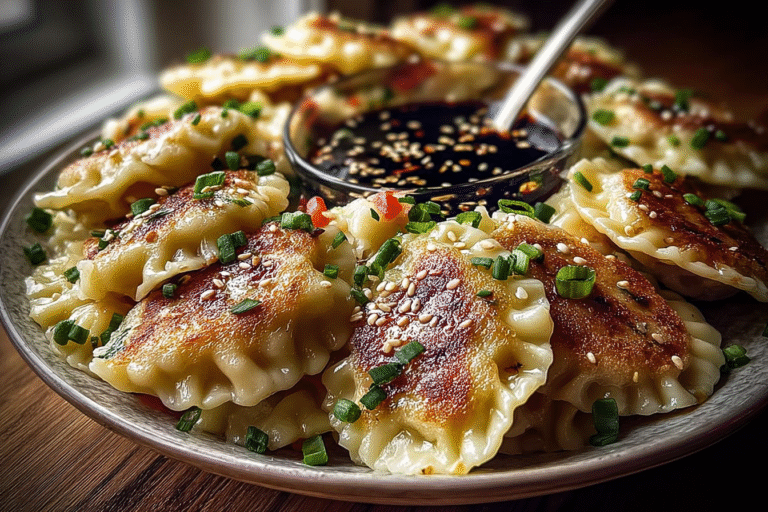
🥗 This Easy Greek Pasta Salad is a vibrant and refreshing dish, perfect for warm days or as a colorful side at any meal.
🍅 Packed with fresh vegetables, bold flavors, and a tangy dressing, it’s a nutritious and satisfying choice for lunch or entertaining.
- Total Time: 2 hours 16 minutes
- Yield: 8 servings 1x
Ingredients
16 ounces rotini or other medium pasta
¾ English cucumber, diced
1 pint grape tomatoes, halved
1 red or orange bell pepper, diced
½ cup sliced pitted olives
½ cup crumbled feta cheese
⅓ cup diced red onion
1 cup store-bought Greek dressing
¼ cup olive oil
⅓ cup red wine vinegar
½ teaspoon garlic powder
1 teaspoon dried oregano
Salt and pepper to taste
Instructions
1-First Step: Prepare the Dressing
Start by deciding on your dressing either grab 1 cup of store-bought Greek dressing for speed, or make your own for a personal touch. If you’re going homemade, whisk together ¼ cup olive oil, ⅓ cup red wine vinegar, ½ teaspoon garlic powder, 1 teaspoon dried oregano, and add salt and pepper to taste in a small bowl. This step takes just a minute or two and lets the flavors meld while you move on, making it ideal for busy cooks who want fresh tastes without extra work. For dietary tweaks, use an oil-free vinegar base if you’re aiming for a low-fat version.
2-Second Step: Cook the Pasta
Bring a large pot of salted water to a boil and add 16 ounces of rotini or another medium pasta, cooking it al dente as per the package instructions usually around 8 minutes. Once done, rinse the pasta under cold water to stop the cooking process and prevent it from getting mushy. This keeps the pasta firm and ready to absorb the dressing’s flavors, which is great for meal prep or if you’re making this for a party. If substituting for gluten-free pasta, follow the same timing to ensure it holds up well in the salad.
3-Third Step: Chop the Vegetables
While the pasta cools, wash and chop your fresh produce: dice ¾ English cucumber, halve 1 pint grape tomatoes, dice 1 red or orange bell pepper, and prepare ⅓ cup diced red onion. To reduce the onion’s sharpness, soak it in ice water for 10 seconds as a quick tip drain and repeat if needed for a milder bite. This step, which takes about 5 minutes, adds color and crunch, and you can swap veggies based on what’s in season or your preferences, like using zucchini for a low-carb option. Aim for even pieces so everything mixes evenly in the salad.
4-Fourth Step: Combine the Ingredients
In a large mixing bowl, add the cooled pasta along with the chopped vegetables: ¾ English cucumber, 1 pint grape tomatoes, 1 red or orange bell pepper, ⅓ cup diced red onion, ½ cup sliced pitted olives, and ½ cup crumbled feta cheese. Gently toss everything together to distribute the ingredients evenly, which helps build the salad’s fresh layers. If you’re making this vegan, hold off on the feta or use a substitute here to keep things plant-based, ensuring the salad remains versatile for different tastes. This is also a good moment to check out summer drink recipes on our site to pair with your salad for a complete meal.
5-Fifth Step: Add and Mix the Dressing
Pour in your chosen dressing whether it’s the 1 cup store-bought or the homemade version and toss everything well to coat. Make sure all components are evenly dressed, which enhances the Greek Pasta Salad’s bold flavors and helps it chill properly. For low-calorie adaptations, use less dressing or a lighter variety to cut back on fats, and taste as you go to adjust seasonings. This step is crucial for that authentic taste, so take a moment to stir thoroughly before moving on.
6-Sixth Step: Chill and Serve
Once mixed, cover the bowl and refrigerate the salad for at least 2 hours to let the flavors develop and the ingredients meld together. This chilling time, around 2 hours on average, makes the dish even better for make-ahead meals, perfect for lunches or potlucks. Before serving, give it a quick stir; if you’d like to make it a full meal, add grilled chicken marinated in the dressing for extra protein. For storage tips or variations, you can explore more on our blog for related ideas. Overall, this simple process results in a fresh, flavorful Greek Pasta Salad that’s ready to enjoy. To learn more about cooking pasta perfectly, check out this external guide for expert advice.
Last Step:
Please leave a rating and comment letting us know how you liked this recipe! This helps our business to thrive and continue providing free, high-quality recipes for you.Notes
🧅 To reduce the strong flavor of the red onion, soak 1/3 cup diced red onion in ice water with a pinch of salt for 10 seconds, then drain and repeat if needed.
🌾 For a healthier version, use whole wheat pasta and a light Greek dressing.
🥗 The salad can be stored in the refrigerator for up to 5 days, making it great for meal prep.
- Prep Time: 8 minutes
- Chilling Time: 2 hours
- Cook Time: 8 minutes
- Category: Salad
- Method: Mixing
- Cuisine: Greek
- Diet: Vegetarian
Nutrition
- Serving Size: 1 serving
- Calories: 328
- Sugar: 3g
- Sodium: 163mg
- Fat: 19g
- Saturated Fat: 3g
- Trans Fat: 0g
- Carbohydrates: 32g
- Fiber: 2g
- Protein: 6g
- Cholesterol: 5mg