
Why You’ll Love This Homemade Ricotta Cheese
Imagine transforming simple kitchen staples into a fresh, creamy delight that elevates your meals with minimal effort. This homemade ricotta cheese recipe is ideal for anyone, from busy parents to food enthusiasts, because it’s straightforward and fits into any schedule. Following this guide means you’re stepping into homemade cheesemaking without the hassle, and you’ll soon see how it brings a burst of flavor to your favorites like pasta or desserts.
One reason you’ll fall for this recipe is its ease in the kitchen. With just a few steps, you can whip up a batch that’s perfect for beginners, and it’s quicker than you might think. Plus, the health perks are realâthis version packs protein and calcium while skipping the additives in store-bought options, making it a smart choice for diet-conscious folks. Whether you’re a student looking for quick meal ideas or seniors wanting nutritious eats, this cheese adds versatility to your table for sweet or savory dishes.
Think about how fun it is to customize this cheese for different tastes and needs. You can tweak it for vegan options or use it in a variety of recipes, which keeps things exciting for baking enthusiasts and party hosts alike. Let’s dive into why making homemade ricotta cheese feels like a rewarding adventure you’ll want to repeat. This approach not only saves money but also lets you enjoy a fresher product that impresses travelers and newlyweds hosting intimate dinners. For a deeper look at how cheese fits into a balanced diet, check out this resource on milk benefits.
Key Benefits and Uses
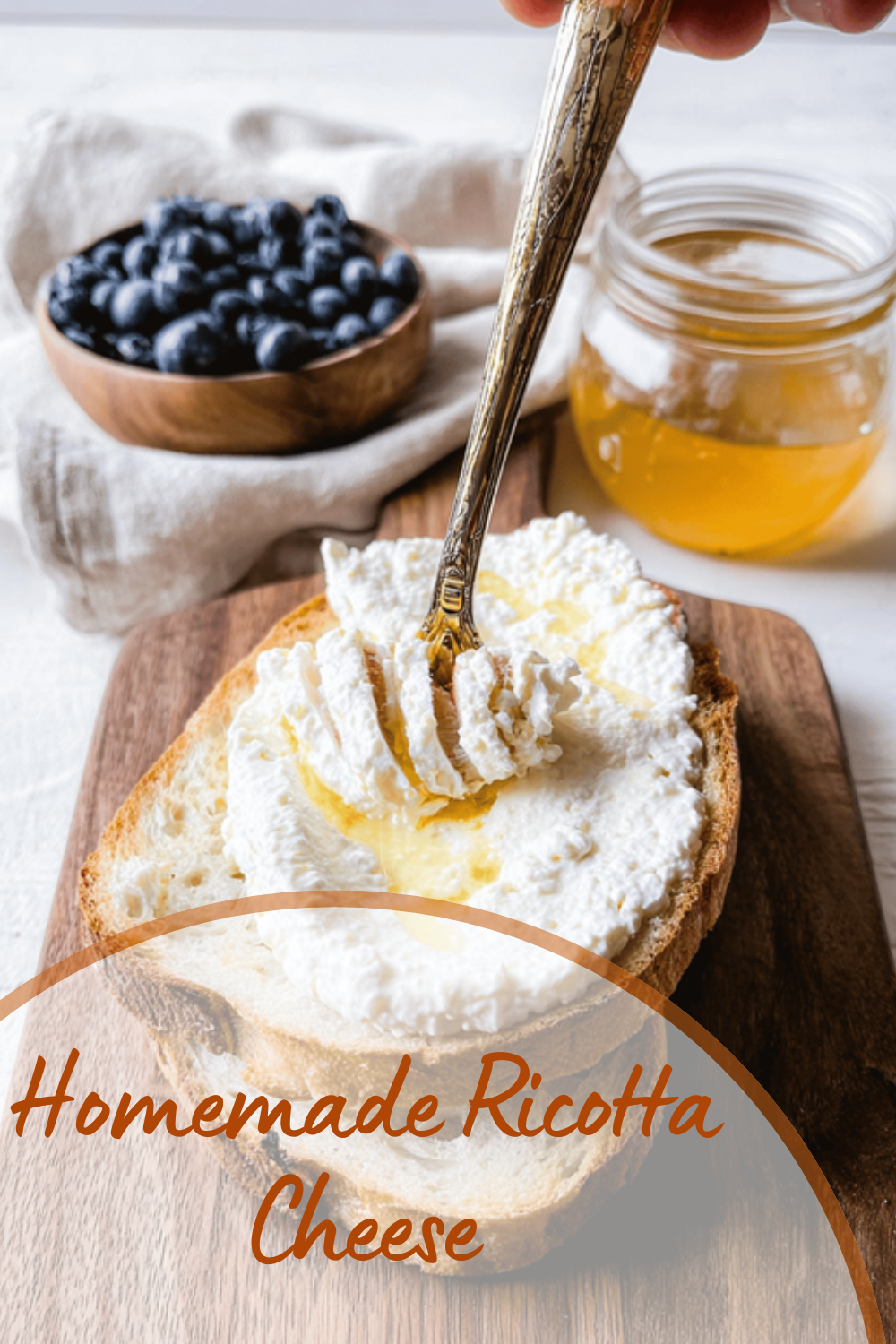
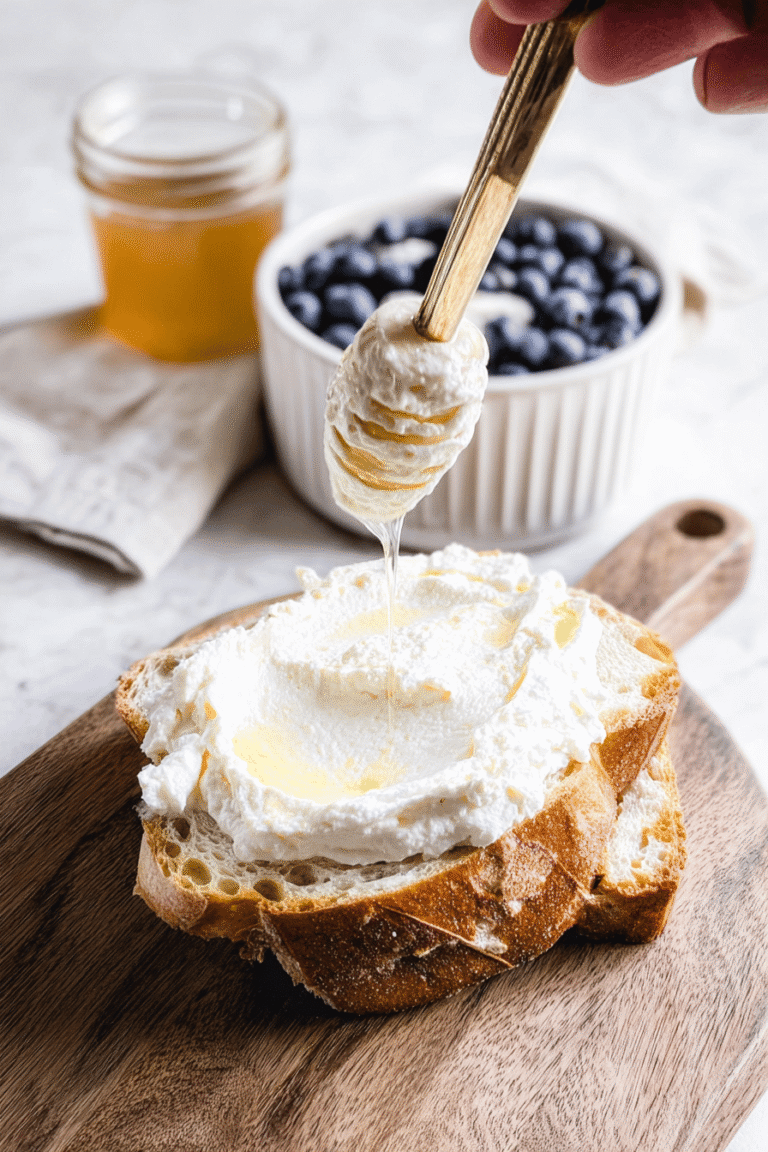
This homemade ricotta cheese stands out with its creamy texture and mild taste, perfect for spreading on toast or mixing into dips. It’s adaptable for busy professionals who need quick additions to their meals, and students will appreciate how it boosts everyday snacks. From working parents to entertainment enthusiasts, this cheese opens up creative options in the kitchen.
Don’t overlook the nutritional sideâit’s full of essential nutrients that support wellness. Baking enthusiasts might use it in cheesecakes, while travelers can pack it for easy meals on the go. Overall, this recipe is a game-changer for anyone wanting simple, homemade goodness.
Jump to:
- Why You’ll Love This Homemade Ricotta Cheese
- Key Benefits and Uses
- Essential Ingredients for Homemade Ricotta Cheese
- Special Dietary Options
- How to Prepare the Perfect Homemade Ricotta Cheese: Step-by-Step Guide
- Completing the Process
- Dietary Substitutions to Customize Your Homemade Ricotta Cheese
- Adding Flavors and Adjustments
- Mastering Homemade Ricotta Cheese: Advanced Tips and Variations
- Make-Ahead and Storage Ideas
- How to Store Homemade Ricotta Cheese: Best Practices
- Meal Prep Tips
- FAQs: Frequently Asked Questions About Homemade Ricotta Cheese
- Can I use Meyer lemons instead of regular lemons to make homemade ricotta?
- What is whey, and can I use it after making ricotta?
- Can I freeze homemade ricotta cheese, and will it affect the taste or texture?
- Is it okay to use organic milk to make ricotta cheese at home?
- How long can homemade ricotta be stored in the refrigerator before it spoils?
- Homemade Ricotta Cheese
- Ingredients
- Instructions
- Last Step:
- Notes
- Nutrition
- Did you make this recipe?
Essential Ingredients for Homemade Ricotta Cheese
Gathering the right ingredients is the first step to creating your own homemade ricotta cheese, and it’s easier than you might expect. This section breaks down everything you need, focusing on fresh, simple items that deliver great results every time. By using these, you’ll get that perfect creamy texture without any fuss.
- 8 cups whole milk (full fat 3.25%)
- ½ teaspoon salt
- 3 tablespoons lemon juice or white vinegar (freshly squeezed)
These ingredients form the base of your recipe, ensuring a smooth and flavorful cheese. For special twists, like vegan versions, you can swap in plant-based milks, but stick to the measurements for the best outcome.
Special Dietary Options
When it comes to making this cheese work for everyone, options are key. If you’re going vegan, try unsweetened soy milk or almond milk with lemon juice to keep things creamy. For gluten-free needs, all the standard ingredients are naturally gluten-free, so you’re good to go with minimal changes.
Looking to cut calories? Choose low-fat or skim milk to lighten it up while still enjoying that classic texture. These swaps make the recipe flexible for home cooks and diet-conscious individuals alike.
How to Prepare the Perfect Homemade Ricotta Cheese: Step-by-Step Guide
Ready to make your own homemade ricotta cheese? This step-by-step guide walks you through the process, turning basic ingredients into a creamy delight in no time. Whether you’re a busy parent or a food enthusiast, you’ll find this simple yet rewarding task fits right into your routine.
First, line a colander with a large piece of lightly dampened cheesecloth folded 3-4 times and place it over a bowl made of non-reactive materials. This setup helps catch the curds while letting the whey drain away smoothly. Next, in a large heavy-bottomed saucepan, heat the milk over medium heat, stirring occasionally and adding the salt to avoid any scorchingâthis builds the foundation for your cheese.
Once the milk reaches 185°F (85°C), or you see it steaming with small bubbles at the edge and a slight film forming, which takes about 20 minutes, reduce the heat to low. Then, add the lemon juice or vinegar and stir gently for 2 minutes until the curds form and separate from the whey. Remove from heat, cover, and let it sit for 20 minutes to let everything set properly.
Completing the Process
Carefully ladle the curds into the cheesecloth-lined colander, and let it drain based on what you wantâ3-5 minutes for creamy ricotta or up to 20 minutes for a firmer version. This step is where you control the texture, making it ideal for various recipes. Finally, use it right away or cover and refrigerate the leftovers for later enjoyment.
The whole process takes just 35 minutes total, with 10 minutes of prep and 25 minutes of cook time, so it’s perfect for anyone with a packed schedule. If you’re looking for more ideas on using cheese in meals, you might enjoy a recipe like our slow cooker French dip sandwich that could incorporate this fresh ricotta.

Dietary Substitutions to Customize Your Homemade Ricotta Cheese
Everyone’s tastes and needs are different, so customizing your homemade ricotta cheese is a fun way to make it your own. This section covers simple swaps that keep the recipe accessible for all, from vegans to those watching their calories. With a few tweaks, you can turn this basic cheese into something that fits your lifestyle perfectly.
For the main components, try plant-based milks like soy, almond, or cashew milk if you’re going vegan, and pair them with lemon juice for that essential curdle. If dairy isn’t your thing, coconut milk works too, though it adds a unique flavor that might surprise you in a good way. These changes help busy parents and diet-conscious individuals adapt the recipe without much hassle.
Adding Flavors and Adjustments
When it comes to seasonings, mix in fresh herbs like basil or chives to give your ricotta a fresh twist. You could also add garlic powder or smoked paprika for more depth, making it versatile for seniors or baking enthusiasts. For sauces, think about pairing it with tomato-based options or pesto to match your meal plans, ensuring it’s easy for working professionals to incorporate.
These modifications keep the cheese adaptable, whether you’re a traveler needing quick fixes or newlyweds experimenting in the kitchen. Remember, small changes can make a big difference in how your homemade ricotta cheese shines.
Mastering Homemade Ricotta Cheese: Advanced Tips and Variations
Once you’re comfortable with the basics, diving into advanced tips for homemade ricotta cheese can take your skills to the next level. This section shares pro techniques and ideas to experiment with, helping you create cheese that’s not just good, but truly exceptional. Whether you’re a food enthusiast or a party host, these variations will inspire your next culinary adventure.
Start with controlling the temperature and timingâheat the milk slowly to avoid scorching and get smoother curds, and use a thermometer for accuracy. For flavor twists, add lemon zest or fresh herbs like garlic before draining to infuse unique tastes that excite your palate. Presentation matters too; try garnishing with olive oil, cracked black pepper, or toasted nuts for a polished look at gatherings.
Make-Ahead and Storage Ideas
Make-ahead options are a lifesaver for busy schedulesâprepare the ricotta a day in advance and store it in the fridge to let flavors blend. Adding 1-2 cups of cream to the milk can make it even creamier, perfect for recipes like cheesecake. Don’t forget, the whey left over can go into breads or soups, reducing waste and adding nutrients to other dishes.
Other tricks include draining longer for firmer ricotta suited for stuffed pasta, or using fresh versions for creamy spreads. With these tips, you’ll master homemade ricotta cheese in no time, impressing everyone from working professionals to entertainment enthusiasts.
How to Store Homemade Ricotta Cheese: Best Practices
Knowing how to store your homemade ricotta cheese keeps it fresh and ready for use, which is key for anyone making it at home. This section covers the basics to maintain its creamy texture and flavor, so you can enjoy it without worry. From refrigeration to freezing, these steps help home cooks and busy parents alike.
Store your ricotta in an airtight container in the fridge for up to 4 days to keep it fresh and safe. If you’re freezing it, place it in a sealed container or bag, and use it within 2 months, though it might change texture a bit. When reheating, go low and slow to preserve that creaminess, making it ideal for adding to hot dishes.
Meal Prep Tips
For meal prep, portion it out into smaller sizes before storing to keep quality high and make it easier to grab. Remember, this cheese is best used in 3 to 5 days when refrigerated, as shared in our tips section. These practices ensure your homemade ricotta stays a reliable staple for food enthusiasts and more.
FAQs: Frequently Asked Questions About Homemade Ricotta Cheese
Can I use Meyer lemons instead of regular lemons to make homemade ricotta?
No, Meyer lemons are not suitable for making ricotta because they have lower acidity compared to regular lemons. The acid from standard lemons is necessary to properly coagulate the milk and form curds. Using Meyer lemons may result in poor curd formation and affect the texture of your ricotta.
What is whey, and can I use it after making ricotta?
Whey is the liquid that remains after the milk has curdled and the curds have been strained to make ricotta. It contains proteins, vitamins, and minerals. You can use whey in recipes like bread, pizza dough, pasta, and soups to add moisture and nutrients while reducing waste.
Can I freeze homemade ricotta cheese, and will it affect the taste or texture?
Yes, you can freeze homemade ricotta, but expect changes in texture. Once thawed, ricotta becomes crumbly and less creamy, making it better suited for cooked or baked dishes like lasagna or casseroles rather than fresh use.
Is it okay to use organic milk to make ricotta cheese at home?
You can use organic milk to make ricotta if it is not ultra-pasteurized. Ultra-pasteurized milk usually does not curdle properly. Many find that organic, pasteurized milk works well, but it may require some trial to get consistent results.
How long can homemade ricotta be stored in the refrigerator before it spoils?
Homemade ricotta should be used within 3 to 5 days when stored in an airtight container in the refrigerator. Because it lacks preservatives found in store-bought versions, it spoils faster, so always check for sour odors or off textures before consuming.
Homemade Ricotta Cheese
🧀 Homemade Ricotta Cheese offers a fresh, creamy texture that’s perfect for a variety of dishes from savory to sweet.
🍋 This simple recipe uses natural ingredients and straightforward steps, making it easy to enjoy authentic ricotta at home.
- Total Time: 35 minutes
Ingredients
– 8 cups whole milk (full fat 3.25%)
– ½ teaspoon salt
– 3 tablespoons lemon juice or white vinegar (freshly squeezed)
Instructions
1-First, line a colander with a large piece of lightly dampened cheesecloth folded 3-4 times and place it over a bowl made of non-reactive materials. This setup helps catch the curds while letting the whey drain away smoothly. Next, in a large heavy-bottomed saucepan, heat the milk over medium heat, stirring occasionally and adding the salt to avoid any scorchingâthis builds the foundation for your cheese.
2-Once the milk reaches 185°F (85°C), or you see it steaming with small bubbles at the edge and a slight film forming, which takes about 20 minutes, reduce the heat to low. Then, add the lemon juice or vinegar and stir gently for 2 minutes until the curds form and separate from the whey. Remove from heat, cover, and let it sit for 20 minutes to let everything set properly.
3-Completing the Process: Carefully ladle the curds into the cheesecloth-lined colander, and let it drain based on what you wantâ3-5 minutes for creamy ricotta or up to 20 minutes for a firmer version. This step is where you control the texture, making it ideal for various recipes. Finally, use it right away or cover and refrigerate the leftovers for later enjoyment.
Last Step:
Please leave a rating and comment letting us know how you liked this recipe! This helps our business to thrive and continue providing free, high-quality recipes for you.Notes
🍋 Replace lemon juice with equal amount of white vinegar for savory recipes.
❄️ Use fresh ricotta immediately or refrigerate for up to three days.
🧴 Avoid ultra-pasteurized milk for best results. Check labels carefully.
- Prep Time: 10 minutes
- undefined: undefined
- Cook Time: 25 minutes
- Category: Dairy
- Method: Heating and draining
Nutrition
- Serving Size: 1/2 cup
- Calories: 300
- Sugar: 24g
- Sodium: 500mg
- Fat: 15g
- Saturated Fat: 9g
- Carbohydrates: 24g
- Protein: 15g
- Cholesterol: 48mg