
Why You’ll Love This Korean Naengmyeon
Korean Naengmyeon is one of those dishes that feels extra special the moment you set it on the table. It is cool, chewy, tangy, and just a little sweet, which makes it a great choice for warm days or anytime you want something light but satisfying. If you have been looking for mul naengmyeon that tastes close to what you would order at a Korean restaurant, this mul naengmyeon recipe is a wonderful place to start.
- Easy to make at home: This Korean cold noodles dish comes together with packaged broth, quick-pickled cucumber, and fast-cooking noodles. The hands-on time is short, and the chilled broth does most of the work for you.
- Light and refreshing: Korean Naengmyeon is broth-based, so it feels lighter than many noodle bowls. Buckwheat noodles, cucumber, pear, and egg give you a balanced meal without feeling heavy.
- Flexible for many diets: You can make korean naengmyeon with beef broth, anchovy stock, or even a simple pantry broth. You can also swap in rice noodles if needed, which makes it easier to fit different eating styles.
- Bold, unique flavor: The chilled broth is tangy, savory, and slightly sweet, while the mustard oil adds a sharp kick. Fresh pear and cucumber bring a crisp finish that makes every bite feel bright and clean.
If you like cold, slurpy noodle bowls with lots of contrast, korean cold noodles are a fun recipe to keep on repeat.
This dish also fits busy schedules. You can use the packet broth for a quick version, or make a traditional broth if you have more time. If you enjoy simple comfort food with a refreshing twist, authentic mul naengmyeon is a great recipe to try at home.
For another cool and balanced dish idea, you may also like these blueberry cheesecake parfaits when you want something chilled and easy.
Jump to:
- Why You’ll Love This Korean Naengmyeon
- Essential Ingredients for Korean Naengmyeon
- Main Ingredients
- Special Dietary Options
- How to Prepare the Perfect Korean Naengmyeon: Step-by-Step Guide
- First Step: Make the chilled broth
- Second Step: Quick-pickle the cucumber
- Third Step: Make the pear sugar water
- Fourth Step: Season the broth and chill again
- Fifth Step: Cook the noodles
- Sixth Step: Assemble the bowls
- Seventh Step: Adjust to taste
- Dietary Substitutions to Customize Your Korean Naengmyeon
- Protein and Main Component Alternatives
- Vegetable, Sauce, and Seasoning Modifications
- Mastering Korean Naengmyeon: Advanced Tips and Variations
- Pro cooking techniques
- Flavor variations
- Presentation tips
- Make-ahead options
- How to Store Korean Naengmyeon: Best Practices
- Refrigeration
- Freezing
- Reheating
- Meal prep considerations
- FAQs: Frequently Asked Questions About Korean Naengmyeon
- How do you make mul naengmyeon broth using concentrated powder?
- How do you cook naengmyeon noodles for mul naengmyeon?
- How do you prepare cucumber and pear for mul naengmyeon garnishes?
- What’s a simple alternative broth recipe for mul naengmyeon without dongchimi?
- How do you make traditional anchovy stock for mul naengmyeon broth?
- Korean Naengmyeon
- Ingredients
- Instructions
- Last Step:
- Notes
- Nutrition
- Did you make this recipe?
Essential Ingredients for Korean Naengmyeon
Here is everything you need for this korean naengmyeon recipe, along with a few notes on why each ingredient matters. This list covers the full mul naengmyeon flavor profile so you get that classic chilled broth, chewy noodles, and fresh toppings.
Main Ingredients
- 10 ounces (280 grams) buckwheat noodles – These are the heart of naengmyeon. They cook quickly and give the dish its chewy texture.
- 2 packets liquid or powdered concentrated broth from the naengmyeon noodle package – This is the shortcut that gives the broth its salty, savory base.
- 2 packets mustard oil from the package – Adds the sharp, classic kick that many people love in mul naengmyeon.
- 1/2 English cucumber, sliced into thin strips – Brings crunch and freshness, and it also helps the bowl feel light.
- 1 Korean pear or 2 Bosc pears – Adds sweetness, juiciness, and the crisp bite that makes cold noodles in chilled broth feel so refreshing.
- 1/2 teaspoon kosher salt for pickling – Helps draw water from the cucumber and seasons the quick pickle.
- 1/2 teaspoon sugar for pickling – Balances the vinegar and softens the cucumber slightly.
- 1 tablespoon white or apple cider vinegar for pickling – Gives the cucumber a bright, tangy flavor.
- 1 teaspoon sugar for sugar water – Keeps the pear from browning and adds a touch of sweetness.
- 1 hard-boiled egg, halved – A classic topping that adds protein and makes the bowl feel complete.
- 2 tablespoons toasted sesame seed powder – Adds nutty flavor and a little richness.
- 4 cups water for broth, or 2 cups water + 2.5 cups ice cubes – Used to make the broth cold and slushy.
- 1 cup water for sugar water – Helps keep the pear fresh and ready for garnish.
- Ice cubes for chilling and rinsing – Important for cooling the broth and removing starch from the noodles.
Special Dietary Options
- Vegan: Use a plant-based broth base with water, salt, sugar, black vinegar, and kimchi juice. Skip the egg, or add tofu for extra protein.
- Gluten-free: Choose gluten-free rice noodles instead of buckwheat noodles if your brand of buckwheat noodles contains wheat. Check the broth packets too, since some may contain gluten.
- Low-calorie: Keep the sugar and sesame powder light, use extra cucumber, and skip beef or other richer garnishes.
If you want to learn more about buckwheat itself, this helpful article from the Cleveland Clinic explains the nutrition side nicely: buckwheat benefits and why it matters in noodle dishes.
How to Prepare the Perfect Korean Naengmyeon: Step-by-Step Guide
This recipe for mul naengmyeon has a few moving parts, but none of them are hard. The key is to work in stages: get the broth cold, prep the garnishes, cook the noodles last, and assemble everything right before serving. That way, the noodles stay chewy and the broth stays icy.
First Step: Make the chilled broth
Start by mixing the 2 packets of concentrated broth with 4 cups of water in a bowl or shallow container. Stir well until the broth packets fully dissolve. If you want a slushy texture, freeze the mixture for 4 to 5 hours. You can also use 2 cups of water and 2.5 cups of ice cubes, then chill the broth in the fridge for 1 to 2 hours. Either way, the goal is a very cold broth that tastes clean and bright.
If you are wondering how to make a faster version of korean cold noodles, this packet method is the easiest path. It gives you the classic taste of Korean Naengmyeon without needing to simmer stock for hours.
Second Step: Quick-pickle the cucumber
Slice 1/2 English cucumber into thin strips. Place it in a bowl with 1/2 teaspoon kosher salt, 1/2 teaspoon sugar, and 1 tablespoon white or apple cider vinegar. Toss well and let it sit while you finish the rest of the recipe. The salt pulls out moisture, the sugar softens the sharp edges, and the vinegar brings the bright tang that works so well in mul naengmyeon.
After a few minutes, gently squeeze out the cucumber brine. Do not skip this step, because that liquid adds extra flavor to the broth later.
Third Step: Make the pear sugar water
In a small bowl, mix 1 cup water with 1 teaspoon sugar until the sugar dissolves. Peel the pear, then slice half of it into thin strips. Place those pear strips into the sugar water so they do not turn brown. This keeps them crisp and pretty for the final bowl.
Grate the other half of the pear and squeeze the pulp to get about 1/2 cup pear juice. This juice is one of the secrets to a really good authentic mul naengmyeon, because it adds natural sweetness and depth to the broth.
Fourth Step: Season the broth and chill again
Add the squeezed cucumber brine and 1/2 cup pear juice to the chilled broth. Stir and taste. If needed, let it rest in the refrigerator or freezer until serving time. The broth should taste savory, a little sweet, and nicely tangy. That mix of flavors is what makes korean naengmyeon recipe so refreshing and addictive.
Small flavor additions matter here. Pear juice and cucumber brine may sound simple, but they give the broth that restaurant-style balance.
Fifth Step: Cook the noodles
Bring a large pot of water to a boil. Add the buckwheat noodles and cook for 3 to 5 minutes, or until they are cooked but still chewy. Watch them closely, because overcooked noodles lose the bouncy texture that makes naengmyeon special.
Drain the noodles right away and rinse them under cold running water until they are no longer slippery. Then soak them in a bowl of ice water for a moment, drain again, and shake off the extra water. This rinse removes starch and helps the noodles stay cool and springy.
Sixth Step: Assemble the bowls
Divide the noodles into 2 serving bowls. Pour the chilled broth over the top. The broth should be cold enough to look slightly icy, especially if you made the slushy version. Add the pickled cucumbers, pear strips, 1 packet mustard oil per bowl, toasted sesame seed powder, and 1/2 hard-boiled egg on top of each serving.
Serve right away so the noodles stay firm and the broth stays cold. This is the best moment to enjoy cold noodles in chilled broth, since the contrast of textures and temperatures is what makes the dish shine.
Seventh Step: Adjust to taste
If you want more heat, stir in a little extra mustard oil. If you want more tang, add a small splash of vinegar. If the broth tastes too strong, add a spoonful of cold water or a few ice cubes. The finished bowl should taste balanced, refreshing, and just a little sharp.
For more ideas on simple, satisfying recipes, you might also enjoy this lemon blueberry bundt cake after a cool lunch or dinner.

Dietary Substitutions to Customize Your Korean Naengmyeon
Protein and Main Component Alternatives
One of the nice things about Korean Naengmyeon is that it can change with your needs. If you want a lighter meal, skip the egg and keep the toppings mostly vegetable-based. If you want more protein, add sliced beef or keep the hard-boiled egg and use a richer broth.
For a traditional twist, try a pyongyang style naengmyeon feel by using a cleaner, less sweet broth and keeping the toppings simple. If buckwheat noodles are hard to find, white rice noodles can work too. They will not taste exactly the same, but they still hold up well in cold broth.
If you want a vegetarian version, use the simple broth substitute made from cold water, salt, sugar, black vinegar, fish sauce, beef or chicken stock, and kimchi juice, leaving out the meat-based stock if needed. For a fully plant-based bowl, swap in vegetable stock and a touch more vinegar for brightness.
Vegetable, Sauce, and Seasoning Modifications
You can also play with the garnishes. Add dongchimi slices for extra crunch and tang. Use extra cucumber if you like a fresher bowl, or add thin beef slices if you want something heartier. Some people enjoy a bit more mustard oil, while others prefer just a light drizzle.
If you are cutting back on sugar, reduce the amount in the broth and pear water, then let the cucumber and pear do most of the flavor work. If you need a gluten-free meal, check labels carefully and use rice noodles plus a broth that fits your diet. These small changes help you make korean cold noodles that fit your table without losing the dish’s spirit.
Mastering Korean Naengmyeon: Advanced Tips and Variations
Pro cooking techniques
The biggest trick with mul naengmyeon is temperature. The broth should be very cold, and the noodles should be cooled fast after boiling. If you are making the quick version, freeze the broth in a shallow dish so it chills evenly. If you are using a traditional stock, let it cool fully before freezing it into a slushy base.
Another useful tip is to rinse the noodles until the water runs clear and the noodles lose their slippery coating. That step helps the sauce cling just enough without turning mushy. It is a small move, but it makes a big difference in the final bowl.
Flavor variations
For a deeper broth, try an anchovy-mushroom-kelp stock. Boil water with dried anchovies, shiitake mushrooms, and kelp for 40 minutes, then strain and freeze it as the broth base. For a richer version, use dongchimi-beef broth made with beef brisket, dongchimi brine, salt, and sugar. That style gives you a heartier bowl with a more layered taste.
If you like classic Korean flavors, keep the pear, cucumber, sesame powder, and mustard oil. If you want a stronger tang, add a little more vinegar or kimchi juice. These small shifts let you move between lighter and richer versions of authentic mul naengmyeon.
Presentation tips
Serve the noodles in shallow bowls so the broth and toppings show well. Place the pear strips on one side, the cucumber on another, and the egg half near the center. A light sprinkle of sesame seed powder adds a pretty finish and a nutty aroma.
Make-ahead options
For busy days, make the broth a day ahead and keep it frozen. You can also pickle the cucumber and prepare the pear in sugar water earlier in the day. Then all you need to do is cook the noodles and assemble the bowls right before eating.
How to Store Korean Naengmyeon: Best Practices
Korean Naengmyeon tastes best fresh, but you can still store parts of it separately if needed. Keep the broth, noodles, and toppings apart for the best texture.
Refrigeration
Store the broth in a sealed container in the fridge for up to 2 days if it has already been chilled. Keep the cucumber, pear, and egg in separate containers. Cooked noodles should be rinsed well, lightly drained, and stored briefly if needed, but they are best eaten the same day.
Freezing
The broth freezes well, especially if you want a slushy base later. Pour it into a shallow container or freezer-safe tray. Do not freeze the noodles, since their texture changes too much.
Reheating
This dish is not meant to be reheated. Instead, thaw or chill the broth until cold again, then cook fresh noodles if possible. If you are using leftovers, a quick rinse in ice water can help revive the noodles a little.
Meal prep considerations
If you plan to make several servings, prepare the broth and toppings ahead, then cook the noodles in batches. That way, each bowl stays chewy and cold. For the best results, assemble only what you plan to eat right away.
FAQs: Frequently Asked Questions About Korean Naengmyeon
How do you make mul naengmyeon broth using concentrated powder?
For a quick mul naengmyeon broth, open the packets of concentrated broth powder or liquid and mix with 4 cups of cold water. Stir well until fully dissolved, then pour into a shallow container and freeze for 4 to 5 hours until it turns slushy and icy. This creates the signature chilled texture. If you’re short on time, use 2 cups of water mixed with 2½ cups of ice cubes instead, and chill in the fridge for 1 to 2 hours until ready to serve. Taste and adjust with a pinch of salt or sugar if needed. This method is perfect for beginners recreating authentic Korean naengmyeon at home without hours of simmering. Serve over noodles with garnishes for a refreshing summer dish. (92 words)
How do you cook naengmyeon noodles for mul naengmyeon?
Bring a large pot of water to a rolling boil. Add the dried naengmyeon noodles and stir immediately to prevent sticking. Cover the pot and cook for 3 to 5 minutes, testing a strand for doneness—no hard core should remain. Drain the noodles in a colander, then rinse thoroughly under cold running water until they lose their slippery coating and feel chewy. For extra chill, rinse again in a bowl of ice water. Shake off excess water, lightly toss with a touch of sesame oil to prevent clumping, and divide into individual serving bowls. This step ensures the noodles stay bouncy and cold in your Korean naengmyeon bowl. (118 words)
How do you prepare cucumber and pear for mul naengmyeon garnishes?
For quick pickled cucumbers, thinly slice ½ cucumber and toss with 1 tsp kosher salt, ½ tsp sugar, and 1 tsp rice vinegar. Let sit for 10-15 minutes to soften and pickle lightly, then drain excess liquid. For the pear, peel and thinly slice half into matchsticks, soaking in a bowl of water with 1 tsp sugar to stop browning. Grate the other half, squeeze out the juice through cheesecloth, and reserve for drizzling or mixing into the broth. These crisp, tangy garnishes add freshness and balance to mul naengmyeon. Arrange them neatly on top of the noodles with half a boiled egg and green onions for a traditional presentation. (124 words)
What’s a simple alternative broth recipe for mul naengmyeon without dongchimi?
If dongchimi or beef stock isn’t available, make a substitute broth by combining 4 cups cold water, 1 tsp salt, 1 tsp sugar, 2 tbsp black vinegar, 1 tbsp fish sauce, ½ cup beef or chicken stock (or bouillon), and 2 tbsp kimchi juice. Stir until dissolved, taste for balance—add more vinegar for tang or sugar for sweetness—and chill in the freezer until slushy, about 4 hours. This easy mix mimics the savory, icy broth of mul naengmyeon without complex ingredients. It’s not identical to traditional versions but works well for home cooks. Top your noodles with it and enjoy a close approximation of Korean naengmyeon on busy days. (128 words)
How do you make traditional anchovy stock for mul naengmyeon broth?
Start with 8 cups water in a pot. Add 10-12 dried anchovies (heads and guts removed), 1 dried shiitake mushroom, and a 4×4-inch piece of dried kelp. Bring to a boil over high heat for 20 minutes, skimming foam. Reduce to medium-low and simmer another 20 minutes for deep flavor. Strain out solids, cool the clear broth completely, then freeze in a shallow tray until slushy. Season lightly with salt if needed before serving. This umami-rich base is key to authentic mul naengmyeon, offering a clean, oceanic taste that pairs perfectly with chilled noodles and garnishes. Prep ahead for best results. (112 words)
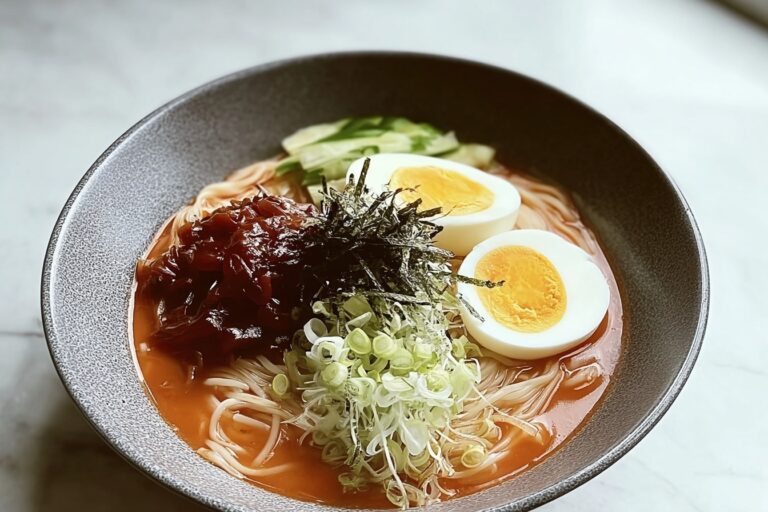
Korean Naengmyeon
🍜 Refreshing Korean cold buckwheat noodles in tangy, chilled broth with crisp cucumber and pear – low-calorie, hydrating summer dish bursting with savory-sweet balance!
🥶 Quick noodle boil and easy assembly for chewy texture and customizable garnishes, perfect chilled treat to beat the heat without heaviness.
- Total Time: 4 hours 25 minutes
- Yield: 2 servings
Ingredients
– 10 ounces (280 grams) buckwheat noodles
– 2 packets liquid or powdered concentrated broth from the naengmyeon noodle package
– 2 packets mustard oil from the package
– 1/2 English cucumber, sliced into thin strips
– 1 Korean pear or 2 Bosc pears
– 1/2 teaspoon kosher salt for pickling
– 1/2 teaspoon sugar for pickling
– 1 tablespoon white or apple cider vinegar for pickling
– 1 teaspoon sugar for sugar water
– 1 hard-boiled egg, halved
– 2 tablespoons toasted sesame seed powder
– 4 cups water for broth, or 2 cups water + 2.5 cups ice cubes
– 1 cup water for sugar water
– Ice cubes for chilling and rinsing
Instructions
1-First Step: Make the chilled broth Start by mixing the 2 packets of concentrated broth with 4 cups of water in a bowl or shallow container. Stir well until the broth packets fully dissolve. If you want a slushy texture, freeze the mixture for 4 to 5 hours. You can also use 2 cups of water and 2.5 cups of ice cubes, then chill the broth in the fridge for 1 to 2 hours. Either way, the goal is a very cold broth that tastes clean and bright. If you are wondering how to make a faster version of korean cold noodles, this packet method is the easiest path. It gives you the classic taste of Korean Naengmyeon without needing to simmer stock for hours.
2-Second Step: Quick-pickle the cucumber Slice 1/2 English cucumber into thin strips. Place it in a bowl with 1/2 teaspoon kosher salt, 1/2 teaspoon sugar, and 1 tablespoon white or apple cider vinegar. Toss well and let it sit while you finish the rest of the recipe. The salt pulls out moisture, the sugar softens the sharp edges, and the vinegar brings the bright tang that works so well in mul naengmyeon. After a few minutes, gently squeeze out the cucumber brine. Do not skip this step, because that liquid adds extra flavor to the broth later.
3-Third Step: Make the pear sugar water In a small bowl, mix 1 cup water with 1 teaspoon sugar until the sugar dissolves. Peel the pear, then slice half of it into thin strips. Place those pear strips into the sugar water so they do not turn brown. This keeps them crisp and pretty for the final bowl. Grate the other half of the pear and squeeze the pulp to get about 1/2 cup pear juice. This juice is one of the secrets to a really good authentic mul naengmyeon, because it adds natural sweetness and depth to the broth.
4-Fourth Step: Season the broth and chill again Add the squeezed cucumber brine and 1/2 cup pear juice to the chilled broth. Stir and taste. If needed, let it rest in the refrigerator or freezer until serving time. The broth should taste savory, a little sweet, and nicely tangy. That mix of flavors is what makes korean naengmyeon recipe so refreshing and addictive.
5-Fifth Step: Cook the noodles Bring a large pot of water to a boil. Add the buckwheat noodles and cook for 3 to 5 minutes, or until they are cooked but still chewy. Watch them closely, because overcooked noodles lose the bouncy texture that makes naengmyeon special. Drain the noodles right away and rinse them under cold running water until they are no longer slippery. Then soak them in a bowl of ice water for a moment, drain again, and shake off the extra water. This rinse removes starch and helps the noodles stay cool and springy.
6-Sixth Step: Assemble the bowls Divide the noodles into 2 serving bowls. Pour the chilled broth over the top. The broth should be cold enough to look slightly icy, especially if you made the slushy version. Add the pickled cucumbers, pear strips, 1 packet mustard oil per bowl, toasted sesame seed powder, and 1/2 hard-boiled egg on top of each serving. Serve right away so the noodles stay firm and the broth stays cold. This is the best moment to enjoy cold noodles in chilled broth, since the contrast of textures and temperatures is what makes the dish shine.
7-Seventh Step: Adjust to taste If you want more heat, stir in a little extra mustard oil. If you want more tang, add a small splash of vinegar. If the broth tastes too strong, add a spoonful of cold water or a few ice cubes. The finished bowl should taste balanced, refreshing, and just a little sharp.
Last Step:
Please leave a rating and comment letting us know how you liked this recipe! This helps our business to thrive and continue providing free, high-quality recipes for you.Notes
🍜 Do not overcook the noodles to maintain their chewy, springy texture.
🍐 Incorporate pear juice and cucumber brine into the broth for enhanced tangy flavor.
❄️ Chill the broth thoroughly, ideally to slushy consistency, for the most refreshing experience.
- Prep Time: 20 minutes
- Chill: 4-5 hours
- Cook Time: 5 minutes
- Category: Main Course
- Method: Boil
- Cuisine: Korean
- Diet: Vegetarian
Nutrition
- Serving Size: 1 bowl
- Calories: 380 kcal
- Sugar: 10 g
- Sodium: 800 mg
- Fat: 8 g
- Saturated Fat: 2 g
- Unsaturated Fat: 6 g
- Trans Fat: 0 g
- Carbohydrates: 70 g
- Fiber: 5 g
- Protein: 12 g
- Cholesterol: 100 mg