
Why You’ll Love This Panang Curry
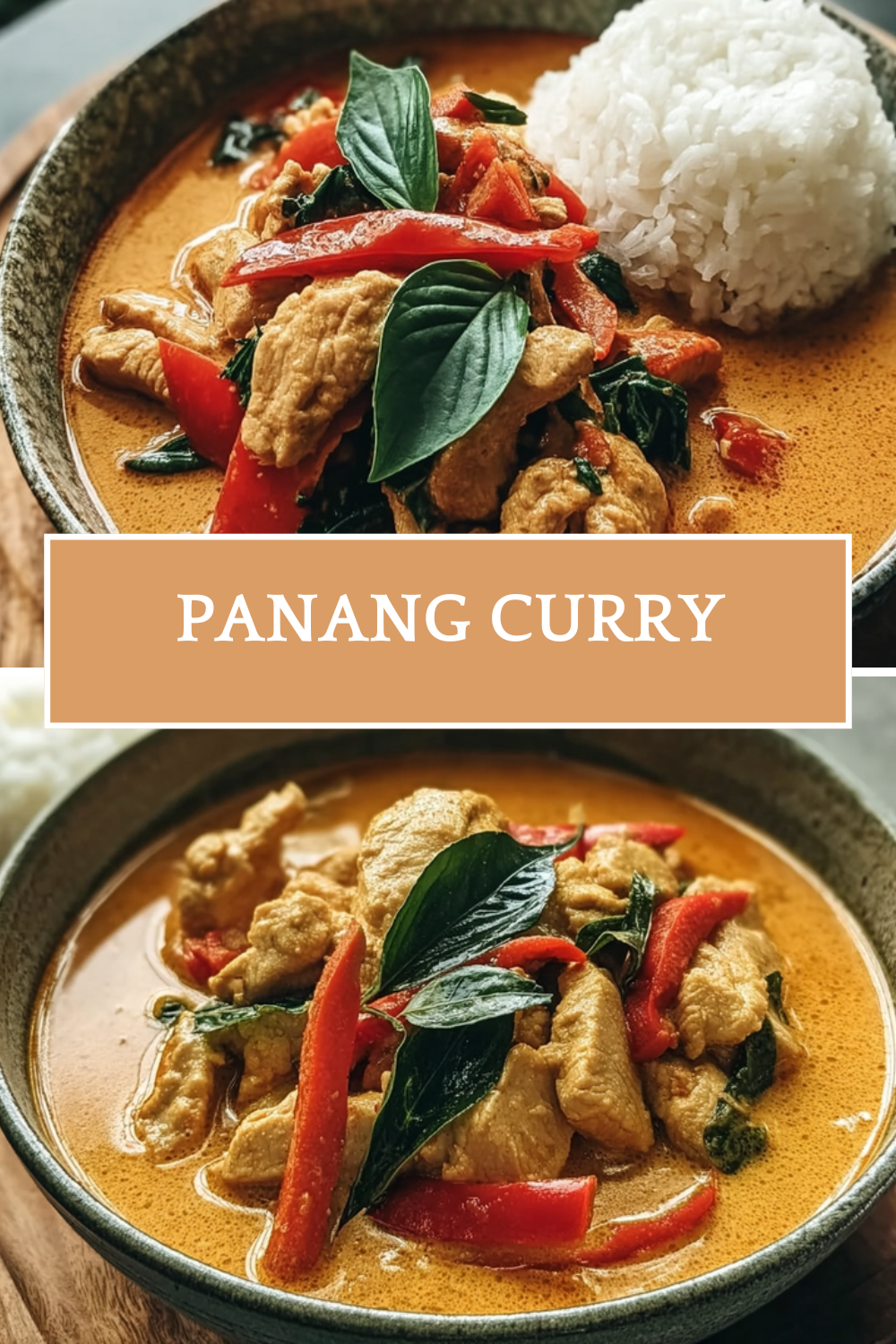
This panang curry recipe brings authentic Thai panang curry right to your kitchen. Home cooks appreciate its straightforward approach. Busy parents find it quick for weeknight dinners. Food enthusiasts savor the layers of flavor.
- Ease of preparation: Whip up this easy panang curry recipe in under 30 minutes with basic pantry staples and store-bought panang curry paste. No need for complex techniques or hours of simmering. Slice the meat, stir-fry the paste, and let coconut milk work its magic. Perfect for students or working professionals racing against the clock.
- Health benefits: Packed with coconut milk’s healthy fats, lean proteins from chicken, and anti-inflammatory spices like galangal and lemongrass. Each serving offers balanced nutrition around 400-500 calories. Diet-conscious individuals enjoy the nutrient boost without heavy carbs. Travelers missing Thai street food get a wholesome fix at home.
- Versatility: Adapt this chicken panang curry for vegan, gluten-free, or low-calorie needs. Swap proteins, tweak veggies, or lighten the sauce. Party hosts serve it family-style; seniors appreciate milder spice options. Newlyweds experiment with beef or pork versions.
- Distinctive flavor: Creamy panang curry sauce clings to every bite, nutty from peanuts, sweet-savory with kaffir lime and basil. Milder than red curry, it delivers traditional panang curry taste. Baking enthusiasts pair it with rice; food lovers detect subtle heat building gently.
This homemade panang curry captures the essence of Bangkok markets in one pot.
Its thick texture sets it apart from soupy curries. Families gather around its aroma. Satisfy cravings for panang curry with coconut milk anytime.
Jump to:
- Why You’ll Love This Panang Curry
- Essential Ingredients for Panang Curry
- How to Prepare the Perfect Panang Curry: Step-by-Step Guide
- Dietary Substitutions to Customize Your Panang Curry
- Protein and Main Component Alternatives
- Vegetable, Sauce, and Seasoning Modifications
- Mastering Panang Curry: Advanced Tips and Variations
- How to Store Panang Curry: Best Practices
- FAQs: Frequently Asked Questions About Panang Curry
- What is Panang curry?
- What’s the difference between Panang curry and red curry?
- What are the main ingredients in Panang curry?
- How do you make Panang curry at home?
- Is Panang curry spicy?
- Panang Curry
- Ingredients
- Instructions
- Last Step:
- Notes
- Nutrition
- Did you make this recipe?
Essential Ingredients for Panang Curry
Gather these panang curry ingredients for four servings of authentic Thai panang curry recipe. Each plays a key role in building flavor.
Main Ingredients:
- 2 tablespoons coconut oil – Provides a neutral base to fry the paste without burning.
- 2-3 tablespoons Panang curry paste – Core flavor from dried red chilies, galangal, lemongrass, kaffir lime zest, shrimp paste, and peanuts.
- 1/2 cup coconut cream – Thickens the sauce and releases aromatic oils when simmered.
- 1 pound chicken breast or thigh, thinly sliced – Tender protein that absorbs the rich sauce; beef or pork works too.
- 1.5 cups full-fat coconut milk – Creates creamy panang curry sauce; use 2 cans total if desired for extra volume.
- 2 tablespoons fish sauce – Adds salty umami depth.
- 1 tablespoon palm sugar or brown sugar – Balances with subtle sweetness.
- 4-5 kaffir lime leaves, shredded – Infuses citrusy aroma.
- Handful of fresh Thai basil leaves – Fresh herbal finish.
- Sliced red chilies – Garnish for color and optional heat.
Special Dietary Options:
- Vegan: Replace chicken with tofu or mushrooms; swap fish sauce for soy sauce or tamari.
- Gluten-free: Confirm curry paste and fish sauce are gluten-free; most brands like Mae Ploy are naturally so.
- Low-calorie: Use light coconut milk, reduce oil to 1 tbsp, and opt for shrimp or extra veggies instead of fatty meats.
How to Prepare the Perfect Panang Curry: Step-by-Step Guide
Follow this detailed guide for foolproof results. Total time: 30 minutes. Serves 4. Pair with jasmine rice.
First Step: Mise en Place (Prep Time: 10 minutes)
Slice 1 pound chicken thinly against the grain for quick cooking. Shred 4-5 kaffir lime leaves finely. Measure out 2-3 tablespoons panang curry paste, 1/2 cup coconut cream, 1.5 cups coconut milk, 2 tablespoons fish sauce, and 1 tablespoon palm sugar. Have Thai basil and chilies ready for garnish. This setup keeps your workflow smooth and prevents overcooking.
Why it matters: Thin slices ensure even cooking in the thick sauce. Pro tip: Freeze meat briefly for easier slicing. For thai panang curry authenticity, use fresh lime leaves if available; dried work in a pinch.
Second Step: Fry the Paste (Cook Time: 2-3 minutes, Medium Heat) Heat 2 tablespoons coconut oil in a wok or large skillet over medium heat. Add the panang curry paste. Stir-fry constantly for 2 minutes until fragrant and oils separate. The color deepens to a rich red; aroma fills the kitchen with lemongrass and spice.
This blooms the flavors, making your homemade panang curry taste restaurant-quality. Avoid high heat to prevent bitterness. If paste sticks, add a splash of coconut cream early.
Third Step: Add Coconut Cream and Simmer (Cook Time: 5 minutes)
Pour in 1/2 cup coconut cream. Simmer gently for 5 minutes, stirring occasionally. The mixture thickens into a glossy paste. This step reduces liquid for the signature clingy texture of panang curry.
Watch for oil rising to the surface; that’s the sign it’s ready. Taste here: adjust paste if you want more heat for an easy panang curry recipe.
Fourth Step: Cook the Protein (Cook Time: 5 minutes)
Add sliced chicken. Stir to coat evenly. Cook 3-5 minutes until browned and no longer pink outside. Proteins release juices, blending with the paste. Beef needs slightly longer; pork tenderloin shines here too.
For busy parents, this one-pan method minimizes cleanup. Stir frequently for even heat distribution.
Fifth Step: Build the Sauce (Cook Time: 10-15 minutes, Medium-Low Heat)
Pour in 1.5 cups coconut milk. Add fish sauce and palm sugar. Stir well. Simmer uncovered until sauce thickens to coat a spoon, about 10-15 minutes. Add shredded kaffir lime leaves in the last 5 minutes for maximum aroma.
Reduce heat if bubbling too vigorously. Sauce should be thick, not soupy. This creates the nutty, creamy panang curry with coconut milk profile.
Final Step: Finish and Serve (2 minutes)
Turn off heat. Stir in Thai basil leaves. Taste and adjust: more sugar for sweetness, fish sauce for salt, or chilies for heat. Garnish with sliced red chilies and extra lime leaves. Serve hot over jasmine rice.
Rest 2 minutes for flavors to meld. Total calories per serving: ~450. Leftovers taste even better next day.
Common pitfalls: Use full-fat coconut products for creaminess; low-fat versions separate. Medium heat prevents splitting. This panang curry recipe impresses guests effortlessly.

Dietary Substitutions to Customize Your Panang Curry
Protein and Main Component Alternatives
Swap chicken for dietary needs or variety. Tofu suits vegans, firm and absorbent. Shrimp cooks in 2 minutes for seafood lovers. Beef brisket adds richness; pork tenderloin stays tender.
| Original | Substitute | Why It Works |
|---|---|---|
| Chicken (1 lb) | Tofu (14 oz, cubed) | Plant-based protein, mild flavor absorbs sauce. |
| Chicken | Shrimp (1 lb, peeled) | Quick-cook, adds briny depth. |
| Chicken | Beef slices | Heartier texture for traditionalists. |
Vegetable, Sauce, and Seasoning Modifications
Add bell peppers or green beans for bulk. Skip for classic meat focus. Use tamari instead of fish sauce for gluten-free. Reduce sugar for low-carb; add zucchini for volume.
Season with extra lime juice for tang. Seasonal tweaks: eggplant in summer. These keep your traditional panang curry flexible.
Mastering Panang Curry: Advanced Tips and Variations
Take your dish further with these insights.
Pro cooking techniques: Toast paste longer for deeper color. Use a wok for better heat control. Simmer low to avoid curdling coconut milk.
Flavor variations: Add peanut butter (2 tbsp) for extra nuttiness. Spice with bird’s eye chilies. Try beef for richer taste.
Presentation tips: Plate in shallow bowls with rice. Top with crushed peanuts and basil. Drizzle coconut cream swirl.
Make-ahead options: Prep paste day before. Cook fully and refrigerate up to 3 days. Balance the heat with a sweet side like our coconut chocolate chip cookies.
Experiment confidently. These elevate your thai panang curry game.
How to Store Panang Curry: Best Practices
- Refrigeration: Cool completely, store in airtight container up to 4 days. Flavors intensify.
- Freezing: Portion into freezer bags, flatten for space. Freeze up to 3 months. Thaw overnight in fridge.
- Reheating: Stovetop on low with splash of coconut milk. Microwave in covered dish, stir midway. Avoid boiling to keep creamy.
- Meal prep considerations: Cook double batch Sundays. Label with dates. For batch cooking, under-season initially; adjust when reheating. Check Thai panang curry nutrition for tracking.
Safe storage maintains quality. Pair leftovers with banana bread for breakfast twist.
FAQs: Frequently Asked Questions About Panang Curry
What is Panang curry?
Panang curry is a rich, creamy Thai curry known for its thick texture and nutty flavor from ground peanuts or peanut butter added to the paste. Originating from central Thailand with influences from Malaysian Penang, it features a milder spice level than green or red curries, balanced by kaffir lime leaves, galangal, lemongrass, and coconut milk. The sauce clings to meats like chicken, beef, or pork, making it less soupy. It’s often garnished with shredded lime leaves and red chilies. In Thai cuisine, Panang stands out for its sweet-savory profile, with subtle heat from dried chilies in the paste. Serve it with jasmine rice to soak up the sauce. A single serving provides about 400-500 calories, rich in healthy fats from coconut. (92 words)
What’s the difference between Panang curry and red curry?
Panang curry differs from red curry in texture, flavor, and ingredients. Panang is thicker and drier, thanks to reduced coconut milk and added peanuts, creating a paste-like consistency that coats proteins well. Red curry is soupier with more broth, relying on fresh red chilies for sharper heat. Panang tastes milder and nuttier, with roasted peanuts or peanut butter, while red curry is bolder and spicier from garlic, shallots, and coriander. Both use coconut milk, but Panang skips extra veggies, focusing on meat. For home cooking, use Panang paste for quick stir-fries; red paste suits brothy dishes. This makes Panang ideal for those wanting less liquid and more sauce adhesion. (112 words)
What are the main ingredients in Panang curry?
Key ingredients for authentic Panang curry include Panang curry paste (dried red chilies, galangal, lemongrass, kaffir lime zest, shrimp paste, peanuts), full-fat coconut milk, palm sugar or brown sugar for sweetness, fish sauce for saltiness, and thinly sliced meat like beef or chicken. Add fresh Thai basil, shredded kaffir lime leaves, and sliced red chilies for garnish. For 4 servings: 2 tbsp paste, 2 cans coconut milk, 1 lb meat, 2 tbsp fish sauce, 1 tbsp sugar. Simmer paste in coconut cream first to release oils, then add meat and thin with remaining milk. Avoid watery coconut milk for best thickness. This combo yields a balanced, aromatic dish ready in 20-30 minutes. (118 words)
How do you make Panang curry at home?
To make Panang curry: Heat 2 tbsp coconut oil in a wok over medium heat. Fry 2-3 tbsp Panang paste for 2 minutes until fragrant. Add 1/2 cup coconut cream, simmer 5 minutes. Stir in 1 lb sliced chicken or beef, cook until browned. Pour in 1.5 cups coconut milk, 2 tbsp fish sauce, 1 tbsp palm sugar; simmer 10-15 minutes until thickened. Finish with 4-5 shredded kaffir lime leaves and Thai basil. Taste and adjust seasoning. Serve with steamed jasmine rice. Tips: Use quality store-bought paste like Mae Ploy for authenticity; homemade paste elevates flavor but takes 30 minutes. Total time: 30 minutes. Freezes well for 3 months. Serves 4 generously. (124 words)
Is Panang curry spicy?
Panang curry is mildly spicy compared to other Thai curries, ranking lower on the heat scale due to fewer fresh chilies in the paste. Heat comes from dried red chilies, but coconut milk and peanuts mellow it, often rating 3-5/10 on spice levels. Customize by adding fresh bird’s eye chilies or reducing paste. For kids or mild palates, dilute with extra coconut milk or skip chilies entirely. A study by Thai food researchers notes Panang averages 10,000-20,000 Scoville units, milder than red curry’s 30,000+. Always taste as you cook—start with half the paste. Pair with cooling cucumber slices or yogurt rice to balance. This versatility makes it family-friendly while retaining bold flavors. (108 words)
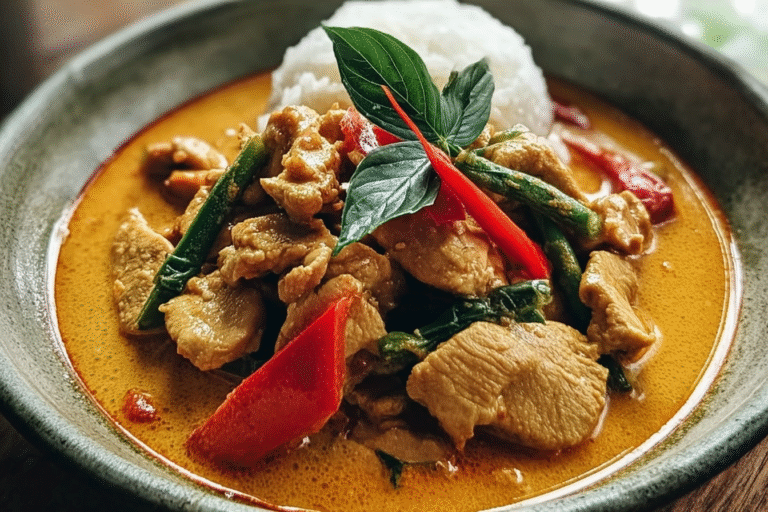
Panang Curry
🍛 Experience the rich, aromatic flavors of Thailand with this authentic Panang curry that brings restaurant-quality taste to your home kitchen
🌶️ A perfectly balanced dish combining creamy coconut milk with bold spices and fresh herbs for an unforgettable dining experience
- Total Time: 35 minutes
- Yield: 4 servings 1x
Ingredients
2 tablespoons coconut oil for providing a neutral base
2–3 tablespoons Panang curry paste for core flavor
1/2 cup coconut cream for thickening the sauce
1 pound chicken breast or thigh, thinly sliced for tender protein
1.5 cups full-fat coconut milk for creating creamy sauce
2 tablespoons fish sauce for adding salty umami depth
1 tablespoon palm sugar or brown sugar for balancing with sweetness
4–5 kaffir lime leaves, shredded for infusing citrusy aroma
Handful of fresh Thai basil leaves for fresh herbal finish
Sliced red chilies for garnish
Instructions
1-First Step: Mise en Place (Prep Time: 10 minutes) Slice 1 pound chicken thinly against the grain for quick cooking. Shred 4-5 kaffir lime leaves finely. Measure out 2-3 tablespoons panang curry paste, 1/2 cup coconut cream, 1.5 cups coconut milk, 2 tablespoons fish sauce, and 1 tablespoon palm sugar. Have Thai basil and chilies ready for garnish. This setup keeps your workflow smooth and prevents overcooking.
2-Second Step: Fry the Paste (Cook Time: 2-3 minutes, Medium Heat) Heat 2 tablespoons coconut oil in a wok or large skillet over medium heat. Add the panang curry paste. Stir-fry constantly for 2 minutes until fragrant and oils separate. The color deepens to a rich red; aroma fills the kitchen with lemongrass and spice.
3-Third Step: Add Coconut Cream and Simmer (Cook Time: 5 minutes) Pour in 1/2 cup coconut cream. Simmer gently for 5 minutes, stirring occasionally. The mixture thickens into a glossy paste. This step reduces liquid for the signature clingy texture of panang curry.
4-Fourth Step: Cook the Protein (Cook Time: 5 minutes) Add sliced chicken. Stir to coat evenly. Cook 3-5 minutes until browned and no longer pink outside. Proteins release juices, blending with the paste. Beef needs slightly longer; pork tenderloin shines here too.
5-Fifth Step: Build the Sauce (Cook Time: 10-15 minutes, Medium-Low Heat) Pour in 1.5 cups coconut milk. Add fish sauce and palm sugar. Stir well. Simmer uncovered until sauce thickens to coat a spoon, about 10-15 minutes. Add shredded kaffir lime leaves in the last 5 minutes for maximum aroma.
6-Final Step: Finish and Serve (2 minutes) Turn off heat. Stir in Thai basil leaves. Taste and adjust: more sugar for sweetness, fish sauce for salt, or chilies for heat. Garnish with sliced red chilies and extra lime leaves. Serve hot over jasmine rice.
Last Step:
Please leave a rating and comment letting us know how you liked this recipe! This helps our business to thrive and continue providing free, high-quality recipes for you.Notes
🔥 For spicier curry, add more Panang paste or include the seeds from Thai chilies
🌿 Fresh kaffir lime leaves are essential – if unavailable, use lime zest as a substitute
🥥 Letting the curry rest for a few minutes before serving allows the flavors to deepen and meld together
- Prep Time: 15 minutes
- Cook Time: 20 minutes
- Category: Main Course
- Method: Stir-fried
- Cuisine: Thai
- Diet: Gluten-Free
Nutrition
- Serving Size: 1 cup curry with rice
- Calories: 420
- Sugar: 8g
- Sodium: 890mg
- Fat: 28g
- Saturated Fat: 22g
- Unsaturated Fat: 4g
- Trans Fat: 0g
- Carbohydrates: 18g
- Fiber: 3g
- Protein: 32g
- Cholesterol: 85mg