
Why You’ll Love This Panini Bread
This panini bread recipe offers a simple way to bake fresh, homemade rolls that are both soft on the inside and crusty on the outside, making them ideal for delicious sandwiches. You’ll appreciate how straightforward the process is, especially if you’re new to baking, as it requires just a few basic ingredients and steps. Whether you’re preparing a quick meal for your family or experimenting with new flavors, this bread adds a touch of Italian inspiration to your kitchen.
The ease of preparation makes it perfect for busy days, as the dough comes together quickly with minimal effort and allows time for other tasks. It brings health benefits too, with wholesome ingredients that provide fiber and essential nutrients to support everyday wellness. Plus, its versatility lets you adapt it for various dietary needs, making it a must-try for home cooks and baking enthusiasts alike.
- Ease of preparation: This panini bread recipe is simple and quick, perfect for busy days when you want a delicious meal without the hassle. The dough comes together easily, requiring minimal hands-on time.
- Health benefits: Rich in wholesome ingredients, this panini bread provides nutritional advantages, including fiber and essential nutrients, supporting overall wellness and balanced eating.
- Versatility: Adaptable to various dietary needs, this recipe can be modified for vegan, gluten-free, or low-calorie lifestyles, making it an inclusive choice for all.
- Distinctive flavor: The unique blend of ingredients creates a flavorful, crispy crust and soft interior that make the panini bread stand out in taste and texture.
This bread pairs wonderfully with your favorite fillings, turning it into a versatile base for meals that everyone can enjoy. For instance, if you’re hosting a gathering, try pairing it with our refreshing mojito recipe for a fun twist on Italian-inspired eats with a drink sidekick.
Jump to:
- Why You’ll Love This Panini Bread
- Essential Ingredients for Panini Bread
- Main Ingredients
- How to Prepare the Perfect Panini Bread: Step-by-Step Guide
- Getting Started
- Mixing and Rising the Dough
- Shaping and Baking
- Dietary Substitutions to Customize Your Panini Bread
- Mastering Panini Bread: Advanced Tips and Variations
- How to Store Panini Bread: Best Practices
- FAQs: Frequently Asked Questions About Panini Bread
- What type of flour is best for making panini bread at home?
- How should I store homemade panini bread to keep it fresh longer?
- Can I substitute instant yeast for active dry yeast when baking panini bread?
- What are some traditional Italian panini sandwich fillings?
- How can I speed up the dough rising process when making panini bread?
- Panini Bread
- Ingredients
- Instructions
- Last Step:
- Notes
- Nutrition
- Did you make this recipe?
Essential Ingredients for Panini Bread
Creating the perfect panini bread starts with gathering the right ingredients, which come together to form a soft and crusty loaf that’s easy to customize. This recipe focuses on basic, everyday items that you likely have in your kitchen, ensuring you can whip up a batch without a trip to the store. We’llBreak down the key components and how they contribute to the final product, drawing from a straightforward method for homemade rolls.
Main Ingredients
Here is a comprehensive list of all the ingredients needed for this panini bread recipe. Every item is extracted from the provided details to ensure accuracy, with precise measurements listed clearly for easy follow-through.
- 1 ¾ cup (420 ml) lukewarm water, plus more if needed
- 2 teaspoons active dry yeast or instant yeast
- ½ teaspoon sugar
- 4 cups (500 grams) unbleached all-purpose flour, plus more for dusting
- 1 ½ teaspoons fine salt
- 1 tablespoon (15 ml) olive oil
These ingredients work together to create a dough that’s easy to handle and rises beautifully. For special dietary options, you can make adjustments like using gluten-free flour or swapping honey in other recipes, but this list sticks to the essentials as specified.
| Ingredient | Quantity | Purpose |
|---|---|---|
| Lukewarm water | 1 ¾ cup (420 ml), plus more if needed | Activates yeast and hydrates the dough |
| Active dry yeast or instant yeast | 2 teaspoons | Leavens the bread for a light texture |
| Sugar | ½ teaspoon | Feeds the yeast for better rising |
| Unbleached all-purpose flour | 4 cups (500 grams), plus more for dusting | Provides structure and chewiness |
| Fine salt | 1 ½ teaspoons | Enhances flavor and controls fermentation |
| Olive oil | 1 tablespoon (15 ml) | Adds moisture and enriches the flavor |
How to Prepare the Perfect Panini Bread: Step-by-Step Guide
Follow this easy, step-by-step guide to make your own panini bread at home, resulting in soft and crusty rolls that are great for sandwiches. The process is designed for beginners, with each step building on the last to ensure success. You’ll need about 1 hour in total, including prep and baking time, making it a practical choice for any day of the week.
Getting Started
Begin by preparing your ingredients and equipment. Measure out the lukewarm water, yeast, sugar, flour, salt, and olive oil to keep things organized from the start.
Mixing and Rising the Dough
In a bowl, mix the lukewarm water, yeast, and sugar, then let it rest for about 5 minutes until foamy. If using instant yeast, add it directly to the flour instead. In a large bowl, combine the flour and salt, then add the yeast mixture and olive oil, mixing until fully incorporated. If the dough is too dry, add extra water gradually as needed.
Preheat the oven to 250°F (120°C) and then turn it off to create a warm environment. Cover the bowl with a damp towel or cling film, place it in the warm oven, and let the dough rise for 30-40 minutes.
Shaping and Baking
Remove the dough from the oven, preheat the oven to 440°F (220°C), and line a baking sheet with parchment paper. Transfer the dough to a floured surface without deflating it, dust with flour, divide into 10 pieces, gently roll each piece, and place them on the prepared baking sheet. Bake for 20-25 minutes or until the bread is golden and crusty.
For more tips on yeast dough, check out this helpful resource from expert baking advice. Once baked, let the bread cool completely on a wire rack before slicing to maintain its texture.

Dietary Substitutions to Customize Your Panini Bread
Making panini bread adaptable means you can tweak it for different preferences or restrictions without losing its charm. These swaps keep the recipe flexible while preserving the soft and crusty result. Whether you’re vegan or gluten-free, small changes can make a big difference in fitting your needs.
- Replace traditional yeast with sourdough starter for a tangy flavor and natural fermentation.
- Use plant-based milk or water alternatives to accommodate lactose intolerance or vegan preferences.
- Gluten-free flour blends can be swapped to cater to gluten sensitivities without compromising texture.
- Substitute traditional garlic and herbs with fresh or dried alternatives based on seasonality and preference.
- Use dairy-free cheese or skip cheese altogether to fit vegan or dairy-free diets.
- Adjust salt and spice levels to accommodate sodium restrictions or taste profiles, enhancing the bread with various seasoning blends.
Mastering Panini Bread: Advanced Tips and Variations
Taking your panini bread to the next level involves trying out pro techniques and fun variations that add excitement to your baking. For instance, using steam in the oven can give you a crispier crust and a moist interior, while experimenting with herbs brings in new flavors. These ideas build on the basic recipe to help you impress friends and family.
This simple recipe can turn into something special with a few tweaks, like adding rosemary for a fresh twist just remember to use a digital scale for accurate flour measurement to avoid any mishaps.
- Utilize steam in the oven during baking to achieve a crispier crust and a moist interior.
- Experiment with longer fermentation times for improved flavor complexity.
- Incorporate herbs like rosemary or thyme directly into the dough or add roasted garlic for a savory twist.
- Sweet versions can include cinnamon and raisins for a different take.
- Slice the bread evenly for uniform paninis and garnish with fresh herbs.
- Prepare the dough in advance and refrigerate overnight for convenience.
How to Store Panini Bread: Best Practices
Proper storage keeps your panini bread fresh and tasty, so you can enjoy it longer without waste. Follow these simple methods to maintain that perfect crust and soft interior. Whether you’re meal prepping or saving leftovers, these tips make it easy.
- Store panini bread in an airtight container or bread box for up to 3 days to maintain freshness.
- Wrap the bread tightly in plastic wrap and place it in a freezer bag for long-term storage, lasting up to 3 months.
- Reheat in a preheated oven at 180°C (350°F) for 10-15 minutes to restore crispness.
- Slice and store bread portions separately for quick grab-and-go meals.
As a busy parent, you’ll find freezing the bread helpful for quick meals, and you can pair it with our refreshing iced tea recipe for a complete snack.
FAQs: Frequently Asked Questions About Panini Bread
What type of flour is best for making panini bread at home?
Bread flour is often preferred for panini bread because its higher protein content creates a chewier texture and crisp crust, which is ideal for grilling. However, all-purpose flour can also be used for a softer crumb. Some bakers mix bread flour with whole-wheat flour to add flavor and density, but this results in a slightly heavier bread. Choosing the right flour depends on your texture preference and the kind of panini you plan to make.
How should I store homemade panini bread to keep it fresh longer?
To keep homemade panini bread fresh for 1 to 2 days, store it in a closed paper bag at room temperature, which prevents excess moisture buildup and preserves the crust. For longer storage, freeze the bread in a sealed plastic bag. When ready to use, thaw it at room temperature and reheat briefly in the oven or toaster to restore crispness.
Can I substitute instant yeast for active dry yeast when baking panini bread?
Yes, instant yeast can replace active dry yeast in panini bread recipes. Unlike active dry yeast, which must be dissolved in warm water to activate, instant yeast can be mixed directly with the dry ingredients. This can shorten the preparation time since you skip the proofing step, but you should monitor dough rise times, as they may vary slightly.
What are some traditional Italian panini sandwich fillings?
Traditional panini fillings often include cured meats like salami or prosciutto, cheeses such as mozzarella and brie, and fresh or grilled vegetables like tomatoes, zucchini, or roasted peppers. Common condiments are extra virgin olive oil, basil pesto, mustard, or mayonnaise. Hard-boiled eggs and fresh herbs are also popular additions, creating a balance of savory flavors.
How can I speed up the dough rising process when making panini bread?
To help panini dough rise faster, place the bowl with the dough in a slightly warm environment, such as an oven preheated to low heat (around 80°F or 27°C) and then turned off. Cover the dough with a damp cloth and leave it inside for 35 to 40 minutes. This controlled warmth encourages yeast activity without overheating, shortening the rising time while developing good texture.
Panini Bread
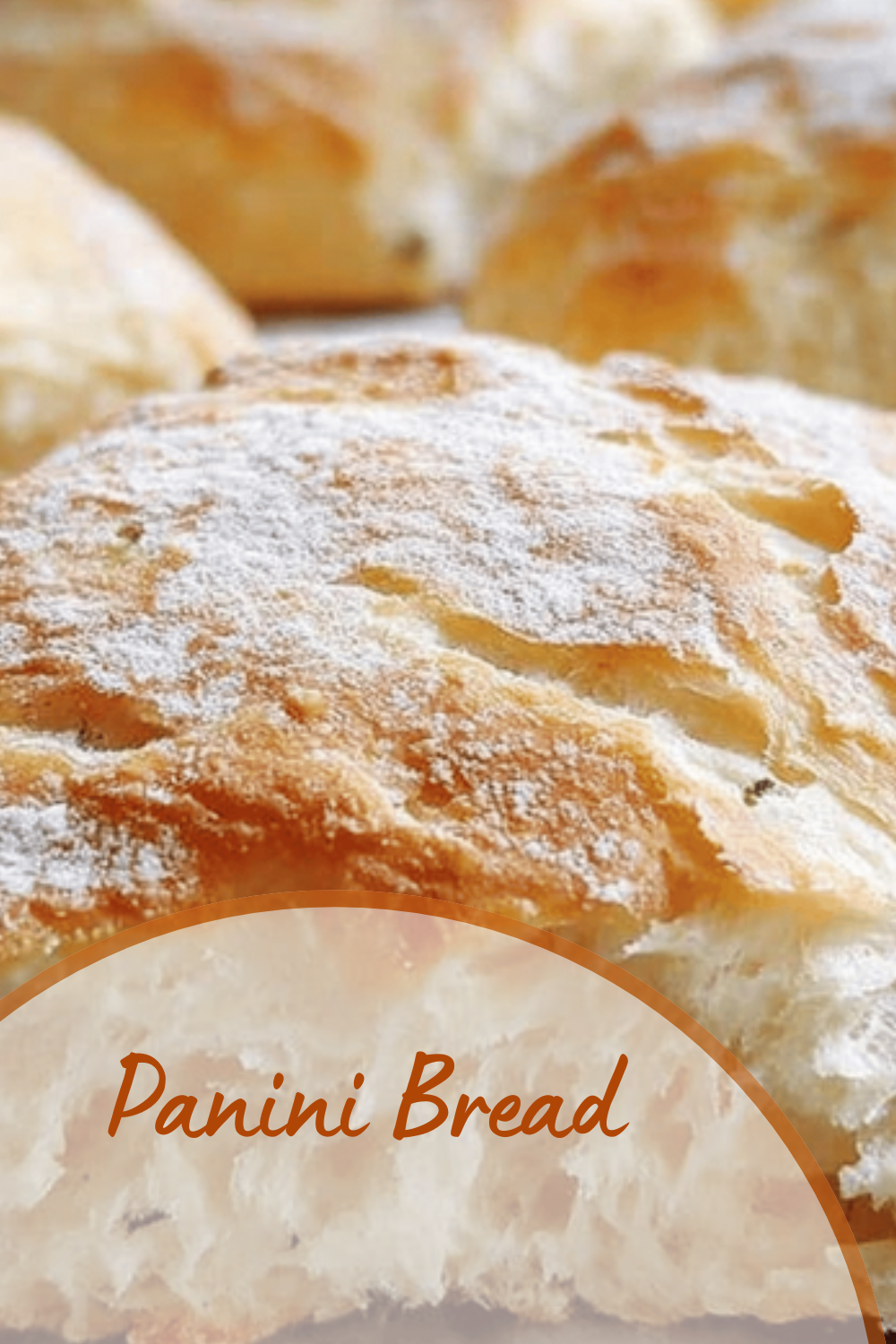
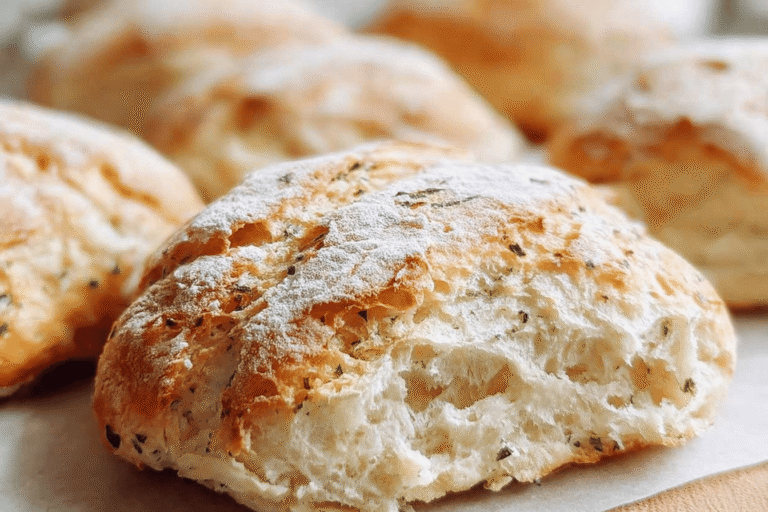
🥖 Enjoy homemade panini bread with a perfect balance of a soft inside and a crusty exterior, ideal for authentic Italian sandwiches.
🍅 This recipe brings traditional Italian flavors into your kitchen with simple ingredients and easy steps, ensuring fresh, delicious bread every time.
- Total Time: 1 hour
- Yield: 10 rolls
Ingredients
– 1 ¾ cup (420 ml), plus more if needed lukewarm water activates yeast and hydrates the dough
– 2 teaspoons active dry yeast or instant yeast leavens the bread for a light texture
– ½ teaspoon sugar feeds the yeast for better rising
– 4 cups (500 grams), plus more for dusting unbleached all-purpose flour provides structure and chewiness
– 1 ½ teaspoons fine salt enhances flavor and controls fermentation
– 1 tablespoon (15 ml) olive oil adds moisture and enriches the flavor
Instructions
1-Getting Started: Begin by preparing your ingredients and equipment. Measure out the lukewarm water, yeast, sugar, flour, salt, and olive oil to keep things organized from the start.
2-Mixing and Rising the Dough: In a bowl, mix the lukewarm water, yeast, and sugar, then let it rest for about 5 minutes until foamy. If using instant yeast, add it directly to the flour instead. In a large bowl, combine the flour and salt, then add the yeast mixture and olive oil, mixing until fully incorporated. If the dough is too dry, add extra water gradually as needed.
3-Mixing and Rising the Dough: Preheat the oven to 250°F (120°C) and then turn it off to create a warm environment. Cover the bowl with a damp towel or cling film, place it in the warm oven, and let the dough rise for 30-40 minutes.
4-Shaping and Baking: Remove the dough from the oven, preheat the oven to 440°F (220°C), and line a baking sheet with parchment paper. Transfer the dough to a floured surface without deflating it, dust with flour, divide into 10 pieces, gently roll each piece, and place them on the prepared baking sheet. Bake for 20-25 minutes or until the bread is golden and crusty.
5-Shaping and Baking: For more tips on yeast dough, check out this helpful resource from expert baking advice. Once baked, let the bread cool completely on a wire rack before slicing to maintain its texture.
Last Step:
Please leave a rating and comment letting us know how you liked this recipe! This helps our business to thrive and continue providing free, high-quality recipes for you.Notes
⚖️ Use a digital scale for accurate measuring of flour to ensure best results.
🌡️ Turning off the preheated oven creates an ideal warm spot for faster dough rising.
🍞 Store bread in a closed paper bag at room temperature; refresh crust by toasting or grilling if softened.
- Prep Time: 40 minutes
- Cook Time: 20 minutes
- Category: Bread
- Method: Baking
- Cuisine: Italian
- Diet: Vegetarian
Nutrition
- Serving Size: 1 roll
- Calories: 196
- Sugar: 1g
- Sodium: 1mg
- Fat: 2g
- Saturated Fat: 1g
- Trans Fat: 0g
- Carbohydrates: 39g
- Fiber: 1g
- Protein: 5g
- Cholesterol: 0mg