
Why You’ll Love This Red Curry Paste
This red curry paste brings a burst of bold flavors right to your kitchen, making it a go-to for anyone who enjoys easy homemade meals. It’s simple to whip up with ingredients you can find at most stores, and it takes just a short time to prepare, perfect for those busy days when you want something tasty without much effort. Plus, it’s packed with fresh herbs and spices that support your health, like turmeric and ginger, which add anti-inflammatory benefits and help with digestion.
Beyond its health perks, this paste fits all kinds of diets, from vegan to gluten-free, so it’s great for families with different needs. The mix of lemongrass, chili, and spices creates a taste that’s truly authentic and exciting, turning simple dishes into something special. Whether you’re new to cooking or a pro, this recipe will quickly become a favorite for its ease and versatility.
Health Boosts and Everyday Use
One of the best parts about this red curry paste is how it supports wellness through its natural ingredients. For example, turmeric offers antioxidants that may help reduce inflammation, while lemongrass aids in better digestion. You’ll find it easy to add to soups, stir-fries, or even marinades, making meals more nutritious and flavorful without extra work. It’s that combination of taste and health that makes this paste stand out for busy parents, students, and health-focused folks alike.
Imagine using this paste to spice up a quick dinner after a long day it’s not just food, it’s a way to bring excitement to your table. With options to tweak it for your preferences, like making it milder for kids, it’s adaptable for everyone from seniors to party hosts. Let’s dive into what makes this recipe so special for your next meal.
Jump to:
- Why You’ll Love This Red Curry Paste
- Health Boosts and Everyday Use
- Essential Ingredients for Red Curry Paste
- Special Dietary Options
- How to Prepare the Perfect Red Curry Paste: Step-by-Step Guide
- Tips for Blending and Adjusting
- Dietary Substitutions to Customize Your Red Curry Paste
- Protein and Main Component Alternatives
- Vegetable, Sauce, and Seasoning Modifications
- Mastering Red Curry Paste: Advanced Tips and Variations
- How to Store Red Curry Paste: Best Practices
- FAQs: Frequently Asked Questions About Red Curry Paste
- What ingredients are typically used to make red curry paste at home?
- How can I store homemade red curry paste to keep it fresh longer?
- Can I adjust the spice level in red curry paste for children or those sensitive to heat?
- Is homemade red curry paste thick like store-bought versions, and how does that affect recipes?
- What can I do if my red curry paste tastes too sour or lemony?
- Red Curry Paste
- Ingredients
- Instructions
- Last Step:
- Notes
- Nutrition
- Did you make this recipe?
Essential Ingredients for Red Curry Paste
Creating your own red curry paste starts with gathering the right ingredients, which blend together to make a flavorful base for many dishes. This section lists everything you need, based on a reliable recipe that focuses on fresh, plant-based items. Each one plays a key role in building that authentic taste, so let’s break it down clearly.
- 1/2 teaspoon coriander seed or ground coriander
- 1 teaspoon cumin seed or ground cumin
- 1/2 teaspoon black peppercorns or ground black pepper
- 1 medium red bell pepper, seeds removed and chopped
- 2 to 4 medium red chilies, stems removed (adjust for heat preference)
- 1 stalk lemongrass, root and tip trimmed, chopped
- 1 heaping tablespoon fresh ginger or galangal, or 1 to 2 teaspoons ground ginger
- 3 cloves garlic, skins removed
- 1 tablespoon fresh turmeric or 1 teaspoon ground turmeric
- 1/2 teaspoon sea salt, plus more to taste
- 3 tablespoons lemon juice
- 1 medium lime, zested and juiced (about 3 tablespoons or 45 ml juice)
- 6 stalks green onions, sliced, or alternatively 1/2 cup diced shallot
- 2 to 3 tablespoons avocado or grape seed oil, or water as an oil substitute
- 1 tablespoon maple syrup or coconut sugar to balance heat
These ingredients come together to form a smooth paste that’s full of depth and spice. For special diets, you can swap things like oil for water if you’re watching calories, or use alternatives for vegan options. Remember, fresh items like ginger and garlic add that real punch, so grab the best you can find.
Special Dietary Options
As mentioned in the original recipe, this paste works for various needs. For vegan versions, skip animal products and use substitutes where needed. It’s naturally gluten-free if you check your spices, and you can make it low-calorie by cutting back on oil or sugar. This flexibility makes it ideal for home cooks of all kinds, from students to working professionals looking for quick, healthy meals.
Internal link: If you’re experimenting with flavors, check out our easy lemon olive oil cake for another way to use citrus like lime in your recipes.
How to Prepare the Perfect Red Curry Paste: Step-by-Step Guide
Getting started with this red curry paste is straightforward and fun, even if you’re new to cooking. Begin by pulling together all your fresh ingredients, like chopping the red bell pepper and trimming the lemongrass, to make the process smooth. Once everything is prepped, you’ll toast and blend the spices for that rich flavor base.
- Toast whole coriander seeds, cumin seeds, and black peppercorns in a skillet over medium-low heat for 4 to 5 minutes until fragrant and slightly darkened, stirring occasionally. If you’re using ground spices, you can skip this step and go straight to mixing.
- Crush the toasted seeds using a mortar and pestle or a rolling pin inside a sandwich bag, then set them aside for the next part.
- In a food processor or blender with a narrow base, combine the crushed spices, red bell pepper, red chilies, lemongrass, ginger, garlic, turmeric, sea salt, lemon juice, lime zest and juice, green onions or shallots, oil or water, and maple syrup or sugar.
- Blend until a smooth paste forms, scraping down the sides as needed lemongrass might take extra time to break down fully for a nice texture.
- Adjust the flavor as you go, adding more lime zest or juice for acidity, salt for saltiness, chilies for heat, sweetener for balance, oil or water for texture, garlic for extra kick, ginger for freshness, or turmeric for a stronger curry note.
- Once it’s ready, store the paste in a jar in the refrigerator for up to 10 days or freeze it in ice cube trays for up to one month to keep it fresh.
This method keeps things simple and quick, fitting for busy parents or food enthusiasts. The blending step ensures everything mixes well, creating a paste that’s ready for all your favorite dishes. For more on the benefits of key ingredients like turmeric, check out this resource on turmeric benefits.
Tips for Blending and Adjusting
If your paste isn’t blending smoothly, try slicing the lemongrass thinly to avoid any tough bits. This recipe’s flexibility lets you tweak it based on what you have on hand, making it a great option for travelers or newlyweds setting up their kitchen. Remember, a little practice goes a long way in mastering flavors like this.

Dietary Substitutions to Customize Your Red Curry Paste
Making this red curry paste your own is easy with a few smart swaps, especially if you have specific dietary needs. For instance, you can switch out ingredients to fit plant-based diets or reduce sodium for health-conscious eaters. Let’s look at some options that keep the taste intact while meeting your preferences.
Protein and Main Component Alternatives
Consider substituting traditional elements with plant-based choices; for example, if you’re adapting this for other recipes, tofu or tempeh works well in place of meat. For those following pescatarian diets, fish can add that extra umami, but always choose gluten-free options if needed. This way, the paste stays versatile for everyone from baking enthusiasts to seniors watching their intake.
Vegetable, Sauce, and Seasoning Modifications
Swap veggies like red bell pepper for others you have, such as zucchini or eggplant, to change things up based on the season. Use tamari instead of soy sauce for a gluten-free twist, or go with coconut aminos if you’re aiming for less sodium. Adding fresh herbs like basil or kaffir lime can enhance the flavor, making it perfect for party hosts creating custom dishes. For more on lemongrass, see lemongrass health benefits.
Mastering Red Curry Paste: Advanced Tips and Variations
Once you’re comfortable with the basics, take your red curry paste to the next level with some pro techniques. For example, dry roasting the spices first can bring out deeper flavors, and letting the paste sit for a bit helps the tastes blend even more. It’s all about experimenting to find what works best for you.
Try adding fun twists like roasted garlic or smoked paprika to create unique versions that surprise your guests. When serving, top your dishes with fresh herbs or toasted coconut for a nice look that impresses. For busy days, make a big batch and freeze it in small portions so you can grab some whenever you need a quick meal. These tips make the paste even more useful for food enthusiasts and working professionals.
| Tip Category | Description |
|---|---|
| Flavor Boosts | Add kaffir lime zest for a citrusy kick or increase chilies for more heat. |
| Storage Hacks | Freeze in ice cube trays for easy use in future recipes. |
| Customization | Adjust sweetness with maple syrup to balance any spiciness. |
This paste is less concentrated than store-bought ones, so use a bit more to get that bold flavor you love it’s a simple way to elevate your cooking without much fuss.
How to Store Red Curry Paste: Best Practices
Keeping your red curry paste fresh is key to enjoying its flavors over time, and it’s easier than you might think. Pop it in a sealed container in the fridge for up to 2 weeks to hold onto that great taste. If you want it to last longer, freeze it in small amounts, like in ice cube trays, and it should stay good for about 3 months.
When you’re ready to use it, just warm the paste gently in your dish to keep the flavors strong don’t overheat it. For meal prep, make extra and label your containers with dates so you can rotate them easily, which is handy for students or busy parents. Following these steps ensures you always have a flavorful option on hand.
FAQs: Frequently Asked Questions About Red Curry Paste
What ingredients are typically used to make red curry paste at home?
A homemade red curry paste usually includes red chilies, red bell pepper, garlic, ginger, shallot or green onion, lemongrass, turmeric, coriander, cumin, black peppercorns, sea salt, lime juice and zest, and a mild sweetener like maple syrup or coconut sugar. Some recipes use avocado or grape seed oil to help blend the paste smoothly. This combination creates a flavorful, plant-based paste without shrimp paste, which is common in traditional versions.
How can I store homemade red curry paste to keep it fresh longer?
Store homemade red curry paste in an airtight container in the refrigerator for up to 10 days. For longer preservation, freeze it in small portions, such as in an ice cube tray, then transfer the cubes to a freezer-safe bag. Frozen paste can last for about a month or more, making it convenient to thaw and use as needed without losing flavor.
Can I adjust the spice level in red curry paste for children or those sensitive to heat?
Yes, you can reduce the heat by using fewer red chilies or adding more sweet red bell pepper to balance spiciness. For a milder paste suitable for kids or spice-sensitive individuals, start with fewer chilies or remove the seeds before blending. You can always add more heat later when cooking if desired.
Is homemade red curry paste thick like store-bought versions, and how does that affect recipes?
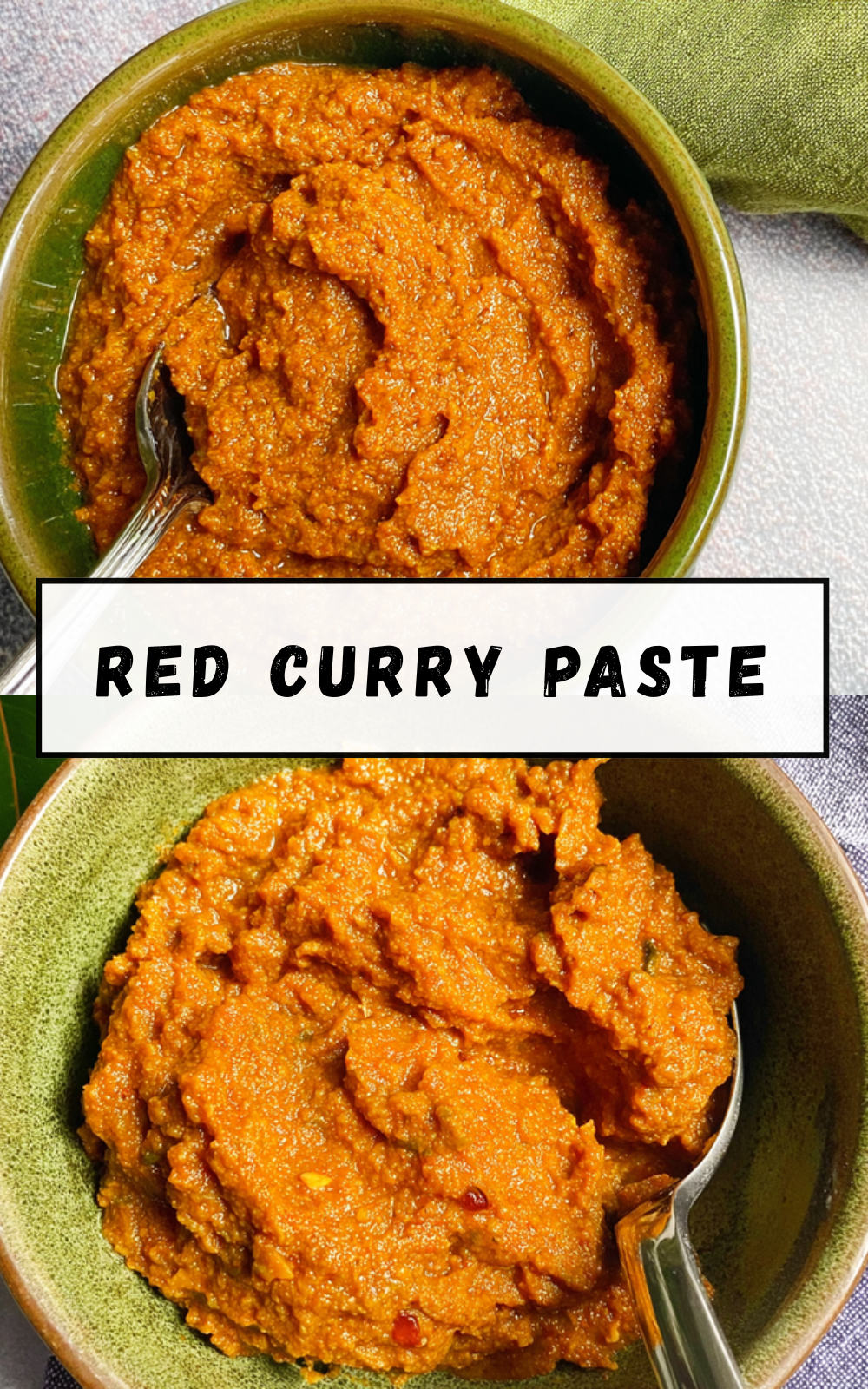
Homemade red curry paste tends to be thinner and less concentrated than store-bought pastes because it contains fresh ingredients and sometimes added liquids like lime juice or oil. When cooking, you may need to use a slightly larger amount to achieve the same intensity of flavor found in commercial pastes.
What can I do if my red curry paste tastes too sour or lemony?
If the lemon or lime flavor is too strong, add a pinch of baking soda—about 1/4 teaspoon per cup of liquid in your recipe—to neutralize excess acidity. This small adjustment can balance the flavor without impacting the overall taste of the curry paste.
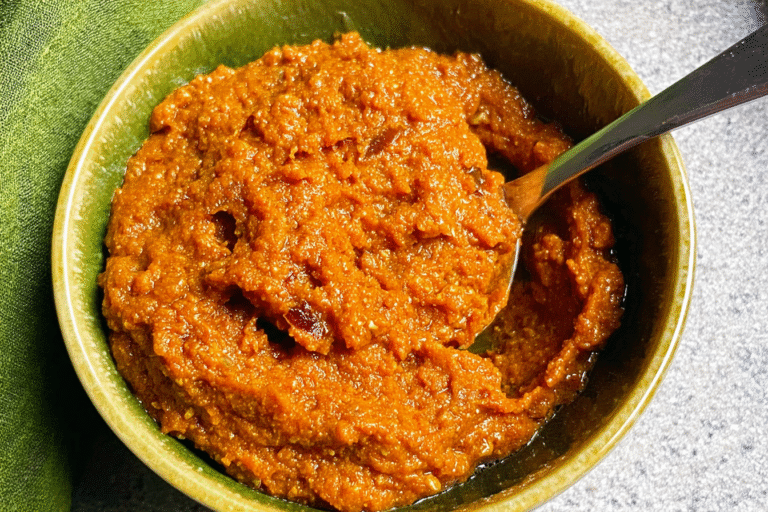
Red Curry Paste
🌶️ Create authentic Thai flavors at home with this vibrant red curry paste that delivers bold, complex taste to any dish
🥘 Transform your cooking with a versatile paste that’s perfect for curries, soups, marinades, and sauces with customizable heat levels
- Total Time: 20 minutes
- Yield: About 1 cup paste 1x
Ingredients
1/2 teaspoon coriander seed or ground coriander
1 teaspoon cumin seed or ground cumin
1/2 teaspoon black peppercorns or ground black pepper
1 medium red bell pepper, seeds removed and chopped
2 to 4 medium red chilies, stems removed (adjust for heat preference)
1 stalk lemongrass, root and tip trimmed, chopped
1 heaping tablespoon fresh ginger or galangal, or 1 to 2 teaspoons ground ginger
3 cloves garlic, skins removed
1 tablespoon fresh turmeric or 1 teaspoon ground turmeric
1/2 teaspoon sea salt, plus more to taste
3 tablespoons lemon juice
1 medium lime, zested and juiced (about 3 tablespoons or 45 ml juice)
6 stalks green onions, sliced, or alternatively 1/2 cup diced shallot
2 to 3 tablespoons avocado or grape seed oil, or water as an oil substitute
1 tablespoon maple syrup or coconut sugar to balance heat
Instructions
1- Toast whole coriander seeds, cumin seeds, and black peppercorns in a skillet over medium-low heat for 4 to 5 minutes until fragrant and slightly darkened, stirring occasionally. If you’re using ground spices, you can skip this step and go straight to mixing.
2- Crush the toasted seeds using a mortar and pestle or a rolling pin inside a sandwich bag, then set them aside for the next part.
3- In a food processor or blender with a narrow base, combine the crushed spices, red bell pepper, red chilies, lemongrass, ginger, garlic, turmeric, sea salt, lemon juice, lime zest and juice, green onions or shallots, oil or water, and maple syrup or sugar.
4- Blend until a smooth paste forms, scraping down the sides as needed lemongrass might take extra time to break down fully for a nice texture.
5- Adjust the flavor as you go, adding more lime zest or juice for acidity, salt for saltiness, chilies for heat, sweetener for balance, oil or water for texture, garlic for extra kick, ginger for freshness, or turmeric for a stronger curry note.
6- Once it’s ready, store the paste in a jar in the refrigerator for up to 10 days or freeze it in ice cube trays for up to one month to keep it fresh.
Last Step:
Please leave a rating and comment letting us know how you liked this recipe! This helps our business to thrive and continue providing free, high-quality recipes for you.Notes
🔥 Adjust the heat level by using more or fewer red chilies – start with 2 for mild heat and increase to 4 for spicier paste
🌿 Lemongrass can be fibrous; slice thinly against the grain before blending to achieve a smoother texture
🧊 This paste is less concentrated than store-bought versions, so use about 2 tablespoons per can of coconut milk when making curries
- Prep Time: 15 minutes
- Cook Time: 5 minutes
- Category: Condiment
- Method: No-Cook
- Cuisine: Thai
- Diet: Vegan
Nutrition
- Serving Size: 2 tablespoons
- Calories: 18
- Sugar: 1.1
- Sodium: 50
- Fat: 1.2
- Saturated Fat: 0.1
- Unsaturated Fat: 1
- Trans Fat: 0
- Carbohydrates: 1.9
- Fiber: 0.3
- Protein: 0.2
- Cholesterol: 0