
Why You’ll Love This Roux
Roux serves as a fundamental ingredient in cooking, offering a simple way to thicken various dishes. This roux recipe stands out for its ease of preparation, making it ideal for home cooks of all skill levels. With straightforward steps, you can create a versatile base that enhances meals without much effort.
Beyond simplicity, this roux provides health benefits by incorporating wholesome elements like flour and fats, which supply carbohydrates for energy. It supports nutritious cooking, as you can choose healthier fats or gluten-free options to fit dietary needs. The nutritional profile of roux includes carbohydrates from the flour and fats from sources like butter, contributing to a balanced blend that aids overall wellness.
One of the key appeals of roux is its versatility, allowing adjustments for various dietary requirements such as vegan or low-calorie versions. This adaptability makes it a great foundation for soups, sauces, and gravies that can suit busy parents, students, or working professionals. Its distinctive flavor, from a rich toasted aroma to a nutty depth, elevates everyday dishes into something special. For instance, a roux made with equal parts flour and fat by weight, like 50 grams each, ensures consistent results every time you prepare it.
To prepare roux, heat the fat until melted and add flour while stirring continuously, which helps prevent lumps and burning. Cooking times vary to achieve colors from white to dark brown, affecting flavor intensity white roux offers mild richness, while darker versions add a nutty taste often seen in Cajun dishes. Sometimes, incorporating onions or garlic can enhance the mixture, providing extra layers of flavor that connect with food enthusiasts and party hosts alike. By mastering this classic technique, you can transform ordinary recipes, such as those found in chewy brownies, into standout creations.
Jump to:
- Why You’ll Love This Roux
- Essential Ingredients for Roux
- Main Ingredients
- Special Dietary Options
- How to Prepare the Perfect Roux: Step-by-Step Guide
- Dietary Substitutions to Customize Your Roux
- Protein and Main Component Alternatives
- Vegetable, Sauce, and Seasoning Modifications
- Mastering Roux: Advanced Tips and Variations
- How to Store Roux: Best Practices
- FAQs: Frequently Asked Questions About Roux
- What is roux and how is it used in cooking?
- How do I make a roux without lumps?
- What is the difference between blonde, brown, and dark roux?
- Can I use oils other than butter to make roux?
- How do I store and reuse leftover roux safely?
- Roux
- Ingredients
- Instructions
- Last Step:
- Notes
- Nutrition
- Did you make this recipe?
Essential Ingredients for Roux
Gathering the right ingredients is crucial for making a perfect roux, which is a mixture of equal parts flour and fat by weight to thicken sauces, soups, and gravies. This section outlines the main components needed, ensuring you have everything ready for a smooth process. Typical fats include butter, lard, oil, or meat drippings, each adding unique qualities to the final product.
Main Ingredients
- 1/2 cup unsalted butter – provides a rich, creamy base and helps achieve the perfect texture.
- 1/2 cup all-purpose flour – acts as the thickening agent, creating the signature consistency.
- Optional: Vegetable oil (1 tablespoon) – helps adjust fat content for dietary preferences.
Special Dietary Options
- Vegan: Use vegan butter or coconut oil as plant-based substitutes.
- Gluten-free: Substitute all-purpose flour with rice flour or a gluten-free flour blend.
- Low-calorie: Opt for light olive oil and reduce the amount of fat used, or use a fat replacer to lighten the roux.
Roux is typically prepared with equal parts of these ingredients, for example, 50 grams of flour and 50 grams of fat, to maintain balance. Butter works well for light roux, while oils suit darker versions that require high heat. Nutritionally, roux draws carbohydrates from the flour and fats from the chosen source, making it adaptable for diet-conscious individuals.
| Ingredient | Quantity | Purpose |
|---|---|---|
| Unsalted butter | 1/2 cup | Forms the base and adds richness |
| All-purpose flour | 1/2 cup | Thickens the mixture |
| Vegetable oil (optional) | 1 tablespoon | Adjusts fat for variations |
For related baking ideas, check out banana bread recipes that might inspire creative uses of thickened mixtures.
How to Prepare the Perfect Roux: Step-by-Step Guide
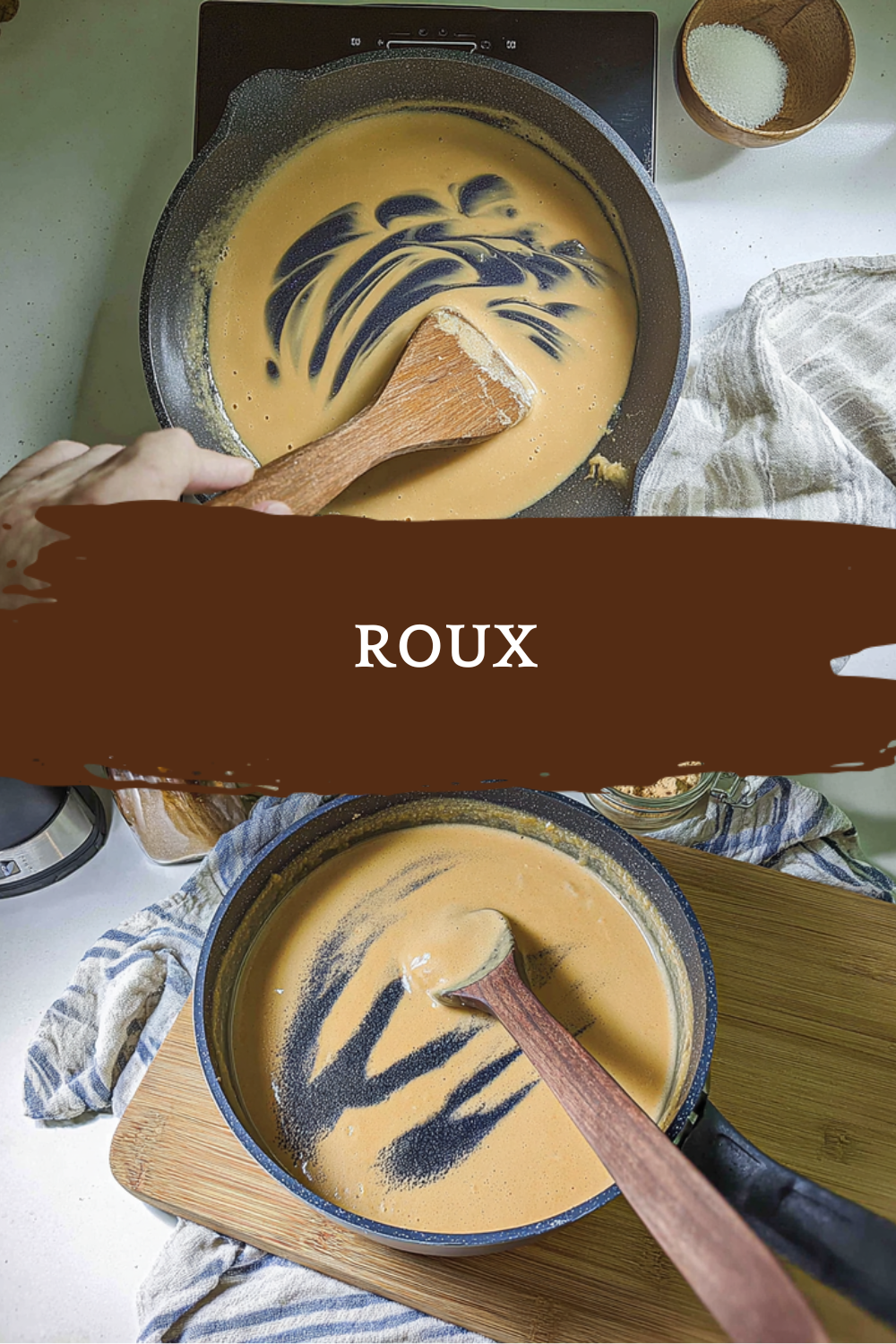
Creating a roux involves heating fat and flour to form a smooth base for thickening. A roux is made from equal parts flour and fat by weight, commonly used in sauces and soups for its ability to add body and flavor. Begin by gathering precise measurements to ensure even results.
- Gather and measure all ingredients before beginning; ensure butter and flour quantities are precise for perfect consistency. For instance, use 50 grams of each for a standard batch.
- Melt the butter over medium heat in a heavy-bottomed pan, stirring frequently to prevent burning. This step heats the fat until fully melted, preparing it for the flour.
- Gradually add the flour to the melted butter, continuously stirring with a wooden spoon or whisk to blend thoroughly and form a smooth mixture.
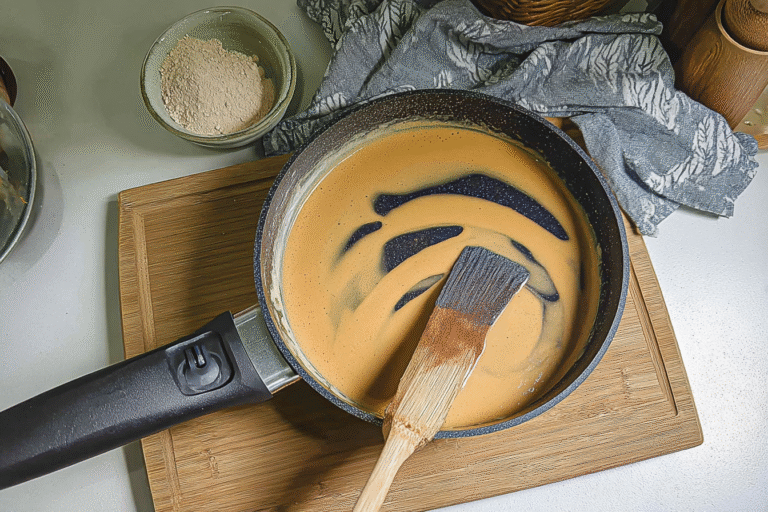
- Cook the mixture while stirring constantly to achieve the desired color white, blonde, or brown depending on the recipe’s needs; this usually takes 3 to 15 minutes. Remember, the color impacts flavor and thickening: white roux is mild, while darker roux adds nutty notes and is common in Creole cuisine.
- Adjust heat as needed to control the roux’s color and flavor without burning. Lard or oils are better for darker roux due to their high-heat tolerance.
- Incorporate any dietary substitutions during the cooking process, such as plant-based fats for vegan options or gluten-free flours when required. Stirring constantly prevents lumps and ensures even cooking.
- Once the roux reaches the perfect color and aroma, remove from heat and gradually whisk in the liquid component of your dish, ensuring a smooth, lump-free sauce. Typical fats like butter or meat drippings enhance the nutritional mix of carbohydrates and fats.
Sometimes, adding onions or garlic can deepen the flavor, making this technique versatile for different audiences like newlyweds experimenting in the kitchen. For more on flavor enhancement, visit Roux recipe from The Kitchn.

Dietary Substitutions to Customize Your Roux
Adapting roux to various diets keeps it accessible for everyone, from seniors to baking enthusiasts. Roux, a mixture of equal parts flour and fat, can be modified by swapping ingredients to meet specific needs. This allows for inclusive cooking that maintains the thickening properties while altering flavor profiles.
Protein and Main Component Alternatives
- Replace traditional butter with plant-based margarine or coconut oil for vegan-friendly roux.
- Use gluten-free flour blends or rice flour to accommodate gluten sensitivities.
- For low-fat options, reduce butter content and supplement with light vegetable oil.
Vegetable, Sauce, and Seasoning Modifications
- Swap regular milk or stock with vegetable broth or almond milk to keep the roux vegan and dairy-free.
- Experiment with herbs like thyme, bay leaf, or smoked paprika to enhance flavor based on preference.
- Incorporate seasonal vegetables such as mushrooms or bell peppers to add texture and taste variations, catering to dietary or seasonal needs.
Cooking roux to different colors from white for mild richness to dark brown for intense flavor helps in these customizations. For example, using oils suitable for high heat ensures darker roux without burning, aligning with the nutritional benefits of carbohydrates and fats. Travelers and food enthusiasts can enjoy these variations on the go.
Mastering Roux: Advanced Tips and Variations
Once you understand the basics, advanced techniques can elevate your roux skills, building on its role as a thickener for liquids like sauces and gravies. Roux involves equal parts flour and fat by weight, with stirring key to avoid lumps and achieve the desired color from white to dark brown. These tips help refine your approach for better results.
- Use a heavy-bottomed pan to ensure even heat distribution, and practice consistent stirring to avoid lumps and burning.
- Enhance your roux by adding toasted garlic, nutmeg, or a splash of wine during cooking for unique taste profiles, sometimes incorporating onions for added depth.
- Garnish finished dishes with fresh herbs or a sprinkle of paprika to add visual appeal and a burst of color.
- Prepare roux in larger batches and store in the refrigerator or freezer, allowing for quick use in future recipes to save time during busy cooking days.
Flavor variations affect the thickening ability, with dark roux imparting rich tastes ideal for Cajun dishes. Nutritionally, the mix of carbohydrates from flour and fats supports balanced meals. Party hosts can use these methods to impress guests, drawing from Learn more about Roux on Wikipedia for historical context.
How to Store Roux: Best Practices
Proper storage maintains roux’s quality, preserving its thickening power for sauces and soups made from equal parts flour and fat. After cooking to the desired color, cool the mixture before storing to prevent issues. This step is essential for busy parents and working professionals who prepare meals in advance.
- Refrigerate roux in an airtight container for up to one week; stir before use to restore consistency and avoid separation.
- Freeze roux in portioned containers or ice cube trays for long-term use; thaw in the refrigerator overnight before reheating to maintain texture.
- Warm roux gently over low heat, stirring continuously to prevent burning and keep the nutritional balance of carbohydrates and fats intact.
- Batch cook roux and store in manageable portions to streamline meal preparation, making it easier for various audiences like students or travelers.
Cooking times for roux vary based on color, with darker versions offering more flavor but less thickening, so proper storage helps retain these qualities.
FAQs: Frequently Asked Questions About Roux
What is roux and how is it used in cooking?
Roux is a mixture of equal parts fat (usually butter) and flour cooked together to form a thickening base for sauces, soups, and stews. By cooking the flour in fat, it loses its raw taste and gains a nutty flavor. Roux is commonly used to thicken classic dishes like béchamel sauce, gumbo, and gravy. The cooking time determines its color and flavor, ranging from a pale blonde roux to a dark brown roux for richer dishes.
How do I make a roux without lumps?
To avoid lumps, melt the fat completely over medium heat before adding flour. Gradually sprinkle the flour while stirring constantly with a whisk or wooden spoon. Cook the roux slowly to let the flour absorb the fat evenly. When adding liquid, warm it slightly and pour it in gradually while stirring continuously. This steady mixing prevents clumps and creates a smooth, creamy texture.
What is the difference between blonde, brown, and dark roux?
The difference lies in how long you cook the roux and its resulting color and flavor. Blonde roux is cooked briefly until pale gold, perfect for light sauces like béchamel. Brown roux is cooked longer until it turns golden brown, offering a nuttier taste for gravies and stews. Dark roux is cooked until deep brown with a smoky flavor, commonly used in Cajun and Creole dishes like gumbo. Darker roux has less thickening power but adds more depth of flavor.
Can I use oils other than butter to make roux?
Yes, roux can be made with other fats like vegetable oil, bacon fat, or olive oil. Each fat adds a unique flavor. For example, bacon fat adds smokiness, while olive oil creates a more Mediterranean flavor. When substituting butter, maintain equal parts fat and flour for the best thickening results. Choose the fat that complements your dish’s flavor profile.
How do I store and reuse leftover roux safely?
You can refrigerate leftover roux in an airtight container for up to one week or freeze it for up to three months. Allow the roux to cool completely before storing. When ready to use, gently reheat it over low heat, stirring to restore smoothness. If frozen, thaw in the refrigerator overnight. Proper storage helps prevent spoilage and allows you to save time on future dishes.
Roux
🍳 Master the essential foundation of countless sauces, soups, and gravies with this versatile thickening agent
🔥 Transform basic ingredients into a flavor-packed base that will revolutionize your cooking technique
- Total Time: 10-35 minutes
- Yield: Makes about 1 cup 1x
Ingredients
1/2 cup Unsalted butter [Forms the base and adds richness]
1/2 cup All-purpose flour [Thickens the mixture]
1 tablespoon Vegetable oil (optional) [Adjusts fat for variations]
Instructions
1-Gather and measure all ingredients before beginning; ensure butter and flour quantities are precise for perfect consistency. For instance, use 50 grams of each for a standard batch.
2-Melt the butter over medium heat in a heavy-bottomed pan, stirring frequently to prevent burning. This step heats the fat until fully melted, preparing it for the flour.
3-Gradually add the flour to the melted butter, continuously stirring with a wooden spoon or whisk to blend thoroughly and form a smooth mixture.
4-Cook the mixture while stirring constantly to achieve the desired color white, blonde, or brown depending on the recipe’s needs; this usually takes 3 to 15 minutes. Remember, the color impacts flavor and thickening: white roux is mild, while darker roux adds nutty notes and is common in Creole cuisine.
5-Adjust heat as needed to control the roux’s color and flavor without burning. Lard or oils are better for darker roux due to their high-heat tolerance.
6-Incorporate any dietary substitutions during the cooking process, such as plant-based fats for vegan options or gluten-free flours when required. Stirring constantly prevents lumps and ensures even cooking.
7-Once the roux reaches the perfect color and aroma, remove from heat and gradually whisk in the liquid component of your dish, ensuring a smooth, lump-free sauce. Typical fats like butter or meat drippings enhance the nutritional mix of carbohydrates and fats.
Last Step:
Please leave a rating and comment letting us know how you liked this recipe! This helps our business to thrive and continue providing free, high-quality recipes for you.Notes
🌡️ Always use low to medium heat to prevent burning and ensure even cooking
🥄 Keep whisking continuously – lumps form quickly and are difficult to remove later
⏰ Darker roux has less thickening power than lighter roux, so adjust quantities accordingly
- Prep Time: 5 minutes
- Cooling Time: 5 minutes
- Cook Time: 5-30 minutes
- Category: Basic Cooking Technique
- Method: Stovetop
- Cuisine: French
- Diet: Vegetarian
Nutrition
- Serving Size: 1 tablespoon
- Calories: 55
- Sugar: 0.1
- Sodium: 15
- Fat: 3.5
- Saturated Fat: 2.1
- Unsaturated Fat: 1.2
- Trans Fat: 0
- Carbohydrates: 4.2
- Fiber: 0.1
- Protein: 0.5
- Cholesterol: 8