
Why You’ll Love This Sticky Orange Chicken
Sticky Orange Chicken is the kind of dinner that feels like takeout, but it comes together nicely at home with simple ingredients. The chicken turns crisp on the outside, tender inside, and gets coated in a glossy orange sauce that is sweet, tangy, and just a little spicy. If you love bold flavor without a long prep list, this one is a keeper.
- Easy to make: The chicken is coated, fried, and tossed in sauce in a few simple steps. It is a great choice for busy weeknights when you want something fast but still special.
- Family friendly: Kids and adults both tend to love the sweet orange flavor. You can also tone down the chili flakes if you are cooking for younger eaters or anyone who likes mild food.
- Great for many diets: You can swap the frying method, change the protein, or adjust the sweetness to fit your needs. It works well for home cooks who want more control over what goes into dinner.
- Big flavor payoff: Orange juice, zest, soy sauce, ginger, garlic, and a little vinegar make the sauce taste bright and balanced. The sticky finish clings to every piece of chicken.
When a recipe gives you crispy chicken, a shiny sauce, and an easy weeknight cooking plan, it usually earns a spot in the regular dinner rotation.
If you enjoy simple comfort food with a fresh citrus twist, this recipe fits right in. It also pairs well with rice, noodles, or a quick vegetable side, which makes it flexible for almost any table.
Jump to:
- Why You’ll Love This Sticky Orange Chicken
- Essential Ingredients for Sticky Orange Chicken
- Main Ingredients
- Special Dietary Options
- Ingredient Snapshot
- How to Prepare the Perfect Sticky Orange Chicken: Step-by-Step Guide
- First Step: Prep the chicken
- Second Step: Coat the chicken
- Third Step: Fry until golden
- Fourth Step: Make the orange sauce
- Fifth Step: Toss and coat
- Final Step: Garnish and serve
- Dietary Substitutions to Customize Your Sticky Orange Chicken
- Protein and Main Component Alternatives
- Vegetable, Sauce, and Seasoning Modifications
- Mastering Sticky Orange Chicken: Advanced Tips and Variations
- Pro cooking techniques
- Flavor variations
- Presentation tips
- Make-ahead options
- How to Store Sticky Orange Chicken: Best Practices
- FAQs: Frequently Asked Questions About Sticky Orange Chicken
- Sticky Orange Chicken
- Ingredients
- Instructions
- Last Step:
- Notes
- Nutrition
- Did you make this recipe?
Essential Ingredients for Sticky Orange Chicken
Main Ingredients
- 4 boneless skinless chicken breasts, cut into bite-size pieces – The main protein and the base of the dish.
- 3 eggs, whisked – Helps the coating stick to the chicken.
- 1/3 cup cornstarch – Adds crispness to the coating and helps thicken the sauce later.
- 1/3 cup flour – Works with the cornstarch for a golden, light crust.
- Salt, to taste – Builds flavor in the chicken coating.
- Oil, for frying – Used to cook the chicken until crisp and golden.
- 1 cup orange juice – Gives the sauce its bright citrus flavor.
- 1/2 cup sugar – Creates the sweet sticky finish.
- 2 tablespoons rice vinegar or white vinegar – Adds tang to balance the sweetness.
- 2 tablespoons soy sauce – Brings salty depth and color.
- 1/4 teaspoon ginger – Adds warm, fresh spice.
- 1/4 teaspoon garlic powder or 2 finely diced garlic cloves – Gives the sauce savory flavor.
- 1/2 teaspoon red chili flakes – Adds gentle heat.
- Orange zest from 1 orange – Boosts the orange flavor and smells amazing.
- 1 tablespoon cornstarch – Thickens the sauce so it clings to the chicken.
- Green onions – A fresh garnish for color and mild onion flavor.
- Orange zest – A final garnish that makes the dish look bright and fresh.
Special Dietary Options
- Vegan: Swap the chicken for crispy tofu or cauliflower, use plant-based milk with a little cornstarch in place of eggs, and choose a vegan soy sauce.
- Gluten-free: Use gluten-free flour or extra cornstarch for the coating, and make sure your soy sauce is gluten-free tamari.
- Low-calorie: Air fry the chicken instead of deep frying and reduce the sugar slightly. You can also serve it with steamed vegetables instead of rice.
Ingredient Snapshot
| Part | What It Does | Key Ingredients |
|---|---|---|
| Chicken coating | Creates crisp texture | Chicken breasts, eggs, cornstarch, flour, salt |
| Orange sauce | Gives sweet, tangy flavor | Orange juice, sugar, vinegar, soy sauce, ginger, garlic, chili flakes, orange zest, cornstarch |
| Garnish | Adds fresh finish | Green onions, orange zest |
How to Prepare the Perfect Sticky Orange Chicken: Step-by-Step Guide
Before you start, gather everything you need so the cooking process feels smooth. This recipe moves fast once the chicken hits the oil and the sauce goes on the stove, so having your ingredients ready helps a lot. If you are making dinner on a busy night, you can even cut the chicken and mix the sauce earlier in the day.
First Step: Prep the chicken
Cut 4 boneless skinless chicken breasts into bite-size pieces. Pat them dry with a paper towel if needed. This helps the coating stick better and gives you a crispier finish.
Set out two bowls. In one bowl, whisk 3 eggs. In the second bowl, mix 1/3 cup cornstarch, 1/3 cup flour, and salt to taste. This coating combo gives the chicken a light crust that holds up well under the sauce.
Second Step: Coat the chicken
Dip each chicken piece into the whisked eggs first, then roll it in the cornstarch and flour mixture. Press gently so the coating sticks all over. Keep going until every piece is coated.
For best results, place the coated chicken on a plate or tray for a few minutes before frying. This short rest helps the coating set a little, which can reduce patchy spots in the pan. If you are cooking with kids nearby, this is a good time to wash up the workspace and get the sauce ingredients measured out.
Third Step: Fry until golden
Heat oil in a deep skillet or pan over medium heat. You want enough oil to cover the bottom well, but you do not need to deep fry unless you prefer that method. Let the oil get hot before adding the chicken. If the oil is too cool, the coating can soak up too much grease instead of crisping up.
Cook the chicken in batches so the pan does not get crowded. Fry each batch until golden brown and cooked through, about 4 to 6 minutes depending on the size of the pieces. The inside should reach a safe temperature, and the outside should look crisp and lightly browned. Transfer the cooked chicken to a plate lined with paper towels if you want to catch extra oil.
Fourth Step: Make the orange sauce
While the chicken cooks, start the sauce in a medium saucepan. Add 1 cup orange juice, 1/2 cup sugar, 2 tablespoons rice vinegar or white vinegar, 2 tablespoons soy sauce, 1/4 teaspoon ginger, 1/4 teaspoon garlic powder or 2 finely diced garlic cloves, 1/2 teaspoon red chili flakes, and orange zest from 1 orange. Stir everything together and bring it to a gentle simmer over medium heat.
Once the sauce starts bubbling lightly, mix 1 tablespoon cornstarch with a little water in a small cup to make a slurry, then stir it into the sauce. Keep stirring for 1 to 2 minutes until it thickens and turns glossy. The sauce should coat the back of a spoon and look shiny, not watery.
If you want a deeper citrus note, this is the moment to add a little extra zest. For readers who enjoy more background on the health side of oranges, this article on the health benefits of cooking with orange offers helpful context.
Fifth Step: Toss and coat
Place the fried chicken into a large bowl or back into the skillet if it is roomy enough. Pour the thick orange sauce over the chicken and toss until every piece is evenly coated. Work quickly so the coating stays crisp as long as possible.
If the sauce looks too thick, add a small splash of orange juice or water. If it looks too thin, let it simmer for another minute. The goal is a sticky sauce that clings to the chicken without pooling at the bottom of the bowl.
Final Step: Garnish and serve
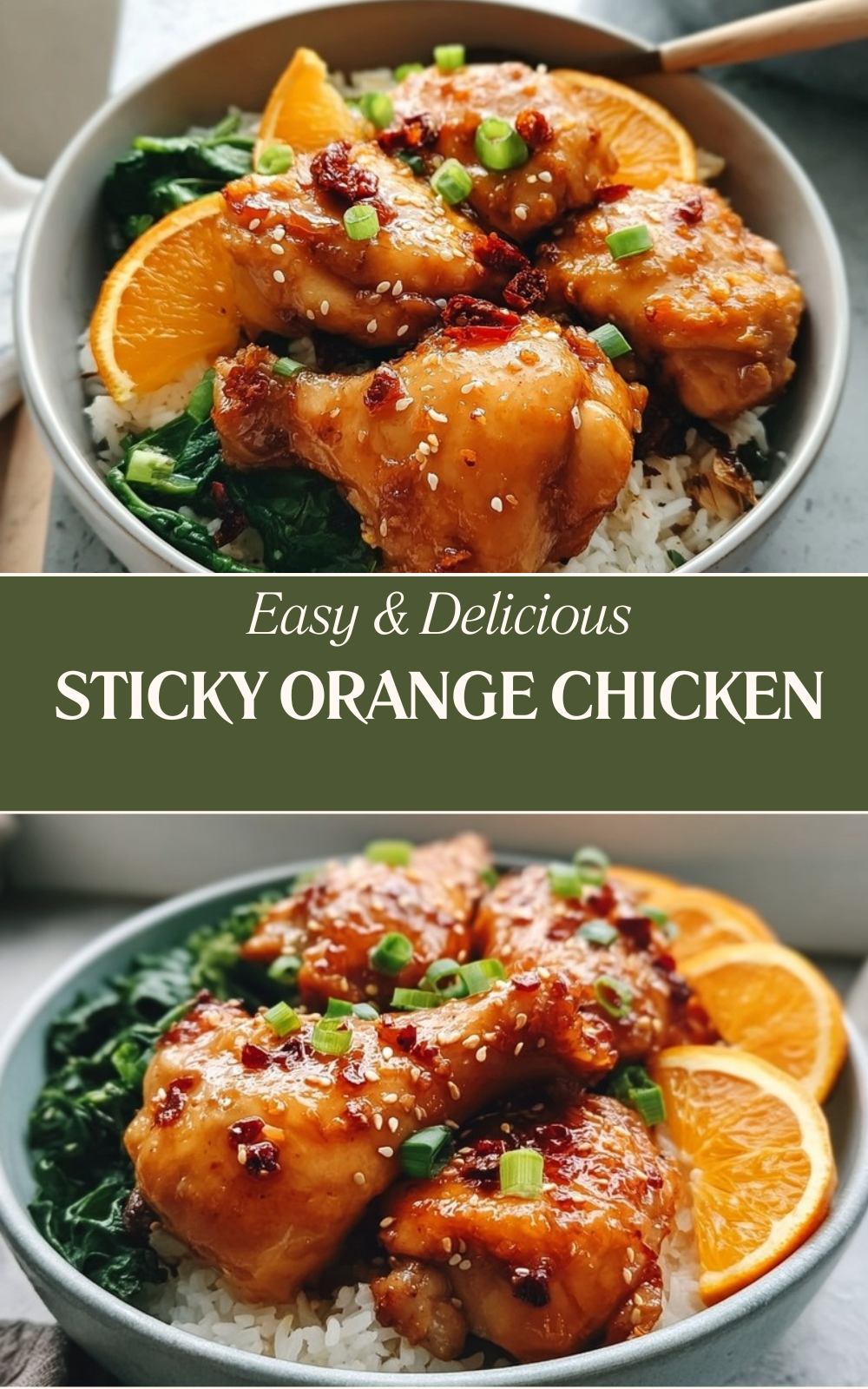
Transfer the Sticky Orange Chicken to a serving plate. Top with green onions and a little extra orange zest for a fresh finish. Serve it hot with steamed rice, fried rice, noodles, or even simple sautéed vegetables.
For the best texture, toss the chicken with the sauce right before serving. That keeps the coating crisp and the flavor bright.
If you want another sweet finish for the table, a treat like this lemon cream pie recipe makes a fun dessert after a savory dinner.

Dietary Substitutions to Customize Your Sticky Orange Chicken
Protein and Main Component Alternatives
If you do not have chicken breasts on hand, chicken thighs work well and stay juicy. They also add a richer flavor. For a lighter meal, you can use bite-size chicken tenders, which cook quickly and are easy to portion for kids or meal prep.
To make this dish meatless, use firm tofu, cauliflower florets, or even tempeh. Tofu gives you a soft center with crisp edges, while cauliflower makes a fun, lighter option that still holds sauce well. If you like plant-based dinners, press the tofu first so it fries up better.
Vegetable, Sauce, and Seasoning Modifications
You can add vegetables like broccoli, snap peas, bell peppers, or carrots to make the meal more colorful. Stir-fry them separately and toss them in with the chicken at the end, or serve them on the side. This helps stretch the recipe further for larger families or guests.
For the sauce, swap rice vinegar with white vinegar if that is what you have in the pantry. You can also cut the sugar a bit if you prefer a less sweet taste. If you want more heat, add extra chili flakes or a little fresh chili. For a gluten-free version, use tamari instead of regular soy sauce.
If you enjoy pairing savory dishes with a dessert tray, you might also like browsing this blackberry cobbler recipe for another easy crowd-pleaser.
Mastering Sticky Orange Chicken: Advanced Tips and Variations
Pro cooking techniques
For extra crisp chicken, let the coated pieces rest for 5 to 10 minutes before frying. This helps the coating grip the chicken better. Also, avoid overcrowding the pan because too many pieces at once can lower the oil temperature and make the coating soggy.
If you want a lighter version, use an air fryer. Spray the coated chicken lightly with oil and cook until crisp, turning halfway through. Then toss it in the orange sauce just before serving. You will still get great texture with less oil.
Flavor variations
You can make this dish more fragrant by adding a little fresh grated ginger or a splash of orange extract. Some cooks like to add sesame oil at the end for a nutty taste. Others like a sweeter version with a touch more sugar, especially when serving kids.
For a more savory style, add a bit more soy sauce and reduce the sugar slightly. You can also toss in sesame seeds or sliced scallions for extra texture. If you are hosting a dinner, serving the chicken over jasmine rice gives it a nice restaurant-style look.
Presentation tips
Serve the chicken in a shallow bowl or wide platter so the glossy sauce shows off. Add a sprinkle of green onions and orange zest right before bringing it to the table. A few orange slices on the side can make the plate look fresh and bright.
For parties, you can serve the chicken with toothpicks as a bite-size appetizer. This works well for game nights, potlucks, and family gatherings.
Make-ahead options
You can cut and coat the chicken a few hours ahead, then keep it covered in the fridge until cooking time. The sauce can also be made earlier and reheated gently on the stove. If you want to save even more time, chop the green onions and zest the orange in advance.
How to Store Sticky Orange Chicken: Best Practices
Refrigeration: Store leftovers in an airtight container in the fridge for up to 3 to 4 days. For best texture, keep the chicken and sauce separate if you know you will not eat it all right away.
Freezing: Freeze the cooked chicken and sauce separately when possible. Use freezer-safe containers or bags and label them with the date. The chicken can stay frozen for about 2 months, though the coating may soften a bit after thawing.
Reheating: Reheat in a skillet over medium-low heat or in the oven at 350°F until warmed through. If the sauce thickens too much, add a small splash of water or orange juice. The microwave works in a pinch, but the coating may not stay as crisp.
Meal prep considerations: For batch cooking, fry the chicken and store it without sauce. Reheat the chicken first, then toss with warmed sauce right before serving. This keeps the texture much better for lunches and quick dinners.
FAQs: Frequently Asked Questions About Sticky Orange Chicken
Print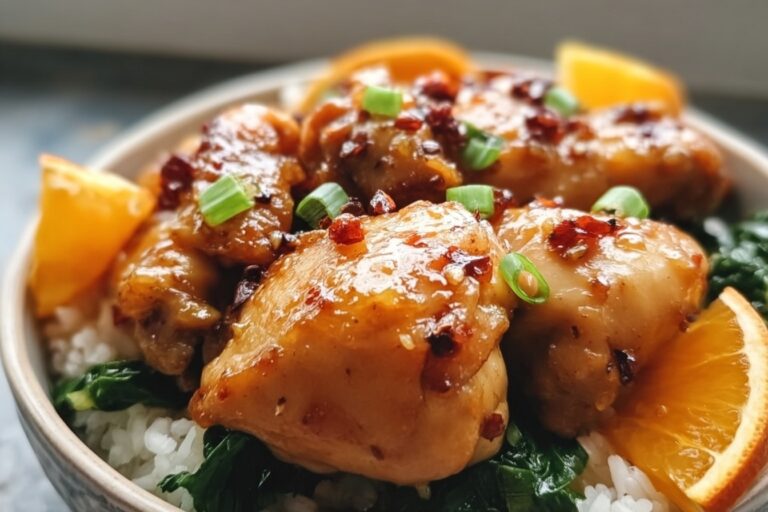
Sticky Orange Chicken
🍊 Dive into crispy, sweet-and-tangy Chinese Orange Chicken that’s restaurant-quality but made easily at home with a glossy sauce that clings perfectly.
🍗 This crowd-pleasing dish delivers bold flavors and tender chicken bites, ideal for weeknight dinners or takeout cravings without the wait.
- Total Time: 35 minutes
- Yield: 4 servings
Ingredients
– 4 boneless skinless chicken breasts, cut into bite-size pieces
– 3 eggs, whisked
– 1/3 cup cornstarch
– 1/3 cup flour
– Salt, to taste
– Oil, for frying
– 1 cup orange juice
– 1/2 cup sugar
– 2 tablespoons rice vinegar or white vinegar
– 2 tablespoons soy sauce
– 1/4 teaspoon ginger
– 1/4 teaspoon garlic powder or 2 finely diced garlic cloves
– 1/2 teaspoon red chili flakes
– Orange zest from 1 orange
– 1 tablespoon cornstarch
– Green onions
– Orange zest
Instructions
1-First Step: Prep the chicken Cut 4 boneless skinless chicken breasts into bite-size pieces. Pat them dry with a paper towel if needed. This helps the coating stick better and gives you a crispier finish. Set out two bowls. In one bowl, whisk 3 eggs. In the second bowl, mix 1/3 cup cornstarch, 1/3 cup flour, and salt to taste. This coating combo gives the chicken a light crust that holds up well under the sauce.
2-Second Step: Coat the chicken Dip each chicken piece into the whisked eggs first, then roll it in the cornstarch and flour mixture. Press gently so the coating sticks all over. Keep going until every piece is coated. For best results, place the coated chicken on a plate or tray for a few minutes before frying. This short rest helps the coating set a little, which can reduce patchy spots in the pan. If you are cooking with kids nearby, this is a good time to wash up the workspace and get the sauce ingredients measured out.
3-Third Step: Fry until golden Heat oil in a deep skillet or pan over medium heat. You want enough oil to cover the bottom well, but you do not need to deep fry unless you prefer that method. Let the oil get hot before adding the chicken. If the oil is too cool, the coating can soak up too much grease instead of crisping up. Cook the chicken in batches so the pan does not get crowded. Fry each batch until golden brown and cooked through, about 4 to 6 minutes depending on the size of the pieces. The inside should reach a safe temperature, and the outside should look crisp and lightly browned. Transfer the cooked chicken to a plate lined with paper towels if you want to catch extra oil.
4-Fourth Step: Make the orange sauce While the chicken cooks, start the sauce in a medium saucepan. Add 1 cup orange juice, 1/2 cup sugar, 2 tablespoons rice vinegar or white vinegar, 2 tablespoons soy sauce, 1/4 teaspoon ginger, 1/4 teaspoon garlic powder or 2 finely diced garlic cloves, 1/2 teaspoon red chili flakes, and orange zest from 1 orange. Stir everything together and bring it to a gentle simmer over medium heat. Once the sauce starts bubbling lightly, mix 1 tablespoon cornstarch with a little water in a small cup to make a slurry, then stir it into the sauce. Keep stirring for 1 to 2 minutes until it thickens and turns glossy. The sauce should coat the back of a spoon and look shiny, not watery. If you want a deeper citrus note, this is the moment to add a little extra zest. For readers who enjoy more background on the health side of oranges, this article on the health benefits of cooking with orange offers helpful context.
5-Fifth Step: Toss and coat Place the fried chicken into a large bowl or back into the skillet if it is roomy enough. Pour the thick orange sauce over the chicken and toss until every piece is evenly coated. Work quickly so the coating stays crisp as long as possible. If the sauce looks too thick, add a small splash of orange juice or water. If it looks too thin, let it simmer for another minute. The goal is a sticky sauce that clings to the chicken without pooling at the bottom of the bowl.
6-Final Step: Garnish and serve Transfer the Sticky Orange Chicken to a serving plate. Top with green onions and a little extra orange zest for a fresh finish. Serve it hot with steamed rice, fried rice, noodles, or even simple sautéed vegetables. For the best texture, toss the chicken with the sauce right before serving. That keeps the coating crisp and the flavor bright. If you want another sweet finish for the table, a treat like this lemon cream pie recipe makes a fun dessert after a savory dinner.
Last Step:
Please leave a rating and comment letting us know how you liked this recipe! This helps our business to thrive and continue providing free, high-quality recipes for you.Notes
🔥 Maintain oil at 350°F and fry in batches to keep chicken crispy without steaming.
🍊 Use fresh-squeezed orange juice and zest for the brightest, most authentic flavor.
🌶️ Adjust chili flakes to your spice preference, or add fresh minced garlic for extra punch.
- Prep Time: 15 minutes
- Cook Time: 20 minutes
- Category: Dinner
- Method: Deep Fried
- Cuisine: Chinese
Nutrition
- Serving Size: about 1 cup
- Calories: 520 calories
- Sugar: 28g
- Sodium: 780mg
- Fat: 18g
- Saturated Fat: 3g
- Unsaturated Fat: 14g
- Trans Fat: 0g
- Carbohydrates: 48g
- Fiber: 1g
- Protein: 36g
- Cholesterol: 210mg