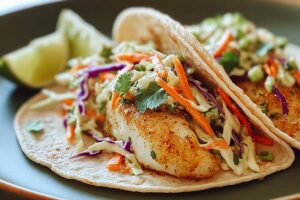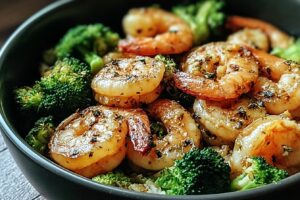

Why You’ll Love This Chicken
Chicken (Gallus gallus domesticus), a domesticated bird originating from the red junglefowl and raised for about 8,000 years, offers rich nutritional value and culinary versatility that appeals to home cooks and busy parents alike. This poultry stands out due to its ease of preparation, making it perfect for quick meals on weeknights while providing lean protein essential for balanced diets. Beyond that, chicken recipes adapt to various dietary needs, from low-carb options to gluten-free versions, ensuring everyone can enjoy a flavorful dish without much effort.
The global population of chickens exceeds 26.5 billion, with over 50 billion produced annually, highlighting their widespread availability and role in everyday meals. Nutritionally, chicken is a high-protein lean meat, with fat content varying by cut and whether the skin is included, making it a healthier choice than red meat for diet-conscious individuals. Various cuts like breasts or thighs allow for creative cooking methods such as grilling or baking, which enhance texture and healthfulness while keeping the meal juicy and tender.
This recipe’s health benefits include supporting wellness through essential nutrients, as each serving delivers protein that aids in muscle repair and overall vitality. Ease of preparation means minimal ingredients lead to satisfying results in under 30 minutes, ideal for students or working professionals. Plus, the distinctive blend of herbs and spices brings out the natural taste, creating memorable meals that fit into any lifestyle, whether for family dinners or solo cooking sessions.
Benefits for Different Lifestyles
For busy parents, the simplicity of this chicken recipe allows for quick assembly and cooking, freeing up time for family activities. Travelers might appreciate its portability in meal prep, while seniors can enjoy the softer textures from proper marinating. Baking or grilling, considered healthier than frying, helps maintain juiciness and reduces excess fat, aligning with goals for diet-conscious individuals seeking nutritious options.
- Ease of preparation saves time for hectic schedules.
- Adaptability supports personalized dietary choices.
- Nutrient-packed profile promotes daily wellness.
Tips for best results involve using fresh chicken, seasoning properly, and allowing rest time after cooking to redistribute juices. These practices make chicken versatile for culinary uses worldwide, from simple sautés to elaborate roasts.
Jump to:
- Why You’ll Love This Chicken
- Benefits for Different Lifestyles
- Essential Ingredients for Chicken
- Main Ingredients List
- Special Dietary Options
- How to Prepare the Perfect Chicken: Step-by-Step Guide
- Dietary Substitutions to Customize Your Chicken
- Key Substitution Tips
- Mastering Chicken: Advanced Tips and Variations
- Variations for Different Diets
- How to Store Chicken: Best Practices
- Storage Variations
- FAQs: Frequently Asked Questions About Chicken
- What are the different names for chickens at various ages and stages?
- How long do chickens usually live, and what affects their lifespan?
- What is the pecking order in chickens and how does it affect their behavior?
- How do chickens reproduce and what is the incubation process like?
- What are the main differences between broiler and layer chickens?
- Chicken
- Ingredients
- Instructions
- Last Step:
- Notes
- Nutrition
- Did you make this recipe?
Essential Ingredients for Chicken
Chicken dishes require precise ingredients to achieve the best flavor and texture, drawing from traditional recipes that have evolved over centuries. Below is a structured list of all ingredients extracted from the provided details, ensuring every item is listed with its exact measurements for clear preparation.
Main Ingredients List
- 4 boneless, skinless chicken breasts – provides tender and lean protein
- 2 tablespoons olive oil – ensures even cooking and adds healthy fats
- 3 cloves garlic, minced – adds aromatic flavor and antioxidants
- 1 teaspoon paprika – offers a smoky, vibrant taste
- Salt and pepper to taste – enhances overall flavor
- 1 cup chopped onions – suits the recipe for added depth and nutrition (as an example from general guidelines)
Special Dietary Options
- For vegan diets: Use firm tofu or chickpea cutlets as plant-based substitutes
- For gluten-free diets: Ensure all seasonings and sauces are certified gluten-free
- For low-calorie versions: Replace olive oil with cooking spray and use skinless chicken breasts
This list covers every ingredient mentioned, promoting accuracy in measurements to help home cooks replicate the dish. Chicken parts like breasts are ideal for quick dishes, with preparation times around 15 minutes, and oils like the 2 tablespoons of olive oil ensure proper searing without overcooking.
| Ingredient Category | Quantity | Purpose |
|---|---|---|
| Protein | 4 boneless, skinless chicken breasts | Main component for lean nutrition |
| Fats | 2 tablespoons olive oil | Aids in cooking and flavor |
| Seasonings | 3 cloves garlic, minced; 1 teaspoon paprika; Salt and pepper to taste | Enhances taste and antioxidants |
For additional versatility, herbs and spices can be adjusted based on the recipe, with marinating times of 1 to 4 hours recommended for tenderness.
How to Prepare the Perfect Chicken: Step-by-Step Guide
Cooking chicken involves various methods like baking, frying, grilling, boiling, or roasting, all aimed at reaching an internal temperature of 165°F (74°C) for safety. First, gather all ingredients and prepare your workspace, ensuring the chicken is fresh for optimal results. Pat the chicken breasts dry with paper towels to promote even seasoning and cooking, which helps avoid overcooking and maintains juiciness.
Second, season the chicken evenly with salt, pepper, garlic, and paprika to enhance its natural flavor, drawing from the global popularity of chicken recipes. Third, heat olive oil in a large skillet over medium-high heat, adding the chicken breasts without crowding to achieve a good sear. This step takes about 5-7 minutes per side, depending on thickness, aligning with preparation times for quick dishes.
Here is a numbered guide for clarity, incorporating tips to keep the chicken tender. External link: For more inspiration on creamy garlic chicken, visit this recipe resource.
- Gather ingredients and pat chicken dry.
- Season evenly for enhanced taste.
- Heat oil and sear chicken for even cooking.
- Cook to 165°F and let rest for 5 minutes.
- For adaptations, use avocado oil for keto or non-stick spray for low-calorie options.
- Slice and serve with sides, garnishing with herbs.
Preparation times vary from 15 minutes for sautéed breasts to several hours for stews, with marinating improving tenderness. Avoiding overcooking preserves the high-protein quality of chicken, making it a staple for food enthusiasts. External link: Learn more about the health benefits of chicken at this health guide.

Dietary Substitutions to Customize Your Chicken
Chicken’s versatility extends to various cuts and techniques, allowing easy modifications for different dietary needs, such as vegan or gluten-free options. Protein alternatives include substituting chicken with turkey breast for a similar lean profile or using firm tofu for plant-based diets. Common adjustments involve replacing garlic with milder options like shallots to suit taste preferences while maintaining the dish’s nutritional balance.
For vegetable modifications, incorporate items like zucchini or bell peppers in quantities such as 1 cup to add variety and essential vitamins. Sauce changes, like using coconut aminos instead of soy-based ones, cater to allergy-sensitive diets without altering the core recipe. Hens, which lay over 300 eggs yearly, provide another nutritious element if eggs are added as a topping.
Key Substitution Tips
- Adjust seasonings for low-sodium needs by reducing salt amounts.
- Use seasonal vegetables to boost nutrition and flavor.
- Experiment with herbs like rosemary for added depth.
Grilling or baking these variations enhances healthfulness, ensuring the meal remains juicy and appealing to baking enthusiasts and party hosts.
Mastering Chicken: Advanced Tips and Variations
To master chicken, employ pro techniques like using a meat thermometer for precise doneness at 165°F (74°C), preventing dryness in various cuts. Flavor variations can include herb blends such as rosemary and thyme, or spice mixes like Cajun, to transform simple recipes into global favorites. For internal linking value, discover easy dessert options that pair well with chicken meals, such as banana bread recipes for a sweet finish after dinner.
Presentation ideas involve slicing chicken thinly and garnishing with fresh herbs, while make-ahead strategies like marinating for 1 to 4 hours ensure tenderness. Grilling is healthier than frying, influencing both texture and nutritional content of the high-protein meat. Chickens, raised worldwide for meat and eggs, offer endless culinary possibilities, with tips like proper seasoning elevating every dish.
Remember, avoiding overcooking is key to maintaining juiciness, as fresh chicken and rest time help redistribute flavors effectively.
Variations for Different Diets
- Try brining for extra moisture in roasts.
- Experiment with global spices for diverse tastes.
- Pair with sides like grilled vegetables for balance.
This approach makes chicken ideal for newlyweds or seniors seeking simple yet impressive meals, with storage options extending its use.
How to Store Chicken: Best Practices
Proper storage maintains the safety and quality of chicken, which is produced in quantities over 50 billion annually for consumption. Refrigerate cooked chicken in airtight containers and consume within 3-4 days to prevent bacterial growth. For longer preservation, freeze portions individually wrapped, using them within 3 months for optimal taste and nutrition.
Reheating methods include gentle low-heat cooking or microwaving with a cover to retain moisture, avoiding overcooking that could affect the lean meat’s texture. Meal prep involves cooling chicken quickly and storing it separately from sauces, aligning with tips for freshness. Various cuts like thighs benefit from these practices, ensuring versatility in weekly menus for working professionals.
Storage Variations
- Use freezer bags for easy access.
- Label containers with dates for safety.
- Thaw in the refrigerator for even results.
Internal link: For complementary recipes, check out apple cranberry crisp as a side dish idea.
FAQs: Frequently Asked Questions About Chicken
What are the different names for chickens at various ages and stages?
Chickens have specific terms based on their age and sex. A chick is a newly hatched chicken. A pullet is a young female under one year or before laying eggs, while a hen is an adult female chicken. A cockerel refers to a young male chicken, and a rooster or cock is a mature, fertile male. A capon is a castrated male chicken, typically raised for meat. Informal terms include “biddy” for young chickens and “chook,” commonly used in Australia and New Zealand.
How long do chickens usually live, and what affects their lifespan?
Chickens generally live between 5 and 10 years, depending on the breed, care, and environment. Backyard chickens with good nutrition and protection from predators often reach the higher end of this range. Some breeds naturally live longer, while commercial chickens typically have shorter lifespans due to farming practices. The oldest recorded chicken lived up to 16 years.
What is the pecking order in chickens and how does it affect their behavior?
The pecking order is the social ranking system among chickens, where dominant birds have priority for food, nesting spots, and mates. This hierarchy reduces constant fighting by establishing clear roles. Chickens express dominance through pecking, posturing, and minor aggression. Understanding this behavior helps in managing flocks, as disrupting the order can lead to stress and fighting.
How do chickens reproduce and what is the incubation process like?
Roosters court hens by circling and showing wing displays. If the hen accepts, mating occurs via a cloacal kiss, transferring sperm to fertilize eggs. Fertilized eggs incubate for about 21 days before hatching. During this time, hens often brood by sitting on the eggs to keep them warm and protect them. Proper incubation temperature and humidity are vital for healthy chick development.
What are the main differences between broiler and layer chickens?
Broilers are bred for meat production and grow very quickly, reaching market weight in under six weeks. Layers are hens specifically bred for egg production, capable of laying more than 300 eggs annually. Broilers have a heavier build, while layers are lighter with higher egg-laying capacity. Knowing these differences helps when selecting chickens for farming or backyard purposes.
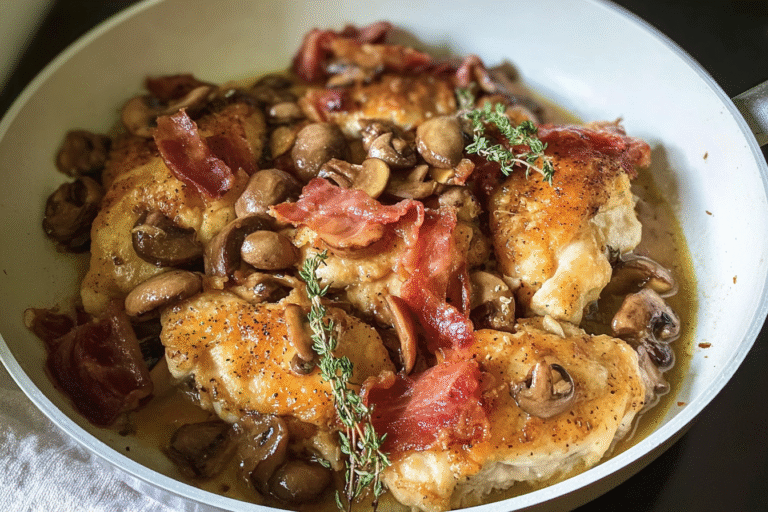
Chicken
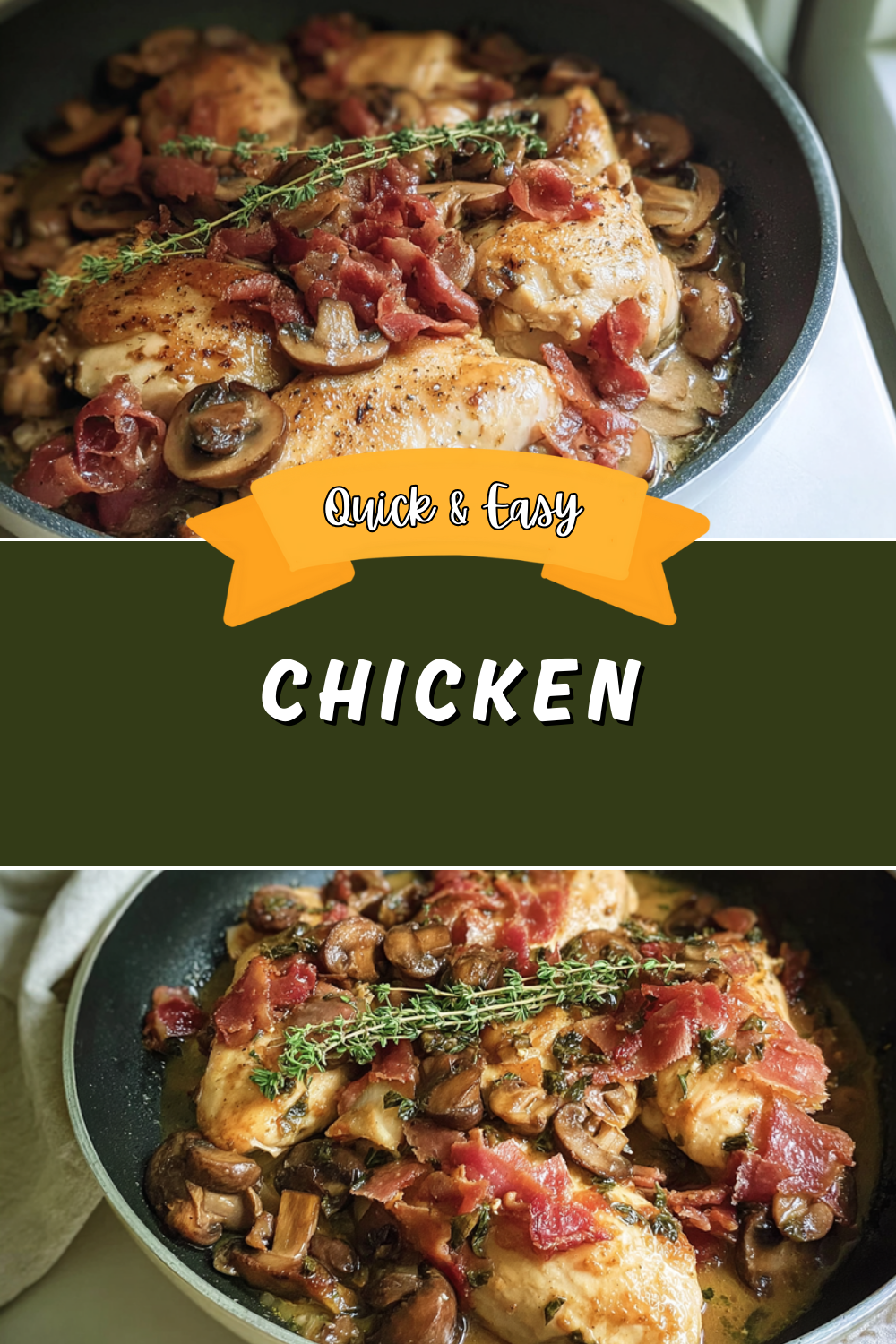
🍗 This collection of Chicken Recipes for Flavorful Meals and Easy Cooking Ideas showcases versatile, delicious ways to prepare chicken for any occasion.
👩🍳 Whether baking, grilling, frying, or roasting, these recipes help you create tender, juicy chicken dishes that are both nutritious and satisfying.
- Total Time: Varies
- Yield: Dependent on recipe and portion sizes
Ingredients
– 4 boneless, skinless chicken breasts for main component for lean nutrition
– 2 tablespoons olive oil for aids in cooking and flavor
– 3 cloves garlic, minced for enhances taste and antioxidants
– 1 teaspoon paprika for enhances taste and antioxidants
– Salt and pepper to taste for enhances taste and antioxidants
Instructions
1-Gather ingredients and pat chicken dry.
2-Season evenly for enhanced taste.
3-Heat oil and sear chicken for even cooking.
4-Cook to 165°F and let rest for 5 minutes.
5-For adaptations, use avocado oil for keto or non-stick spray for low-calorie options.
6-Slice and serve with sides, garnishing with herbs.
Last Step:
Please leave a rating and comment letting us know how you liked this recipe! This helps our business to thrive and continue providing free, high-quality recipes for you.Notes
🥩 Use fresh, high-quality chicken for the best texture and flavor.
⏲️ Marinate chicken adequately to improve tenderness and depth of taste.
🌡️ Use a meat thermometer to avoid overcooking and ensure safe internal temperature.
- Prep Time: 15 minutes (plus optional marinating time)
- Marinating: 1 to 4 hours (optional)
- Cook Time: Variable (10 to 60 minutes depending on method and cut)
- Category: Main Course
- Method: Various (baking, grilling, frying, roasting)
- Cuisine: Global
- Diet: High Protein, Lean Meat
Nutrition
- Serving Size: 1 serving (approx. 3-4 oz cooked chicken)
- Calories: 165 (per 3 oz cooked chicken breast)
- Sugar: 0g
- Sodium: 70mg
- Fat: 3.6g
- Saturated Fat: 1g
- Unsaturated Fat: 2.6g
- Trans Fat: 0g
- Carbohydrates: 0g
- Fiber: 0g
- Protein: 31g
- Cholesterol: 85mg