

Why You’ll Love This Filet Mignon
Filet mignon stands out as a top choice for home cooks due to its ease of preparation, making it ideal for busy weeknights or quick meals. This cut comes from the smaller end of the beef tenderloin, a muscle that does very little work, resulting in a tender and lean texture with a mild flavor. It’s rich in iron and B vitamins, offering health benefits as a lean source of protein that supports a balanced diet without excess fat.
Busy parents and working professionals will appreciate how this recipe adapts to various dietary needs, such as gluten-free or low-calorie options, while still delivering a satisfying dish. Filet mignon’s limited quantity per animal makes it one of the more expensive cuts, but its versatility and quick cooking time of 20 to 30 minutes justify the investment. Whether you’re a food enthusiast or a beginner, this steak’s buttery taste and tender feel enhance any meal, making it a reliable favorite.
For those mindful of nutrition, this recipe highlights the meat’s lower fat content compared to other beef cuts, promoting wellness with every bite. The tenderloin runs along both sides of the spine, and the filet mignon from the thinner end ensures a consistently premium experience. In North America, it specifically refers to beef tenderloin, adding to its appeal for a wide audience including students and seniors seeking simple yet nutritious meals.
Jump to:
- Why You’ll Love This Filet Mignon
- Essential Ingredients for Filet Mignon
- How to Prepare the Perfect Filet Mignon: Step-by-Step Guide
- Dietary Substitutions to Customize Your Filet Mignon
- Protein and Main Component Alternatives
- Vegetable, Sauce, and Seasoning Modifications
- Mastering Filet Mignon: Advanced Tips and Variations
- Pro Cooking Techniques
- Flavor Variations and Presentation
- How to Store Filet Mignon: Best Practices
- FAQs: Frequently Asked Questions About Filet Mignon
- What is filet mignon and why is it so tender?
- How should I cook filet mignon to keep it juicy and tender?
- What are the best side dishes to serve with filet mignon?
- How much does filet mignon usually cost per pound?
- Can I grill filet mignon, and what’s the best method?
- Filet Mignon
- Ingredients
- Instructions
- Last Step:
- Notes
- Nutrition
- Did you make this recipe?
Essential Ingredients for Filet Mignon
Gathering the right ingredients is key to creating a delicious filet mignon dish that balances flavor and nutrition. A basic filet mignon recipe typically includes steaks weighing about 170-225 grams (6-8 ounces) each, providing the tender core protein essential to this meal. Here is a comprehensive list of all ingredients mentioned, formatted for clarity:
- 2 filet mignon steaks (6 oz each)
- 2 tbsp olive oil (used for searing and adding rich flavor)
- 3 cloves garlic, minced (enhances aroma and deepens taste)
- 1-2 cloves garlic (commonly used for cooking and flavor, as an additional option)
- 1 tsp fresh rosemary, chopped (adds an earthy, fragrant note)
- 1 teaspoon chopped fresh herbs such as thyme or rosemary (for cooking and flavor enhancement)
- 2 tablespoons butter (around 2 tablespoons for cooking)
- 1-2 bacon strips per steak (to add moisture and flavor, if wrapping the steaks)
- Salt to taste (essential seasoning for flavor balance)
- Freshly ground black pepper to taste (essential seasoning for flavor balance)
For special dietary options, consider these adjustments to make the recipe more inclusive. Vegan substitutes include thick portobello mushroom caps or seitan slices to replace the steaks. If opting for gluten-free preparation, ensure all seasonings and oils are certified gluten-free, while low-calorie versions use trimmed lean cuts and minimal oil.
How to Prepare the Perfect Filet Mignon: Step-by-Step Guide
Start by removing the filet mignon steaks from the refrigerator and letting them reach room temperature, which takes about 30 minutes for even cooking. Season both sides generously with salt, pepper, and freshly chopped rosemary to enhance the mild flavor of this lean cut. For dietary preferences, adjust the seasoning as needed to fit specific needs.
Heat olive oil in a heavy skillet over medium-high heat until it shimmers, creating the ideal base for searing. If preparing a low-calorie version, use a non-stick pan with minimal oil to reduce fat content. Sear the steaks for 3-4 minutes per side to develop a rich crust, adapting for vegan or plant-based alternatives by adjusting timing to avoid drying out the substitutes.
Transfer the skillet to a preheated oven at 400°F (200°C) to finish cooking, aiming for 5-7 minutes for medium-rare doneness. Using a meat thermometer ensures the steak reaches the right internal temperature, such as 130°F for medium-rare, while resting the meat for 5 minutes afterward helps retain juices. This method, which includes searing for about 4-5 minutes per side and total preparation time of 20 to 30 minutes, keeps the steak tender and flavorful, complemented by sauces like red wine reduction.

Dietary Substitutions to Customize Your Filet Mignon
Protein and Main Component Alternatives
Adapting filet mignon for different diets starts with swapping the main protein to meet various preferences. For vegan options, use grilled portobello mushroom caps or seasoned seitan steaks as direct substitutes for the beef. Chicken breast or turkey tenderloin can serve as leaner alternatives for those seeking poultry-based meals.
Pescatarians might enjoy thick tuna steaks, which provide a similar texture and richness without the beef. Filet mignon’s lean profile makes it easy to modify, ensuring everyone from diet-conscious individuals to busy parents can enjoy a customized version that fits their lifestyle.
Vegetable, Sauce, and Seasoning Modifications
Side dishes and seasonings offer further flexibility in this recipe. Replace traditional garlic mashed potatoes with cauliflower mash for a low-carb option that aligns with health goals. Use gluten-free soy sauce or tamari in any sauces to accommodate sensitivities, making the dish versatile for various audiences.
Incorporate herbs like thyme, tarragon, or sage to vary flavors and suit personal tastes. For vegan or lactose-intolerant diets, swap cream-based sauces with plant-based alternatives, ensuring the subtle taste of filet mignon remains the star. This approach maintains the meat’s nutritional benefits, such as its richness in iron and B vitamins, while keeping preparation straightforward.
Mastering Filet Mignon: Advanced Tips and Variations
Pro Cooking Techniques
Take your filet mignon to the next level with advanced methods like sous vide, which provides precise temperature control for consistent results every time. This technique prevents overcooking and preserves the steak’s tender texture. Pair it with traditional searing to create an impressive crust while keeping the interior juicy.
Remember that cooking to medium-rare or medium is best to avoid drying out the meat, and always use a meat thermometer for accuracy. Resting the steak for 5-10 minutes after cooking locks in flavors, making it easier for home cooks to achieve professional-quality results.
Flavor Variations and Presentation
Experiment with dry rubs that include smoked paprika, cumin, and coriander for a smoky twist on the classic recipe. These additions complement the mild flavor of filet mignon without overwhelming it. For presentation, slice the steak into medallions and arrange them on a plate with microgreens and a drizzle of red wine reduction to elevate the visual appeal.
Make-ahead options include seasoning steaks in advance and vacuum-sealing them for later sous vide use, which enhances flavor infusion. This cut’s limited availability and premium nature make these tips valuable for food enthusiasts and party hosts. For a sweet finish, try pairing your meal with a delicious apple cranberry crisp from our blog, perfect for rounding out any dinner.
How to Store Filet Mignon: Best Practices
Proper storage keeps your filet mignon fresh and safe for later enjoyment. Refrigerate cooked steaks in an airtight container for up to 3 days to maintain texture and flavor. Freezing is another option, so wrap the meat tightly in plastic wrap and foil or use a vacuum-seal method for up to 3 months.
When reheating, warm the steak gently in a low oven or via sous vide to avoid drying it out. For meal prep, portion servings individually to simplify future meals while ensuring food safety. As a lean cut, filet mignon holds up well with these methods, preserving its nutritional value.
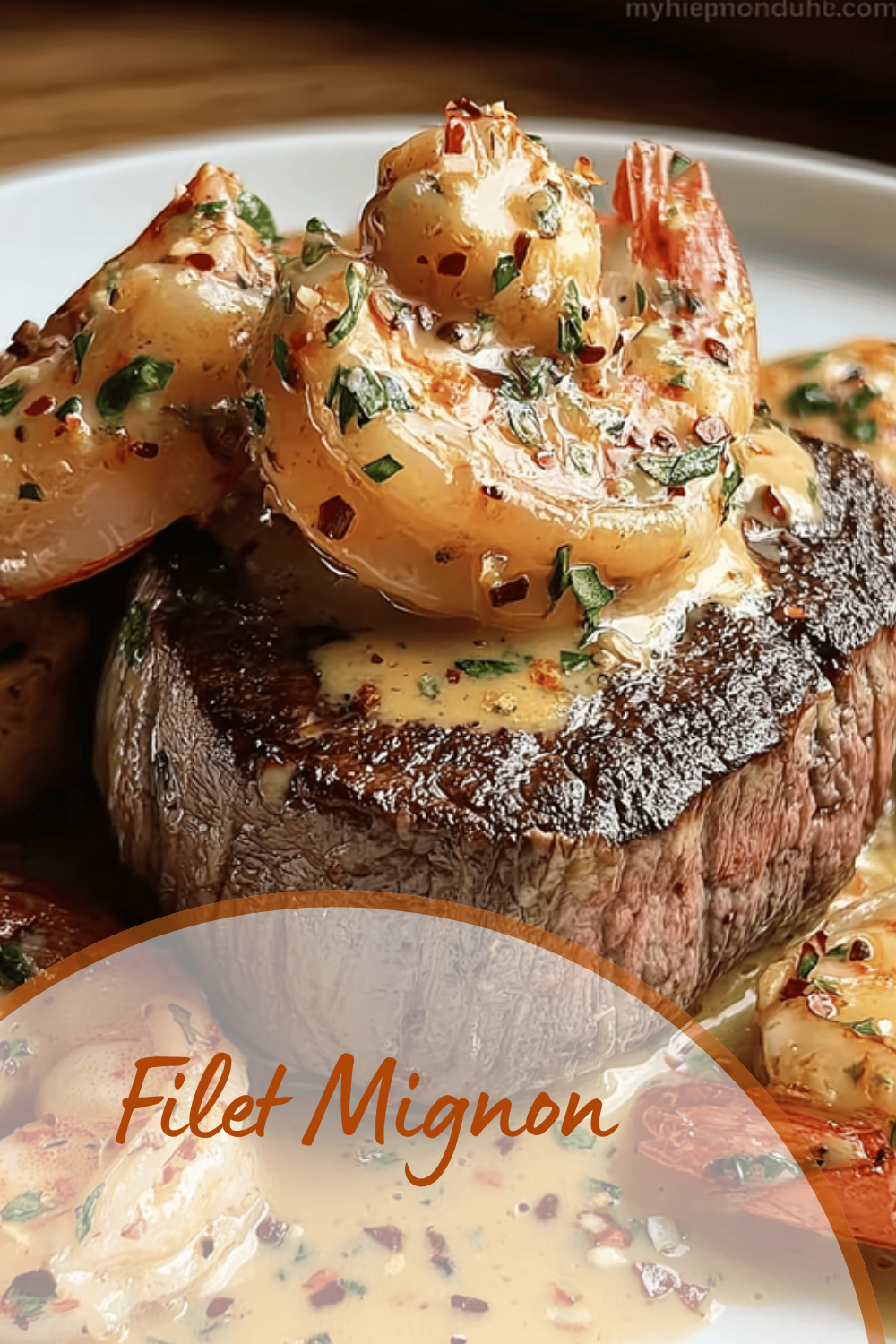
FAQs: Frequently Asked Questions About Filet Mignon
What is filet mignon and why is it so tender?
Filet mignon is a cut of beef taken from the smaller end of the tenderloin, which is a muscle that does very little work. Because of this minimal use, the meat has very fine grain and is exceptionally tender. This tenderness makes filet mignon a popular choice for steaks, prized for its buttery texture and mild flavor compared to other cuts.
How should I cook filet mignon to keep it juicy and tender?
To cook filet mignon, start by seasoning it with salt and pepper. Sear the steak in a hot skillet with oil for 2-3 minutes on each side to create a brown crust. Then, finish cooking it in a preheated oven at 400°F (204°C) for about 5-8 minutes, depending on thickness and desired doneness. Use a meat thermometer to reach 130°F (54°C) for medium-rare. Let the steak rest for 5 minutes before serving to retain juices.
What are the best side dishes to serve with filet mignon?
Popular side dishes for filet mignon include garlic mashed potatoes, roasted asparagus, sautéed mushrooms, and creamed spinach. These sides complement the steak’s rich flavor without overpowering it. Light salads or steamed vegetables can also balance the meal, providing freshness alongside the tender meat.
How much does filet mignon usually cost per pound?
Filet mignon is one of the more expensive cuts of beef, often priced between $25 to $45 per pound, depending on quality, grade, and location. Specialty or grass-fed options may be higher in price. Its tenderness and limited availability contribute to the premium cost.
Can I grill filet mignon, and what’s the best method?
Yes, filet mignon grills well. Preheat the grill to high heat and oil the grates. Season the steak and place it over direct heat for 3-4 minutes per side to sear. Then, move the steak to indirect heat and cook until it reaches the desired doneness—about 5-7 minutes for medium-rare. Use a meat thermometer for accuracy. Let the steak rest before serving to maintain juiciness.
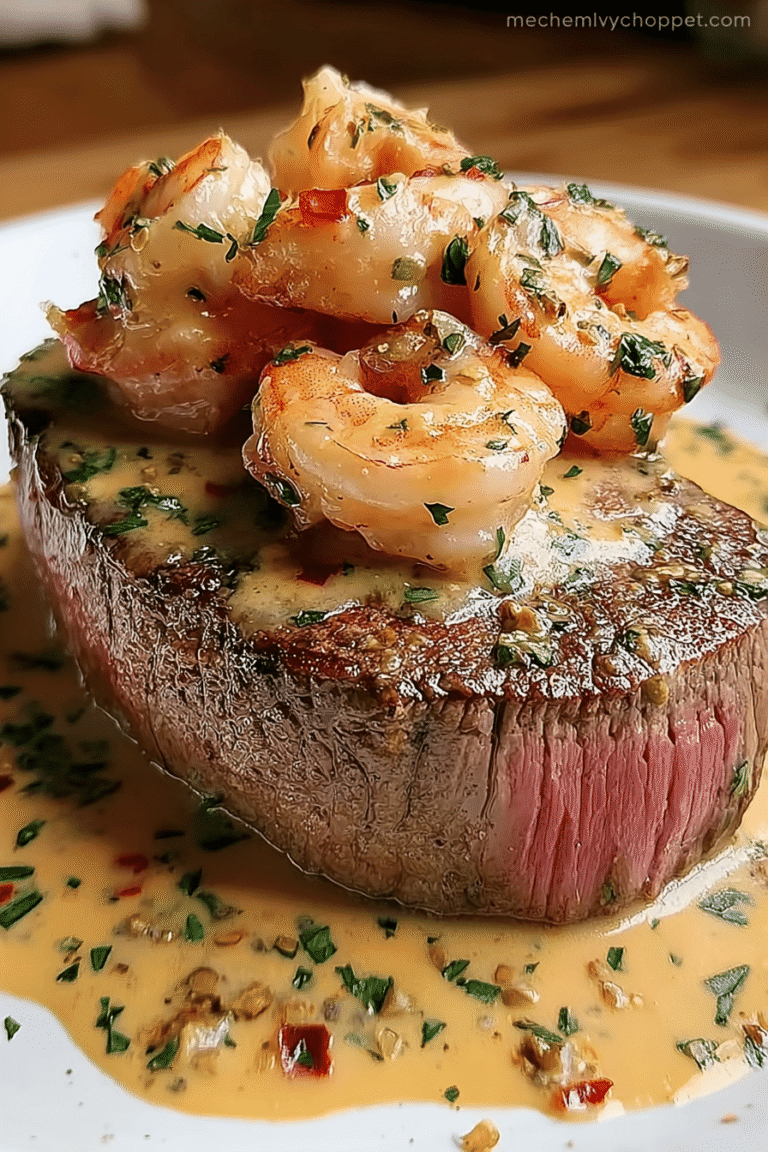
Filet Mignon
🥩 Filet mignon offers a tender and lean steak experience that is rich in protein and iron, perfect for a nutritious yet indulgent meal.
🔥 This recipe ensures perfectly cooked, juicy filet mignon every time, making it ideal for both special occasions and everyday dinners.
- Total Time: 30 minutes
- Yield: 2 servings 1x
Ingredients
2 filet mignon steaks (6 oz each)
2 tbsp olive oil for searing and adding rich flavor
3 cloves garlic, minced enhances aroma and deepens taste
1–2 cloves garlic commonly used for cooking and flavor, as an additional option
1 tsp fresh rosemary, chopped adds an earthy, fragrant note
1 teaspoon chopped fresh herbs such as thyme or rosemary for cooking and flavor enhancement
2 tablespoons butter (around 2 tablespoons for cooking)
1–2 bacon strips per steak to add moisture and flavor, if wrapping the steaks
Salt to taste essential seasoning for flavor balance
Freshly ground black pepper to taste essential seasoning for flavor balance
Instructions
1-Start by removing the filet mignon steaks from the refrigerator and letting them reach room temperature, which takes about 30 minutes for even cooking. Season both sides generously with salt, pepper, and freshly chopped rosemary to enhance the mild flavor of this lean cut. For dietary preferences, adjust the seasoning as needed to fit specific needs.
2-Heat olive oil in a heavy skillet over medium-high heat until it shimmers, creating the ideal base for searing. If preparing a low-calorie version, use a non-stick pan with minimal oil to reduce fat content. Sear the steaks for 3-4 minutes per side to develop a rich crust, adapting for vegan or plant-based alternatives by adjusting timing to avoid drying out the substitutes.
3-Transfer the skillet to a preheated oven at 400°F (200°C) to finish cooking, aiming for 5-7 minutes for medium-rare doneness. Using a meat thermometer ensures the steak reaches the right internal temperature, such as 130°F for medium-rare, while resting the meat for 5 minutes afterward helps retain juices. This method, which includes searing for about 4-5 minutes per side and total preparation time of 20 to 30 minutes, keeps the steak tender and flavorful, complemented by sauces like red wine reduction.
Last Step:
Please leave a rating and comment letting us know how you liked this recipe! This helps our business to thrive and continue providing free, high-quality recipes for you.Notes
🔥 Use a meat thermometer to check internal temperature: 130°F (54°C) for medium-rare.
🧈 Baste the steaks with butter and herbs during searing to enhance flavor.
⏳ Let the steaks rest after cooking to keep them juicy and tender.
- Prep Time: 20 minutes
- Resting time: 10 minutes
- Cook Time: 10 minutes
- Category: Main Course
- Method: Searing and resting
- Cuisine: American
- Diet: Gluten-Free, Low-Carb
Nutrition
- Serving Size: 1 steak (6-8 ounces)
- Calories: 350 kcal
- Sugar: 0 g
- Sodium: 150 mg
- Fat: 25 g
- Saturated Fat: 12 g
- Unsaturated Fat: 10 g
- Trans Fat: 0 g
- Carbohydrates: 0 g
- Fiber: 0 g
- Protein: 32 g
- Cholesterol: 90 mg